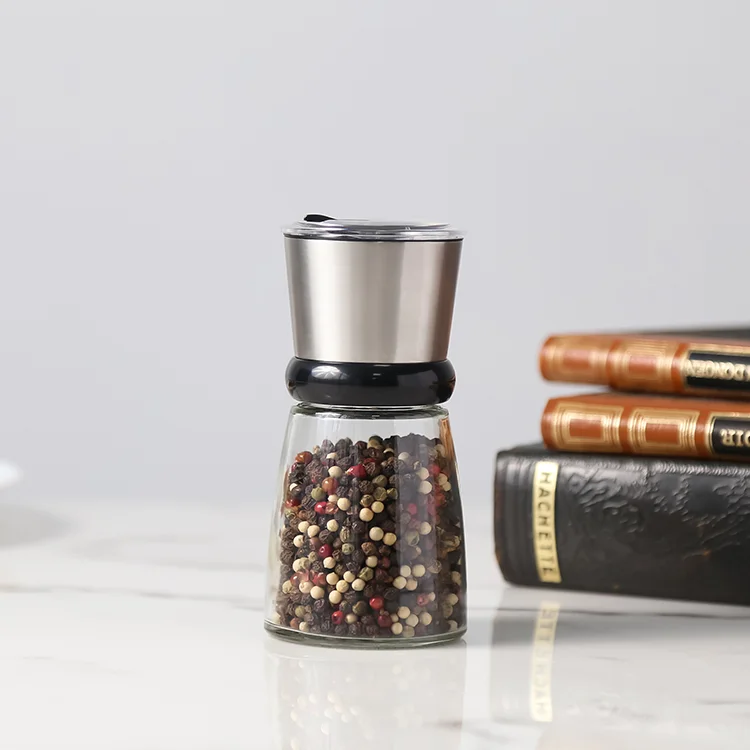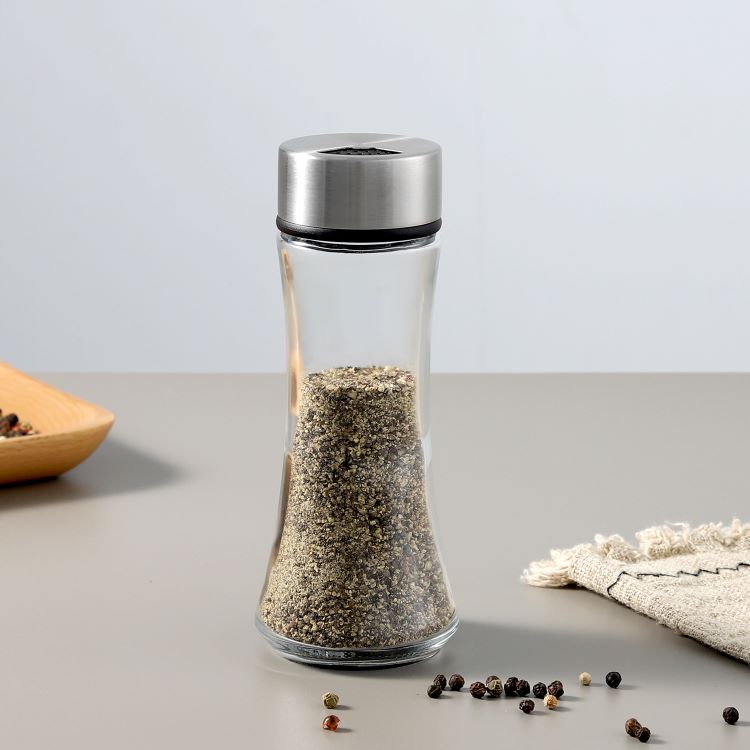
Salt grinders typically cease to function due to several common causes; typical issues include clogging—often resulting from moisture exposure, overfilling, or a lack of cleaning—as well as the wear or damage of internal components. ChefsHere is committed to utilizing high-quality materials, employing innovative designs, and providing user-centric solutions to ensure that its salt grinders are durable, easy to maintain, and consistently deliver exceptional performance over the long term.
Key Takeaways
- Keep your salt grinder dry and clean to prevent most issues. Use dry, coarse salt and keep the grinder in a dry spot to stop this from happening.
- Regular cleaning helps extend the life of your grinder. Clean it once a month if you use it a lot. Clean it every three months if you do not use it much.
- If your electric grinder stops, check the batteries and power. Make sure the batteries are new and put in the right way.
- Put your grinder together the right way to stop jams. If any part feels too tight, loosen it so it works smoothly.
- Watch for rust or a metal taste to know when to get a new grinder.
Common Issues and Solutions for Salt Grinders
Salt grinders make food taste better, but they can stop working.
Salt Grinder Clogging
Clogs happen when salt gets stuck inside the grinder. This is a big problem in kitchens with a lot of moisture or when using the wrong salt. The table below shows why clogs happen and how they start:
| Cause of Clogging | Description |
|---|---|
| Moisture Buildup | Makes salt stick together and block the grinder. |
| Overfilling | Too much salt blocks the grinder’s parts. |
| Lack of Regular Cleaning | Old bits and moisture build up and cause clogs. |
| Fine Powder Buildup | Tiny pieces slowly block the grinder. |
| Leftover Bits from Previous Grinds | Old bits get in the way of grinding. |
Salt grinders break a lot because some salts pull in water. These lumps block the grinder. Humid air and keeping grinders near heat can make clogs worse. Wet salts, salts with lots of water, and Himalayan salt clog more often. Sea salt does not stick as much and works better in most grinders.
Worn or Damaged Parts of the Salt Grinder
Salt grinders have moving parts that can wear out. Ceramic grinders last longer than steel ones. Ceramic burrs do not rust or break down, even with different salts or in wet kitchens. They keep grinding salt well for years. Steel burrs can get damaged faster, especially if it is damp. ChefsHere uses ceramic parts in many grinders to make them last longer and need fewer repairs.
If your grinder stops, look for cracks or broken parts. Change old parts if you can. If your grinder has ceramic burrs, it should last longer and work better.
Battery and Power Problems
Electric salt grinders need power to work. The most common battery and power problems are:
- Water makes salt clump and blocks the motor.
- Batteries run out or are put in wrong.
- USB-C charging does not work in rechargeable grinders.
- Clogs make the motor slow or stop.
Some grinders use AA or AAA batteries that need changing. Rechargeable grinders use USB-C and do not need new batteries. Always check if the batteries are fresh and in the right way. If the grinder will not turn on, look for clogs or jams inside.
Over-Tightening and Assembly Errors
Sometimes people put their grinder together too tight. This can press the grinding parts together and stop them from moving. If your grinder is stuck, loosen the top or cap a little. Make sure all the parts fit the right way. If the grinder is not put together right, it may not work.
ChefsHere makes grinders that are easy to put together and adjust. Their design helps people avoid mistakes when setting up. Always read the instructions that come with the grinder to stop assembly problems.
If you know these common problems and fixes, you can keep your salt grinder working and enjoy fresh salt every day.
Troubleshooting Salt Grinder Not Working

Most salt grinder issues are easy to fix. Take things step by step to find out what is wrong. ChefsHere makes grinders that are easy and safe to check.
Quick Checks
Check simple things first before taking the grinder apart. Many problems have easy fixes. Try these steps:
- Make sure there is salt inside the grinder.
- Check if the batteries are new and put in right. If your grinder charges, see if the battery is full.
- Look for anything blocking the opening or grinding part.
- If the grinder feels stuck, loosen the top or cap. Tightening too much can make it hard to use.
- Test the grinder with a little salt to see if it works.
Tip: Always use dry, coarse salt so your grinder does not get jammed or clogged.
Disassembly and Inspection of the Salt Grinder
If your salt grinder still does not work, take it apart and look inside. Here is how to do it safely:
- Find out if your grinder is manual or uses batteries.
- Turn off the grinder or take out the batteries.
- Twist off the top or bottom, depending on your grinder.
- Pour out any salt left inside to keep things clean.
- Carefully take out the grinding part from the main body. Use the user manual if you need help.
ChefsHere grinders have handles that are easy to hold and a simple way to refill. The big opening makes it easy to look inside and clean.
Fixing Clogs and Jams
If your salt grinder is not working, it might be clogged. Try these tips to fix a jam:
- Spread the salt on a baking sheet and let it dry. You can use a low oven to dry it faster.
- Put uncooked rice near the grinder overnight to soak up water.
- Leave the grinder in sunlight for a short time to dry it out.
- Do not fill the grinder too much to stop clogs.
- Clean out old bits before adding new salt and clean the grinder often.
Experts recommend cleaning your grinder regularly to keep it working well. Their grinders are easy to take apart, so you can clear out clogs fast.
Testing After Troubleshooting
After understanding the common causes, follow these steps to fix the issue. Put it back together, add a little dry, coarse salt, and try grinding. Listen to see if it sounds smooth and check if the salt comes out even. If it still does not work well, try the steps again or look for other problems like worn parts or power issues.
ChefsHere grinders have features that make fixing problems easier:
| Feature | Benefit for Troubleshooting |
|---|---|
| Simple refill system | You can add salt without taking it all apart |
| Large container neck | Big opening makes it easy to check and clean |
| Large capacity | You do not have to refill often, so fewer clogs |
| Ergonomic handles | Easy to hold when using or cleaning |
| Disassembly for clogs | You can get to the grinding part quickly |
| Replacement guidance | Tells you when to change old parts |
Note: Clean your grinder often and store it right to stop problems in the future.
Salt Grinder Cleaning and Maintenance Tips

Salt Grinder Regular Cleaning Procedure
Cleaning your salt grinder often helps it work well. It also stops clogs from happening. ChefsHere says you should clean all grinders to get rid of old salt and keep them from jamming. Always take out all the salt before you clean. This keeps salt from sticking inside and makes sure flavors stay fresh.
Here is an easy cleaning routine:
- Take apart the grinder by unscrewing the top and separating the pieces.
- Wash the parts you can remove with warm water and mild soap.
- Wipe the inside with a damp cloth to clean out salt.
- Use a small brush to reach tight spots and stubborn salt bits.
- Let every part dry fully before putting the grinder back together.
- Do not use white vinegar because it can leave bad tastes.
To clean the grinding part once a month if you use it daily or weekly. If you use it sometimes, clean it every three months. If you use salt mixes or your kitchen is damp, clean it more often.
Choosing the Right Salt
Picking the right salt makes cleaning easier and keeps your grinder working well. Bigger, dry salt crystals are best. Grinder salt, also called mill salt, flows easily and does not clog the grinder. Fine or wet salts can build up and need more cleaning.
Proper Storage
Storing your grinder the right way keeps it safe and means less cleaning. Keep the grinder in a cool, dry place away from heat and water. Use lids or seals that keep out moisture and keep salt fresh. If you live where it is humid, put the grinder in a sealed container for extra safety.
When to Repair or Replace a Salt Grinder
Signs It’s Time to Replace Your Salt Grinder
Salt and pepper grinders work best when they stay clean and strong. Sometimes, a grinder shows signs that it needs to be replaced. People can look for these signs to decide if their salt and pepper grinders are still safe to use.
| Indicator Type | Description |
|---|---|
| Visual | Orange or brown spots on the grinding teeth show rust. Fine orange dust in the salt means corrosion. |
| Taste | A metallic or bitter taste in ground salt means the grinder is shedding particles. |
| Texture | Grinding feels stiff or uneven. Salt comes out in clumps or not at all. |
People may also notice these warning signs:
- Orange or brown residue in the salt.
- The grinder feels hard to turn.
- Salt tastes metallic or bitter.
If these problems appear, the grinder may not be safe for food. Using a corroded grinder can add metal to the salt. ChefsHere recommends replacing any grinder that shows these signs. Their salt and pepper grinders use ceramic parts that resist rust and last longer.
Simple Salt Grinder Repair
Some problems with salt and pepper grinders are easy to fix. People can try these steps before buying a new grinder:
- Clean the grinder with a brush to remove old salt.
- For stainless steel parts, soak them in a mix of vinegar and water.
- For aluminum parts, boil them with cream of tartar or lemon juice.
- Dry all parts fully before putting the grinder back together.
Tip: Regular cleaning keeps salt and pepper grinders working well and stops clogs.
People should avoid using water on the grinder unless cleaning metal parts. They should choose grinders with ceramic mechanisms for better durability. Adjustable coarseness features make grinding easier and more flexible.
If a grinder still does not work after cleaning and checking, it may be time to repair or replace it. ChefsHere’s salt and pepper grinders offer strong materials and support.
FAQ
Why does salt sometimes get stuck in the grinder?
Salt can clump together when exposed to moisture. This causes blockages inside the grinder. Using dry, coarse salt and storing the grinder in a dry place helps prevent this problem.
Can users put any type of salt in a salt grinder?
Not all salts work well in grinders. Coarse, dry salt crystals grind best. Fine or damp salts may clog the mechanism. ChefsHere recommends using grinder salt or sea salt for smooth operation.
How often should someone clean a salt grinder?
Cleaning once a month keeps the grinder working well. In humid kitchens or with frequent use, clean more often. Always let all parts dry before reassembling.
What should someone do if the grinder stops working suddenly?
- Check for clogs or jams.
- Inspect the batteries or power source.
- Make sure all parts fit correctly.
- Try grinding a small amount of salt to test.
Does ChefsHere offer support for troubleshooting or replacement?
| Support Type | How to Access |
|---|---|
| Troubleshooting | User manual, online guides |
| Replacement Help | Contact customer service |
| Warranty | Up to 10 years coverage |