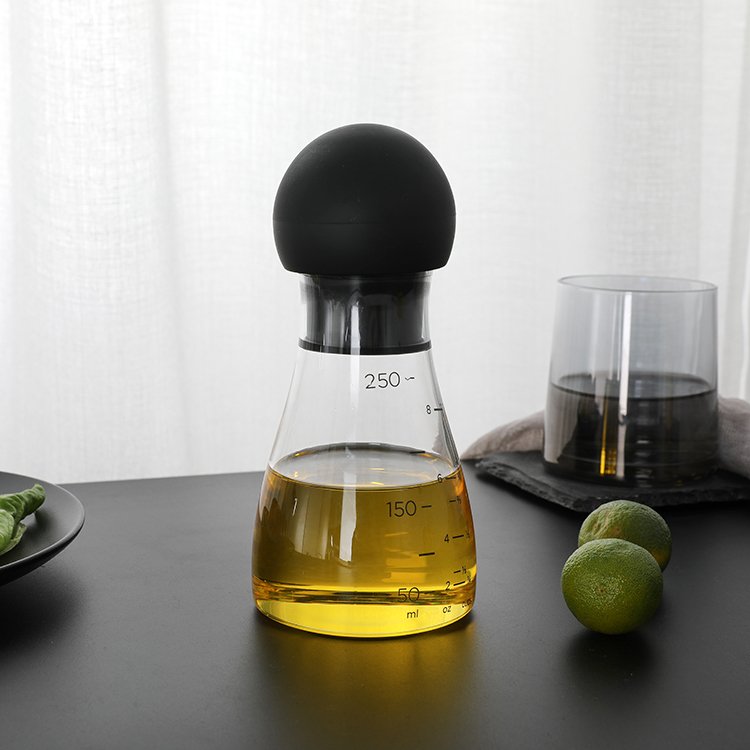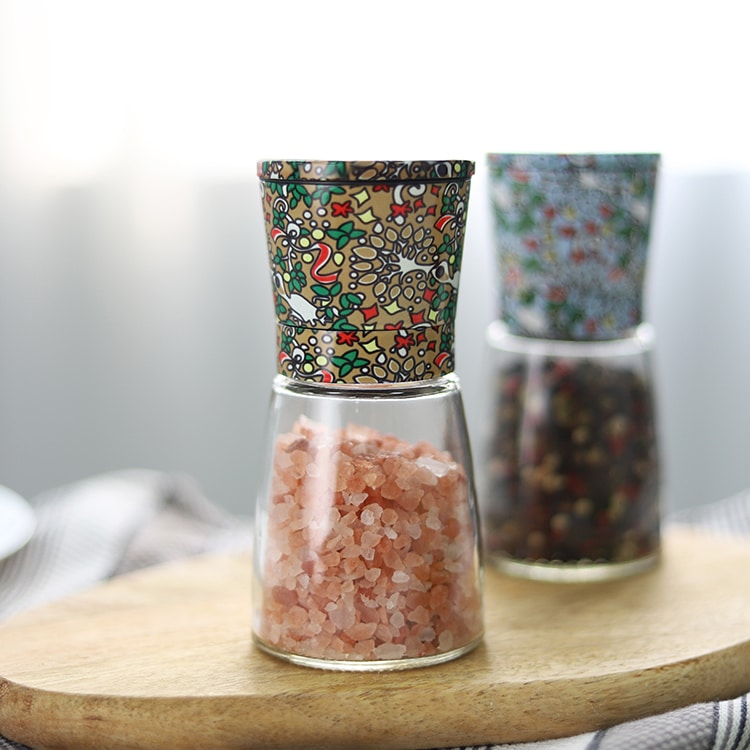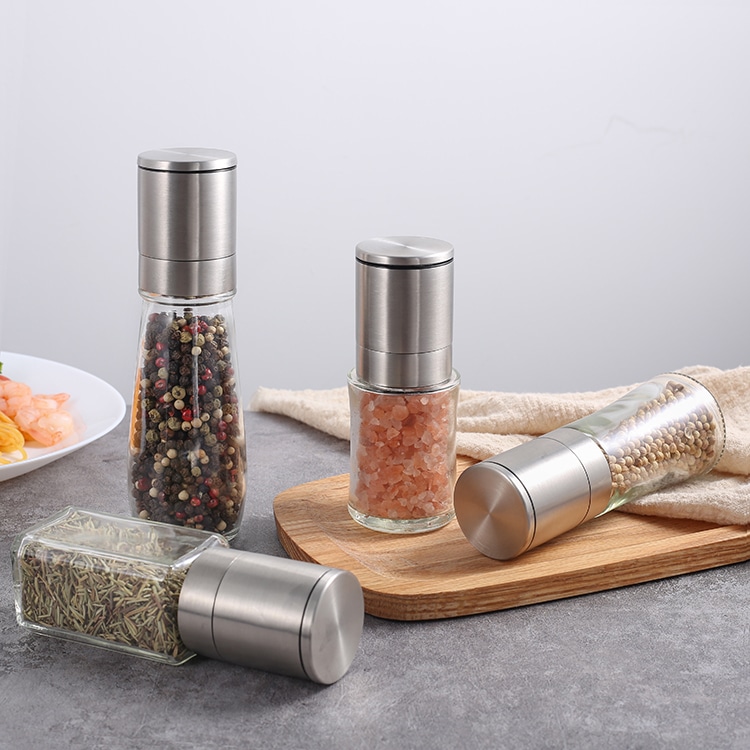
While Himalayan pink salt and pickling salt may look similar in a salt and pepper grinder, pickling salt contains sodium nitrite, an ingredient that helps prevent the growth of harmful bacteria such as Clostridium botulinum during the pickling process. Himalayan pink salt, primarily used for seasoning, contains only sodium chloride and trace minerals, and contains no nitrites or nitrates. Using the wrong salt when pickling meat can lead to serious food safety risks. Understanding the differences between pickling salt and Himalayan salt helps home cooks choose the right salt to ensure the safe preservation of meat and everyday cooking.
Key Takeaways
- Curing salt has sodium nitrite. This stops bad bacteria in meat. Pink Himalayan salt does not have these nitrites. So, it is not safe for curing meat.
- If you use pink Himalayan salt instead of curing salt, you can get sick. You might get food poisoning like botulism. Always use the right salt to keep meat safe.
- Curing salt makes meat safe to eat. It also makes the color and taste better. Pink Himalayan salt is good for adding flavor to finished dishes, especially when freshly ground with a salt grinder or pepper grinder, but not for curing meat.
- If you do not have curing salt, you can try natural options. Celery juice or vegetable-based nitrites are good choices. These can cure meat safely. Regular salt cannot do this.
What is curing salt?
Definition and purpose
Curing salt is a special salt that helps keep meat safe. It has sodium nitrite or sodium nitrate mixed with table salt. The main job of curing salt is to stop bad bacteria from growing in meat. Sodium nitrite makes cured meats look pink and taste different. It also helps meat last longer without going bad.
Curing salt is different from regular salt. It has extra things that help protect food from harmful bacteria.
The table below lists the main things about curing salt:
| Characteristic | Description |
|---|---|
| Primary Components | Sodium nitrite (6.25% in Prague #1), sodium chloride (93.75%), sometimes sodium nitrate (in Prague #2) |
| Culinary Function | Bacterial inhibition, color stabilization, flavor development |
| Key Role | Inhibits Clostridium botulinum, contributes to color and flavor of cured meats |
Types of curing salt
There are two main kinds of curing salt used for food. Each kind has its own use and recipe.
| Type | Composition | Use Case | Applications |
|---|---|---|---|
| Prague Powder #1 | 6.25% sodium nitrite, 93.75% sodium chloride | Short-term cures (up to 30 days) | Bacon, corned beef, hot-smoked sausages, jerky |
| Prague Powder #2 | 6.25% sodium nitrite, 4% sodium nitrate, 89.75% sodium chloride | Long-term dry-cured meats (months of aging) | Salami, prosciutto, soppressata, bresaola |
Prague Powder #1 is best for meats that cure fast, like bacon or jerky. Prague Powder #2 is for meats that need to age for a long time, like salami or prosciutto.
Why curing salt is used
Curing salt is important for keeping food safe. It helps protect people from a sickness called botulism. Botulism is caused by a bacteria called Clostridium botulinum. This bacteria can grow in meats that are stored without air, like canned or vacuum-packed meats.
- Curing salt lowers the chance of botulism in cured meats.
- Sodium nitrite stops Clostridium botulinum from making toxins.
- The germ-fighting power of curing salt keeps meats safe, especially in moist, protein-rich foods.
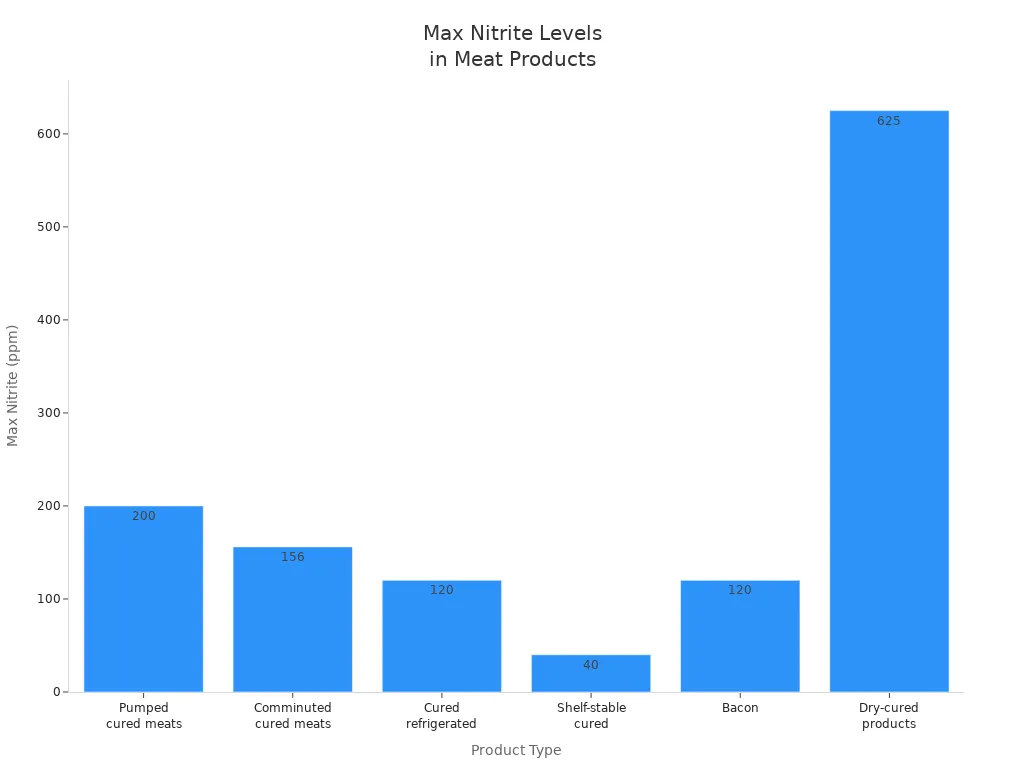
Laws set limits on how much curing salt can be used in meats. These rules help make sure food is safe for everyone.
What is pink Himalayan salt?
Origin and composition
Pink Himalayan salt comes from old salt mines in the Himalayas. Most of these mines are in Pakistan. Workers dig out the salt by hand. The salt is usually found in big, pink crystals. The pink color is from a little iron oxide.
Table salt is almost all sodium chloride. Pink Himalayan salt has other minerals too. These minerals are iron, calcium, magnesium, and potassium.
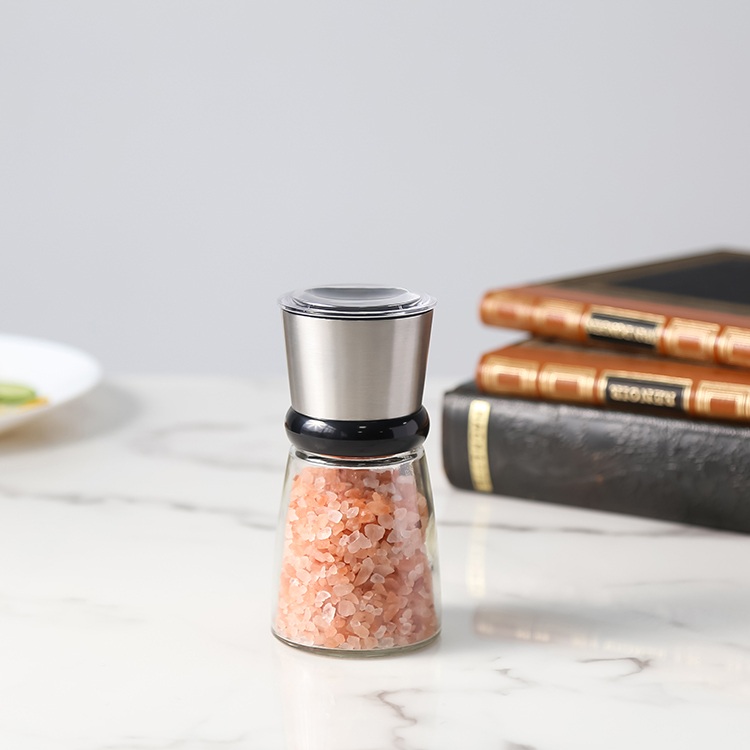
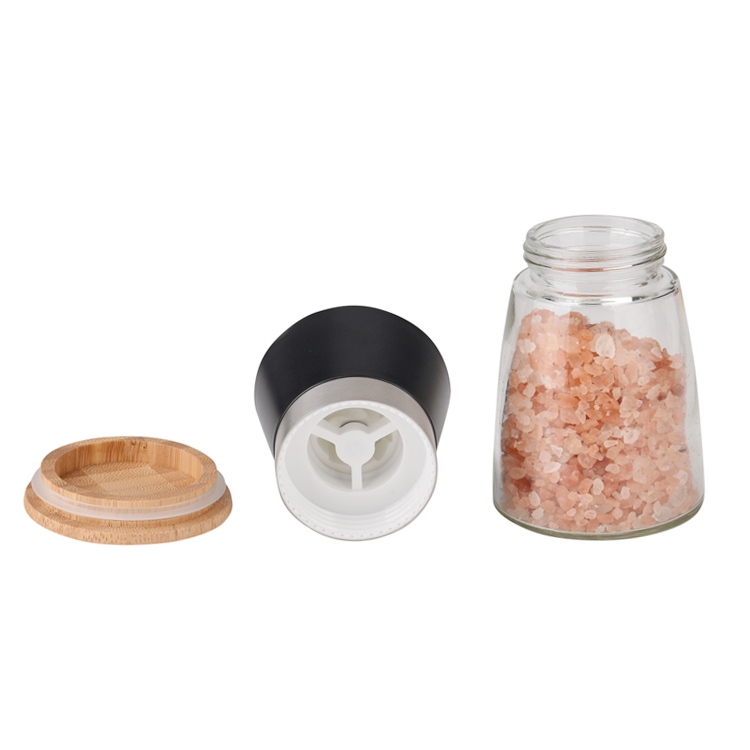
The minerals make pink Himalayan salt look and taste special. Many home cooks like to use coarse Himalayan salt crystals in a electric salt and pepper grinder, which allows them to grind fresh salt directly onto food for better flavor control. However, these minerals do not make it suitable for curing meat.
The table below shows how the minerals are different:
| Salt Type | Composition |
|---|---|
| Pink Himalayan Salt | 95-98% sodium chloride, 2-4% polyhalite, trace minerals (iron, calcium, magnesium, potassium) |
| Table Salt | Almost pure sodium chloride |
The minerals make pink Himalayan salt look and taste special. But these minerals do not make it good for curing meat.
Common uses in cooking
Cooks use pink Himalayan salt for its taste and color. They sprinkle it on food or use it to finish dishes. Sometimes, people serve food on salt plates. Some even make tequila shot glasses from the salt. The salt’s soft taste and pretty color are why it is popular.
- Flavoring food
- Serving dishes and cooking on salt plates
- Crafting tequila shot glasses
Why it’s confused with curing salt
Many people think pink Himalayan salt and curing salt are the same. This is because both are pink. But only curing salt has sodium nitrite. Sodium nitrite keeps meat safe from bad bacteria. Pink Himalayan salt does not have nitrites or nitrates. If you use it instead of curing salt, the meat can be unsafe.
Himalayan salt has small amounts of minerals and a light taste, but no sodium nitrite. If you use it instead of Prague Powder #1, the meat will not be safe. It will also look gray and taste plain.
Some people think all salts are the same. Others believe pink Himalayan salt is extra healthy. Science does not prove these health claims. People should always use the right salt for the right job. This is very important when saving meat for later.
Pink Himalayan salt vs curing salt
Ingredients and color
Pink Himalayan salt and curing salt look alike, but they are not the same. Their ingredients and colors are different. Curing salt is mostly sodium chloride. It also has a little sodium nitrite. Makers add pink dye to curing salt. This helps people not mix it up with table salt. Pink Himalayan salt is mostly sodium chloride too. But it has small amounts of iron, magnesium, and potassium. Its pink color is natural. The color comes from iron oxide and other minerals in the mountains.
| Type of Salt | Main Ingredients | Color Description |
|---|---|---|
| Pink Curing Salt | 93.75% sodium chloride, 6.25% sodium nitrite | Dyed pink with food-grade red dye for safety |
| Himalayan Pink Salt | 95-98% sodium chloride, trace minerals | Natural pink color due to iron oxide and other minerals |
Function in food preservation
Curing salt is important for keeping meat safe. Sodium nitrite in curing salt stops bad bacteria from growing. One kind of bacteria is Clostridium botulinum. This bacteria can cause a sickness called botulism. Nitrites also help cured meats stay pink and taste better. They work as antioxidants. This means they slow down spoilage and help meat last longer.
- Nitrite in curing salt keeps meat safe from botulism.
- Nitrite makes cured meats pink and gives them flavor.
- Nitrite helps meat stay fresh by slowing spoilage.
Pink Himalayan salt does not have nitrites or nitrates. It cannot stop harmful bacteria. People use it to season food or add at the end. It is not used to keep food safe for a long time.
Safety differences
Mixing up pink Himalayan salt with curing salt is dangerous. Only curing salt can stop bacteria that cause botulism. If you use pink Himalayan salt instead, the meat will not be safe. The meat can spoil, turn gray, and taste plain. Eating meat that is not cured right can make you very sick.
Always use curing salt to keep meat safe. Do not use pink Himalayan salt or regular salt instead.
Risks of substituting pink Himalayan salt
Food safety concerns
If you use pink Himalayan salt instead of curing salt, it can be very risky. Curing salt has nitrites or nitrates that keep meat safe from bad bacteria. Without these chemicals, bacteria like Clostridium botulinum can grow in the meat. This bacteria causes botulism, which is rare but very dangerous.
Food safety experts say nitrites are needed in the meat industry. Nitrites help cure meat faster and stop Clostridium botulinum from growing. Cured meats need at least 150 ppm of nitrite to help prevent food poisoning.
Pink Himalayan salt does not have nitrites or nitrates. So, it cannot protect meat from harmful bacteria. Pink Himalayan salt cannot stop bacteria in places with little air or lots of moisture.
- Nitrates help stop botulism by fighting bacteria in cool, wet, and low-oxygen places.
- Without curing salt, botulinum spores can grow, especially when meat dries slowly or sits in marinades.
- Pink Himalayan salt does not keep meat safe like curing salt does.
Health hazards
Using pink Himalayan salt instead of curing salt can cause health problems. Eating meat that is not cured right can lead to botulism. Botulism can make your muscles weak, make it hard to breathe, and can even cause death.
Other health risks from eating too much pink Himalayan salt include:
- High blood pressure, which can cause heart disease and stroke.
- Water retention and bloating, which can hide weight loss and cause swelling.
- Kidney strain, which is worse for people with kidney problems.
- Electrolyte imbalances, which can happen if you eat too much salt and not enough water or potassium.
- Feeling hungrier, which can make you eat more than you should.
What happens if you substitute
If you use pink Himalayan salt instead of curing salt, it can be dangerous. The meat will not have the protection it needs from bad bacteria. The chance of getting sick from the meat goes up a lot.
- Pink curing salt lowers the risk of botulism in cured meats, especially where there is not much air.
- Pink Himalayan salt does not stop germs like Clostridium botulinum.
- Using pink Himalayan salt instead of curing salt makes it more likely you will get sick from spoiled meat.
- Curing salt has sodium nitrite, which keeps meat safe, pink, and tasty. Pink Himalayan salt cannot do this.
- The main job of curing salt is to keep meat safe, not just to add flavor.
If you use pink Himalayan salt for curing, the meat may turn gray and taste plain. More importantly, the meat can become unsafe to eat. Food safety experts say only curing salt with nitrites or nitrates can protect against botulism and other foodborne sickness.
Safe alternatives to curing salt
When curing salt is unavailable
Sometimes, people cannot get curing salt at home or in stores. They may try other ways to keep meat safe. Food safety rules allow some approved choices. Some people use only salt, like sea salt, kosher salt, or Himalayan salt. This helps pull water out of meat. It works for some dry-cured meats, like prosciutto or pancetta. But using only salt does not stop all bacteria. It does not give the same safety as curing salt with nitrites.
Vegetable-based nitrites, like celery powder or celery juice, can help cure meat. These natural sources make nitrite when mixed with starter cultures. They work like regular curing salts and help keep meat safe.
Natural and commercial options
People can find natural and commercial products as alternatives to curing salt. Some natural options are:
- Celery juice or celery powder: These have natural nitrates that turn into nitrites during curing.
- Swiss chard extract: This vegetable-based product can also make nitrite.
- Salt-only curing: Sea salt, kosher salt, or Himalayan salt can dry and preserve meat, but do not protect against botulism.
- Beetroot powder: This adds color and flavor but does not make meat safer.
Commercial products often use vegetable nitrites. These products are labeled for meat curing and follow food safety rules.
Tips for home cooks
Home cooks should always use safe ways to cure meat. Never use regular salt or pink Himalayan salt instead of curing salt. These salts do not have nitrites or nitrates and cannot stop harmful bacteria.
Tip: Use a Salt and Pepper Grinder to season cooked meats or add flavor to dishes. Do not use it for curing or preserving meat.
The table below shows best ways to season meat safely:
| Best Practice | Explanation |
|---|---|
| Season Safely | Mix salt and pepper in a clean bowl to avoid contamination. |
| Don’t Recycle Used Marinades | Do not reuse marinades that touched raw meat. Prepare extra if needed. |
Always follow trusted recipes and food safety rules. If you are not sure, use products made for curing meat to keep food safe for everyone.
Food safety experts say only pink curing salt keeps meat safe from botulism. Pink Himalayan salt does not have nitrites, so it cannot protect meat. The table below shows how they are different:
| Feature | Pink Curing Salt | Himalayan Pink Salt |
|---|---|---|
| Composition | Sodium chloride + sodium nitrite | Mineral-rich cooking salt |
| Purpose | Prevents botulism, stabilizes color | General seasoning |
| Safety | Contains nitrite for safety | No nitrites/nitrates |
| Usage | Specific to meat curing | Not suitable for curing |
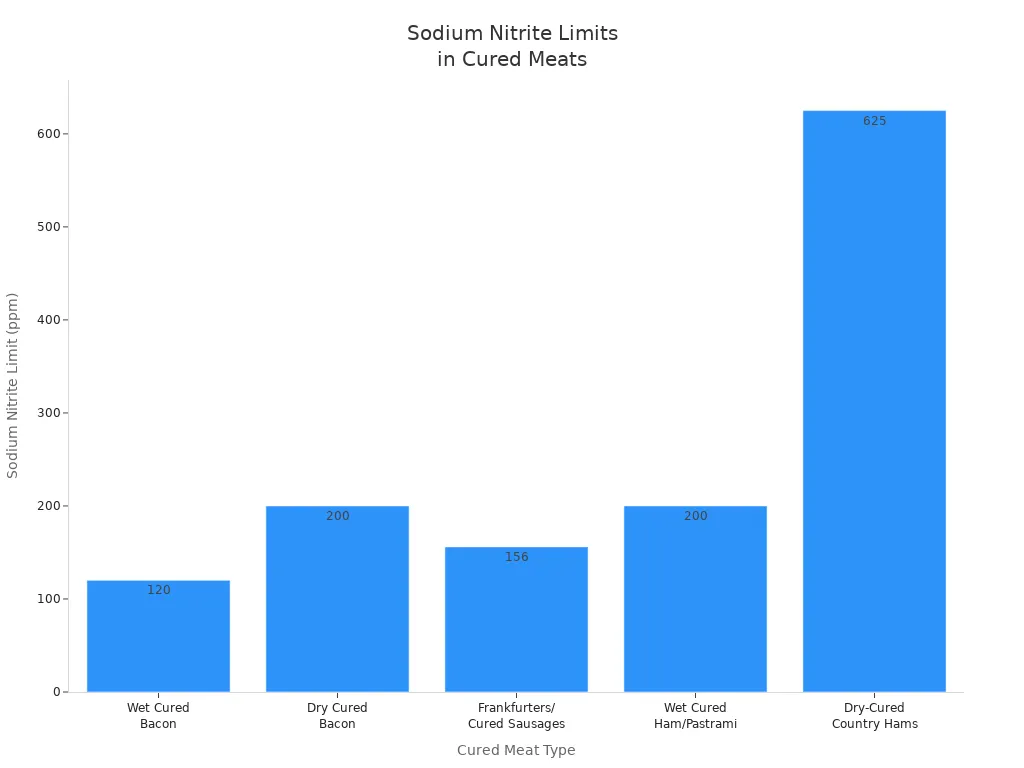
You should always use the right curing salt to keep meat safe. Following the rules helps stop people from getting very sick.
FAQ
Can pink Himalayan salt cure meat safely?
No, pink Himalayan salt cannot cure meat safely. It does not contain nitrites or nitrates. Only curing salt protects meat from dangerous bacteria like Clostridium botulinum.
Why do both salts look pink?
Curing salt gets its pink color from added food dye. This dye helps prevent confusion with table salt. Pink Himalayan salt has a natural pink color from minerals like iron.
Is it safe to use a Salt and Pepper Grinder for curing?
A Salt and Pepper Grinder works well for seasoning cooked food. It does not make meat safe for curing or preservation.
What happens if someone eats meat cured with only Himalayan salt?
Eating meat cured with only Himalayan salt increases the risk of foodborne illness. Harmful bacteria can grow in the meat. This can cause serious sickness, including botulism.