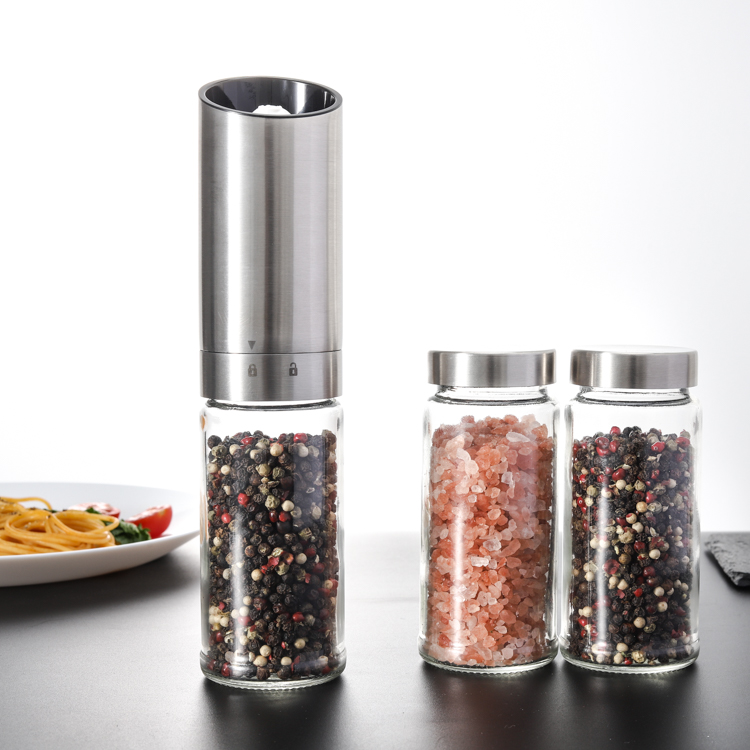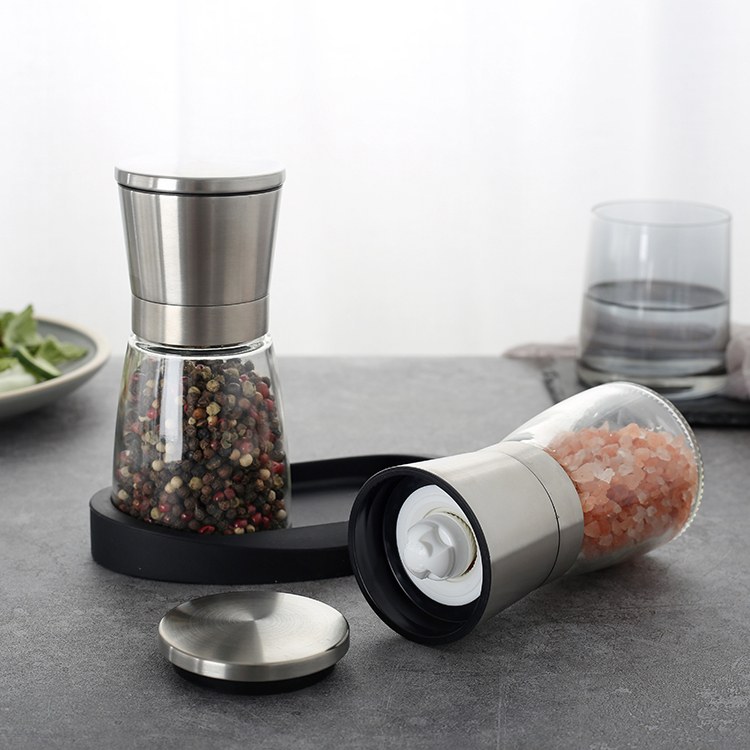
When a pepper grinder needs refilling, people often choose coarse, dry salt, such as sea salt, Himalayan pink salt, or kosher salt. The right salt helps the grinder work smoothly and enhances the flavor of food. Not all salts are suitable for a grinder—grain size and dryness are key factors.
Key Takeaways
- Choose coarse, dry salt, such as sea salt or Himalayan pink salt. These salts enhance the texture of food and prevent the grinder from getting stuck.
- Avoid using fine or wet salt, as they can damage the grinder and result in uneven flavors in food.
- Clean your grinder frequently to keep it running well. If used frequently, monthly cleaning is recommended.
- Experiment with different coarse salts to explore new flavors and make cooking more fun.
- Don’t overfill the grinder. Leave some space so the salt can move around and be ground properly.
Choosing Salt for Grinder
Grain Size Importance
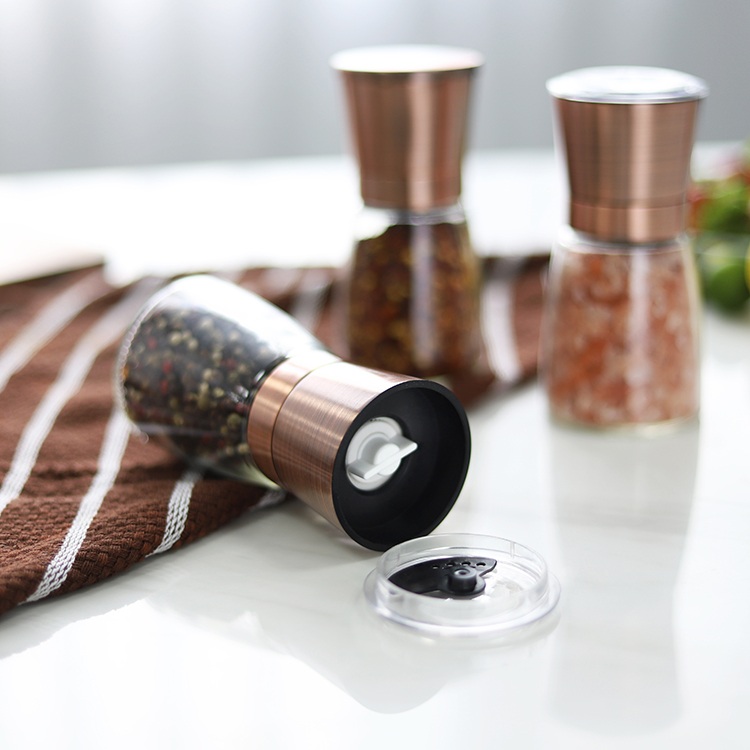
The size of the salt grains is crucial for a grinder. Larger, coarser salt grains pass through the grinder more easily. Smaller grains may slip through ungrinded, resulting in uneven textures and potentially damaging the grinder.
Most people choose coarse sea salt, Himalayan pink salt, or kosher salt to supplement their grinders. These salts have larger crystals and fit most grinders. ChefsHere grinders can use a variety of coarse salts, providing a refreshing taste and crisp texture.
Different salts contain different minerals, which affect their taste and nutritional value. The table below compares kosher salt, Himalayan pink salt, and sea salt:
| Type of Salt | Sodium in ¼ tsp | Source | Unique Characteristics |
|---|---|---|---|
| Kosher Salt | 480 mg | Either seawater or salt mines | Coarse and flaky; used for drawing blood from meat. |
| Himalayan Pink Salt | 383 mg | Khewra Salt Mine, Pakistan | Coarse; formed from ancient seawater under lava rock. |
| Light Grey Celtic Sea Salt | 480 mg | Coast of Brittany, France | Coarse and moist; grey color from trace elements; high mineral content. |
Dryness and Moisture Content
The dryness of the salt is also crucial. Damp salt clumps together, making it difficult to grind. It can also damage the metal parts inside the grinder.
Salt absorbs moisture from the air. This can cause metal parts to rust, especially steel grinding discs. Even if water doesn’t come into contact with the grinder, moisture will accelerate rusting. Using dry, coarse-grained salt helps extend the life of your grinder and keep it in good working order.
The Best Salt for Your Grinder Refill
Choosing the right salt for your grinder refill can change the texture and flavor of your food.
Coarse Sea Salt
Coarse sea salt is the most commonly used salt in grinders. Its large, coarse particles make it easy to grind and provide a rich flavor.
| Product Name | Manufacturer | Weight | Grain Size | Certifications | Origin |
|---|---|---|---|---|---|
| USA Himalayan White Coarse Salt 16 oz | USA Himalayan | 16 oz (1 lb) | Coarse Himalayan White | N/A | N/A |
| Sea Salt Superstore Coarse Sea Salt Refill Bag | Sea Salt Superstore | N/A | Coarse Grain | Kosher | N/A |
Coarse-grained sea salt is pure and natural, containing no additives. The larger grains are ideal for grinding with an adjustable grinder, resulting in a crunchy texture and rich in minerals. Chefs frequently use this salt to season meats, vegetables, and baked goods. Each type of sea salt has a unique flavor due to its varying mineral content.
Himalayan Pink Salt
Himalayan pink salt is another popular choice for grinder refills. This salt is known for its beautiful pink color and rich mineral content. Himalayan pink salt contains up to 84 trace minerals, including calcium, iron, magnesium, manganese, and potassium. These minerals give the salt a mellow mineral flavor and a hint of sweetness, while also making food healthier.
Chefs often use Himalayan pink salt to enhance dishes or season roasted meats. Its rich flavor makes it a highly sought-after premium salt for grinders.
Dry Rock Salt
Dry rock salt is also ideal for grinder refills. This salt comes from ancient underground deposits and is generally free of any added chemicals. The large, dry crystals are easy to grind and won’t clog the grinder. Dry rock salt is suitable for everyday cooking, providing a rich, pure salty flavor.
Both unrefined sea salt and dry rock salt contain natural minerals. These minerals enhance the flavor of food. Dry rock salt is best suited for those who want pure salt without added minerals or chemicals.
Coarse Iodized Salt
Coarse iodized salt crystals are larger and offer additional health benefits. Iodine is essential for thyroid health and helps prevent iodine deficiency. Coarse iodized salt is less common than fine iodized salt, making it more suitable for grinders used to grind larger salt particles.
| Health Benefits of Iodized Salt | Culinary Differences |
|---|---|
| Prevents iodine deficiency disorders | Non-iodized salts have unique flavors and textures |
| Essential for thyroid hormone production | Preferred in gourmet cooking for their coarser grains |
| Reduces risk of hypothyroidism and goiter | Iodized salt is highly refined, while non-iodized varies in processing |
Coarse iodized salt has a crisp, salty taste and dissolves easily in food, but it doesn’t have the same rich flavor as sea salt or Himalayan pink salt. It’s a good option for people who need to supplement their iodine intake.
Note: ChefsHere grinders can grind all of these salts and are suitable for any kitchen.
Flavor Variety and Mineral Content
Premium salts like coarse sea salt, Himalayan pink salt, and unrefined sea salt are more than just salty. The minerals they contain give them a variety of flavors, from crisp to sweet to rich. The best salt for your grinder refill depends on your preference and needs.
| Type of Salt | Flavor Notes |
|---|---|
| Kosher Salt | Clean and neutral, versatile for all-purpose use |
| Himalayan Pink Salt | Subtle mineral depth |
| Black Salt (Kala Namak) | Sulfurous, umami-rich note, popular in vegan and Indian cuisine |
| Infused Salts | Complex aromas and tastes from various infusions |
Choosing the right salt for your grinder can make your dishes more delicious.
Salts to Avoid Using in a Grinder
Fine Salt
Fine salt may seem convenient, but it’s not suitable for grinders. The tiny particles will simply pass through the grinder without being crushed. This means your food will be unevenly seasoned, and salt will be wasted. Over time, these tiny particles can also clog the grinder.
Fine salt absorbs moisture from the air and clumps together. These clumps can clog the grinder, preventing it from working properly.
The table below lists situations where different types of salt may cause rust or the addition of other substances:
| Salt Type | Corrosion Risk Description |
|---|---|
| Fine table salt | Lowest risk of rust in metal grinders, but still causes slow damage over time. |
| Himalayan pink salt | More likely to react with metal because of iron oxide, so it can damage faster. |
| Coarse sea salt/kosher salt | Big crystals wear down the grinder and hold more water, which can make damage worse. |
Wet or Moist Salts
Damp salt, such as fleur de sel or grey sea salt, is harmful to grinders. These salts contain moisture, and the crystals tend to clump together. Damp salt entering the grinder will clog the parts, causing the grinder to stop working.
Salt with high moisture content should never be put into a grinder. Even if your grinder uses rust-resistant ceramic parts, water is still a problem. Damp salt will clump together and clog the grinder.
Water is harmful to salt grinders. Store your salt grinder in a dry place, away from the stove or sink. Steam and humid air can cause the grinder to rust.
Water not only damages wood but can also seep into the grinder and come into contact with the grinding parts. Many grinders use metal or ceramic to grind salt and pepper. If water seeps in, the metal will rust, and the ceramic will become clogged. The grinder may not function properly.
To keep your grinder working well, always choose dry coarse salt. Avoid using damp salt or salt with added ingredients. This helps extend the life of your grinder and keep your food delicious.
Grinder Filling and Maintenance

Correct Ingredient Addition Steps
Adding the right ingredients to your salt or pepper grinder helps prevent clogging and keeps the grinder evenly ground. Follow these steps for best results:
| Step | Description |
|---|---|
| 1 | Fill your grinder only about two-thirds full. |
| 2 | Leave space for the salt and pepper to move freely. |
| 3 | Check the material layer inside the mill; if it looks packed, remove some seasoning. |
After adding new salt, tumble the grinder a few times on a paper towel. This removes any clumps and helps the salt settle into the grinding mechanism. It also ensures a fine, even grind the first time.
Tip: Do not overfill the grinder. Leave some space for the salt or pepper to move and grind properly.
Cleaning and Maintenance Tips
Regular cleaning keeps the grinder running smoothly and keeps your seasonings fresh. The frequency of cleaning depends on how often you use it:
| Usage Level | Cleaning Frequency |
|---|---|
| Daily or Weekly Use | Once a month |
| Occasional Use | Every three months |
| Salt Mixes/Moisture | Clean more frequently |
To clean the grinder, unscrew the top screw, disassemble the grinder, and separate the parts. Wash the removable parts with warm water and mild soap. Wipe the interior with a damp cloth to remove any salt residue. Use a small brush to remove any remaining salt particles. Before reassembling the grinder, ensure all parts are completely dry. Avoid using vinegar, as it will leave a strong taste.
Performing a deep clean every few months can prevent salt buildup and keep food fresh. Always empty the grinder before cleaning. Store it in a cool, dry place to prevent moisture absorption. Using only dry, coarse salt helps extend the grinder’s lifespan and ensure it works better.
Choosing the right salt is crucial for the grinder. Coarse, dry salt, such as sea salt, Himalayan pink salt, and rock salt, is the best choice. Fine or wet salt can clog or damage the grinder. Regularly cleaning the grinder helps keep food fresh and promotes its proper function. ChefsHere grinders can use a variety of coarse salts. They are also easy to refill and clean. The table below lists important things to consider when choosing a grinder:
| Feature | Benefit |
|---|---|
| Adjustable coarseness | Custom flavor control |
| Ergonomic design | Comfortable, easy use |
| Ceramic mechanism | Long-lasting, resists corrosion |
FAQ
What coarse salt is best for a grinder?
Coarse salt works best. It passes through the grinder smoothly without clogging the machine. Fine salt may leak through the grinder or cause uneven grinding.
Can I use seasoned or soaked salt in a grinder?
Seasoned or soaked salt often contains moisture or oil. These substances can clog the grinder. Always ensure the salt is dry and coarse before use.
How often should you clean a salt grinder?
If you use it daily, we recommend cleaning it monthly. If you use it less frequently, we recommend cleaning it every three months. This will keep the grinder running smoothly and prevent salt buildup.
Will using wet salt damage my grinder?
Wet salt can cause rust and clog the grinding parts. To keep your grinder in good condition, always use dry, coarse salt.