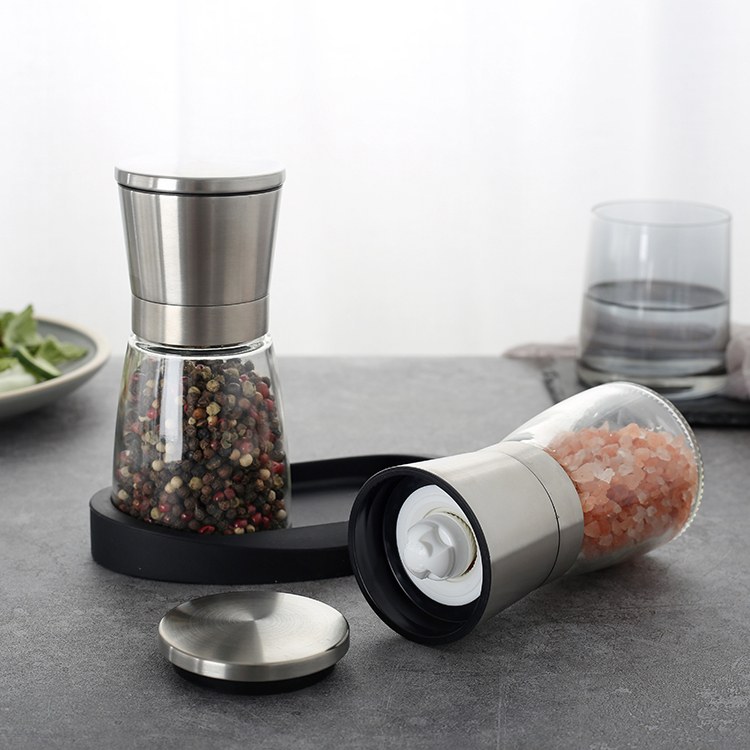
Coarse sea salt, kosher salt and Himalayan pink salt work best with automatic salt grinders, while fine or damp salt may disrupt operation and damage internal parts. ChefsHere manufactures sturdy automatic grinders tailored for these common coarse salt varieties. Per general kitchen appliance guidelines, always refer to the product manual before using specialty salts, as improper salt choices can cause clogging, accelerated wear or motor overload on electric grinders.
Key Takeaways
- Stick to dry, coarse salts including coarse sea salt, kosher salt and Himalayan pink salt for automatic grinders. Their particle size effectively reduces clogging and delivers consistent seasoning effects.
- Avoid fine salt, damp salt and blended flavored salts, as these will disrupt operation and shorten the grinder’s service life. Dry coarse salt is always the safest choice.
- Perform regular cleaning to remove accumulated salt residue. Proper daily maintenance keeps the grinder running stably for a long time.
Best Salt in Automatic Grinder
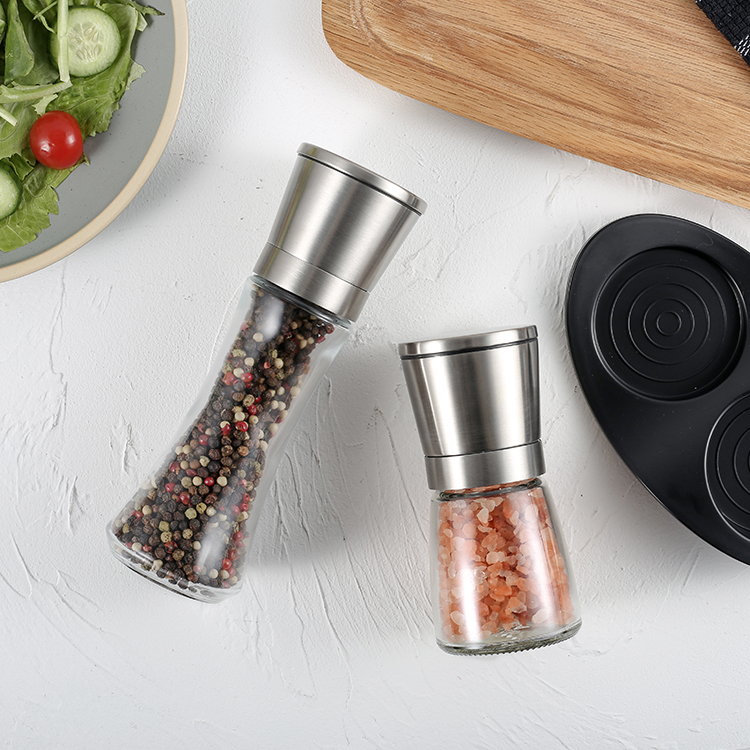
Selecting matching salt types ensures stable performance of automatic grinders. Per common kitchenware industry guidance, dry coarse salts are preferred for their low clog risk and steady grinding effect. Grinders such as ChefsHere are well-suited for these salt varieties for both household and commercial kitchen use.
Coarse Sea Salt
Coarse sea salt is highly compatible with automatic grinders. Its large, dry crystalline particles enable smooth grinding with minimal clogging. Equipped with sturdy ceramic or stainless steel grinding components, matched grinders work reliably with this salt. It delivers distinct texture and balanced saltiness, widely used by culinary practitioners for salads and steaks. Users can adjust grind coarseness to match different recipes.
Kosher Salt
Kosher salt is another excellent option for automatic grinders. Its large, dry flaky particles operate smoothly with standard grinding mechanisms, especially units with ceramic burrs, with low clog probability. Suitable grinders perform steadily with kosher salt for home and commercial use, and support adjustable grind levels.
Himalayan Pink Salt
Himalayan pink salt features hard, dry crystals that require grinders with durable ceramic burrs for stable operation. This salt contains natural trace minerals and unique flavor characteristics, with adjustable grind settings to fit diverse cooking scenarios in home and professional kitchens.
Other Suitable Salts
Besides the main varieties above, several specialty salts can also be used in standard automatic grinders. See the reference table below:
| Salt Type | Advantages |
|---|---|
| Flake Finishing Salts | Gentle grinders keep flakes from breaking too much. |
| Wet Salt | Special grinders with three-blade helix can grind packed salt. |
| Sea Salt | Big burr gaps stop clogs from wet salt. |
| Himalayan Pink Salt | Strong ceramic burrs crush big crystals well. |
When selecting salt for automatic grinders, prioritize dry and coarse varieties. Adjustable grind settings allow flexible use for different dishes. Electric grinders with ergonomic design support one-handed operation, adjustable coarseness and easy cleaning, suitable for multiple salt types in home and commercial kitchens.
Tip: Always use dry, coarse salt in your automatic grinder. This stops clogs and helps your grinder last longer.
Salts to Avoid in Automatic Grinder
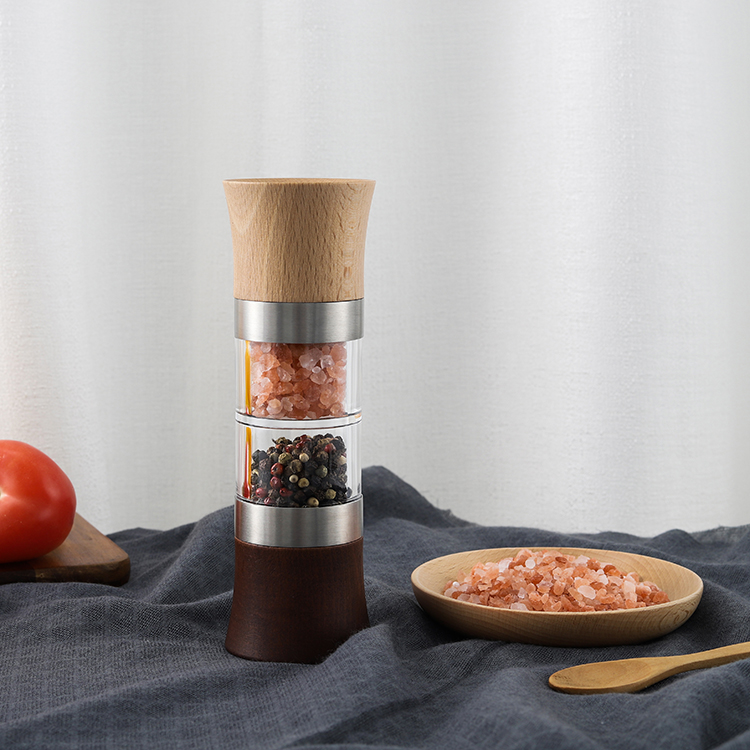
Incorrect salt selection will lead to grinder clogging, part wear and potential damage. Following general appliance use rules, the following salt types are not recommended for standard automatic grinders.
Table Salt
Table salt is very fine and powdery. It can block the grinder and make it hard to use. You might see:
- Salt building up inside, making the grind uneven.
- The grinder is hard to turn or use.
- Fine salt blocks the grinding parts.
- Moisture makes the salt stick together.
Cleaning helps a little, but table salt still causes problems. ChefsHere grinders work best with dry, coarse salt.
Moist or Wet Salts
Salts with high moisture content tend to clump and jam grinding mechanisms. Excess moisture also accelerates corrosion on metal components. Since salt easily absorbs ambient humidity, only fully dry salt is recommended for long-term stable grinder use.
Flavored or Blended Salts
Flavored or blended salts have herbs, spices, or oils. These things can block the grinder and leave sticky stuff inside. This buildup can change the taste of other spices and make cleaning harder.
Tip: Use only dry, coarse salts in your ChefsHere grinder. This stops clogs and keeps your grinder working well.
| Material | Corrosion Resistance | Suitable for Salt |
|---|---|---|
| Ceramic | Excellent | Yes |
| Stainless Steel | Moderate | No |
| Plastic | Good | Yes |
Maintenance for Salt in Automatic Grinder
Cleaning Tips
Regular cleaning extends the service life of automatic grinders. Models with ceramic grinding burrs and sealed structures simplify daily cleaning for home and commercial use. Refer to the standard cleaning steps for electric grinders below:
- Take out the batteries or unplug the grinder first.
- Unscrew the top and remove the coarseness knob.
- Use a soft brush to clean away salt dust and bits.
- Wipe the grinding parts with a damp cloth. If salt sticks, use some dish soap and dry well.
- Wash the spice chamber with warm, soapy water. Rinse and dry it before putting the grinder back together.
Tip: Check the user manual for cleaning instructions. Do not soak the grinder or motor in water.
Proper Storage
Storing your grinder the right way keeps it safe from water and rust. Manufacturers say to keep electric spice grinders in cool, dry places. Keep them away from heat and wet air. Use grinders with airtight lids to keep salt dry. In humid places, put the grinder in an airtight container. Dry the grinder well after cleaning to keep it working well.
Preventing Clogs and Corrosion
Salt easily absorbs moisture from the air, which leads to clumping and component corrosion. Grinders fitted with food-grade stainless steel and ceramic parts deliver reliable anti-rust performance and maintain stable grinding ability. Clean and dry the unit regularly to reduce residue, and adjust grind settings according to salt particle size for smooth operation.
Choosing proper salt types is the key to stable grinder performance. Fine and damp salts should always be avoided. Follow the tips below to prolong product life:
- Clean your grinder often so salt does not build up.
- Keep your grinder in a dry spot.
- Do not put too much salt in the chamber.
FAQ
Which type of salt is best for an automatic grinder?
Dry, coarse salt is best for grinders. Coarse sea salt, kosher salt, and Himalayan pink salt all help grinders operate efficiently and extend their lifespan.
Can I use wet salt in my grinder?
Wet salt can clog or cause rust in the grinder. To keep your grinder running smoothly and avoid damage, always use dry salt.
How often should I clean my grinder?
Clean your grinder every few weeks. Regular cleaning prevents salt buildup and helps the grinder operate efficiently for longer periods.