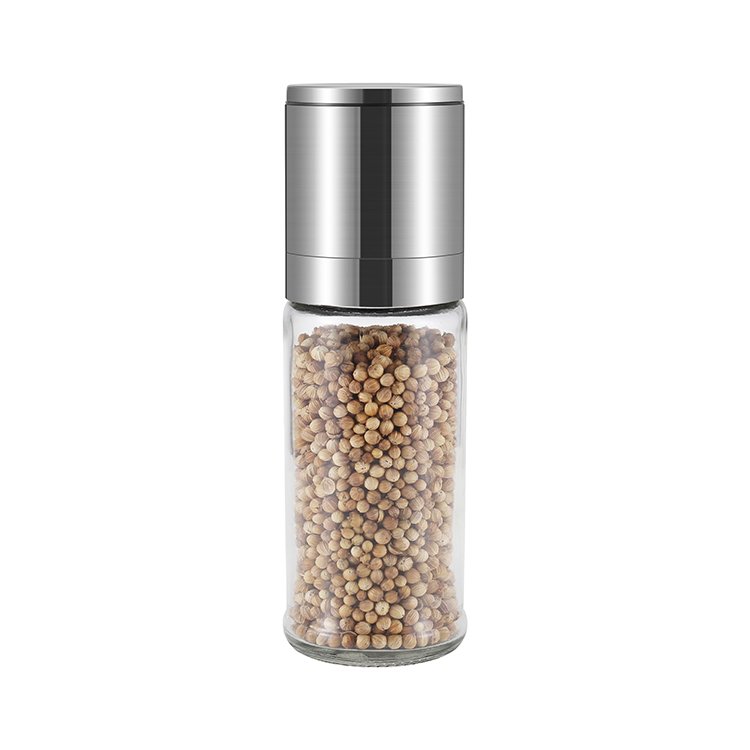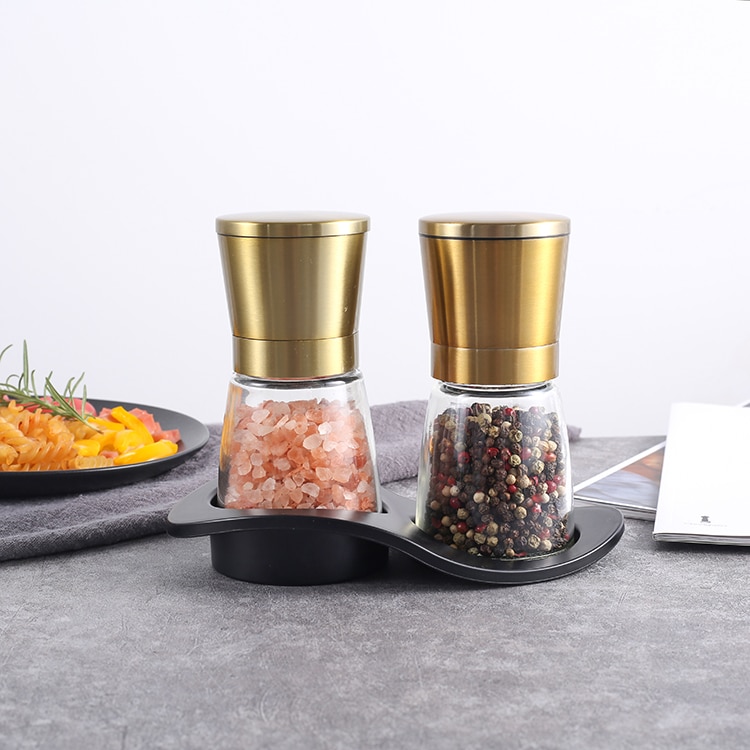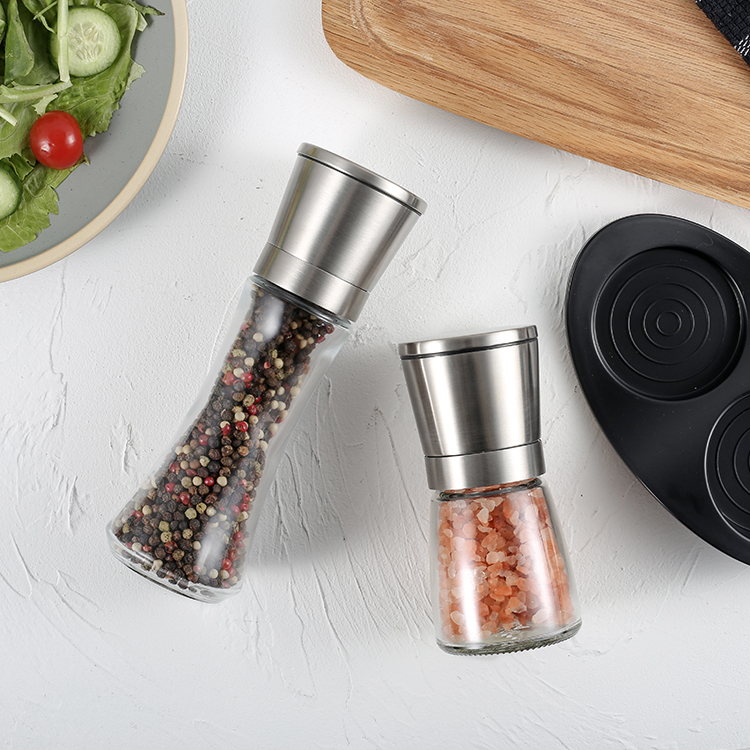
If you own a salt or pepper grinder, you already have one of the most underutilized tools in your kitchen. That ceramic or stainless steel mechanism on your countertop can do far more than crack peppercorns — it can grind whole spices, seeds, dried herbs, grains, and even dried mushrooms into fresh, vibrant seasonings that pre-ground supermarket jars simply cannot match.
Freshly ground cumin releases essential oils that begin degrading within 48-72 hours of pre-grinding. Toasted mustard seeds cracked through a burr grinder unlock a nuttiness that disappears in shelf-stable powders. And dried porcini pulverized into a fine umami dust can transform a weeknight soup into something memorable.
Key Takeaways
- Grind Size Matters: Coarse for spice rubs → medium for everyday seasoning → fine for sauces & marinades. Each ingredient fractures differently under burrs — test a small batch first.
- Ceramic vs. Stainless Steel: Ceramic = non-corrosive, ideal for salt, won’t rust but more brittle. Stainless steel = more durable for hard spices (cinnamon, star anise) but can corrode with damp salt over time.
- Clean Between Ingredients: Grind a small handful of uncooked white rice — it acts as a dry scrubber, absorbs residual oils, and leaves no lingering taste. For heavy use, disassemble and brush with a stiff dry toothbrush.
- What Destroys Your Grinder: Moisture (fresh garlic/ginger), high oil (flaxseeds/walnuts), extreme hardness (whole nutmeg/large rock sugar), fine powders (pre-ground spices clog burrs), and fibrous stems.
Spices for Your Salt and Pepper Grinder
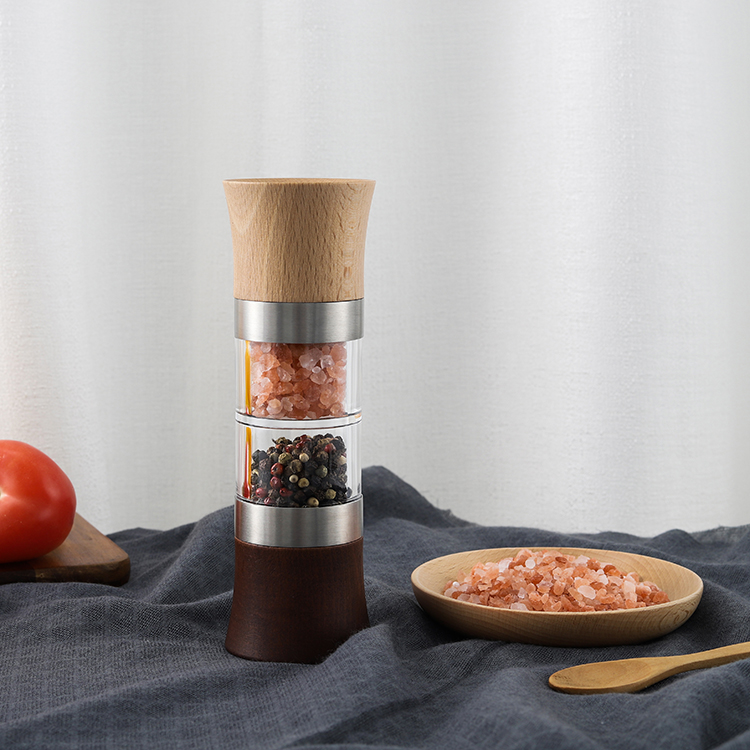
A salt and pepper grinder can do more than grind salt and pepper. Many cooks use their pepper mill to bring out flavors in other spices. This makes food taste fresher and more exciting. ChefsHere makes pepper grinders that work with many spices. These grinders are good for home and professional kitchens.
Whole Spices & Seeds — The Complete Grinding Guide
If you only try one category beyond salt & pepper, make it whole dried spices. Volatile oils begin degrading within 48-72 hours of pre-grinding. Grinding whole captures peak flavor at the moment of use.
| Ingredient | Ideal Grind | Best For | Pre-Grind Prep | Watch Out For |
|---|---|---|---|---|
| Black/White/Green/Pink Peppercorns | Medium-coarse | Universal seasoning; pink = delicate, white = fermented funk | Ready to grind | Tellicherry (larger berries) may need wider setting |
| Cumin Seeds | Fine to medium | Curries, chili, tacos, hummus, dry rubs | Toast in dry pan 30-60 sec; cool before grinding | Very aromatic; consider dedicated grinder |
| Coriander Seeds | Medium | Garam masala, pickling, sausage seasoning | Toast until fragrant, 45-60 sec | Round seeds bounce in burrs; pulse-grind |
| Mustard Seeds (Yellow/Brown/Black) | Coarse to medium | Homemade mustard, pickling spice, curry paste | Toasting deepens nuttiness | Brown/black = hotter; use sparingly |
| Celery Seeds | Fine | Coleslaw, potato salad, Bloody Mary rim | Toast briefly to intensify | Very small; may fall through wide settings |
| Fennel Seeds | Medium | Italian sausage, fish rubs, chai blends | Toast lightly | Naturally sweet; pairs with citrus zest |
| Sichuan Peppercorns | Medium-coarse | Mapo tofu, chili oil, dry-fry seasoning | Toast; remove black inner seeds | Numbing sensation volatile; grind immediately |
Dried Herbs: Rosemary, thyme, oregano, sage — when fully brittle, grind into instant powders that disperse evenly without “floaters.” Pulse-grind only: continuous grinding overheats and volatilizes delicate herb oils.
Beyond Spices — Unexpected Ingredients Your Grinder Can Handle
Dried Mushrooms (Shiitake, Porcini, Morel): The ultimate umami hack. Fully dried mushrooms pulverize into a fine powder that dissolves into soups, stews, pan sauces, and burger patties — no rehydrating needed. Shiitake = earthy depth; Porcini = rich, almost meaty; Morel = delicate nuttiness. Must be cracker-dry: any residual moisture will paste up inside the burrs.
Freeze-Dried Fruits (Strawberry, Raspberry, Blueberry, Mango): Grind into vibrant, intensely flavored dusts. Sprinkle on vanilla ice cream, fold into whipped cream, rim cocktail glasses, or dust over shortbread before baking. Unlike dehydrated fruit (which remains chewy), freeze-dried fruit shatters into powder. Clean grinder immediately — fruit sugars are hygroscopic and will gum up if left overnight.
Dried Citrus Peel (Lemon, Lime, Orange, Grapefruit): Zest peels, air-dry or low-oven-dry until brittle, then grind. The result is an aromatic citrus powder far more potent than bottled zest — use in dry rubs, tea blends, sugar cookies, or rimming salts. Unlike fresh zest, dried peel powder disperses evenly through dry mixes.
Dried Chili Peppers (Ancho, Guajillo, Chipotle, Arbol): Remove stems and seeds first (seeds add bitterness, not heat). Toast briefly in a dry pan until pliable, cool, then grind. Homemade chili powder has a smoky-fruity complexity that commercial blends lose after months on the shelf. WARNING: Wear gloves and avoid breathing the dust. Dedicate a separate grinder for chili — residual capsaicin will contaminate everything else.
Coffee Beans: Can be ground in a pinch, but not recommended as a permanent solution. Salt/pepper grinders produce an inconsistent particle size for coffee (brew methods demand uniformity). If you do grind coffee, you must use a separate, dedicated grinder. Coffee oils cling aggressively to burrs and will ruin the flavor of any spice ground afterward. The same applies to chocolate and cacao nibs.
Practical Tips for Grinder Use
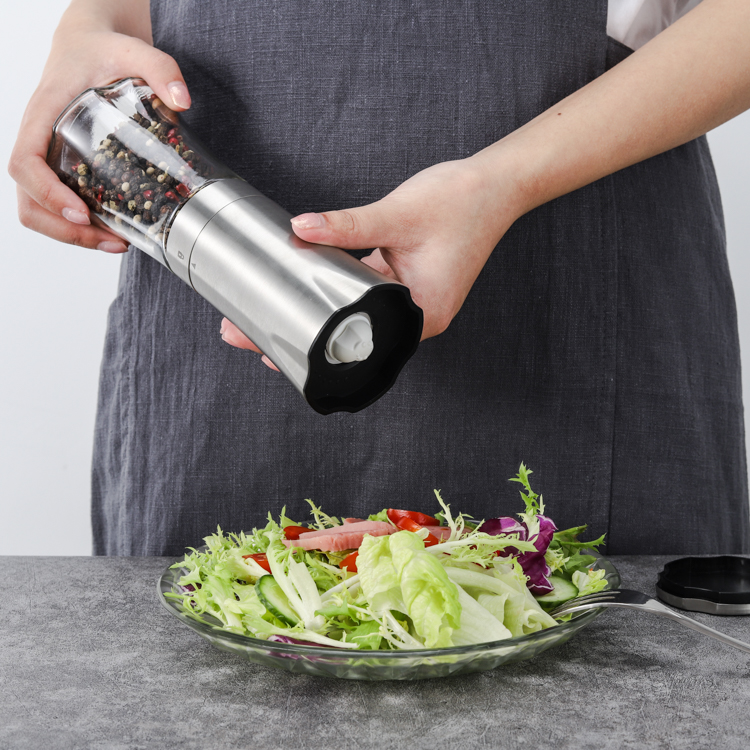
Choosing the Right Grinder for Multi-Purpose Grinding
| Feature | Ceramic Burr | Stainless Steel Burr | Carbon Steel Burr |
|---|---|---|---|
| Corrosion Resistance | Excellent — never rusts | Good — resists most spices; wet salt can cause pitting over years | Poor — rusts easily with salt; strictly for dry peppercorns only |
| Hardness/Durability | Brittle — can chip on very hard items (rock sugar, cinnamon sticks) | Very durable — handles hard spices well | Very durable — but limited to pepper due to corrosion |
| Odor Absorption | Low — non-porous | Low to moderate — can retain coffee oils | Moderate — retains oils |
| Best For | Salt, all dry spices, dried herbs, mushrooms | Peppercorns, hard spices (cinnamon, star anise), coffee | Black pepper exclusively |
| Avoid | Whole nutmeg, rock sugar, bones | Wet sea salts, damp ingredients | ANY salt, wet ingredients, acidic spices |
| Price Range | $15-60 | $20-80+ | $10-40 (typically in pepper-only grinders) |
Cleaning Protocol: 3 Methods Ranked by Effectiveness
| Method | Effectiveness | How to Do It | Best For |
|---|---|---|---|
| Rice Scrub | Good (removes oils & odors) | Grind 1-2 tbsp uncooked white rice; discard; repeat if needed | Quick flavor switches between similar spices |
| Bread Crumb | Moderate (absorbs oils) | Grind a small piece of dry bread; discard | Light residue between salt batches |
| Full Disassembly + Brush | Excellent (deep clean) | Disassemble per manual; brush burrs with dry stiff toothbrush; wipe body with dry microfiber; air-dry fully before reassembly | Strong flavors (coffee→spice / chili→anything else) |
Frequency: Rice scrub between major flavor switches; full disassembly monthly for heavy use or quarterly for occasional use. Never use water or soap unless manufacturer explicitly allows — trapped moisture rusts metal and swells wooden components.
What Will Destroy Your Grinder — The Definitive Don’t List
- Moisture (any form): Fresh garlic, fresh ginger, wet spices, damp salt — clogs burrs instantly, promotes rust, may grow mold.
- High-Oil Ingredients: Flaxseeds, sesame seeds in large batches, walnuts, almonds — coats burrs in sticky oil film that goes rancid.
- Extreme Hardness: Whole nutmeg, large rock sugar crystals, cinnamon sticks (unless pre-broken), dried galangal — can chip ceramic burrs or jam metal ones.
- Fine Pre-Ground Powders: Already-ground spices flow through without grinding but leave dust that cakes in the mechanism over time.
- Fibrous Materials: Fresh rosemary stems, lemongrass ends, bay leaves — tangled fibers jam the mechanism.
- Sticky/Sugary Items: Dried dates, candied ginger, caramelized anything — bonds to burrs and requires disassembly to remove.
FAQ
Can any salt and pepper grinder handle other spices — or do I need a special spice grinder?
Most quality salt and pepper grinders with ceramic or stainless steel burrs can handle dry whole spices (cumin, coriander, fennel, mustard seeds). However, dedicated spice grinders with blade mechanisms are faster for large batches. The key factor is adjustable grind size — if your grinder lets you switch from coarse to fine, you can use it for most dry spices. For hard items like cinnamon sticks, pre-break them into smaller pieces.
What’s the fastest way to clean my grinder between different spices?
The rice method is the fastest and most effective: grind 1-2 tablespoons of uncooked white rice, discard the ground rice, and your grinder is ready for the next ingredient. Rice acts as a dry abrasive that absorbs residual oils and odors. For strong flavors like cumin or chili pepper, repeat once. Never use water — moisture can rust metal burrs and swell wooden components. For a deep clean (monthly for heavy use), disassemble per your manual, brush burrs with a stiff dry toothbrush, and wipe with a dry microfiber cloth.
What foods can damage or ruin my salt and pepper grinder?
Avoid six categories: (1) Moisture — fresh garlic, ginger, wet ingredients; (2) High-oil — flaxseeds, walnuts, sesame seeds in bulk; (3) Extremely hard — whole nutmeg, large rock sugar, uncracked cinnamon sticks; (4) Fibrous — fresh herb stems, lemongrass, bay leaves; (5) Sticky/sugary — dried dates, candied ginger; (6) Already ground powders — pre-ground spices cake inside the mechanism. If an ingredient isn’t bone-dry and brittle enough to snap when bent, don’t put it in your burr grinder.