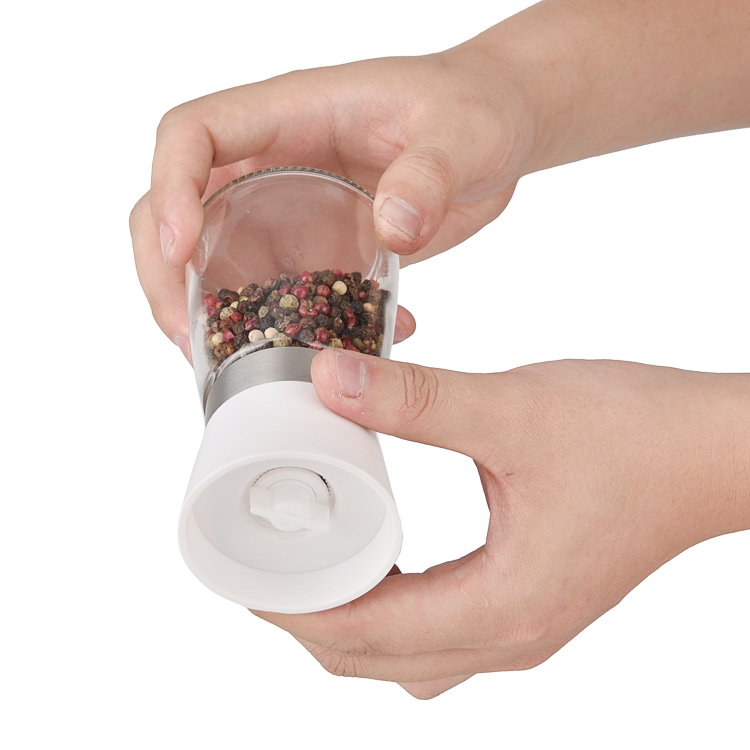
Anyone can unclog a salt grinder at home with simple tools. Warm water, a small brush, and a towel are all you need to easily remove stuck salt and grime. This method works for both manual and electric grinders, including the ChefsHere brand. It’s recommended to have these tools ready before you start. A quick clean ensures your grinder runs efficiently every day.
Key Takeaways
- Clean your salt grinder regularly with warm water and a small brush. This prevents clogging and keeps it in good working order.
- Store your grinder in a cool, dry place, avoiding moisture. You can put raw rice in the salt to absorb excess moisture.
- Choose coarse-grained natural sea salt. Fine-grained table salt is more likely to clog grinders due to its texture and added ingredients.
- When cleaning your grinder, disassemble it gently. Make sure each part is completely dry before reassembling. This prevents clogging later.
- Set a reminder to clean your grinder every two to four weeks. Regular cleaning extends the life of your kitchen appliance.
Why Salt Grinders Get Stuck
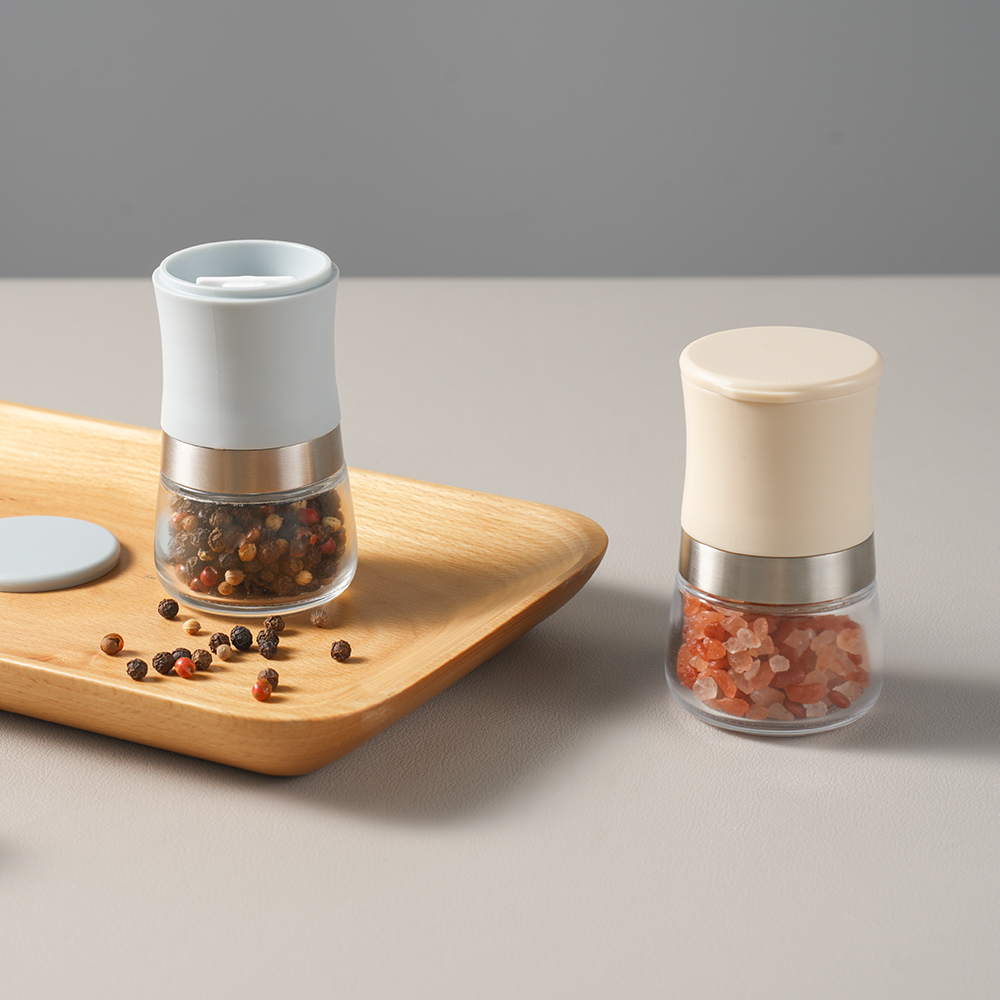
Salt grinders sometimes stop working for a few common reasons. Even high-quality brands like ChefsHere test the durability and performance of their grinders. However, certain factors can still cause clogging. Understanding these reasons will help users keep their grinders in top condition.
Moisture and Clumping
Salt absorbs moisture from the air. When humidity exceeds 75%, salt crystals begin to absorb moisture, forming a thin layer of brine on the surface of the salt. As the air dries, the brine clumps. These clumps can clog the grinder, making it difficult to turn. This can be prevented by adding a few grains of raw white rice to the salt. The rice absorbs excess moisture, keeping the salt dry.
Overtightening
Many users tighten the top of the grinder too much. This compresses the salt together, making the grinder difficult to work with. Overfilling the grinder also compacts the salt. Both of these conditions can cause the grinder to stop working. Users should fill the grinder to the recommended mark and avoid overtightening.
Incorrect Salt Type
Not all salts are suitable for grinders. Salt granules are very fine and often contain anti-caking agents. These agents can accumulate inside the grinder, causing blockages. Some types of salt may also contain microplastics or heavy metals during the mining process. Using coarse-grained natural sea salt is better for both the grinder and the environment. Salt produced using sustainable energy sources such as solar and wind power has a smaller environmental impact.
Mechanical Failure
Mechanical failure can also cause grinder blockages. If the grinder is not cleaned regularly, residual salt or spices can build up. Fine debris can get stuck in the grinding mechanism. ChefsHere grinders undergo rigorous quality testing, including lifespan, temperature resistance, and dishwasher durability testing. Regular cleaning helps prevent these problems and keeps the grinder running smoothly.
Tip: Regular cleaning and using the right salt can effectively prevent most blockage problems.
How to Unclog a Salt Grinder

Disassembling the Salt Grinder
First, disassemble the salt grinder. Check if your grinder is manual or electric. If electric, make sure the power is off. Hold the bottom firmly to prevent slipping. Depending on the grinder’s construction, remove the top or bottom. Unscrew the knob on the top and separate the individual parts. ChefsHere grinders are easy to disassemble, regardless of type. If the cap is stuck, use a rubber band to hold it in place. Do not use excessive force. Pour out any remaining salt to prevent spillage. Gently remove the grinding parts from the main body.
Washing with Warm Water
After disassembly, wash each part with warm water. For non-wooden parts, add a small amount of dish soap to the water. Clean the parts using a soft cloth or sponge. Quickly rinse the steel grinding parts to remove any residual salt or pepper. Wipe the transparent body with a mesh cloth, cleaning both inside and out. Rinse all parts thoroughly with running water to remove dish soap. Do not soak wooden parts, as water will damage them. ChefsHere grinders are made of durable materials and can be washed frequently.
Remove Debris with a Brush
Some salt may stick to the inside of the grinder or to its parts. Use a soft-bristled brush or an old toothbrush to remove any remaining salt. A soft-bristled brush works well for cleaning the ceramic grinding head. Clean all crevices and corners to remove any stuck salt. Wipe the internal parts with a damp cloth to remove any salt residue. Make sure each part is thoroughly cleaned before reassembling. This prevents residual salt from causing jamming or uneven grinding.
Dry and Reassemble
Before reassembling the grinder, make sure all parts are completely dry. Dry each part with a towel. Let the parts air dry for at least 30 minutes. If there is any remaining moisture inside, the salt may clump again. Once all parts are dry, reassemble the grinder in reverse order. Install the grinding parts, replace the top or bottom, and load in new salt. ChefsHere grinders are easy to assemble and therefore perform well. Try the grinder to ensure it works properly.
Salt and Pepper Grinder Troubleshooting and Repair
Remove Accumulated Moisture
Moisture can cause salt and pepper grinders to malfunction. If moisture remains inside the grinder, salt can clump and clog it. To solve this problem, always dry all parts thoroughly after each wash. Kitchen experts recommend the following steps:
- Make sure all parts are dry before reassembling.
- Lay the parts flat on a clean towel and place them in a well-ventilated area.
- If possible, let the parts air dry overnight in a well-ventilated area.
- Check for any remaining moisture, especially on steel parts, to prevent rust and mold.
Doing so helps prevent clogging and ensures the grinder works well. ChefsHere grinders are durable, but even the best grinders require careful maintenance to avoid moisture problems.
Freezing and Tapping Method
Sometimes, salt or pepper can get stuck and won’t move. To fix this, put the grinder in the freezer for 30 minutes. The low temperature will cause the parts to shrink slightly, helping to loosen the stuck salt. Once removed, gently tap the grinder with a towel. This will break up the clumps and unclog the grinder. Many people report that this method is very effective for stubborn blockages. ChefsHere states that this method applies to both manual and electric grinders.
Troubleshooting a Jammed Grinder
If the grinder is still jammed, try the following steps:
| Troubleshooting Step | Description |
|---|---|
| Adjusting the grind setting | Turn the knob to loosen if too tight. This can help free the grinding parts. |
| Tapping the grinder | Gently tap the body to dislodge clogs caused by spice buildup. |
| Regular cleaning | Use a soft brush after each use to prevent powder from clogging the mechanism. |
| Maintenance | Disassemble and clean if not used regularly to ensure smooth operation. |
Preventing Clogs
Regular Cleaning Tips
Salt grinders need frequent cleaning to work better. ChefsHere recommends cleaning your grinder every two to four weeks. This keeps the grinder clean and prevents clogging. Always use dry, uniformly sized salt and pepper. Wet or sticky substances can clog the grinder. Use a soft brush or cloth to wipe away old salt residue from the grinder parts. ChefsHere grinders are very durable, so you can clean them frequently.
| Cleaning Tip | Description |
|---|---|
| Use dry ingredients | Always use dry, uniform salt and pepper to prevent blockages in your grinder. |
| Regular cleaning schedule | Clean your grinder every two to four weeks to keep it fresh and prevent clogs. |
| Avoid moisture | Never use wet salt or pepper, as moisture can cause clogs and damage the grinding mechanism. |
| Proper storage | Store your grinder in a cool, dry place to prevent moisture-related damage. |
Choosing the Right Salt
Choosing the right salt helps your grinder work better. Coarse-grained natural sea salt is best for most grinders. Table salt granules are too fine and can easily clog the grinder. Some salts have added substances that can build up inside the grinder. ChefsHere recommends using high-quality, certified salt for best results. These salts grind easily and leave no residue. Always check your grinder’s instruction manual to find out which type of salt to use.
Proper Storage
Proper storage keeps your grinder in good working order. Store the grinder in a cool, dry place. Humid air can cause the salt to become damp and stick together. A cabinet or drawer away from the stove is ideal for storage. ChefsHere grinders are moisture-proof, but safe storage is more important. When not in use, cover the grinder. Regularly check for signs of dampness or salt residue to ensure the grinder is always ready to use.
Unclogging a clogged grinder is simple. First, disassemble the grinder. Clean each part carefully. Make sure all parts are dry before reassembling. Gently tapping the grinder upside down can help clear blockages. Adjusting the grinding settings can also resolve clogging issues. Use a brush to remove any stuck salt. Your ChefsHere grinder will work perfectly every day. Most problems can be easily solved at home. Anyone can keep their kitchen appliance in top condition.
FAQ
How often should I clean the salt grinder?
We recommend cleaning the salt grinder every two to four weeks. Regular cleaning keeps the grinder running smoothly and prevents salt from clumping inside.
Can I use any type of salt with the grinder?
Not all salts are suitable for the grinder. Coarse-grained natural sea salt works best. Fine-grained table salt or seasoned salt may clog the grinding mechanism.
What if the grinder still doesn’t work after cleaning?
If the grinder is still clogged, try adjusting the grinding settings or gently tapping it. If the problem persists, contact the manufacturer or consider replacing the grinder.
Can all parts of the ChefsHere grinder be washed in the dishwasher?
Most parts of the ChefsHere grinder are dishwasher safe. Always consult the user manual before washing. Do not put wooden parts or battery-operated parts in the dishwasher.
Why does salt sometimes leak from the bottom of the grinder?
Salt leakage can occur if the grinder is not properly sealed or if salt remains inside the grinding mechanism. Store the grinder upright and clean it frequently to prevent leakage.