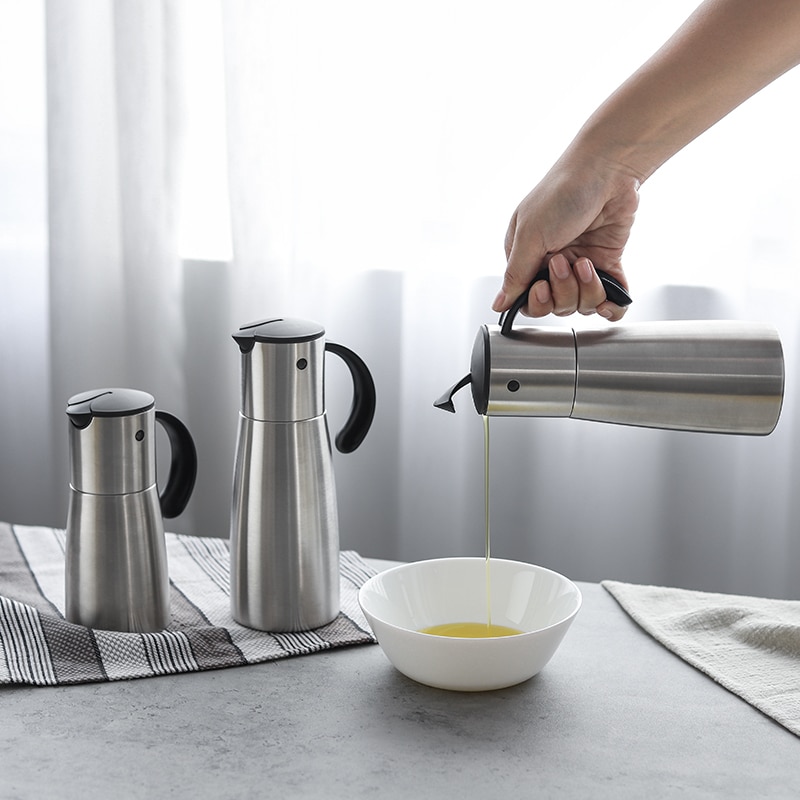
If an olive oil can is newly packaged and unopened, it can usually be stored for about a year.Once opened, the flavor and quality of the olive oil deteriorate rapidly, so it’s best to use it within a few months. Proper storage is crucial for maintaining the freshness of olive oil. Light, high temperatures, and air all shorten its shelf life. The different coatings used in oil and vinegar containers also play an important role in maintaining the safety and flavor of olive oil. Understanding how to properly store olive oil and how to tell if it has gone bad can help you enjoy higher quality olive oil.
Key Takeaways
- Unopened tin-canned olive oil can last up to a year. Once opened, use it within a few months for best flavor.
- Store olive oil in a cool, dark place, away from light, high temperatures, and air, as these factors accelerate spoilage.
- Tin Olive Oil Dispenser are ideal for storing olive oil. They isolate it from light and air, helping to maintain its quality and nutritional components.
- Always tighten the lid after each use. This helps maintain the freshness of the olive oil and prevents oxidation.
- Check for spoilage by smelling and tasting the olive oil. Fresh olive oil should smell fruity and taste smooth; if it smells musty or tastes bitter, it should be discarded.
Shelf Life of Olive Oil
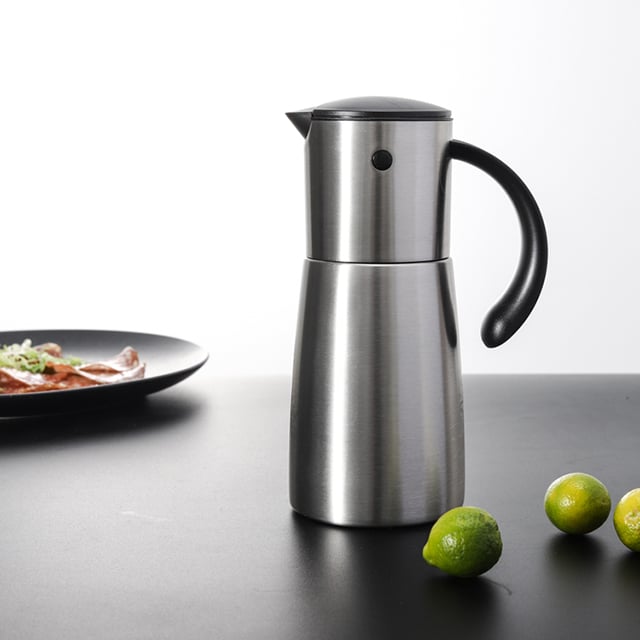
Unopened vs. Opened Tin Cans
The shelf life of olive oil depends on whether the can has been opened. If the can is new and sealed, olive oil can stay fresh for about a year. The oil is not exposed to air, thus preserving its flavor and nutrients for a longer time. Once the can is opened, air enters the oil. This causes the oil to begin to break down. This happens every time the can is opened.
Every time the bottle is opened, air enters and begins to break down the oil. After a few weeks, the oil will lose its fresh taste and flavor.
Once opened, it’s best to use olive oil within a few months. Regular olive oil users will notice that the taste changes if it’s left open for too long. Keeping the lid tightly closed helps extend the shelf life of olive oil.
Extra Virgin Olive Oil Duration
Extra virgin olive oil is special because it comes from the first pressing of olives and has lower acidity. This type of olive oil has a longer shelf life than regular olive oil, especially in jars. Tests show that jarred extra virgin olive oil can last much longer than the date stated on the can.
- The shelf life of jarred extra virgin olive oil can exceed its “best before” date by 4 to 26 months, depending on the type of olive oil and storage method.
- Some olive oils can even be stored for more than five years in specific tests.
The acidity of extra virgin olive oil also affects its shelf life. The lower the acidity, the longer the olive oil will last. The table below shows the change in the acidity of olive oil in different containers over nine months:
| Storage Material | Acidity Change (9 Months) |
|---|---|
| Glass Container | 0.32% to 0.38% |
| Plastic Container | 0.32% to 0.44% |
This table shows that the choice of container is crucial. Tin cans not listed here generally offer better preservation of olive oil’s freshness.
How Tin Cans Affect Shelf Life
Tin cans help protect olive oil from spoilage factors. These cans completely block out light, preventing the olive oil from spoiling quickly. They also isolate it from air, slowing down the breakdown of the olive oil. Tin cans are sturdy and leak-proof, ensuring the safety of the olive oil during storage and transportation.
- Tin cans completely block out light, while clear glass bottles allow some light to enter.
- They are designed to prevent leakage, thus keeping the olive oil clean.
- The materials inside the tin can do not mix with the olive oil, thus preserving its flavor and nutritional components.
Many studies have shown that tin cans are one of the best ways to store olive oil. Once opened, tin cans can keep olive oil fresh for 4-5 months, and new cans can even keep it fresh for up to a year. Compared to plastic and glass jars, tin cans are better at protecting the antioxidants in olive oil and maintaining its chemical stability.
- Metal containers, such as tin cans, are ideal for storing olive oil because they block out light and air.
- Studies show that tin cans can keep olive oil fresh for 4-5 months, and new cans can even keep it fresh for about a year.
- Metal containers retain the antioxidants and chemical components in olive oil better than plastic containers.
- Tin-plated steel packaging is sturdy and durable, and blocks light, which helps maintain the flavor and health benefits of extra virgin olive oil.
- Opaque tin cans block ultraviolet rays, which can cause olive oil to spoil.
- Many producers use resealable cans or pourers for ease of use and to maintain the freshness of olive oil.
- Studies show that tin cans and Tetra Pak® are the best containers for packaging extra virgin olive oil, superior to plastic and glass bottles.
- Research has found that plastic and glass bottles slowly degrade the quality of olive oil during storage.
- Research confirms that tin cans and Tetra Pak® are the best containers for packaging extra virgin olive oil.
Tin cans are opaque, blocking all ultraviolet and visible light. This prevents olive oil from spoiling and turning rancid. Tin cans are sturdy, durable, and leak-proof, thus protecting the olive oil from air and dust contamination.
Storing olive oil in tin containers can extend its shelf life. To keep olive oil fresh and delicious, tin containers are the best storage option.
Olive Oil Storage Factors
Light, Heat, and Air Exposure
Light, high temperature, and air all accelerate the spoilage of olive oil. When olive oil is exposed to strong light, the light destroys its healthy fats and alters its flavor. Tin containers block light, but heat can still penetrate. Tin is a good conductor of heat, so if a tin container is placed near a stove or in a warm room, the oil inside will overheat. High temperatures cause the olive oil to break down, increasing its peroxide value and making it taste worse. Over time, high temperatures also reduce the nutritional value of the olive oil.
Air is another issue. When air enters the container, it begins to oxidize the olive oil. This process causes the olive oil to lose its fresh flavor and even spoil. Larger tin containers allow more air to enter each time they are opened, accelerating this process.
Tip: Olive oil should always be stored in a cool, dark place. A pantry or cupboard away from the oven is best.
Here are some ways to protect olive oil from light, high temperatures, and air:
- Store the oil container in a cool, dark place.
- Never place the oil container near windows or heat sources.
- Always tighten the lid after each use.
- Aliquot the olive oil into smaller bottles for daily use, reducing contact with air.
Olive Oil Handling and Frequency of Use
The frequency with which the oil container is opened also affects its shelf life. Each time the container is opened, air enters, causing the olive oil to begin to break down. If the container is kept sealed and stored in a cool, dark place, olive oil can remain fresh for four to six weeks after opening. For those who use olive oil daily, it is even more helpful to pour some into smaller, airtight bottles. This way, the main container remains sealed most of the time, thus extending the shelf life of the olive oil.
Always use clean, dry utensils when handling olive oil. Water or food residue will accelerate the spoilage of olive oil. Keeping the storage environment clean and dry also helps protect the olive oil.
Note: Good storage practices will keep olive oil delicious and extend its shelf life.
Best Way to Store Olive Oil
Where Should Olive Oil Be Stored
Many people ask where olive oil should be stored. The best place to store it is in a cool, dry place. A pantry or cupboard is a good choice. Keep it away from stoves and heat sources. This helps keep the olive oil fresh. Experts recommend using opaque tin cans as containers. They block light and prevent air from entering. A sealed container prevents moisture and oxygen from entering, thus preventing the olive oil from spoiling quickly. If you use olive oil daily, you can pour some into a small bottle first. This reduces air entering and keeps the main tin can sealed.
Temperature and Environment Tips
Temperature is crucial for storing olive oil. The optimal temperature is below 22°C. Some studies suggest that 6°C helps extend the shelf life of olive oil. High humidity is detrimental to olive oil. Moisture can seep into the olive oil, causing mold or bacterial growth. Therefore, a dry, cool place is the best storage environment. Here are some simple storage tips:
- Store olive oil in a cool, dry place.
- Ensure the storage area is dry.
- Use opaque jars for storage.
- Always make sure the lid is tightly closed. Olive Oil Storage Precautions
People sometimes make mistakes when storing olive oil. The following table lists common storage mistakes, their consequences, and how to avoid them:
| Storage Mistake | Impact on Oil Quality | How to Prevent |
|---|---|---|
| High Temperature Exposure | Accelerates Oil Deterioration | Store at 16°C-18°C (61°F-64°F) |
| Improper Sealing | Rapid Deterioration of Oil | Always Seal the Container |
| Storing Near Heat | Destroys Important Components | Keep Away from Stovetops and Direct Sunlight |
Tips: Proper storage helps maintain the deliciousness of olive oil. Never place the oil container near the oven or in direct sunlight. Dividing it into smaller bottles helps reduce oxygen exposure.
Choosing the best way to store olive oil means choosing the right storage location and container. Avoid heat and moisture. These steps help keep olive oil fresh and extend its delicious shelf life.
Signs Olive Oil Has Gone Bad
Olive Oil Spoilage Indicators
People often wonder how to tell if olive oil has gone bad. Several signs can help us detect spoilage before it affects the taste or health benefits. Here are some things to look for:
- The oil is cloudy, especially if it was previously clear.
- Abnormal color, such as being darker or cloudy.
- Sediment feels grainy or looks fuzzy.
- The can seal is broken or loose.
Fresh olive oil should be pale golden or pale green and clear. If the oil becomes cloudy, has a milky haze, or has dark gray or black spots, it may have spoiled. Sediment should move smoothly. If the sediment looks abnormal, the oil may be unsafe.
Olive Oil Smell, Taste, and Appearance
Smell and taste are the best clues to the freshness of olive oil. Fresh olive oil has a light fruity aroma. Spoiled olive oil smells sour or musty. The taste should be smooth and full-bodied. If the olive oil tastes bitter, spoiled, or has an off flavor, it has likely lost its nutritional value.
- Fresh olive oil: Mild aroma with fruity notes; smooth and full-bodied taste.
- Spoiled olive oil: Sour and musty aroma; bitter taste; it has gone bad.
Sensory evaluation can help people detect rancidity and other defects in olive oil. Some experts use chemical tests or even electronic noses to detect spoilage, but most people rely primarily on their senses at home.
How to handle spoiled olive oil
If olive oil has gone bad, do not use it for cooking or eating. Spoiled olive oil loses its nutritional value and affects the flavor of food. Safe handling is crucial:
- Let the oil cool before handling.
- Pour it into an airtight, unbreakable container.
- If possible, take it to your local recycling center; if there is no recycling center, discard it.
- Small amounts of olive oil can be composted.
People can also use spoiled olive oil for non-food purposes:
- Brighten wooden surfaces.
- Smooth creaky hinges.
- Make homemade soap.
Tip: Always check the olive oil before use to ensure it is delicious and nutritious.
Olive oil can stay fresh for up to a year in a new jar, but once opened, it’s best used within a few months. Studies show that canning helps retain the flavor and nutrients of olive oil by blocking light and air. Storing olive oil in a cool, dark place and sealing the jar tightly after each use is crucial for preservation. Food safety experts recommend using smaller containers and storing olive oil at 57-64 degrees Fahrenheit (14-18 degrees Celsius).
- Store olive oil away from heat sources and direct sunlight.
- Always keep the lid tightly closed.
- Before using, visually inspect the olive oil for spoilage.
Remember, fresh olive oil smells fruity and tastes delicious. If it smells musty or tastes bitter, it may have spoiled.
FAQ
How to tell if canned olive oil has spoiled?
Smell it and taste it. Fresh olive oil smells fruity and has a smooth texture. Spoiled olive oil smells musty or sour, and may taste bitter or stale. Cloudiness or abnormal color also indicates spoilage.
Does refrigerating bottled olive oil extend its shelf life?
Refrigeration can slow down spoilage. The oil may become cloudy or thick, but this does not affect its quality. It will return to normal once the temperature rises. Most people store olive oil in a cool, dry pantry.
Can olive oil past its “best before” date still be used?
Yes, if it smells and tastes good, it can still be used. The “best before” date refers to the optimal freshness period for olive oil. If the oil smells or tastes spoiled, it’s best to discard it.
How to pour olive oil from a large bottle?
You can use a small funnel or pouring spout. Pouring slowly helps prevent spillage. Some people pour olive oil into smaller bottles for daily use, which helps keep the main container sealed for a longer period.
Can olive oil be safely stored in a jar after opening?
Yes, it is safe. The jar protects the olive oil from light and air. The lid should be tightly closed after each use. Storing the jar in a cool, dry place helps maintain the freshness of the olive oil.