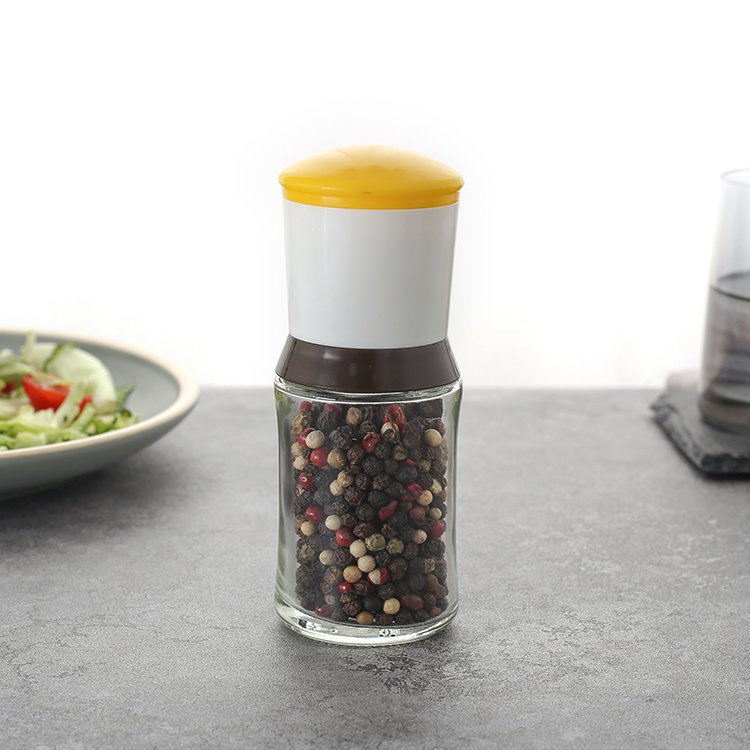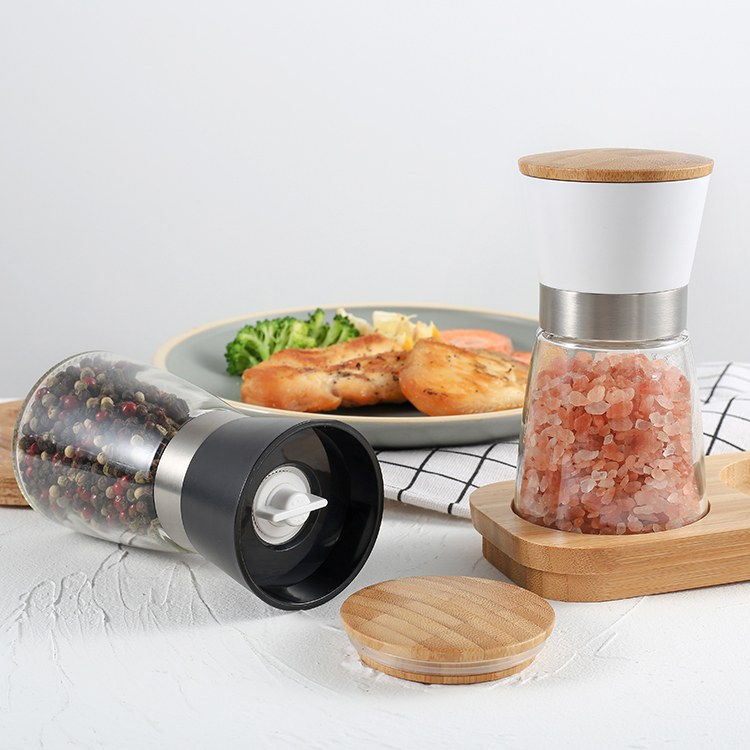
Most traditional pepper grinders use metal grinding mechanisms, which can rust when exposed to salt. Salt attracts moisture and may cause corrosion, clogging, or long-term damage. However, grinders with ceramic burrs are more resistant to salt and can safely handle coarse, dry salt under the right conditions. Understanding your grinder’s material is the key to avoiding damage and keeping your seasoning fresh.
Key Takeaways
- Do not put salt in metal pepper grinders. Salt can make metal rust and break. This can ruin the grinder and change how your food tastes.
- Pick ceramic grinders for salt. Ceramic does not rust. It works well with dry, big salts like kosher or Himalayan pink salt.
- Clean your grinder every time you use it. Cleaning stops clogs and keeps the grinder working well.
- Only use dry, big salts so the grinder does not jam. Small or wet salts can block the grinder and cause problems.
- Think about using grinders made just for salt. These grinders are built to handle salt. They help keep flavor and work better.
Can You Use Salt in a Pepper Grinder?
How Pepper Grinders Work
A pepper grinder crushes peppercorns into small pieces. It uses a grinding mechanism made from ceramic or metal. Some grinders need you to turn a handle or twist the top. These are called manual grinders. Other grinders use batteries and work with a button. These are electric grinders. The way the grinder is built changes how well it works. It also decides what spices you can use in it.
The table below shows how manual and electric grinders are different:
| Grinder Type | Mechanism | Coarseness Adjustment | Ease of Use |
|---|---|---|---|
| Electric | Battery-operated, ceramic grinding mechanism | Simple dial adjustment | Very easy, one-button operation |
| Manual | Hand-cranked, internal burrs | Adjustable with knob | Requires technique for consistent results |
Ceramic grinding parts do not rust and work for salt and pepper. Metal grinding parts, like steel, can rust if they touch salt. This is why some grinders are better for salt than others.
World Testing
We tested grinding coarse salt using stainless steel and ceramic grinders respectively. After a few days, the metal grinder began to feel slightly coarse when rotating, especially in humid conditions. In contrast, the ceramic grinder ran smoothly without any wear or clogging. This indicates that even short-term use of salt can affect the metal grinder, while the ceramic grinder remains stable.
Why Salt Can Be a Problem
Salt in a pepper grinder can cause many problems. Salt pulls water from the air. This means it can get wet inside the grinder. When salt gets wet, it makes a brine that hurts the grinder. This is worse for grinders with metal parts.
- Tiny holes can show up on metal after a few days with salt. These holes trap water and salt, making more rust.
- Salt can also clog the grinder. Fine table salt is like powder and can block the grinder. Wet salts can stick together and jam the grinder. If the grinder gets clogged, it is hard to use. Salt may not come out evenly.
The material of the grinder matters a lot. The table below shows how ceramic burrs and metal burrs compare:
| Material | Resistance to Salt Corrosion | Recommendation for Salt |
|---|---|---|
| Ceramic | Completely rust-proof | Ideal |
| Stainless Steel | Eventually corrodes | Not recommended |
People should check what their grinder is made of before using salt. Ceramic grinders are best for salt because they do not rust. Metal grinders can get ruined by salt. Grinders made for salt use ceramic or plastic parts to stop these problems.
Types of Salt for Pepper Grinders
Best Salts to Use
Choosing the right salt helps keep a grinder working well. Dry, coarse salts work best in most pepper grinders. These salts do not clump or clog the grinding mechanism. Kosher salt and Himalayan pink salt are popular choices. They have larger crystals that move smoothly through the grinder. These salts do not absorb much moisture, so they help prevent rust and jamming.
Many chefs use dry sea salt flakes. These flakes break apart easily and do not stick together. They also give food a nice crunch and flavor. When using a grinder with ceramic burrs, users can safely grind these types of salt. Ceramic burrs do not rust or react with salt. These materials resist corrosion and last a long time.
Tip: They keep the grinder safe from damage and help deliver fresh flavor every time.
Salts to Avoid
Some salts can harm a pepper grinder. Fine iodized salt often clogs electric grinders. It is powdery and can block the grinding parts. Wet sea salt is another problem. It holds moisture, which can cause clumping and corrosion inside the grinder. Flavored or smoked salts sometimes contain extra oils or moisture. These can stick to the grinder and make cleaning hard.
Culinary experts warn against using these salts:
- Fine iodized salt (clogs mechanisms)
- Wet sea salt (clumps and causes rust)
- Flavored or smoked salts (contain oils or moisture)
- Any salt that feels damp to the touch
Moisture can cause clumping and motor strain in electric grinders. For best results, users should always choose dry, coarse salts and pair them with grinders that have ceramic or nylon burrs.
Salt Grinder vs Pepper Grinder
Although they look similar, salt grinders and pepper grinders are designed differently.
- Salt grinders typically use ceramic or plastic mechanisms to resist corrosion.
- Pepper grinders often use metal burrs for durability and sharper grinding.
- Using salt in a metal pepper grinder can significantly shorten its lifespan.
For long-term use, it is always better to choose a grinder specifically designed for salt.
Risks of Salt in a Pepper Grinder
Performance Issues
Salt does more than hurt the grinder parts. It also makes the grinder work badly. When salt gets wet, it forms lumps. These lumps can block the grinder and make it hard to turn. The grinder may jam or not grind evenly. Sometimes, the grinder stops working at all.
- The grinder can wear out faster if it has to crush wet or lumpy salt.
- Most warranties do not cover damage from salt. If the grinder breaks, the company might not give you a new one.
People should always read the instructions for their grinder. Using the right grinder keeps it working well and protects the warranty.
How to Grind Salt in a Pepper Mill Safely
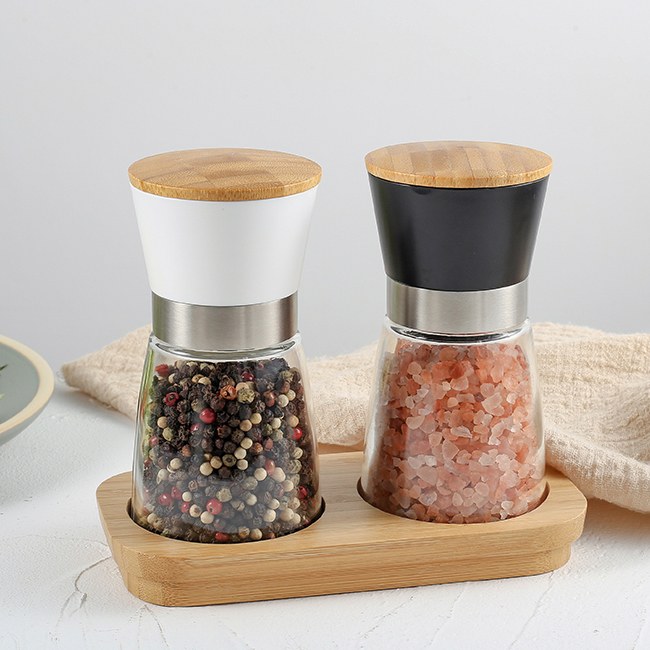
Step-by-Step Guide
Many people want to grind salt in a pepper mill for fresh flavor. Kitchenware experts recommend a careful process to keep the grinder working well. Here is a simple guide for anyone who wants to grind salt in a pepper mill:
- Choose coarse salt, such as sea salt, rock salt, or Himalayan pink salt. These types work best when you grind salt in a pepper mill.
- Open the grinder and fill it halfway with your chosen salt. This helps the grinder move the salt crystals and prevents jamming.
- Adjust the grind size to your liking. Some people like fine salt, while others prefer a coarse texture. Most pepper mills have a knob or dial for this.
- Hold the grinder over your food or a small bowl. Turn the handle or press the button to grind.
- After grinding, store any extra salt in a dry, airtight container. This keeps the salt from getting damp.
- Clean the grinder after each use.
Tip: Always use a pepper mill with ceramic burrs when you grind salt in a pepper mill. Ceramic does not rust and lasts longer.
Tips for Protecting Your Grinder
People who grind salt in a pepper mill should follow some simple tips to protect their kitchen tools:
- Clean the grinder often. Use a small brush or toothpick to reach tight spots.
- Dry all parts completely before putting the grinder back together. Moisture can cause problems if you grind salt in a pepper mill.
- Store the grinder in a cool, dry place. Avoid sunlight and humidity.
- Wipe the outside with a dry cloth after each time you grind salt in a pepper mill.
- Never wash the grinder under water unless the maker says it is safe.
- Use only dry, free-flowing salt when you grind salt in a pepper mill.
- For wooden grinders, use mild soap and dry them well. Apply food-grade oil or beeswax to keep the wood strong.
- Check the grinder for wear and tear. Replace any worn parts before you grind salt in a pepper mill again.
By following these steps and tips, anyone can grind salt in a pepper mill safely and keep their grinder working for a long time.
Alternatives to Grinding Salt in a Pepper Grinder
Dedicated Salt Grinders
Many cooks like to use salt grinders made just for salt. These grinders have ceramic or plastic parts inside. This helps stop water from making the salt stick together. A salt grinder keeps salt dry and easy to shake out.
- Ceramic parts do not rust and last a long time.
- Salt grinders stop salt from sticking much better than metal ones.
- The inside of a salt grinder works well with big, dry salt pieces.
People say salt grinders work better than pepper grinders for salt. They help cooks get the right feel and taste for their food.
A salt grinder keeps the inside safe and makes salt stay fresh.
Other Tools for Grinding Salt
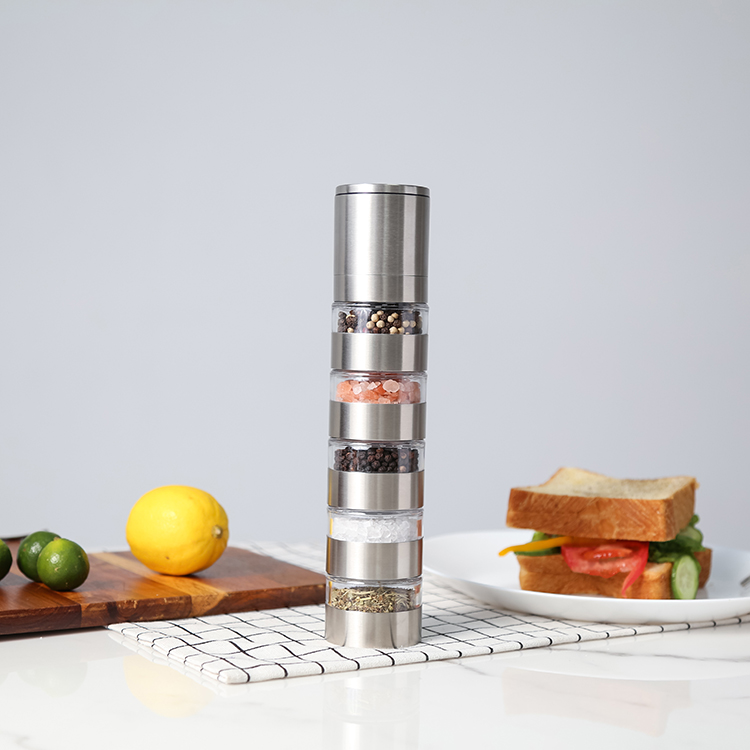
Some people want other ways to grind salt. They can use electric mills, hand mills, or stackable grinders. The Salt and Pepper Grinder collection has many types.
| Product Name | Description | Price |
|---|---|---|
| Billund, sea salt 12cm | Made just for grinding salt. | DKK 249,00 |
| Moulin Salt and Pepper Grinders | Has a new inside part to stop rust when grinding salt. | N/A |
People can also use a mortar and pestle for small amounts of salt. This tool is good for flaky or big salt pieces. Some cooks use spice grinders that let you pick how big the salt pieces are.
Picking the right tool keeps the inside safe and makes salt taste fresh.
Grinders with metal parts or wooden bodies can break fast in humid places. To keep your kitchen tools working well, you should:
- Always pick dry salt and stay away from wet or flavored salt.
- Hold the grinder straight up and keep your hands dry.
- Clean the grinder often and never soak parts that are not waterproof.
Picking the right grinder for salt in a pepper grinder keeps your food tasting good and your equipment safe.
The table below shows why using the correct grinder is important:
| Benefit | Description |
|---|---|
| Durability | Ceramic burrs do not rust and last longer. |
| Flavor Consistency | Salt stays the same size for better seasoning. |
| User Experience | Grinding is smooth and easy, so cooks work faster. |
People who use the right grinder for salt in a pepper grinder get better flavor and their kitchen tools last longer.
FAQ
Can someone use regular table salt in a pepper grinder?
Regular table salt often clogs pepper grinders. The fine grains can block the grinding mechanism. Coarse, dry salts work better and keep the grinder running smoothly.
What happens if salt stays in a pepper grinder for a long time?
Salt may damage metal mechanisms over time. The grinder may stop working. Ceramic burrs resist rust, but cleaning helps keep all grinders in good shape.
How can a person clean a grinder after using salt?
Tip: Use a small brush to remove salt. Wipe the inside with a dry cloth. Never soak the grinder unless the instructions say it is safe.
Are there grinders that work for both salt and pepper?
Some grinders have ceramic burrs and adjustable settings. These models can handle both salt and pepper. The Salt and Pepper Grinder collection offers several versatile options.