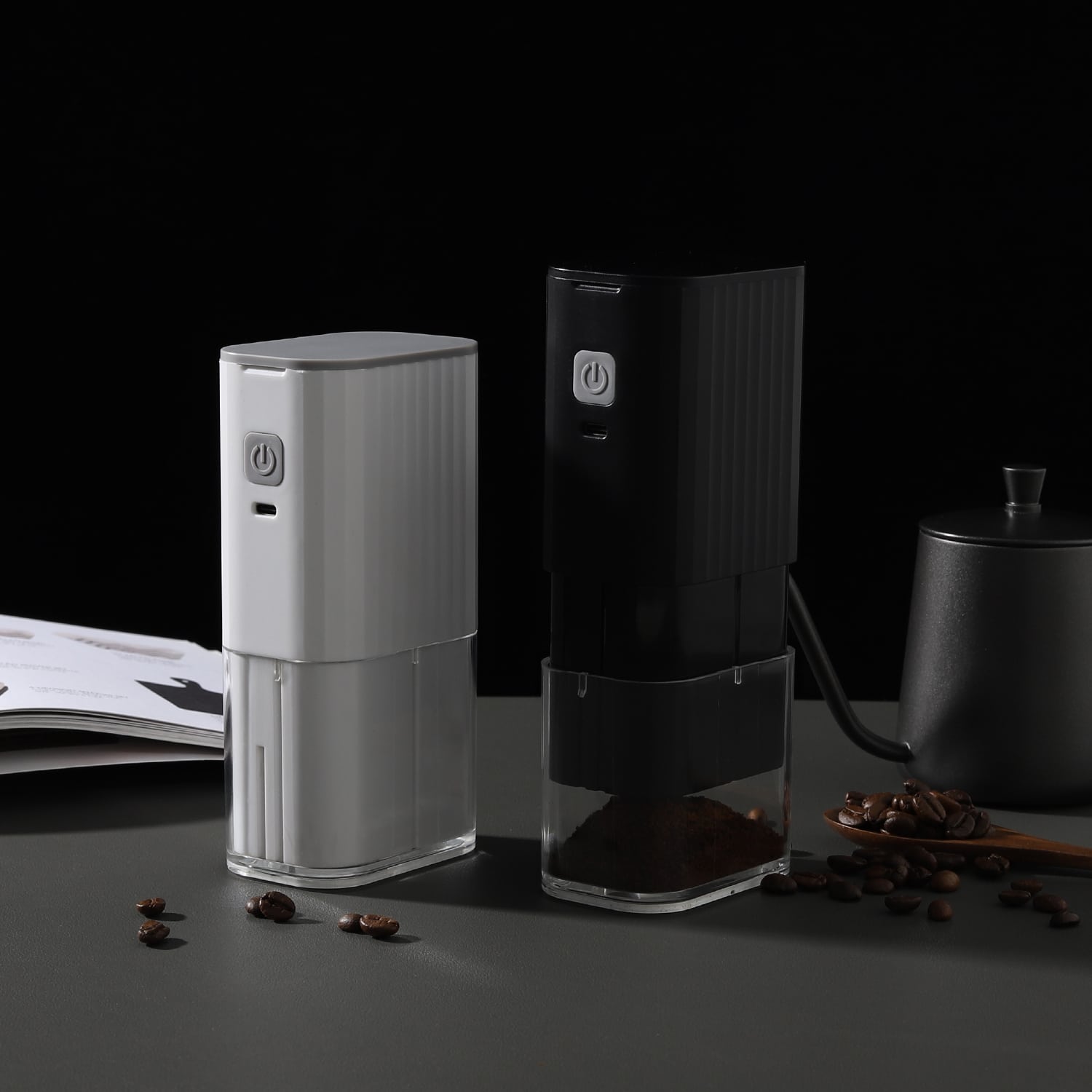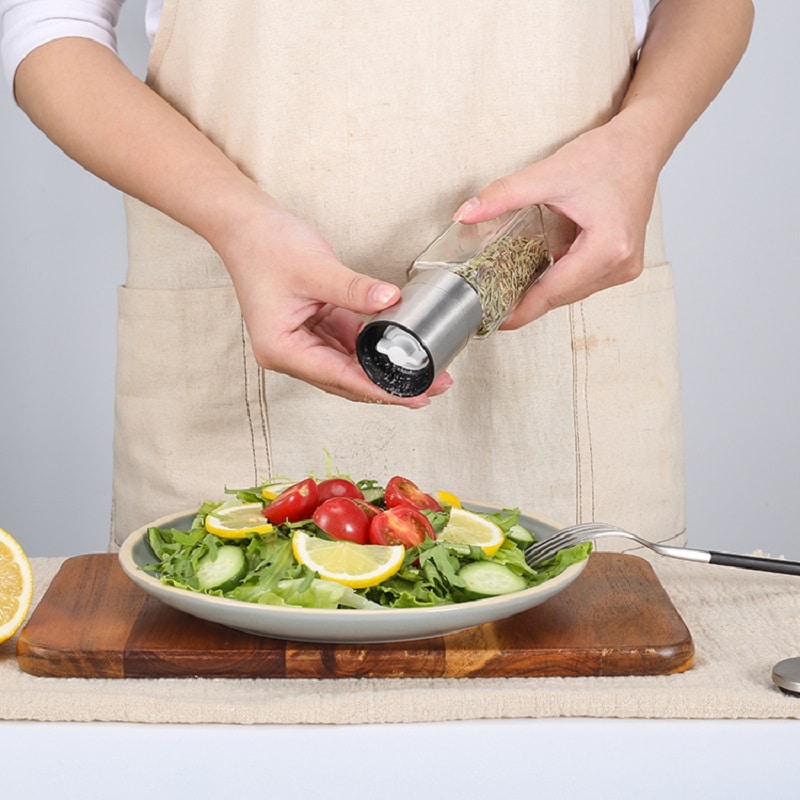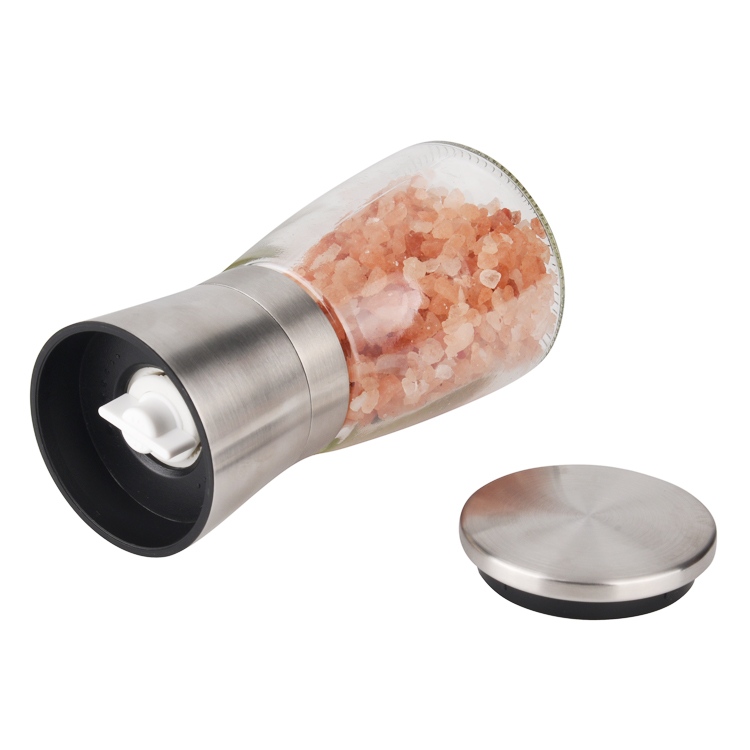
Many chefs and home cooking enthusiasts like to keep a salt shaker in their kitchen. They find that a salt shaker allows them to quickly add salt whenever needed for seasoning. The amount can be controlled with just a gentle squeeze, which is more precise than using a salt shaker or grinder. Some chefs say that touching and observing the salt in the shaker helps them judge the amount. This method also enhances their intuition about when to add salt and which type of salt is best for each dish.
Key Takeaways
- A salt grinder helps you control the amount of salt you use. This allows you to add the right amount of salt for more flavorful food. Using a salt shaker keeps the salt fresh and dry, preventing it from sticking together. This helps ensure consistent flavor in every dish. Salt shakers come in a variety of materials and designs, being both practical and aesthetically pleasing, suitable for any kitchen. You should clean your salt shaker regularly to keep it clean and prevent salt residue buildup. Before choosing a salt shaker, consider the size of your kitchen and your cooking habits. This will help you choose a salt shaker that suits your space and needs.
Benefits of a Salt Shaker
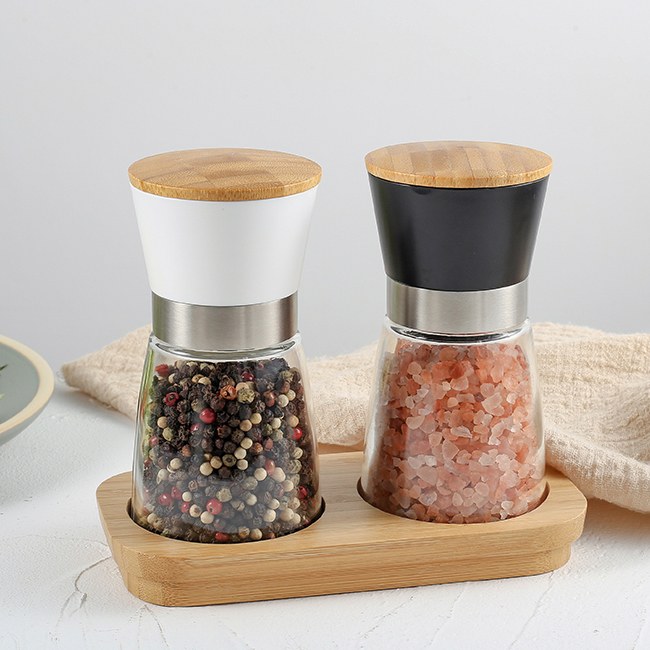
Salt shakers offer numerous advantages, making them invaluable tools in the kitchen. One key reason is their ease of seasoning control. You can easily scoop out the right amount of salt with your fingers, which is far superior to using a salt shaker or grinder. This helps you avoid using too much salt and makes it easier to adjust the flavor during cooking. Chefs appreciate this method because they can quickly take out the salt and intuitively gauge the amount needed. This makes it easier for them to judge when and how much salt to add.
Another advantage is maintaining salt freshness. A good salt shaker keeps the salt dry, preventing it from clumping. Water causes salt to clump, leading to cooking problems. If you use a sealed container made of ceramic or glass, water cannot penetrate. These materials keep the salt dry, especially when rice or desiccants are added. This keeps the salt loose and easy to use. This is crucial for ensuring consistent flavor in every dish.
Tools like salt shakers, endorsed by chefs, can elevate your cooking. Many chefs choose salt shakers because they are both practical and aesthetically pleasing. Some salt shakers have a wider top for easy access. Some salt shakers are made of breathable natural materials, which helps maintain the texture and flavor of the salt. A good salt shaker can help you cook faster and meets the needs of a chef. It’s a reliable choice for storing salt for perfect seasoning.
Salt shakers also look beautiful on kitchen countertops. Kitchen designers and home cooks alike appreciate their appearance. You can find salt shakers made of bamboo, ceramic, glass, or stainless steel, and these options complement a variety of kitchen styles. Ceramic salt shakers have a classic look, while glass salt shakers better showcase the color of the salt inside. People often prefer styles with elegant lids or vibrant colors. These designs make salt shakers both practical and beautiful, enhancing the overall style of the kitchen.
Disadvantages to Consider
Space Consumption
A salt cellar sits on the counter or shelf. Some people worry about losing space in a small kitchen. Most salt cellars have a compact design. They fit neatly next to other tools.
- Salt shakers are placed on countertops or shelves. Some people worry that they will take up too much space in a small kitchen. Most salt shakers have a compact design that allows them to be neatly placed next to other kitchen utensils.
- Salt shakers take up very little countertop space.
Compact design allows for neat placement on countertops or shelves.
Even in a small space, every inch of space is precious in a cramped kitchen. Those with limited space should carefully consider the placement of their salt shaker.
Cleaning needs
Salt shakers require regular cleaning. Salt leaves residue inside. Over time, dust or food scraps can accumulate. Cleaning keeps the salt fresh and ensures safe cooking. Most salt shakers have a simple shape, making them easy to clean. Some materials, such as wood or marble, require gentle care. Others, such as glass or ceramic, are dishwasher safe. Regular cleaning prevents grime buildup and keeps the kitchen tidy.
Price Factors
Salt shakers come in a wide variety of styles and prices. Some salt shakers are even more expensive than ordinary salt containers. Prices depend on the materials and design. The table below lists the price range for different salt shakers:
| Item Description | Price |
|---|---|
| Acacia wood salt cellar | $13 |
| Marble salt cellars set | $40 |
| RSVP International salt cellar | $16 |
| Maison De J salt and pepper grinder set | $17 (Walmart), $26 (Amazon) |
| Peugeot salt and pepper mills | $57 (Amazon), $110 (Sur La Table) |
| Le Creuset salt and pepper mills | $70 (Amazon), $70 (Sur La Table) |
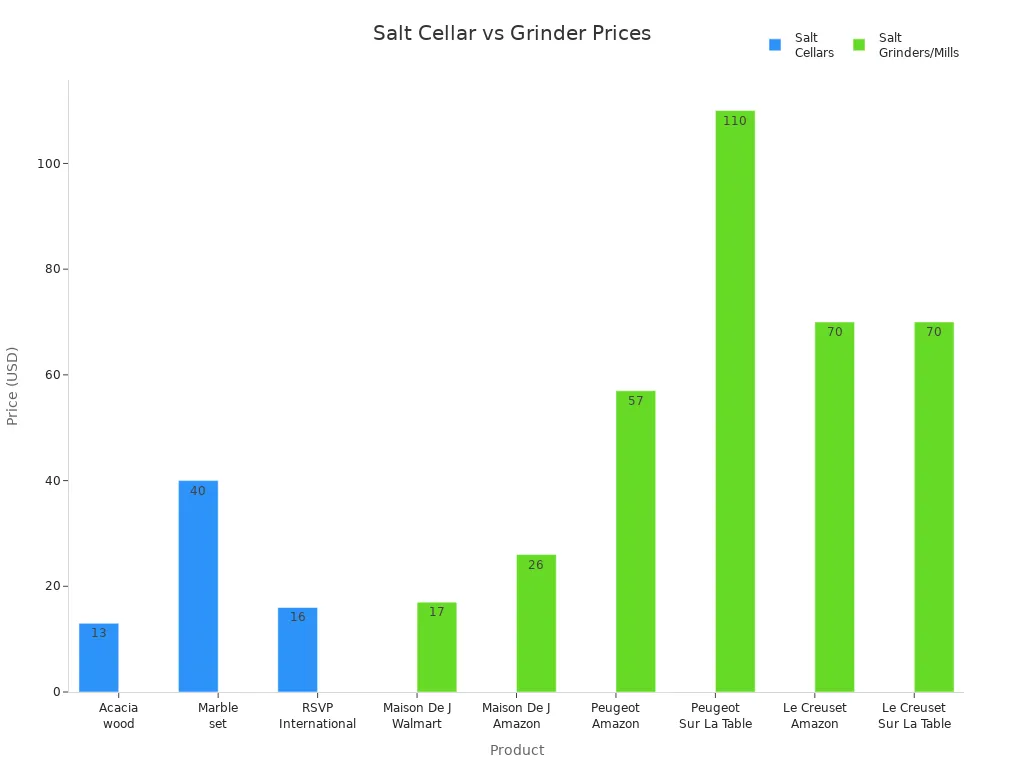
Those who prefer a simple salt shaker might opt for a lower-priced model. However, avid cooks often invest in higher-quality salt shakers or grinders.
Possible mess
Some people worry about spills when using a salt shaker. User reviews show that salt shakers with lids help prevent spills. The lid prevents salt from spilling and keeps moisture out. This design makes it easy to use salt and keeps the kitchen clean. The lid also prevents salt from clumping, helping ingredients move smoothly during cooking. People find that well-designed salt shakers keep the kitchen tidy and reduce accidental spills.
Who Should Use a Salt Shaker?
Home cooks
Many home chefs find salt shakers very useful in their daily cooking. People who enjoy cooking by hand often use salt shakers. They like the feel of grabbing salt with their fingers. This method allows them to better control the amount of salt used. Some chefs say that using their hands to pick up salt helps them season more precisely. Others enjoy the tactile experience and believe it enhances their palate.
Serving Guests
Those who entertain guests at home will also benefit from a salt shaker. This tool allows guests to easily take salt at the table. It can store not only salt but also other seasonings. Those entertaining guests often choose an aesthetically pleasing salt shaker, which looks beautiful on the table.
Kitchen Size Matters
The size and shape of your kitchen will affect the practicality of a salt shaker. People with smaller kitchens may prefer a compact salt shaker. Round salt shakers are easy to move, while rectangular salt shakers save more space.
Choosing the right size and shape helps keep the kitchen tidy and organized. It also ensures the salt shaker works well with other kitchen utensils and doesn’t take up too much space.
Salt Shakers vs. Other Options
Salt Bottles
Many kitchens use salt shakers for quick seasoning. Salt shakers have small holes in the lid for easy dispensing. While quick, this method can be difficult to control the amount. People sometimes accidentally add too much salt. Salt shakers, on the other hand, allow you to use your fingers or a spoon to scoop out the salt. This helps with accurate measurement. The table below lists their differences:
| Feature | Salt Cellar | Salt Shaker |
|---|---|---|
| Method of Dispensing | Open dish for pinching or spooning salt | Dispenses through small holes in a lid |
| Control Over Amount | Better control for precise seasoning | Less control, can lead to over-seasoning |
| Cooking Experience | Encourages mindfulness and intentional seasoning | Quick and easy, but less precise |
A salt shaker helps you remember the amount of salt you need. While a salt bottle is convenient and quick, it’s not as precise as a salt shaker.
Grinders
Grinding grinders, such as ChefsHere’s salt and pepper grinders, work on a different principle. A grinder allows you to grind salt or pepper into powder before use. This enhances the flavor and aroma of your food. ChefsHere’s electric and manual grinders are durable. The table below compares salt shakers and grinding grinders:
| Feature | Salt Cellars | Grinders |
|---|---|---|
| Flavor Enhancement | Quick access to coarse salt | Freshly ground salt enhances flavor |
| Ease of Use | Easy to pinch during cooking | Provides precise seasoning control |
| Freshness | Coarse salt remains stable | Whole peppercorns stay flavorful longer |
| Aromatic Impact | N/A | Maximum aromatic impact when used fresh |
Packaging
Some people are used to keeping salt in its original packaging. This makes it difficult to control the amount used. Salt is prone to moisture absorption and clumping. A salt shaker keeps the salt dry, makes it easy to use, and looks neat and tidy in the kitchen.
Airtight containers
Airtight containers prevent moisture from contacting the salt, keeping it fresh and preventing clumping. Salt shakers are convenient to use while cooking, but they are not as waterproof as airtight containers. Many chefs use both: airtight containers for storing salt and salt shakers for cooking.
Choosing a salt cellar
Material types
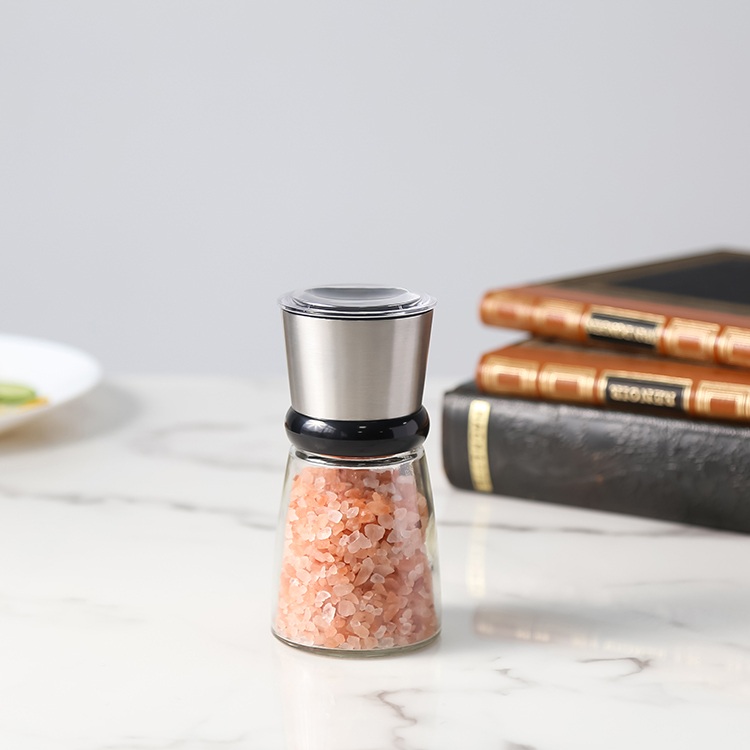
Salt shakers are made from different materials. Each material affects the salt’s preservation effect and the shaker’s appearance. The table below compares several commonly used materials:
| Material | Durability | Moisture Resistance | Aesthetic Appeal |
|---|---|---|---|
| Stoneware | High | Excellent | Moderate |
| Ceramic | High | Excellent | High |
| Glass | Moderate | Good | High |
| Bamboo | Moderate | Moderate | High |
| Acacia Wood | Moderate | Moderate | High |
| Marble | High | Excellent | High |
Earthenware and ceramic are suitable for everyday use; they are neither heat-permeable nor water-permeable. Glass is easy to clean, but may break if dropped. Bamboo and acacia are aesthetically pleasing and more environmentally friendly, but require gentle cleaning. Marble is ideal for keeping salt dry and fresh; its smooth surface prevents moisture penetration, keeping the salt loose and easy to use.
Size and placement
The size of a salt shaker is crucial for its usability and placement. Frequent cooks may need a larger salt shaker, around 16 ounces (about 473 ml). This reduces the need for frequent refills. Smaller salt shakers, between 3 and 6 ounces (about 87 to 170 ml), are suitable for small kitchens or those who use less salt. A 7-ounce (about 200 ml) salt shaker is a good medium size, providing enough capacity for most people without taking up much space.
With or without a lid
Whether to choose a salt shaker with a lid depends on how you use it. A lid keeps the salt clean and prevents water and dust from getting in. This helps the salt stay fresh and prevents spills. Some salt shakers have lids with magnets or built-in spoons for easy use. Without a lid, you can take out the salt faster, but dust or water may get in.
“Some salt shakers have wider openings for easy access, but most people prefer to use a lid for storing special salts. A lid also prevents the salt from spoiling due to air or water entering.”
Those who want to properly store their salt should choose a salt shaker with a lid. Those who want to use their salt quickly may prefer an open salt shaker.
Salt shakers are very practical for home cooks and restaurant staff. They make it easy to add the right amount of salt. Salt stored in a salt shaker stays fresh. People like to choose salt shakers that match their kitchen style. Experts say that salt shakers not only make meals more enjoyable but also protect the environment. Online shopping makes it easy for people to find the perfect salt shaker for themselves.
| Key Takeaway | Description |
|---|---|
| Enhanced Dining Experience | Salt cellars make meals better by working well and looking nice. |
| Shift Towards Sustainability | More people want kitchen tools made from eco-friendly materials. |
| Impact of Online Retail | Online shops give people more choices and make buying salt cellars easier. |
FAQ
What material is best for a salt shaker?
Ceramic and glass salt shakers keep salt dry and fresh. Marble salt shakers are also good and look elegant. Wooden and bamboo salt shakers have a natural look but require gentle cleaning. Each material has its own advantages.
How often should a salt shaker be cleaned?
Salt shakers should be cleaned every few weeks. Cleaning removes salt residue and keeps the shaker hygienic. For best results, wash with warm water and let it dry thoroughly before refilling with salt.
Can a salt shaker be used to store other spices?
Yes, a salt shaker can store a variety of spices. People use it to store pepper, sugar, and even herbs. Using a separate salt shaker for each spice helps maintain its pure flavor.
Does a salt shaker make food taste better?
A salt shaker allows chefs better control over seasonings. They can add the right amount of salt manually. This helps to make the food taste more balanced and fresh.