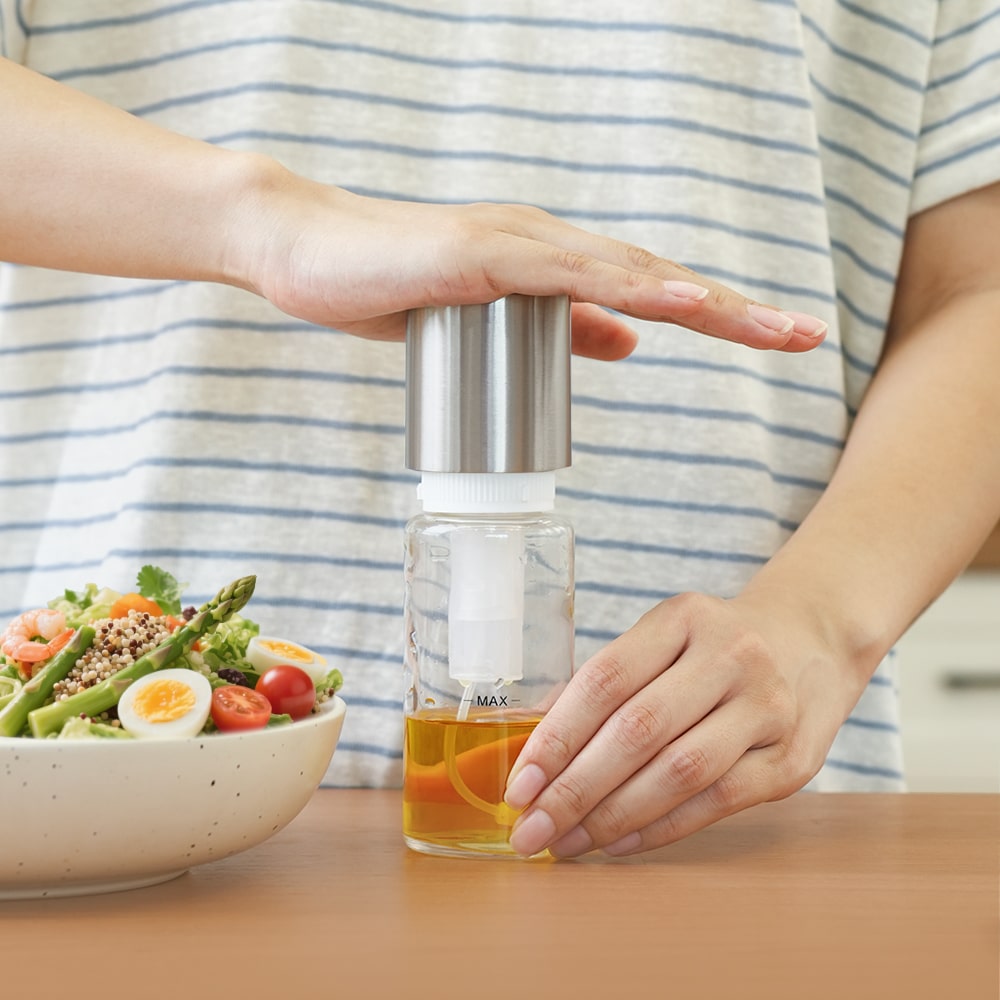
Let’s get your oil vinegar spray bottles sparkling clean! You can easily clean the sprayer with hot, soapy water. For tough clogs, a deep clean using a vinegar solution restores a perfect spray. This dual approach helps you maintain a consistent spray and keeps your oils tasting pure.
💡 Tip: A clean sprayer ensures every meal gets a fresh, flavorful mist.
How to Clean Your Oil Vinegar Spray Bottles
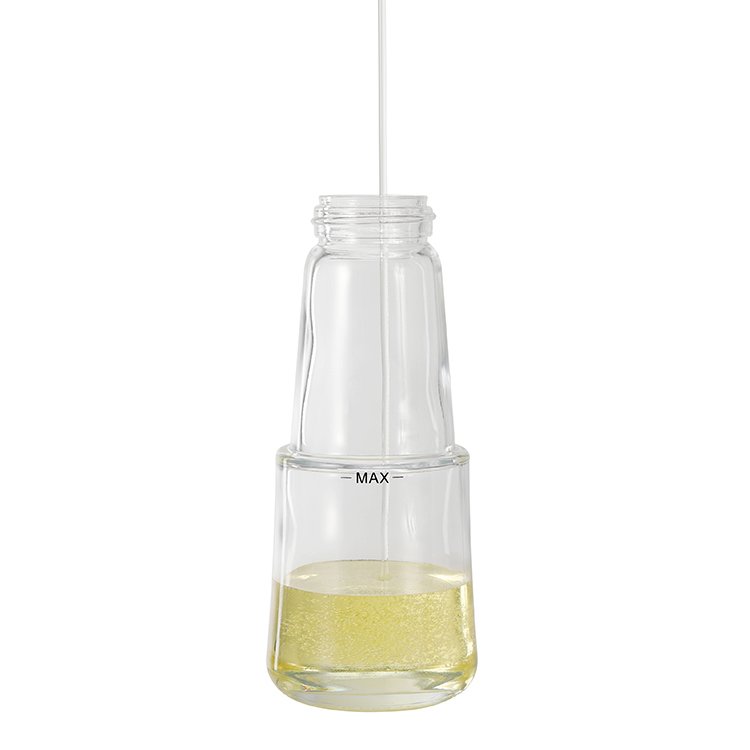
Keeping your oil vinegar spray bottles in top shape is easy with a couple of simple routines. A quick weekly wash prevents buildup, while an occasional deep clean tackles any stubborn issues. Follow these methods to ensure a perfect, fine mist every time.
Method 1: The Quick Weekly Wash
A regular wash is the best way to prevent clogs before they start. You should perform this quick clean once a week or whenever you refill the bottle. This process is great for cleaning oil bottles and keeping them ready for action.
- Empty and Rinse: First, empty any leftover oil or vinegar from the bottle. Give it a quick rinse with warm water.
- Add Soap and Hot Water: Add a few drops of a powerful, grease-cutting dish soap. Choose a fragrance-free soap to avoid leaving behind scents that could affect the taste of your oils. Fill the bottle about halfway with hot tap water (around 150-160°F is perfect for dissolving oil).
- Shake and Spray: Screw the top back on securely and shake the bottle vigorously for about 20-30 seconds. This creates a soapy solution that breaks down residue.
- Spray It Out: Pump the sprayer and spray the soapy water into your sink. Continue to spray until the bottle is empty. This action cleans the internal tube and the nozzle itself.
- Rinse and Dry: Refill the bottle with clean, warm water, shake, and spray again to rinse out any soap. Repeat this rinse step until no more soap bubbles appear. Let all the parts air dry completely before refilling.
💡 Pro-Tip: If your olive oil has solidified in the bottle, don’t use boiling water! Instead, place the bottle in a bowl of warm water to gently bring the oil back to a liquid state before you clean it.
Method 2: The Deep Clean for Stubborn Clogs
If your sprayer is already clogged or the weekly wash isn’t cutting it, it’s time for a deep cleaning method. Hardened, sticky oil (also known as polymerized oil) requires something stronger to break it down. This is where a simple vinegar solution comes to the rescue.
Here’s how to perform this effective deep cleaning method:
- Create the Cleaning Mix: Mix a solution of 50% white vinegar and 50% warm water. The mild acid in the vinegar is excellent at dissolving stubborn, greasy buildup without harming your bottle.
- Fill and Soak: Pour the vinegar solution into your sprayer until it’s about half full. Let it sit for at least 30 minutes. For very tough clogs, you can let it soak for a few hours or even overnight.
- Scrub if Needed: For any visible residue inside the bottle, use a bottle brush to gently scrub the sides.
- Spray and Rinse: After soaking, shake the bottle and spray the vinegar solution through the nozzle to clear the mechanism. Once empty, rinse the bottle thoroughly with clean water, and spray clean water through the nozzle to remove any lingering vinegar.
Looking for a vinegar alternative?
You can create a powerful cleaning paste with baking soda. Just mix a teaspoon of baking soda with a little water to form a paste. Apply it inside the bottle with a brush to scrub away grease, then rinse thoroughly. Baking soda is a fantastic degreaser!
How to Unclog the Nozzle
Sometimes, the clog is located right in the tiny opening of the nozzle. This often happens from small bits of oil residue or using thicker oils. If you’ve tried the methods above and the spray is still weak or blocked, you can target the nozzle directly.
1. Soak the Nozzle 💧 Unscrew the entire sprayer top from the bottle. Submerge just the nozzle end in a small bowl of hot water or the 50/50 vinegar-water mix. Let it soak for about 20 minutes. Afterward, pump the trigger while it’s still submerged to flush out any dislodged gunk.
2. Use a Pin (With Caution!) 📌 If soaking doesn’t work, you can use a small pin or needle to physically clear the opening.
- Gently insert the tip of the pin straight into the nozzle hole.
- Move it around carefully to break up the blockage. Be very gentle to avoid widening the hole, which could ruin the fine mist spray pattern.
- Rinse the nozzle with warm water and test the spray.
⚠️ Safety First! Never point the nozzle toward your face or anyone else’s while cleaning it.
3. Disassemble and Scrub 🛠️ For the most stubborn clogs, you may need to disassemble the nozzle. Many oil vinegar spray bottles have nozzles that can be carefully pulled apart.
- Once disassembled, soak all the small parts in your vinegar solution or hot, soapy water.
- Use an old toothbrush to gently scrub each component, paying close attention to gaskets and the mixing chamber.
- Rinse all parts with clean water, let them dry completely, and then reassemble. This should get your sprayer working like new and help you clean oil bottles for long-term use.
Proactive Care and Maintenance Tips
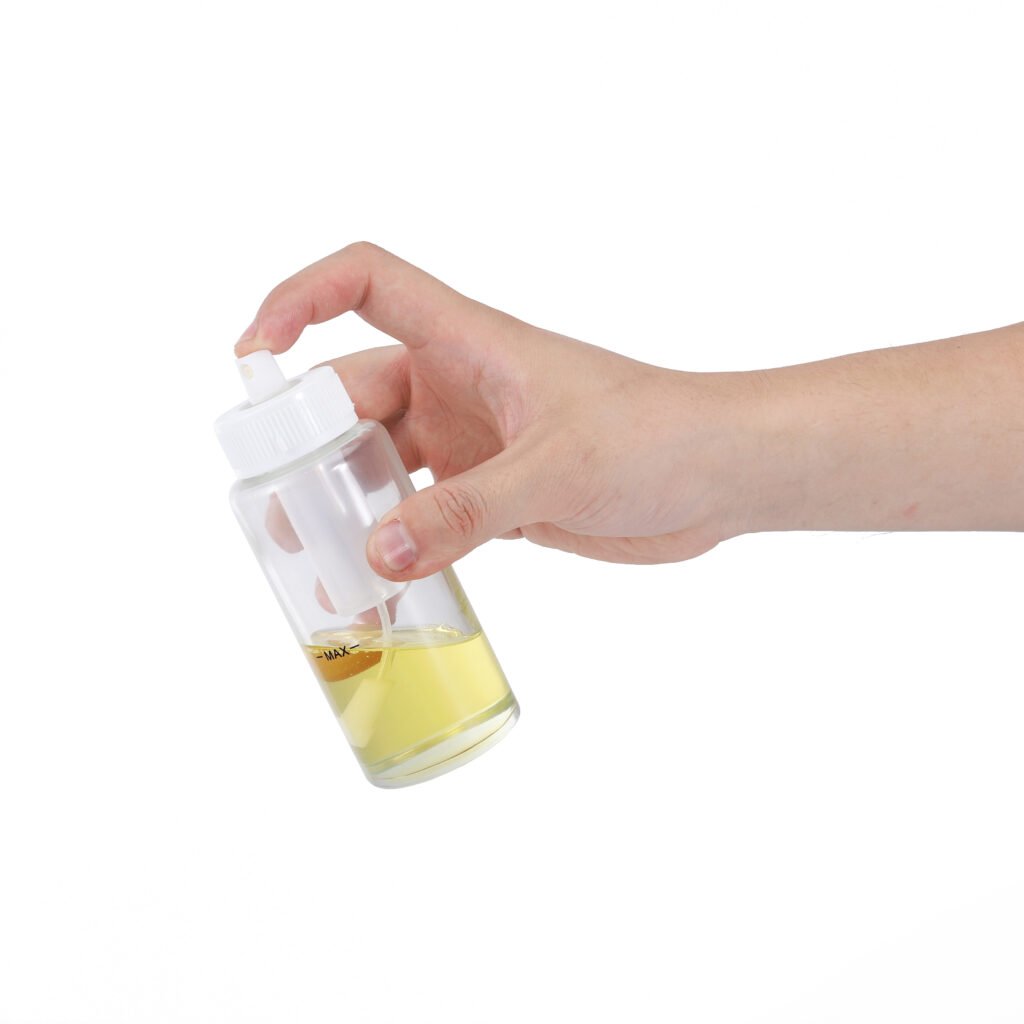
A little care goes a long way. Good cleaning and maintenance habits will keep your sprayer working perfectly and prevent clogs from ever forming.
Best Practices for a Clog-Free Sprayer
You can easily avoid clogs with a few smart habits. First, be mindful of the type of oil you use. Some oils are more likely to cause blockages, including:
- Thicker oils like avocado or grapeseed oil.
- Oils that get solid when cool, such as coconut oil.
- Infused oils that have small bits of herbs or garlic.
When you fill your bottle, leave some room at the top. This space helps build the pressure needed for a fine mist spray.
💡 A Good Rule of Thumb: Never fill your sprayer more than 95% full. Leaving a little air gap ensures your sprayer functions correctly and delivers a consistent spray.
Cleaning Based on Bottle Material
The material of your bottle affects how you should clean it. Glass is a great choice because it resists stains and odors. This makes cleaning glass oil bottles simple, especially for acidic vinegars. Plastic bottles are lightweight but can hold onto smells and may degrade over time. If you have a stainless steel bottle, always wipe with the grain using a soft cloth to avoid scratches. For tough grease, a paste of baking soda and water works wonders. Be careful with vinegar, as it can damage aluminum bottles and some rubber seals. Proper cleaning and maintenance ensures your bottle lasts.
Proper Storage to Prevent Buildup
Where you store your oil vinegar spray bottles matters. Heat and light are enemies of fresh oil. They can cause the oil to break down, lose flavor, and turn rancid. Always store your bottle in a cool, dark place like a pantry or a cabinet. You should keep it away from the stove or sunny windows.
The ideal temperature for olive oil is between 60°F and 72°F (15.5°C to 22°C). This keeps the oil liquid and ready to spray. If it gets too cold and thickens, just let it sit at room temperature for a bit to return to normal.
Keeping your oil vinegar spray bottles clean is easy. A quick wash prevents clogs, while a deep clean keeps the spray perfect. This simple routine ensures a great spray every time. You will save money by avoiding disposable cans and help reduce waste, making your sprayer a reliable kitchen tool.
A clean sprayer saves money and helps the planet! 🌎
FAQ
How often should I clean my oil sprayer?
Give your sprayer a quick wash weekly or whenever you refill it. You should perform a deep clean every few months to keep it spraying perfectly.
Can I put my oil sprayer in the dishwasher? 🧼
You should check the manufacturer’s instructions first. High heat can damage the pump mechanism, so hand washing is always your safest option to ensure your sprayer lasts.
What kind of oil is best for a sprayer?
Thin oils like olive, canola, or sunflower oil work best. You should avoid thicker oils or infused oils with particles, as they can easily clog the nozzle.