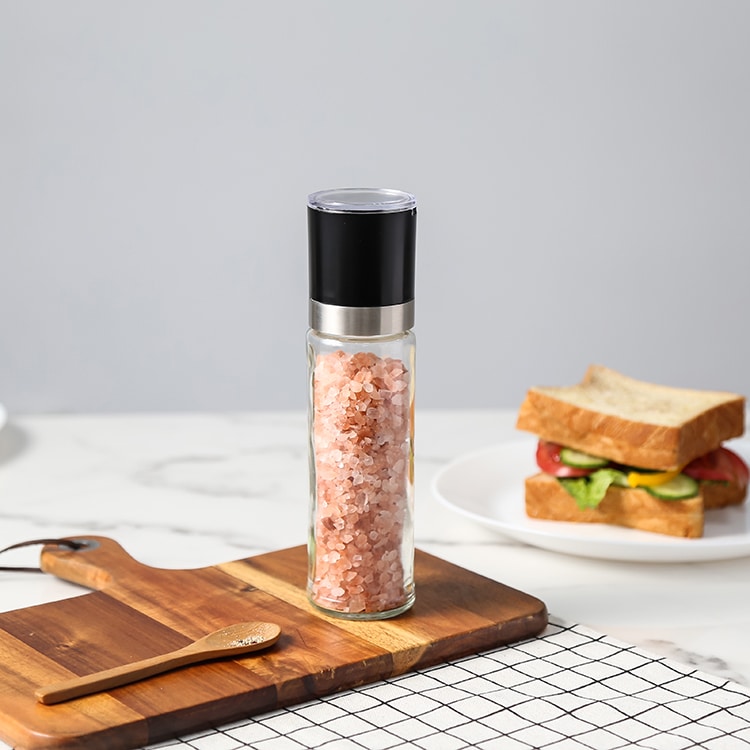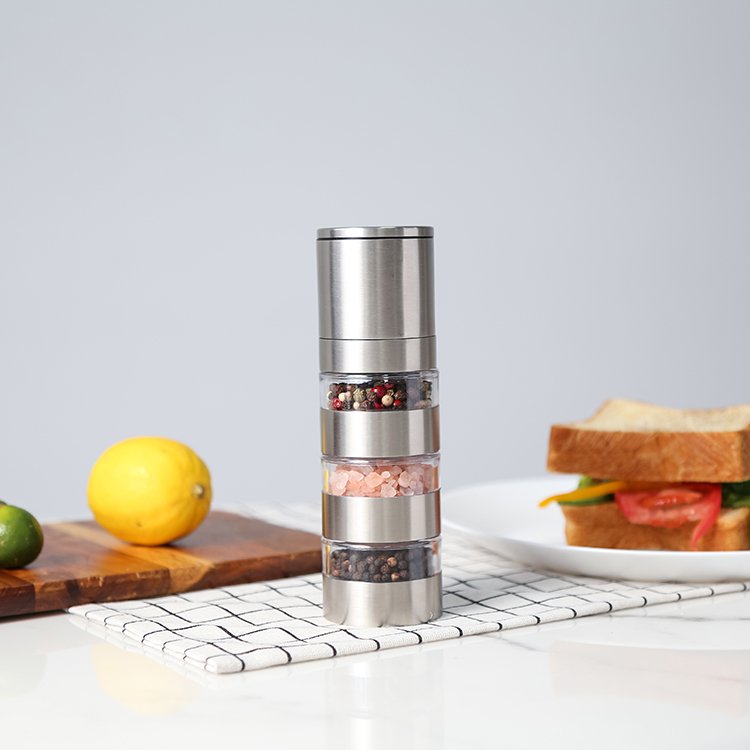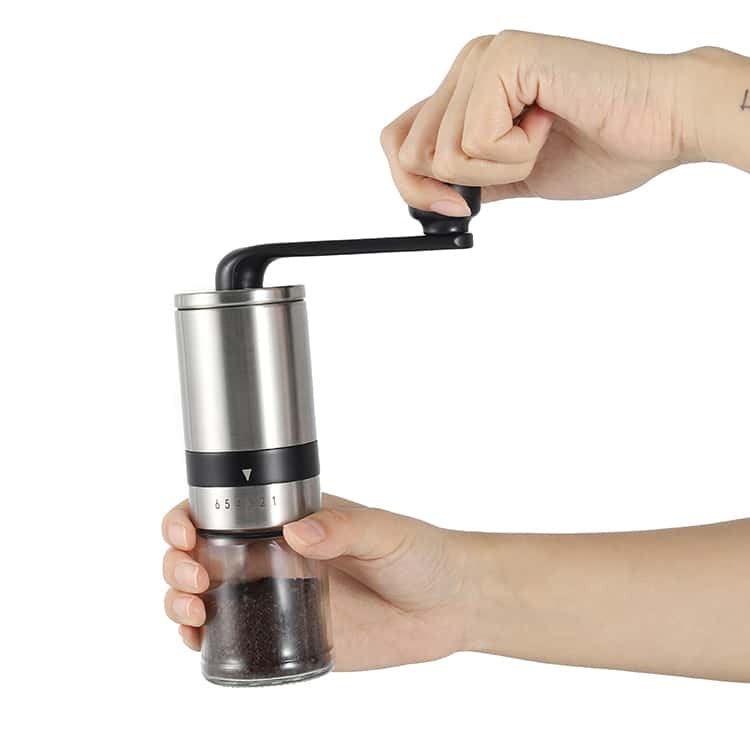
Tweaking a coffee grinder boils down to choosing the proper grind size tailored to your brewing method and personal taste. Quality grinders such as ChefsHere deliver uniformly ground coffee. Experiment with various settings, brew your coffee, sample the flavor and make gradual adjustments. The term “dial in” refers to fine-tuning grind size to achieve optimal taste. Espresso requires a fine grind due to its short brewing time.
Key Takeaways
- Choose the appropriate grind size based on your brewing method. Espresso uses a fine grind; drip coffee uses a medium grind; and French press or cold brew uses a coarse grind.
- Adjusting your grinder by fine-tuning the grind and tasting the coffee helps achieve optimal flavor and balance.
- Clean your grinder regularly to maintain the flavor quality of your coffee. After each setting change, remove any remaining coffee grounds to prevent flavor mixing.
Adjusting coffee grinder settings
Identify brewing method and grind size
Selecting the ideal grind size starts with confirming your brewing style, as each technique demands a specific grind level to unlock the finest coffee flavour.
Espresso calls for fine grounds, suited to its rapid pressure-driven brewing process. Drip coffee works best with medium grinds for well-rounded taste. French press and cold brew require coarse particles, which prevent over-extraction during prolonged steeping.
Grind particle size directly impacts flavour extraction. Finer grounds offer larger surface contact area, speeding up extraction and delivering intense flavours. Coarser grounds slow down the process, resulting in a milder taste. Matching grind thickness to your brewing style maximizes coffee’s aroma and flavour profile.
Set and dial in your coffee grinder
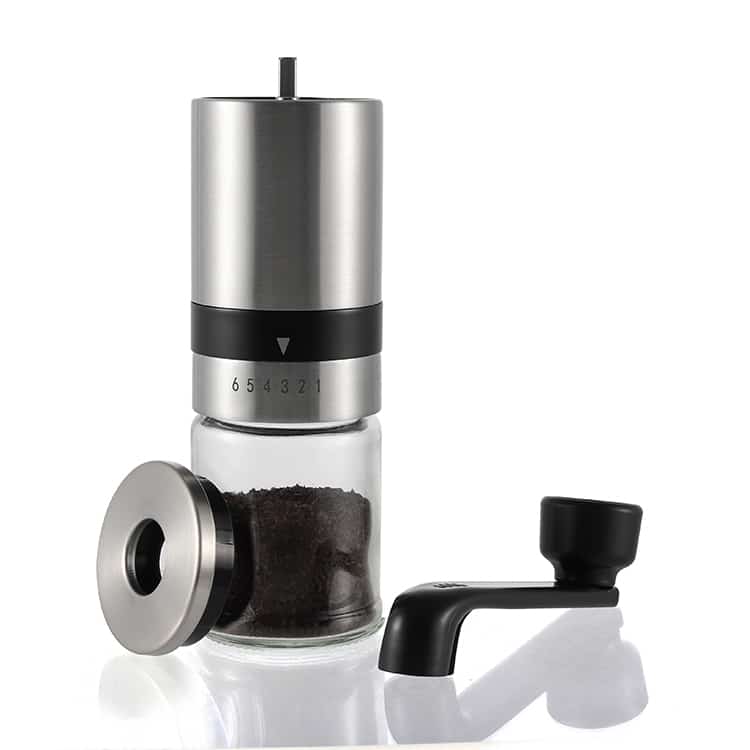
Once you’ve determined the appropriate grind size, calibrate your coffee grinder accordingly. Manual grinders use a rotating ring or finger screw to adjust the burr gap for precise and even grinding. This brand’s portable electric grinders feature user-friendly preset functions to meet different grinding needs and large-capacity brewing.
Fine-tuning involves adjusting the grind size, coffee grounds, and brewing time to achieve optimal brewing results. When making espresso, it’s recommended to start with a medium-fine grind and standard grounds. Brew a test cup of coffee and adjust the grind size based on taste feedback. If the coffee tastes too acidic, the grind is too coarse; if it tastes too bitter, the grind needs to be coarser. Repeat the fine-tuning process until you achieve a harmonious flavor and the right brewing time.
Brew, taste, and refine
Tasting and trial brewing are crucial for grinder calibration. After setting the grind size and grounds, brew coffee and evaluate its flavor. A weak or acidic coffee taste indicates the grind is too coarse; a grind that’s too fine will result in a bitter and harsh flavor. Always adjust the grind size in small increments, removing any remaining coffee grounds before each attempt.
A uniform grind ensures even extraction and a pure flavor. Uneven grind size leads to uneven extraction in each cup, obscuring the original flavor of the coffee beans. Use an electronic scale to accurately weigh the coffee grounds and record the weight before grinding and after brewing. This practice ensures consistent brewing results, allowing you to easily replicate a satisfying flavor.
Troubleshooting and espresso grinder tips
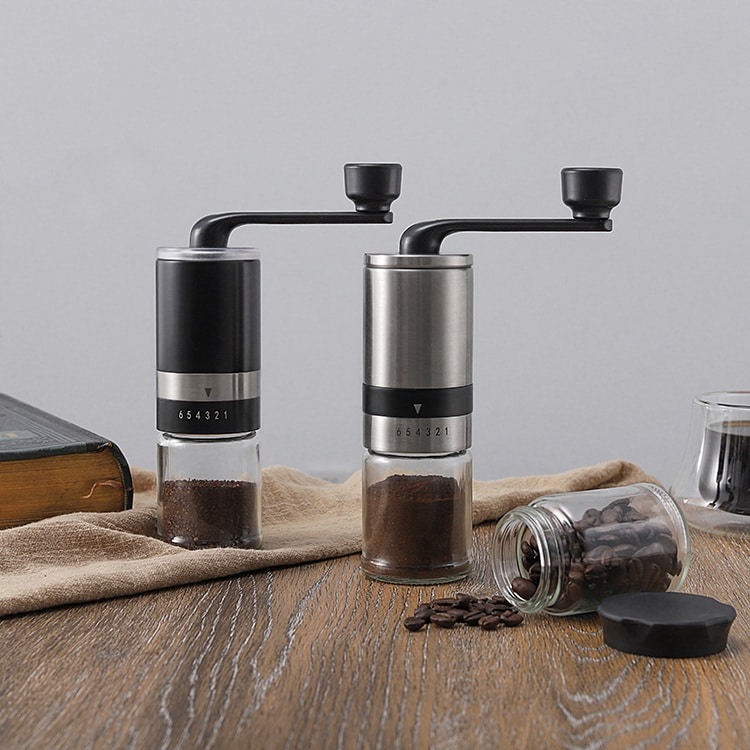
Common Coffee Grinder Problems
Many people experience issues with their coffee grinders. Sometimes, the ground coffee particles are of inconsistent size, leading to uneven coffee flavor. Some coffee grounds brew faster than others. Coffee beans may clog the grinder, causing it to stop working, which also affects the grind size. Static electricity can cause coffee grounds to stick to the grinder, increasing cleaning difficulty and affecting the amount of coffee produced. Regular cleaning and maintenance of the grinder helps avoid these problems and ensures it always works well.
| Issue Type | Cause | Recommended Action |
|---|---|---|
| Sour Coffee | Grind size too coarse | Use a finer grind, increase extraction time, and check water temperature. |
| Weak Coffee | Grind size too coarse or low dose | Use a finer grind, raise the dose, or extend brewing time. |
| Bitter Coffee | Grind size too fine or high dose | Use a coarser grind, lower the dose, or shorten brewing time. |
Espresso Grinder Setup and Tips
Espresso requires a very fine grind and the right amount of coffee grounds. The grinder must grind the coffee grounds finer than salt. Espresso machines use high pressure to force water through the coffee grounds, a process that takes approximately 25 to 30 seconds. Even small changes in grind size or the amount of coffee grounds can significantly affect the taste of the coffee, for example, rapidly changing from acidity to bitterness. To set up your espresso grinder, follow these steps:
- Pick how you will measure your coffee, like single-dosing or by weight.
- Use a scale that measures to 0.1 grams for each dose.
- Change the grind size to get a shot time between 25 and 35 seconds.
- Run a lot of coffee through new grinders before using them for drinks.
- Write down your shot times and change settings to get the best taste.
Quick grind size reference chart
| Brewing Method | Recommended Grind Size | Typical Dose Ratio |
|---|---|---|
| Espresso | Fine (superfine) | 1:2 |
| Drip | Medium | 1:16 |
| French Press | Coarse | 1:15 |
| Pour-Over | Medium-fine to Medium | 1:16 |
| Cold Brew | Coarse | 1:8 |
Adjusting the settings of your coffee grinder will give you your preferred flavor. Choosing the right grind size can prevent your coffee from becoming sour or bitter, making every cup more delicious.
FAQ
How often should I clean my coffee grinder?
For best results, it’s recommended to clean your grinder weekly. This helps maintain the freshness of the coffee flavor and prevents old coffee grounds from affecting freshly ground coffee.
Can I use my coffee grinder to grind spices?
ChefsHere recommends using different grinders for coffee and spices. Mixing them may alter the flavor of the coffee and affect the grinder’s performance.
What grind size is best for cold brew coffee?
A coarse grind contributes to a smoother, less bitter cold brew.