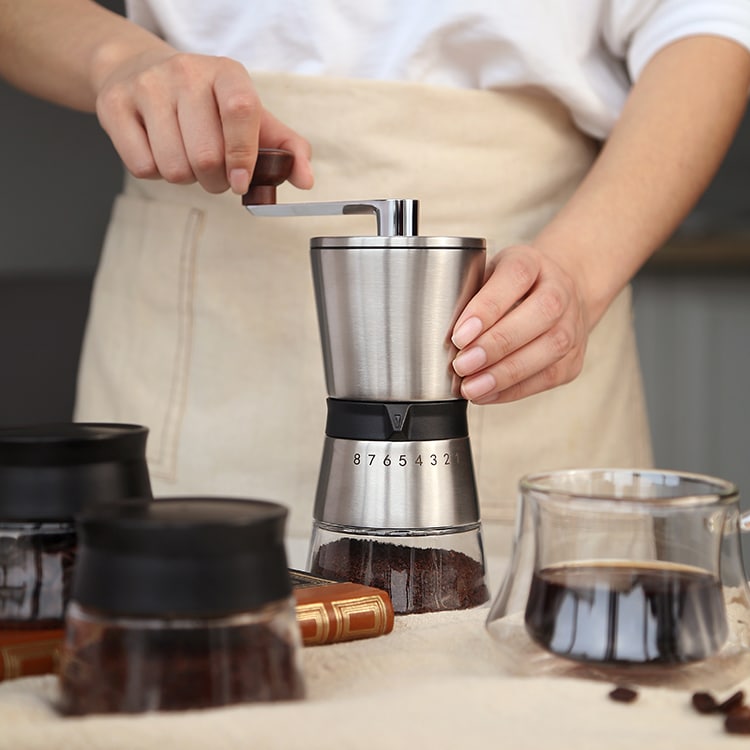
Anyone can clean a handheld coffee grinder by following simple steps. Regular cleaning removes coffee oils and residue that can affect flavor and grind consistency. It also helps the grinder last longer. This is important because leftover oils and bits can alter the taste and make your coffee less enjoyable. Regular cleaning also helps the Custom Portable Manual Burr Coffee Grinder with Ceramic Burr last longer and maintain a consistent grind size. People who want to clean a coffee grinder will find that these steps are effective for many manual types. You do not need special skills—just some time and care.
Key Takeaways
- Use easy tools like a soft brush and a dry cloth for daily cleaning. Do not use water on ceramic burrs because it can hurt them.
- If you smell old coffee or see oil, use special cleaning tablets for a deep clean.
- Make a cleaning plan that fits how much you use your grinder. If you use it every day, clean it once a week. If you use it sometimes, clean it every two weeks.
- Watch for signs that your grinder needs cleaning. These signs are bad coffee taste or changes in how the grinder works.
Tools Needed to Clean Handheld Coffee Grinder
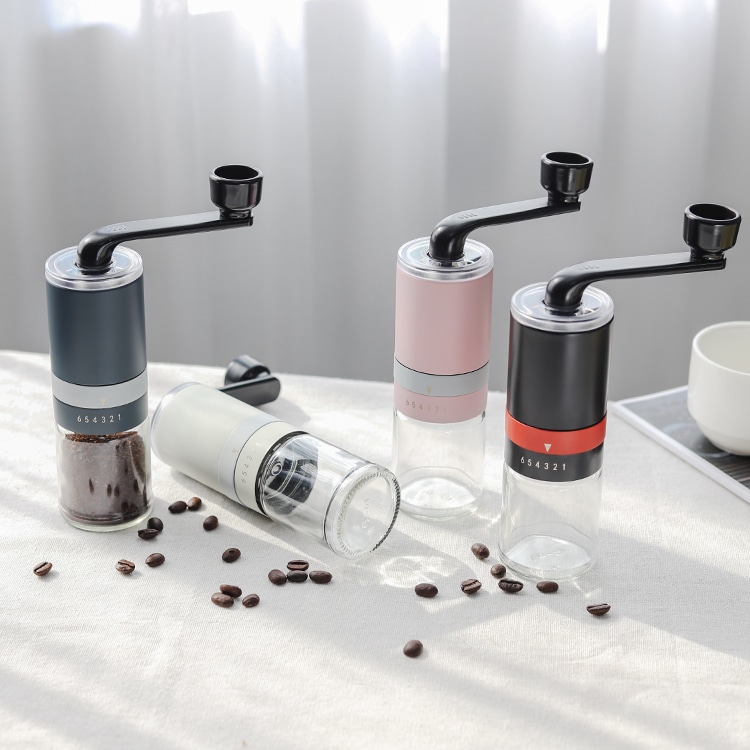
You need the right tools to clean a handheld coffee grinder. These tools help get rid of coffee grounds, oils, and dust inside the grinder. Using good tools keeps your grinder working well. It also makes sure your coffee tastes fresh.
Basic cleaning tools
Most people use easy tools for cleaning. A soft brush helps remove loose coffee grounds from the burrs and hopper. Some brushes have stiff bristles for tough spots. Softer bristles are good for finishing touches. A dry cloth wipes the outside and inside surfaces. Some people use a small air puffer to blow away dust in tight spots. These tools are great for daily cleaning. They stop buildup from happening.
Tip: Always use a dry brush and cloth. Wet tools can harm the ceramic burrs and metal parts.
Optional deep cleaning supplies
Some grinders need deep cleaning after lots of use. Special cleaning tablets, like Urnex Grindz, soak up oils and grime from the burrs and hopper. These tablets clean without water and keep the grinder smelling fresh. A handheld vacuum, such as the Bissell AeroSlim, removes tiny bits from inside the grinder. These supplies help when you change coffee beans or after using the grinder for a long time.
Note: You do not need deep cleaning supplies every time. Use them if you see oil buildup or smell stale odors.
Cleaning often with basic tools keeps the Custom Portable Manual Burr Coffee Grinder with Ceramic Burr working well. Deep cleaning supplies give extra care when needed.
How to clean a handheld grinder: a step-by-step guide
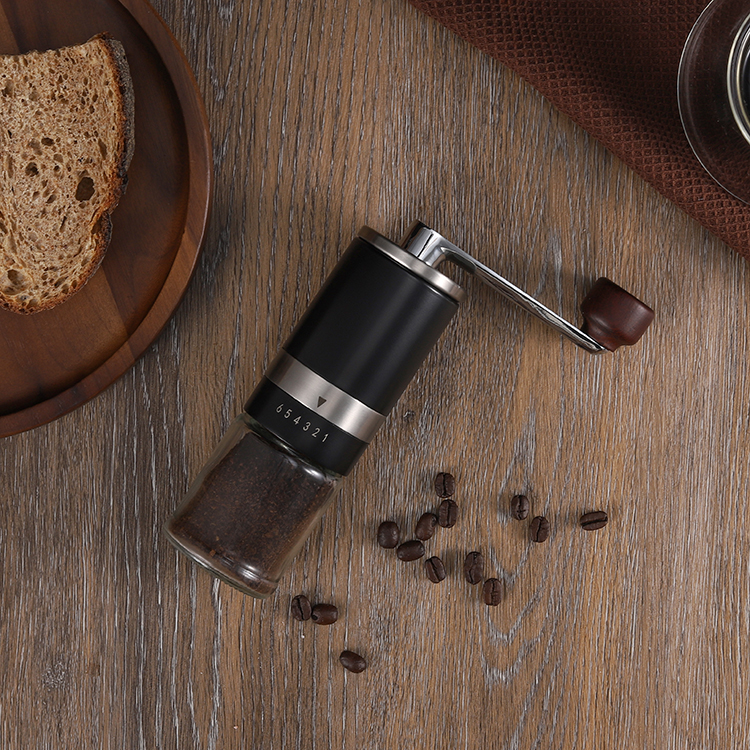
Disassemble the grinder
Start cleaning by taking the grinder apart. The Custom Portable Manual Burr Coffee Grinder with Ceramic Burr has parts you can remove. First, unscrew the thumb nut on top. Next, take off the handle and the inner burr. Be gentle with the burr inserts so they do not break. Remove the top cap, but do not wash it with water. Water can hurt the grinder and make it work badly. Put each part on a clean towel so you can find them easily.
Coffee residue builds up in the grind chamber and near the burrs. Empty the grind chamber often to stop bad smells. Use a dry cloth to wipe parts you can reach. This keeps oil from building up. Focus on the grind chamber and places where coffee grounds collect.
Clean the burrs and hopper
The burrs need careful cleaning. Brushes are best for this job. Nylon-bristled brushes clean small spaces without scratching the ceramic burrs. Do not use water on the burrs. A soft brush sweeps away coffee dust and oils. This keeps the burrs clean and working well.
Wash the hopper with dish soap and water. Clean plastic parts well. Dry them with a microfiber towel. Let them air dry while you clean other parts. Brush the inner burr to remove big pieces of ground coffee. Wipe it with a dry microfiber cloth. For tough spots, use mild detergent and a soft sponge. Do the same for the outer burr. Turn the grinder upside down to get rid of leftover grounds. Clean the coffee chute with a damp cloth. Use a Q-tip for small spaces.
Tip: Brushes work better than compressed air or metal tools. They keep the grinder safe and remove coffee grounds without scratching.
Wipe and dry all parts
After cleaning, wipe every part with a dry cloth. Make sure each part is dry before putting the grinder back together. Wet parts can rust or break. Let the parts air dry completely. This stops mold and bad smells from forming inside the grinder. Drying also keeps the ceramic burrs and metal parts safe.
Here is a table with drying tips:
| Part | Drying Method | Time Needed |
|---|---|---|
| Burrs | Air dry, wipe with cloth | 30 minutes |
| Hopper | Microfiber towel, air dry | 30 minutes |
| Chute | Air dry, Q-tip | 20 minutes |
| Top Cap | Dry cloth only | 10 minutes |
Reassemble your coffee grinder
Reassemble the grinder carefully following the manufacturer’s instructions. Follow the instructions from the maker. Check where each part goes. Make sure all parts fit tightly. Do not force parts if they do not fit. If something is stuck, look for leftover coffee or dirt.
If you put the grinder together wrong, it can be dangerous. Burrs or blades can come loose and break the grinder. They might even fly out and hurt someone. Be careful when putting your grinder back together. Make sure you do it right before turning it on.
When all parts are dry and in place, the grinder is ready to use. Cleaning the grinder often keeps your coffee fresh and helps the grinder last longer. These steps show how to clean the grinder and remove coffee residue. People who want to clean a coffee grinder will find these steps helpful for the Custom Portable Manual Burr Coffee Grinder with Ceramic Burr. Learning how to clean a coffee grinder and a manual coffee grinder keeps it working well. Clean a manual coffee grinder often to stop buildup and bad smells. Clean a coffee grinder after changing beans for best results. Clean handheld coffee grinder parts carefully to keep flavor and performance.
How Often to Clean a Coffee Grinder
Cleaning frequency tips
If you use a handheld coffee grinder every day, clean it more often. Cleaning regularly keeps the grinder working well. It also helps your coffee taste fresh. Daily active users can perform a deep clean weekly, while occasional users can perform a clean every two weeks.
Cleaning a coffee grinder on a schedule helps in many ways:
- Cleaning often keeps the grind quality steady and the coffee flavor good.
- Oil from coffee beans can build up and cause bad flavors.
- Coffee residue can change the taste of new coffee if not cleaned.
If you want the best taste, clean your grinder after changing to a new bean. This removes old flavors and keeps each cup tasting pure. Cleaning a coffee grinder also stops mechanical problems and keeps the grinder running smoothly.
Tip: Set a reminder on your phone or calendar to clean your coffee grinder. This helps you remember and keeps your coffee tasting great.
Signs your grinder needs cleaning
Sometimes, a grinder needs cleaning before the next scheduled time. Look for these signs:
| Warning Sign | What It Indicates | Action Needed |
|---|---|---|
| Shot times gradually change (±5+ seconds from normal) | Oil buildup affecting particle distribution | GRINDZ cleaning needed |
| Dosing weight varies (> 0.3 g between shots) | Particles sticking in discharge path | Clean spout and grinding chamber |
| Visible clumping in grounds | Static buildup in grinding chamber | Clean with GRINDZ, remove and wipe flapper |
| Motor sounds different (louder, new vibrations) | Buildup forcing motor to work harder | Immediate deep clean required |
| Off-flavors in espresso (bitter, stale notes) | Old oil contamination | Full cleaning cycle and hopper sanitization |
Other signs include:
- You see residue or oil building up.
- Grinds look strange after switching beans.
- The grinder makes weird noises or grinds slower.
- It is hard to change the grind settings.
If you notice these signs, clean your coffee grinder right away. This keeps the grinder working well and makes sure every cup tastes great.
Maintenance Tips to Clean Your Coffee Grinder
Prevent buildup and odors
Coffee grinders work well if you take care of them. You should take apart the grinder by following the manual. Use a soft-bristled brush to clean out old coffee grounds. Wipe each part with a dry or slightly damp cloth. Only use soap if you really need it. Make sure all parts are dry before putting them back together. These steps stop buildup and bad smells.
Always use dry beans in your Custom Portable Manual Burr Coffee Grinder with Ceramic Burr. Dry beans help keep oil and residue out of the grinder. This keeps the grinder working well and stops old smells from ruining your coffee. Clean the grinder after you change bean types. This keeps flavors from mixing. It also keeps each coffee tasting special. Old oils and grounds can mix with new beans and make coffee taste bad. Cleaning helps you get the best grind for new beans.
Tip: If you clean your grinder often, it is easier to keep it clean and your coffee tastes fresh every time.
Long-term care and storage
Taking care of your grinder helps it last longer. Check the burrs often to see if they are worn or broken. If burrs are dull or chipped, replace them. Look at the instructions from the maker for help.
Store your grinder in a cool, dry place. Keep it away from sunlight and heat. Moisture and heat can damage the grinder. Clean the grinder and the area around it often to remove coffee dust. Use a soft cloth to wipe surfaces. Put the grinder in a cabinet or cover it with a clean cloth when you are not using it.
Here is a table with storage tips:
| Storage Tip | Benefit |
|---|---|
| Store in cool, dry area | Prevents moisture damage |
| Avoid sunlight and heat | Stops wear and fading |
| Clean area and grinder often | Reduces dust and residue |
| Cover or cabinet storage | Protects from dirt and spills |
These tips help you enjoy fresh coffee and make your Custom Portable Manual Burr Coffee Grinder with Ceramic Burr last longer.
Regular cleaning ensures consistent grind quality and fresh flavor in every cup. Make it part of your coffee routine to keep your grinder performing at its best. When you clean it often, you remove oils and old coffee bits. This keeps the grind even and stops problems with the grinder.
- Your coffee tastes better because there are no old bits.
- Clean burrs help the grind stay the same each time.
- Less buildup means your grinder works longer.
| Cleaning Step | Benefit |
|---|---|
| Routine cleaning | Better taste and longer life |
| Burr checks | Consistent grind size |
| Deep cleaning monthly | Improved performance |
If you clean your grinder as part of your coffee habit, it stays in good shape. This helps your Custom grinder work well and makes every cup taste great.
FAQ
How often should someone clean a handheld coffee grinder?
Clean weekly for daily use, or every two weeks for occasional use.They should clean after switching coffee beans to keep flavors fresh.
Can someone use water to clean the ceramic burrs?
He should avoid using water on ceramic burrs. Water can damage the burrs and cause rust. She should use a dry brush or cloth for cleaning. They can use mild detergent only for plastic parts.
What is the best cleaning method for stubborn coffee residue?
He can use a soft brush and cleaning tablets for tough residue. She should avoid metal tools. They can use a handheld vacuum for deep cleaning. This cleaning method keeps the grinder safe and removes buildup.
How does cleaning a manual grinder differ from how to clean an electric burr grinder?
He must disassemble the manual grinder by hand. She uses brushes and cloths for cleaning. They follow similar steps for how to clean an electric burr grinder but may need to unplug and clean motor parts.
Can someone clean a blade grinder with the same tools?
He can use a brush and cloth for cleaning a blade grinder. She should avoid water on blades. They can use cleaning tablets for deep cleaning. The cleaning method works for both burr and blade grinders.