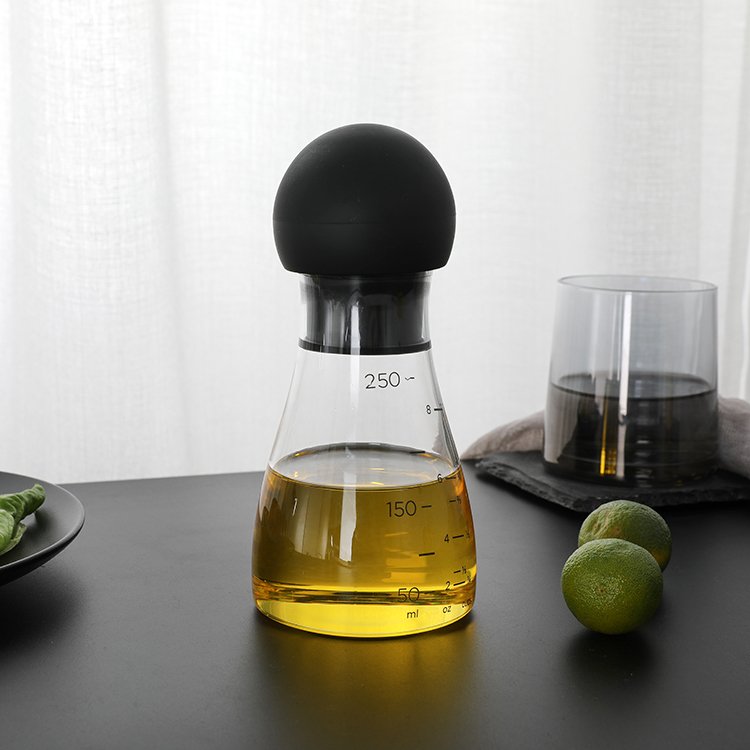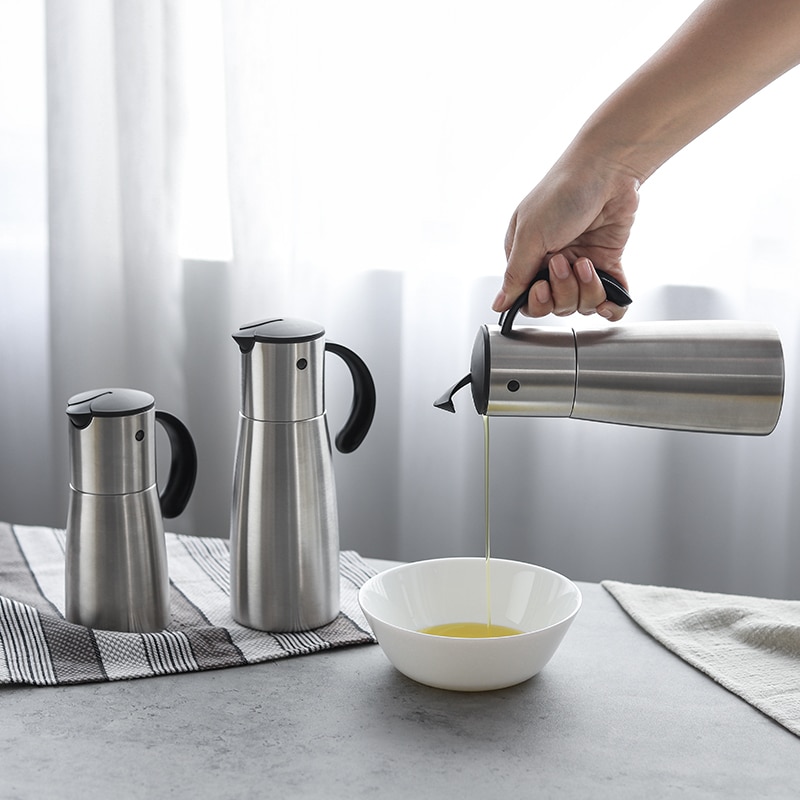
You use a quality oil vinegar pourer for precise control over every pour. A great pourer helps you pour vinegar with ease. You use this pourer for drizzling vinegar.
The right spout gives you control over each pour. You use this oil vinegar pourer to pour your vinegar. A good pourer is a pourer with a great spout for your vinegar pour.
Choosing the Perfect Oil Vinegar Pourer
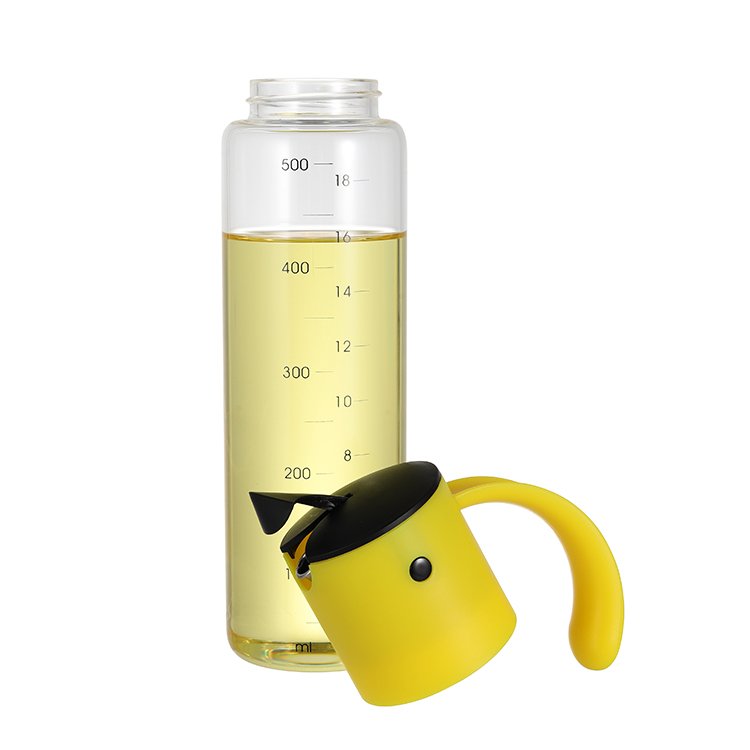
Choosing the right oil vinegar pourer begins with two fundamental decisions: the material of the bottle and its size. These choices directly impact the flavor of your ingredients, their shelf life, and your daily convenience in the kitchen. You want a pourer that not only looks good but also functions perfectly for every pour.
Material Matters: Glass, Steel, or Ceramic?
The material of your balsamic vinegar bottle pourer is more than just an aesthetic choice; it is your first line of defense in preserving the quality of your oils and vinegars. You must select a material that protects against light and air, the two biggest enemies of freshness.
Glass: You will find glass is a popular choice because it is non-reactive and does not alter the flavor of your oil or balsamic vinegar. Clear glass lets you see how much is left, but it also exposes the contents to light, which can degrade quality. For better preservation, you should use a pourer made of dark or amber glass. This type is the gold standard for blocking harmful UV rays.
AspectPros of a Glass PourerCons of a Glass PourerFlavorPreserves pure flavor; does not leach chemicals.Clear glass can lead to quality degradation from light.VisibilityYou can easily see the content level in clear glass.You cannot see the level in dark or opaque glass.ProtectionDark glass blocks up to 99% of UV light.Clear glass offers no UV protection.DurabilityBorosilicate glass offers excellent durability.Standard glass can be fragile if you drop it. Stainless Steel: This material offers superior durability and completely blocks light, protecting your oil from oxidation. You can use a steel balsamic vinegar bottle pourer for years without worry. Stainless steel pour spouts are also very common. While it preserves nutrients effectively, some users may notice a faint metallic taste over time, so it is a factor to consider for your pourer. The design of these pour spouts is often sleek and modern.
Ceramic: A ceramic balsamic vinegar bottle pourer provides the ultimate protection from light. It also keeps the contents cooler, which is ideal for delicate oils you use for drizzling. Ceramic preserves the taste of your balsamic vinegar perfectly. The main drawback is that it can be more challenging to clean thoroughly compared to glass. The pour spouts on a ceramic bottle are often part of the design.
Chef’s Tip: For your finest extra virgin olive oils, you should always use an opaque pourer. Amber glass, stainless steel, or ceramic will protect the delicate flavor compounds and antioxidants that make a high-quality oil special. A good spout is essential for a controlled pour.
Size and Capacity: Match Your Consumption
The size of your oil vinegar pourer should match how you cook. A pourer that is too large for a rarely used specialty vinegar can lead to waste, while a pourer that is too small for your everyday cooking oil will require constant refilling.
To find your perfect size, you can estimate your monthly consumption. A good rule of thumb is about 500 ml (or 17 oz) of cooking oil per person each month. A family of four, for example, would use approximately 2 liters (or 68 oz) monthly. You can use this to guide your choice.
- For Everyday Use: If you are constantly reaching for olive oil for sautéing or dressing salads, you should choose a larger balsamic vinegar bottle pourer, typically between 17-24 oz (500-700 ml). This reduces how often you need to refill the bottle. Many pour spouts are designed for this volume.
- For Specialty Ingredients: For expensive balsamic vinegar or infused oils used for drizzling, a smaller balsamic vinegar bottle pourer of 10-17 oz (300-500 ml) is ideal. This size ensures you use the contents while they are at peak freshness. The pour spouts on a smaller bottle help you manage a delicate pour.
When you refill any pourer, always ensure the bottle is clean and completely dry. According to food safety standards, you must only store oils in an oil bottle and vinegars in a vinegar bottle to prevent cross-contamination. This practice maintains the integrity of your ingredients. You should also check the compatibility with different bottle sizes if you plan to use interchangeable pour spouts. The right spout makes every pour perfect.
Decoding Pour Spouts for Ultimate Control
The spout is the most critical part of your oil vinegar pourer. It determines your level of flow control and precision. The right spout lets you move from a generous pour for sautéing to a delicate drizzle for finishing a dish. Understanding the different types of pour spouts helps you master every pour. Let’s explore the most common designs to find the perfect match for your kitchen needs. The importance of flow control cannot be overstated when you want consistent results. You can also find spouts with integrated measures for perfect measuring.
The Weighted Spout
You will appreciate the convenience of a weighted spout. This clever pourer features a small weight that automatically opens the spout when you tilt the bottle to pour. When you set the bottle upright, the spout closes by itself. This hands-free operation is perfect for busy cooking sessions. This design gives you excellent flow control.
These pour spouts are versatile. You can use them for a wide range of your favorite oils and vinegars.
- Oils: This pourer is ideal for your everyday Extra Virgin Olive Oils, infused olive oils, and other specialty oils.
- Vinegars: You can confidently use this spout for dark balsamic vinegar, white balsamic vinegar, and even wine or cider vinegar.
The automatic seal helps protect your oil or balsamic vinegar from dust between uses. This makes the weighted spout a practical and popular pourer.
The Flip-Top Cap
You can protect your ingredients with a flip-top cap spout. This design features a hinged lid that covers the opening of the pourer. The cap acts as a protective barrier. It effectively shields the spout from dust, dirt, and other kitchen debris. You use the small lever to open the cap for a clean pour.
Kitchen Hygiene Tip: A flip-top cap creates a secure seal when closed. This seal is vital for maintaining the purity of your oil or balsamic vinegar. It prevents external particles from entering the bottle, which is crucial for keeping your ingredients fresh and uncontaminated.
This type of spout is a simple yet effective solution. It ensures every pour from the bottle is as clean as the first. You can use this pourer for any oil or vinegar you want to keep well-protected.
The Tapered Spout
You gain ultimate precision with a tapered spout. This classic design features a long, narrow nozzle that tapers to a small opening. The shape is engineered for a slower, more controlled flow. This design gives you a precise and consistent pour every time. An air vent is often included in these pour spouts to prevent gurgling and ensure a smooth, uninterrupted flow. This feature is key for accurate measuring.
Chefs often recommend these pour spouts for tasks requiring a delicate touch. You can use them for:
- Adding finishing touches to desserts.
- Creating intricate designs with sauces or balsamic glaze.
- Careful drizzling of expensive truffle oil.
- Measuring small amounts of vinegar for a vinaigrette.
The tapered spout gives you the flow control needed for beautiful presentation and accurate measuring. It is an essential tool for any cook who values precision.
The Cork and Spout Combo
You can get a classic look and a reliable seal with a cork and spout combo. This pourer combines a metal or plastic spout with a natural cork stopper. The cork creates a snug, airtight seal inside the bottle neck. This seal blocks out air and dust, preserving the fresh taste of your oil or balsamic vinegar. The design of these pour spouts also helps you achieve a mess-free pour.
The natural cork offers unique benefits. However, it requires some care.
| Stopper Material | Fit Versatility | Sealing Capability |
|---|---|---|
| Natural Cork | Less flexible; fits specific bottle sizes | Porous; creates an airtight seal but can degrade |
| Silicone/Rubber | Highly flexible; fits most bottle necks | Excellent; creates a secure, leak-proof seal |
To maintain your cork, you should store the bottle on its side when possible. This keeps the cork moist and prevents it from drying out and crumbling. This simple step ensures your pourer provides a great seal for a long time. You can use this pourer for your favorite balsamic vinegar.
Mastering the Use of Your Pourer
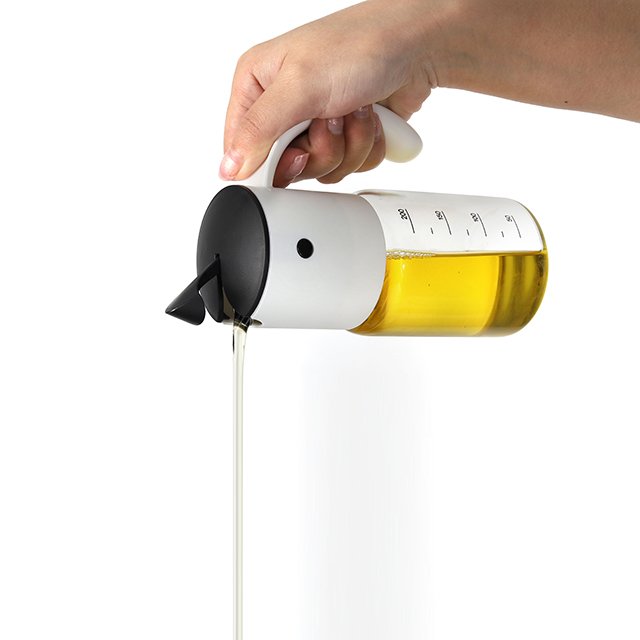
You can elevate your kitchen skills by mastering your oil and vinegar pourer. Proper technique ensures a perfect pour every time, while correct cleaning and storage protect your ingredients and your pourer. You can use your pourer with confidence for any task.
Techniques for a Perfect, Drip-Free Pour
You achieve a perfect, drip-free pour by controlling the bottle’s angle. You should tilt the pourer gently to start the flow. A steep angle can cause a messy rush of balsamic vinegar. You can use a steady hand to find the right angle for a controlled pour. For decorative work, you can use a zigzag motion for drizzling over salads. A good pourer gives you the ease of use needed for cooking and measuring ingredients. You can use a spoon to create dots or streaks with a thick balsamic vinegar. The right pourer makes every pour precise.
Cleaning Your Pourer for Longevity
Regular cleaning is essential for the maintenance and durability of your pourer. You should clean your pourer often to prevent oil residue from becoming rancid. For daily use, you can rinse your pourer weekly and deep clean it monthly.
Pro Tip: You should always hand-wash your pourer in warm, soapy water. Avoid the dishwasher, as high heat can damage the mechanisms and finish.
For a deep clean, you can use simple cleaning techniques. A long soak in hot water with baking soda effectively removes buildup from your balsamic vinegar pourer. This simple step preserves the fresh taste of your oil or vinegar. You use this method to ensure your pourer lasts.
Best Practices for Storing Your Pourer
You must store your pourer correctly to protect your oil and vinegar. You should keep your pourer away from heat and direct sunlight, such as a hot stove or a sunny window. Exposure to light and heat will degrade the quality of your balsamic vinegar. Always use the cap that comes with your pourer. A sealed pourer protects the contents from air and dust, which prevents oxidation. You use this practice to keep your oil and vinegar fresh for every pour. Proper storage ensures your pourer is always ready for use.
You use the right oil vinegar pourer for total control. This pourer helps your balsamic vinegar pour. You use this pourer for drizzling balsamic vinegar. This pourer has a great spout for your balsamic vinegar pour. You use this pourer for your balsamic vinegar. This pourer helps your balsamic vinegar pour. You use this pourer for drizzling balsamic vinegar. This pourer has a spout for your balsamic vinegar pour. This pourer gives you control for your balsamic vinegar pour. This pourer has a spout for your balsamic vinegar.
FAQ
How often should I clean my balsamic vinegar pourer?
You should clean the pourer weekly. This keeps your balsamic vinegar fresh. Proper care for your balsamic vinegar pourer ensures your balsamic vinegar and other balsamic vinegar taste great.
Can I use one bottle for both oil and balsamic vinegar?
You should not. Use a separate bottle for oil. This protects the pure taste of your balsamic vinegar, balsamic vinegar, balsamic vinegar, and other types of vinegar.
What is the best vinegar for a tapered spout?
A tapered spout is perfect for a delicate balsamic vinegar. You can control the flow of your balsamic vinegar or any thin vinegar for a beautiful drizzle of balsamic vinegar.