Many home cooks ask, can an oil spray bottle be used to spray vinegar? The answer is yes. Most food-grade oil spray bottles are safe to use for spraying vinegar. This tool helps cooks easily add flavor to salads or vegetables. People love kitchen gadgets that make cooking simple and fun.
Key Takeaways
- As long as the oil spray bottle is food-grade, it can be used to spray vinegar. Always check the product details before use. Choose a spray bottle with a dual-chamber design and adjustable spray volume. These features can enhance the cooking experience. Clean the spray bottle after each use. This prevents clogging and keeps food fresh. Washing with warm water helps keep the spray bottle in good working order. Do not leave vinegar in the spray bottle for extended periods. This can damage the bottle. An oil spray bottle helps you spray food evenly and control the amount used. This not only adds flavor easily but also avoids waste.
Oil Sprayer Compatibility with Vinegar

Types of Oil Sprayers
Choosing the right oil sprayer for spraying vinegar is both safe and convenient. Many newer oil sprayers are dual-purpose (oil and vinegar). The table below lists some features that help when using an oil spray gun with vinegar:
| Feature | Description |
|---|---|
| Dual-Chamber System | Lets you keep oil and vinegar apart so flavors do not mix. |
| Adjustable Dosing Mechanism | Lets you spray only oil, only vinegar, or both together. |
| Non-Aerosol Pump Action | Makes a fine mist without chemicals, so it is good for vinegar. |
These features help chefs control the amount of liquid used and prevent flavor mixing. Some oil-vinegar-dispenser also support quick switching between oil and vinegar, making it easy and quick to apply vinegar to food.
Material Considerations
The material of the oil spray gun is crucial when using vinegar. Vinegar is acidic and can react with certain substances. ChefsHere uses food-grade materials that meet high European and American standards, ensuring its products are safe for use with a variety of liquids.
Tip: Always read the instructions before putting vinegar in your oil sprayer. Some materials, like aluminum, do not work well with acids.
When choosing a spray bottle for storing vinegar, please note the following:
- Glass spray bottles are suitable for vinegar because glass does not react with acetic acid.
- Stainless steel and sturdy food-grade plastic are also safe choices.
- Do not leave vinegar in the spray bottle for extended periods. Rinse thoroughly after each use to prevent damage and maintain its good performance.
ChefsHere always prioritizes quality, so its products are safe, reliable, and suitable for everyday use. Their commitment to food-grade standards means you can trust their spray bottles, whether for oil or vinegar.
Benefits of spraying vinegar with an oil sprayer
Even Coverage
Spraying vinegar with an oil sprayer gives food a light and even layer. This method helps cooks avoid pouring too much in one spot. The fine mist from the sprayer covers salads, vegetables, or bread evenly. People notice that every bite tastes the same.
- The oil sprayer spreads the liquid in a thin, wide pattern.
- Each spray gives a gentle coat, so food does not get soggy.
- The sprayer prevents waste by using only what is needed.
Tip: Even coverage means less mess and better flavor in every dish.
Portion Control
Many chefs want to control the amount of vinegar they use. An oil sprayer helps control the amount. Each press dispenses a fixed amount, making it easy to avoid overdoing it. Those who are mindful of their salt or acid intake will find this feature very useful.
- The oil sprayer allows users to add only a small amount of vinegar each time.
- It helps maintain a nutritionally balanced and healthy recipe.
- Controlling the amount also reduces waste, thus saving money.
Adjustable Settings
Some sprayers feature adjustable settings, allowing chefs to choose between a fine mist or a continuous spray. This feature caters to different cooking needs. For example, a fine mist is suitable for salads, while a continuous spray is helpful for roasting vegetables.
ChefsHere has these features in mind when designing their sprayers. Their products use food-grade safe materials and clever design. Many award-winning sprayers, such as the Evo 18oz reusable sprayer, use a fan-shaped spray and a non-aerosol system. These designs are ideal for spraying vinegar and ensure a safe and hygienic kitchen.
Note: Innovative sprayers do not use chemical propellants, making them healthier and more environmentally friendly.
Problems with spraying vinegar with an oil sprayer
Corrosion Risks
Vinegar is an acidic substance that reacts with certain metals and plastics. Many users have reported that vinegar causes plastic bottles to leak. Some have even found that vinegar corroded the bottom of the spray bottle within just one week. Metal parts may also discolor or corrode after contact with vinegar. This is because vinegar corrodes some fragile materials over time.
ChefsHere uses food-grade, corrosion-resistant materials and undergoes rigorous quality control testing. This helps ensure the safety and lifespan of the sprayers. To avoid damage, users should not leave vinegar in the sprayers for extended periods. Rinsing the sprayers after each use helps protect the components.
Tip: Always empty and clean the sprayer after using vinegar. This simple step keeps the tool in good shape.
Clogging Problems
Clogging is a common problem when using a sprayer to spray vinegar. Users often report that the oil solidifies inside the sprayer. This buildup can clog the nozzle, causing spraying to stop. Cleaning with hot water and vinegar helps remove blockages. Some people find that spraying is more stable after cleaning with a mixture of hot water and vinegar.
- Oil can harden and clog the nozzle.
- Regular cleaning can prevent clogging.
- Hot water and vinegar are good maintenance methods.
ChefsHere products are designed for ease of cleaning. Their sprayers feature removable parts for easy cleaning. This design helps users keep the sprayers running smoothly.
Flavor Contamination
Frequent switching between oil and vinegar without cleaning the sprayer can lead to flavor contamination. The strong taste of vinegar mixes with oil, altering the flavor of food. This is more likely to occur if the sprayer is not thoroughly cleaned after each use.
To avoid this, users should rinse the sprayer with warm water after each use. ChefsHere prioritizes quality and durability, making its sprayers easy to clean. This helps preserve the original flavor of ingredients and ensures delicious food.
Note: The sprayer should be cleaned every time the liquid is changed. This helps preserve the original flavor of ingredients and prevents off-flavors.
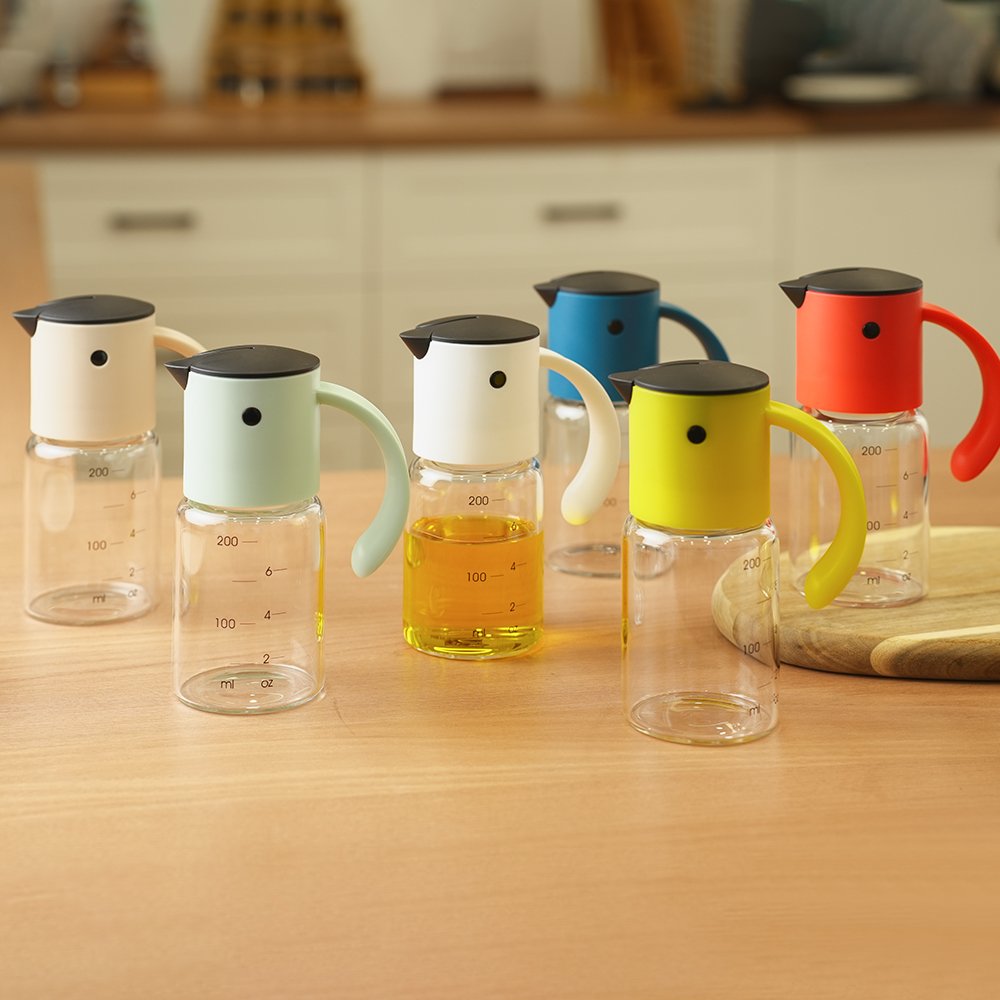
Using a Spray Bottle for Balsamic Vinegar
Cleaning Steps
Cleaning your spray bottle helps keep the flavor fresh. If not cleaned, balsamic vinegar can leave a sticky residue. Here are simple cleaning steps:
- Rinse the bottle with warm water after use.
- Fill the bottle halfway with water and add a small amount of dish soap.
- Shake the bottle to spray out soapy water.
- Rinse again with clean water until no dish soap residue remains.
- Leave the cap open and let the bottle air dry.
Tip: Water mixed with vinegar cleans chrome and stainless steel parts well. This helps remove leftover balsamic and keeps the bottle shiny.
Tests show that vinegar and water can remove most bacteria. However, vinegar doesn’t kill all viruses, so frequent cleaning is necessary.
Switching Between Liquids
Changing from balsamic vinegar to other liquids requires careful cleaning of the bottle. If the bottle isn’t cleaned, the flavors of the two liquids may mix, altering the taste. How to change the liquid:
- Empty the bottle completely.
- Rinse several times with warm water.
- Rinse the nozzle with clean water to remove any residual balsamic vinegar.
- Clean all removable parts, such as the cap and sealing ring.
- Be sure to dry all parts thoroughly before adding new liquid.
Professional kitchens use spray bottles to store balsamic vinegar. Spray bottles help chefs control the amount used and prevent spills. Using spray bottles makes it easy to change different liquids and avoids cross-contamination of odors.
Prolonging Sprayer Life
Proper care of your spray bottle helps extend its lifespan. Kitchenware experts recommend the following steps:
- Wash the bottle after each use to prevent the buildup of sticky substances.
- Read the instructions before using a dishwasher. High temperatures may damage the sealing ring.
- Inspect the cap and sealing ring for cracks or bends. If damaged, replace them to ensure a tight seal.
- Use reusable bottles instead of disposable bottles.
| Product Name | Certification | Capacity | OEM | Logo | Packing |
|---|---|---|---|---|---|
| Cooking Olive Oil Spray | LFGB | 70ml | Available | Available | White Box |
| Oil Penguin Shape Dispenser | LFGB, TUV | 100ml | N/A | N/A | N/A |
ChefsHere spray bottles meet strict European food-grade standards. These certifications indicate that the product is safe and reliable for everyday use.
Note: Using a spray bottle to spray balsamic vinegar allows chefs to better control the amount and keep the kitchen clean. Regular maintenance ensures the sprayer works properly every time.
Choosing a food-grade material makes spraying vinegar from an oil bottle very convenient. Regularly cleaning the sprayer prevents flavor mixing. Rinsing after each use ensures the sprayer’s safety. High-quality kitchenware like ChefsHere is durable and easy to clean.
Tip: Empty and wash the sprayer after every use for best results.
Choosing high-quality products and maintaining them properly allows chefs to enjoy fresh and delicious food while keeping the kitchen clean.
FAQ
Will vinegar damage a spray gun?
If a spray gun is made of inferior materials, vinegar may damage it. Glass and stainless steel spray guns are more acid-resistant. Users should rinse the spray gun after each use to prevent corrosion and maintain its proper function.
Is vinegar suitable for all spray guns?
Not all spray guns are safe to clean with vinegar. Some plastics or metals can react with acids. ChefsHere recommends using food-grade materials for safety. Reading the instructions will help users avoid problems.
How often should I clean the spray gun after using vinegar?
The spray gun should be cleaned after each use. This habit prevents clogging and keeps food fresh. Vinegar is a mild cleaner and deodorizer, but regular cleaning is most effective.
Can I use vinegar in a spray bottle for cleaning?
Yes, using vinegar in a spray bottle works very well. Vinegar is a low-toxicity cleaner that helps remove odors and minor stains from kitchen surfaces.
Will vinegar leave a strong smell in the spray gun?
If vinegar residue remains inside the sprayer, it may leave an odor. Rinsing with warm water will remove most of the odor. Letting the sprayer air dry will also help keep it fresh for next use.