Stainless steel is the ideal material for oil dispensers. Boasting excellent rust and corrosion resistance, it shields cooking oil from light and air exposure to keep contents fresh and safe. Fully compliant with food-grade requirements, this material never reacts with oil, guaranteeing healthy cooking. Durable, easy to clean and able to retain its sleek polished finish, stainless steel performs perfectly in both home and commercial kitchens.
Key Takeaways
- Stainless steel is the best material for oil dispensers. It won’t rust or corrode, keeping the oil fresh and safe.
- Glass oil dispensers retain the aroma and taste of oil better than plastic ones. However, glass is fragile and more expensive.
- Ceramic oil dispensers are aesthetically pleasing and effectively block light and air. However, they must be handled with care as they are easily broken if dropped.
- Choosing the right size and material helps maintain oil quality and reduces waste in homes and restaurants.
- For safety, oil dispensers must be cleaned regularly to extend their lifespan and keep the oil pure.
Types of Oil Dispensers

Choosing the right oil dispenser is crucial in every kitchen. Each type of olive oil dispenser has its unique functions for storing and pouring oil. The table below lists some of the most common types and their market share:
| Type of Oil Dispenser | Market Share Description |
|---|---|
| Conventional Oil Dispenser | Holds the largest market share. |
| Glass Material Dispenser | Most popular due to non-reactive nature and aesthetic appeal. |
Advantages and Disadvantages of Glass Oil Bottles
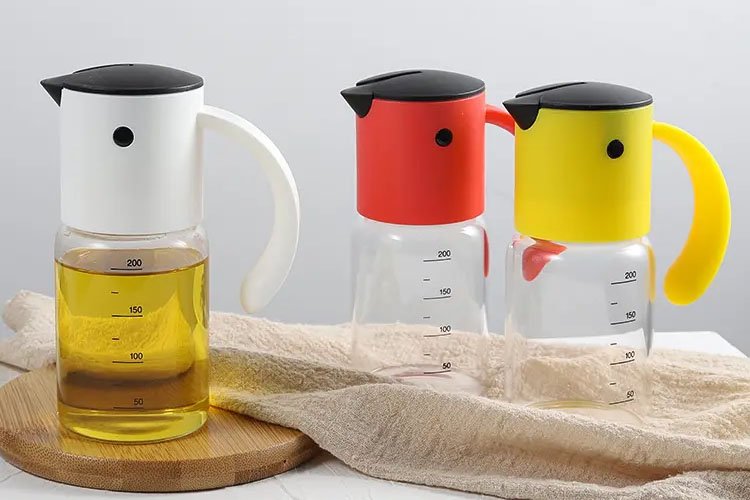
Glass oil bottles are a popular choice for home kitchens. Glass is an inert material that does not react with oil, preserving its original flavor and aroma. Olive oil stored in glass bottles can typically stay fresh for 18 to 24 months. Dark glass blocks ultraviolet light, slowing oxidation and protecting valuable nutrients such as vitamin E and polyphenols. It also effectively blocks oxygen, further locking in the oil’s taste and aroma.
Compared to plastic containers, glass performs better in preserving oil’s flavor. Research from the Olive Center at UC Davis shows that after six months of storage, the peroxide value of olive oil in glass bottles is 50% lower than that in plastic bottles.
However, glass also has its disadvantages. It is fragile and easily breaks if dropped. Furthermore, glass products are more expensive to produce and transport, and shatterproof or lightweight glass products are even more expensive. Despite these drawbacks, professional chefs and home cooks still prefer glass oil bottles because of their chemical stability and excellent preservation properties.
| Advantages | Disadvantages |
|---|---|
| Protects oil from UV light | Higher production and retail costs |
| Does not react chemically with oil | Fragility during shipping and handling |
| Excellent oxygen barrier | Additional costs for shatter-resistant options |
| Retains sensory qualities longer than plastic |
Ceramic oil dispensers
Ceramic olive oil bottles combine an attractive design with practical oil storage functionality. This material effectively insulates against heat, light, and air, preserving the fresh taste of extra virgin olive oil and delaying spoilage.
Ceramic oil bottles come in a variety of styles suitable for home kitchens and restaurants. While ceramic is more shatter-resistant than glass, it is still fragile upon impact and requires careful handling. Furthermore, ceramic is not as robust as stainless steel.
Stainless steel oil bottle
Stainless steel olive oil bottles are durable and highly functional, making them an ideal solution for oil storage. They block light, preventing photo-oxidation, and isolate the olive oil from air, locking in its original flavor and nutritional value. Stainless steel bottles offer excellent rust and corrosion resistance.
All ChefsHere products are made from food-grade stainless steel to ensure safety and superior quality. Our factory uses advanced production equipment and rigorous inspection processes, fully complying with food safety standards.
Spray oil dispensers
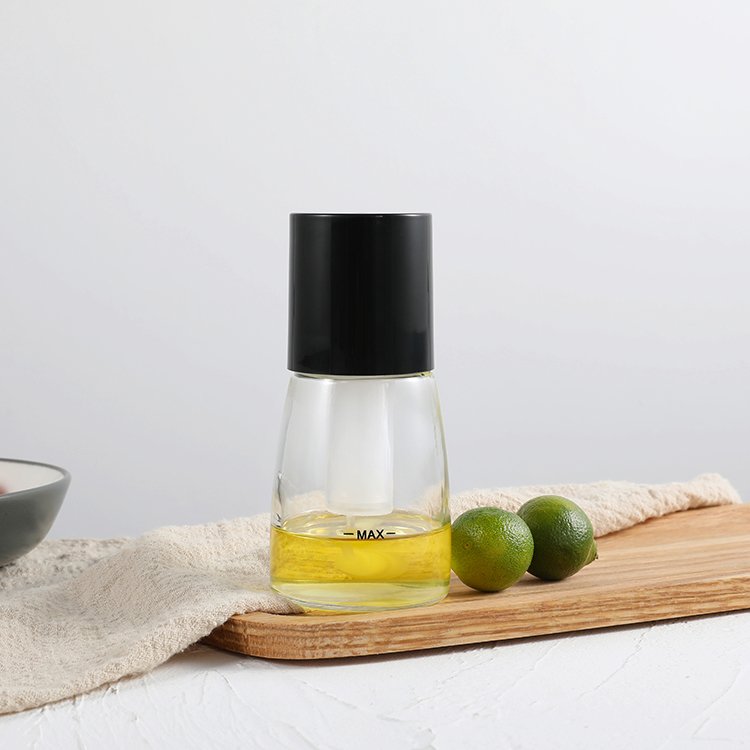
Spray oil dispensers offer a modern way to dispense measured amounts of cooking oil. These oil dispensers allow for precise control of oil usage, reducing fat and calorie intake—making them a favorite among health-conscious users and professional chefs.
The fine mist sprayed evenly over food makes these oil dispensers ideal for air fryers, grilling, and salad preparation. Most models are made of durable glass or stainless steel, ensuring a long lifespan and easy cleaning and refilling with just soap and water. Some dual-function designs support both pouring and spraying modes, offering greater versatility. The even mist also enhances the texture and flavor of dishes.
In short, spray oil dispensers make cooking healthier with their precise oil dispensing and even spraying.
How to choose a suitable cooking oil dispenser
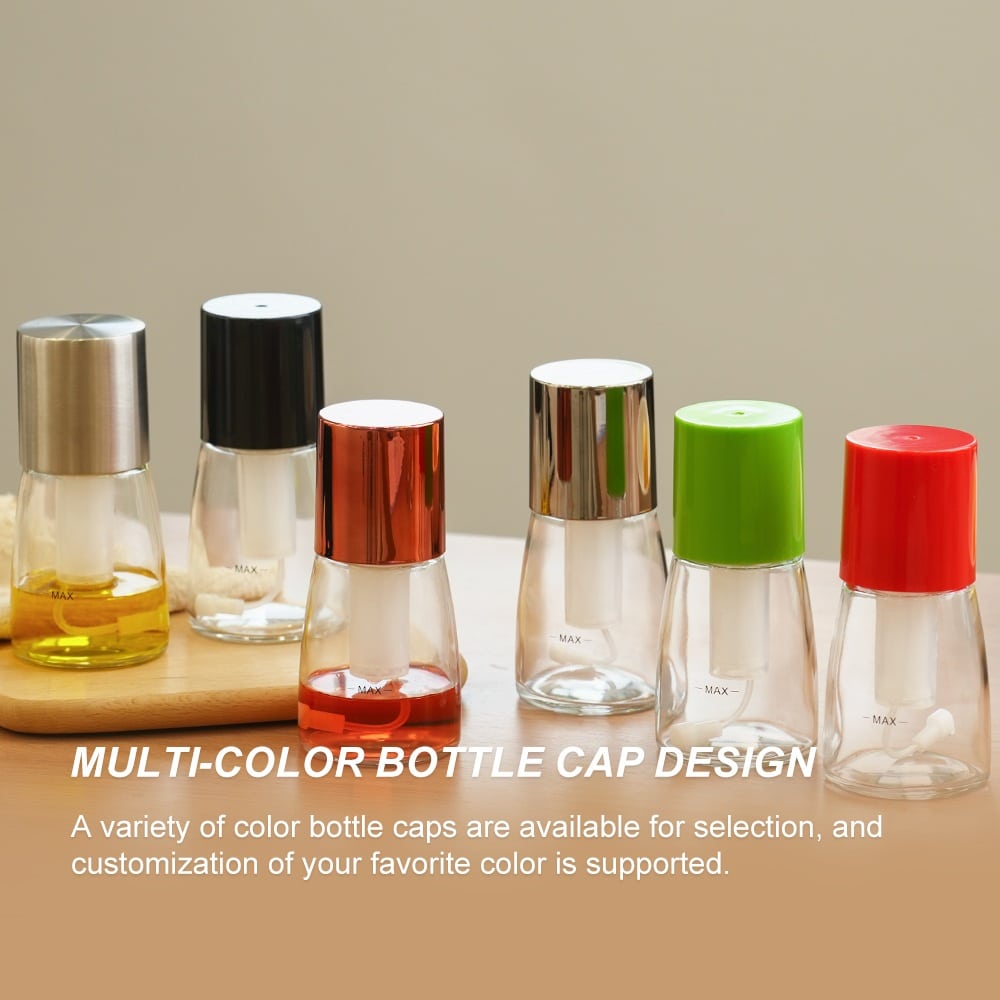
Cooking Oil Dispenser Materials
Choosing the right material is key to keeping cooking oil fresh and safe. Both stainless steel and dark glass block UV rays, preventing oil spoilage. In addition to light protection, stainless steel also isolates the oil from air and temperature fluctuations, forming a durable, food-safe antioxidant barrier.
| Factor | Description |
|---|---|
| Material Quality | Food-safe, durable materials keep oil tasting good and stop it from going bad. |
| Light Protection | Stainless steel and dark glass block UV rays and keep oil safe. |
| Air Exposure | Airtight seals keep oil fresh and slow down spoilage. |
| Temperature Stability | Insulated containers protect oil from fast temperature changes. |
Cooking Oil Dispenser Size and Capacity
The ideal size and capacity of a cooking oil dispenser depends on the intended use. Smaller sizes are perfect for everyday home use, while larger capacities are suitable for busy restaurants and hotels. ChefsHere offers dispensers in a variety of sizes to meet both home and commercial needs. Choosing the right size dispenser not only reduces oil waste but also helps maintain oil freshness.
Ease of Cleaning Cooking Oil Dispensers
Regular cleaning keeps cooking oil dispensers hygienic and extends their lifespan. Wide openings facilitate filling and cleaning; this practical design is suitable for both home and professional kitchens.
Advantages of Oil Dispensers
More Precise Dosage Control
Oil jugs allow for precise measurement of oil, reducing waste and contributing to healthier eating habits. They are widely used in commercial kitchens to regulate the amount of oil used in each dish. The oil dispenser is equipped with a precise spout and nozzle for accurate pouring, and its drip-proof design reduces oil spillage by 80%.
| Feature | Benefit |
|---|---|
| Controlled pouring | Helps you measure oil and stops waste |
| Spray nozzles | Makes a fine mist for even oil coverage |
| Drip-free spouts | Stops spills and messes while cooking |
Drip-Proof & Spill-Proof
Well-designed oil dispensers keep your kitchen tidy. Their precise spout provides complete control over the amount of oil dispensed, while the bottom sealing ring prevents leaks during storage. Models equipped with a nozzle atomize the oil, reducing usage and keeping countertops clean.
Preservation & Quality
Stainless steel oil dispensers protect against light and air, preventing oil spoilage and keeping it fresh. The sealing ring isolates oxygen, slowing spoilage, while the material itself remains cool to prevent overheating.
Even Spread
Whether frying, baking, or making salads, these oil dispensers spread oil evenly. The fine mist from the nozzle coats food evenly, ensuring consistent taste and texture—crucial for a professional kitchen. ChefsHere products have received numerous accolades, including the Red Dot Award and the iF Product Design Award, demonstrating our commitment to quality products and user-friendly design.
| Advantage | Description |
|---|---|
| Freshness Preservation | Airtight seal keeps oil fresh and stops spoilage. |
| Controlled Pouring | Special spout stops drips and messes, making cooking easier. |
| Versatility | Dispenser works for many cooking jobs, like frying or salads. |
Stainless steel oil dispensers are durable and don’t require frequent replacement. Food-grade 304 and 316 stainless steel are the best choices. These steels won’t rust and will preserve the delicious flavor of olive oil.
| Certification/Standard | Description |
|---|---|
| FDA | US Food and Drug Administration certification for food safety. |
| LFGB | German standard for food contact materials. |
| EC 1935/2004 | EU regulation for materials in contact with food. |
| ISO 9001 | International standard for quality management systems. |
FAQ
Why is stainless steel the best material for oil dispensers?
Stainless steel is rust-proof and corrosion-resistant. It does not react with oil. It effectively blocks light and air, protecting the oil. It is more durable than other materials. It meets food-grade standards.
How does stainless steel help maintain oil quality?
Stainless steel effectively blocks light and air. It prevents oil from spoiling quickly. It keeps oil fresh for longer. It prevents oxidation. It preserves the taste and aroma of the oil.
Are stainless steel oil dispensers easy to clean?
Stainless steel has a smooth surface. It does not absorb oil. It can be easily cleaned with soap and water. It does not leave stains. It remains shiny and new after washing.
Are stainless steel oil dispensers suitable for all types of oil?
Stainless steel is suitable for olive oil, vegetable oils, and a wide variety of other oils. It does not alter the taste of the oil. It effectively protects the oil. It meets a variety of kitchen needs.
Why do chefs prefer stainless steel oil dispensers?
Chefs trust the durability of stainless steel. Stainless steel is durable and can withstand the demands of a busy kitchen environment. It helps keep oils fresh. It has a professional look. And it meets stringent safety standards.
| Feature | Stainless Benefit |
|---|---|
| Durability | Stainless lasts for years |
| Safety | Stainless meets food standards |
| Easy Cleaning | Stainless wipes clean easily |
| Oil Protection | Stainless blocks light and air |