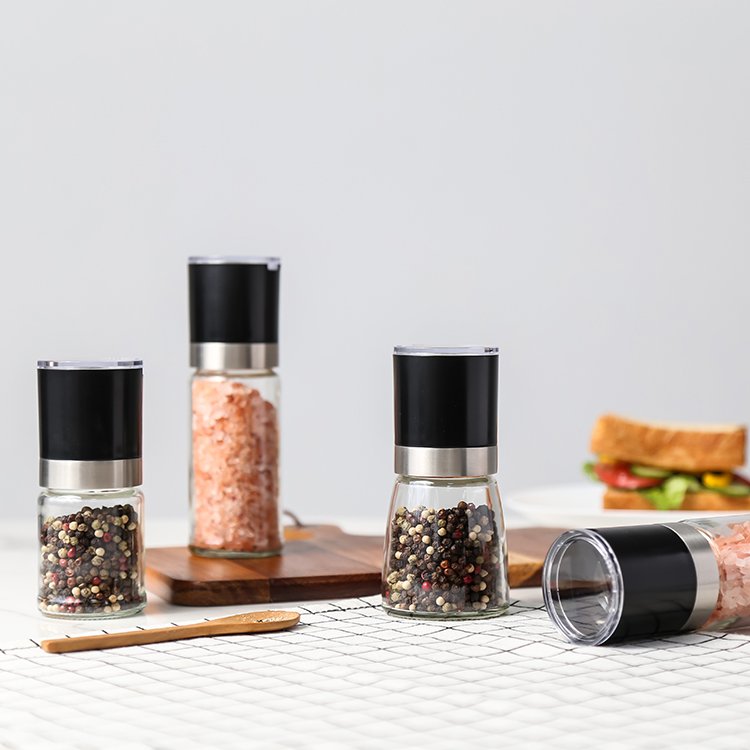
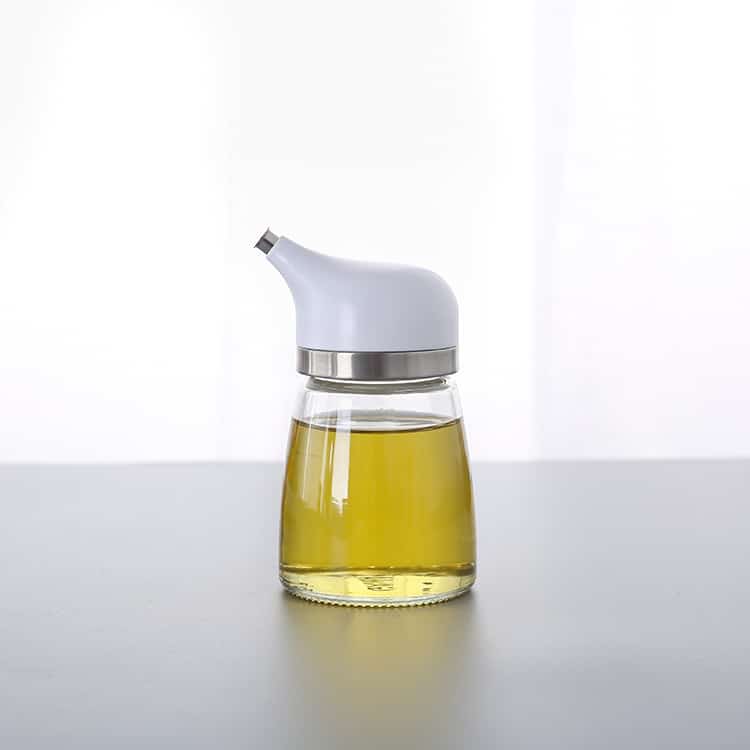
The best way to separate oil and vinegar is by utilizing the principle of density. Because oil is less dense than vinegar, it floats on top, forming two distinct layers. This method is common in kitchens and laboratories, for example, in salad dressings. After standing for a while, the oil will rise to the surface. ChefsHere is a trusted cookware brand that sells high-quality tools such as salt and pepper grinders, as well as portable coffee grinders. Good cookware makes cooking easier, especially when you need to separate oil and vinegar.
Key Takeaways
- Because oil is less dense than vinegar, it floats on top. This natural oil-vinegar separation phenomenon is helpful in cooking.
- Using a separatory funnel allows for more precise oil-vinegar separation because it provides better control over the flow rate of the liquids.
- Pour-over is also a simple separation method that requires no special tools; simply pour the oil from the top.
- Patience is key. Let the mixture stand for 5 to 10 minutes to allow clear layers to form.
- Keeping your tools clean is crucial; it prevents the oil and vinegar from mixing and ensures better separation.
The best way to separate oil and vinegar
.webp)
Oil and vinegar separate into layers because of their different densities. Density refers to the volume of a substance in a given space. Oil is lighter than vinegar, so it floats on top. Gravity causes these two liquids to separate. People use this density difference to separate oil and vinegar in kitchens or laboratories.
ChefsHere sells oil and vinegar dispensers. Good tools can help chefs improve efficiency and keep the kitchen tidy.
Separating Funnel Method
A separating funnel uses the density difference to separate oil and vinegar. There is a valve at the bottom of the funnel. After pouring in the mixture, the vinegar will sink to the bottom of the funnel, while the oil will remain on top. Open the valve to let the vinegar flow out first. When the oil reaches the valve, close the valve. This keeps the two liquids separate and reduces mixing.
Separating funnels are cheaper individually, but you need to buy several. Kitchen folding funnels are more expensive, but you can buy fewer.
Decanting Method
Decanting is another method for separating vinaigrette. This method also utilizes the principles of gravity and density. Vinegar sinks to the bottom of the container, while oil floats on top. To decant, simply pour the top layer of oil into another container, leaving the vinegar in the first. Decanting requires no special tools and is especially suitable for handling small amounts of vinaigrette.
Decanting does not use any chemicals; it only utilizes the principle of liquid sedimentation. Therefore, it is safe, easy to do, and perfect for trying at home.
ChefsHere kitchenware can help you. Their high-quality containers and pouring tools allow you to pour more easily and slowly, avoiding vinaigrette separation. The right tools help chefs separate vinaigrette more easily and reduce mess.
Both separating funnels and decanting utilize the principle of density. These methods can help people easily and effectively separate vinaigrette.
Detailed Explanation of Vinaigrette Separation Steps
.webp)
Prepare the Mixture
Chefs need to follow certain steps to make a delicious sauce. The way the oil and vinegar are mixed is crucial. The correct mixing method makes subsequent layering much easier. Here are some practical tips:
- Choose a good quality oil. Some oils are thicker than others, which can affect the layering.
- Choose a vinegar with the right acidity. If the vinegar is too acidic, the sauce will thicken, affecting the layering.
- Use the right amount of oil and vinegar. If too much of either is used, it will be difficult to separate them.
- Add a pinch of salt. Salt enhances the flavor of food and helps with layering.
ChefsHere sells high-quality Oil Vinegar Dispenser to make mixing and measuring easier. Their salt and pepper grinders help you add the right amount of seasoning.
Let Layers Settle
After mixing, let the mixture stand for a moment. The oil will float to the surface, and the vinegar will sink to the bottom. This is because oil is lighter than vinegar. You need to be patient and wait for the layering to become clear. Patience is key at this step. Using ChefsHere’s transparent containers can help you observe the layering.
Separating Oil and Vinegar
Once the layers are clear, you can separate the oil and vinegar. There are two main methods:
| Technique | Description | Advantages |
|---|---|---|
| Separatory Funnel | A tool that splits liquids that do not mix by using density. | Lets you control the split and stops the layers from mixing. |
| Decantation | Pouring the top layer off into another container. | Simple to do, does not need special tools, and works well for liquids that do not mix. |
A separatory funnel allows for better control of the process, separating oil and vinegar into layers. Decanting is suitable for small amounts of liquid and requires no special tools. ChefsHere’s containers and pouring tools make this process even easier. Follow these steps to easily separate oil and vinegar at home.
Alternative Methods
Flotation
Flotation utilizes the natural density difference between oil and vinegar. Oil always floats on top of vinegar. You can let the mixture stand until a clear oil layer forms on top of the vinegar. Then, you can skim the oil off the surface.
Pros:
- Simple and easy, no special tools required.
- Suitable for small amounts of liquid.
Cons:
- If the oil layer is not clear enough, some oil may mix into the vinegar.
- Separation takes some time.
Spoon or Long-handled Spoon
Using a spoon or long-handled spoon makes separating oil and vinegar easier. After the oil and vinegar separate, you can gently scoop the oil from the top. This method works best when the oil layer is thick and clearly visible.
Pros:
- Easy to do using common kitchen tools.
- Suitable for small batches.
Cons:
- It’s difficult to avoid mixing vinegar with the oil.
- Not suitable for large batches.
Freezing
The freezing method uses low temperature to help separate oil and vinegar. When the mixture cools, the oil will solidify before the vinegar. You can place the mixture in the freezer for a short time. The oil will solidify and can be easily separated.
Pros:
- It can easily remove solidified oil.
- Suitable for mixtures that are difficult to separate by pouring.
Cons:
- Requires a refrigerator and extra time.
- Not all oils solidify quickly.
Each alternative method provides a way to separate oil and vinegar without special equipment. People can choose the method that best suits their kitchen and needs.
Secret to Success
Patience
Patience is crucial when separating oil and vinegar. After pouring the oil and vinegar into a container, you need to wait patiently. Liquids need to stand to form clear layers. If rushed, the layers may mix again. Let the mixture stand in a clear container. Gravity will cause the vinegar to sink, while the oil, being less dense, will float. Five to ten minutes is ideal.
Tip: Place the container on a flat surface. This helps the layers to separate evenly.
Avoid Mixing
Handle carefully to avoid the oil and vinegar mixing again. Pour or scoop slowly and gently. Quick movements will disrupt the layers. High-quality oil and vinegar will form clearer layers and reduce the likelihood of mixing. It is recommended to pour the oil and vinegar into separate containers first. This allows for better control of the amount used.
Here are some steps to prevent mixing:
- Gently pour the oil and vinegar into the container.
- Do not shake or stir after pouring.
- Use a spoon or funnel to slowly separate the layers.
Clean Tools
Clean tools make cooking easier and safer. Residual food or dirt can affect the taste and appearance of dishes. Always wash all containers, spoons, and funnels before you begin cooking. ChefsHere’s kitchenware all meets food safety standards. A clean and tidy environment prevents food spills and keeps the kitchen neat and organized.
| Tool | Why Clean Matters |
|---|---|
| Spoon | Prevents flavor mixing |
| Funnel | Keeps layers pure |
| Container | Shows clear separation |
Note: Please dry all tools before use. This prevents water from mixing with the oil or vinegar.
You can separate oil and vinegar more easily and perfectly if you follow these tips.
The simplest way to separate oil and vinegar is by utilizing density differences. Oil is lighter than vinegar, so it floats on top. You can use a separatory funnel or slowly pour to allow the oil and vinegar to separate. ChefsHere kitchen utensils help chefs do this easily. You can also try other methods at home to see which works best. Good tools make kitchen work easier.
FAQ
Why does oil float on top of vinegar?
Oil floats on top of vinegar because oil is less dense than vinegar. Gravity pulls the heavier vinegar to the bottom, while the oil remains on top. This creates two distinct oil and vinegar layers.
Can people use ChefsHere tools to separate oil and vinegar?
Yes. ChefsHere containers and pouring tools help chefs slowly pour to allow the oil and vinegar to separate. Using ChefsHere’s cleaning tools makes cooking safer and cleaner.
How long should I wait for the oil and vinegar to separate?
Most mixtures take five to ten minutes. Waiting helps the oil and vinegar separate clearly. Patience is key to a better result.
Is it safe to eat after the oil and vinegar has separated?
Yes. Both oil and vinegar are safe to eat after they have separated. Clean tools and containers help keep food fresh.
What’s the easiest way for kids to try at home?
Kids can use a spoon or ladle. They should wait for the oil to rise to the surface and then gently scoop it out. Adult supervision helps ensure safety.