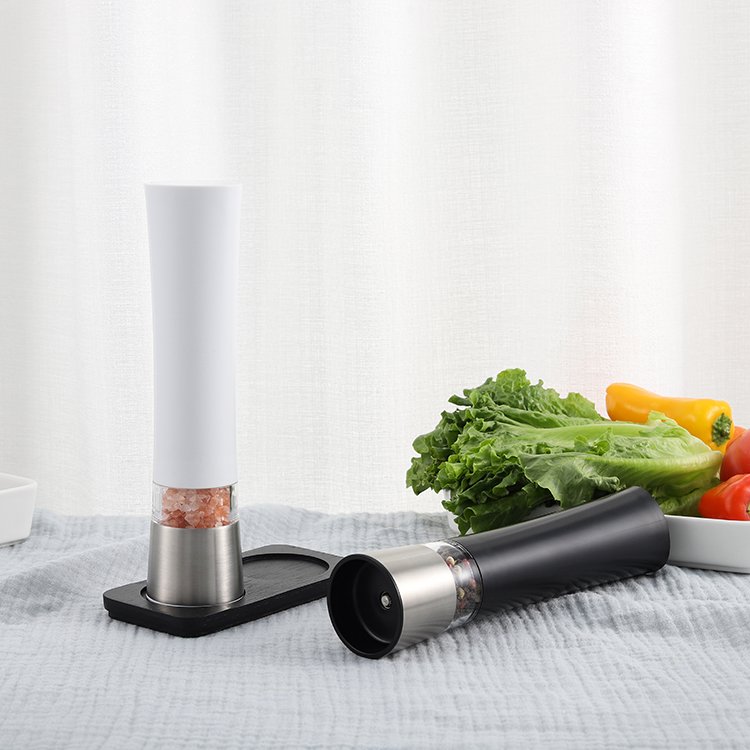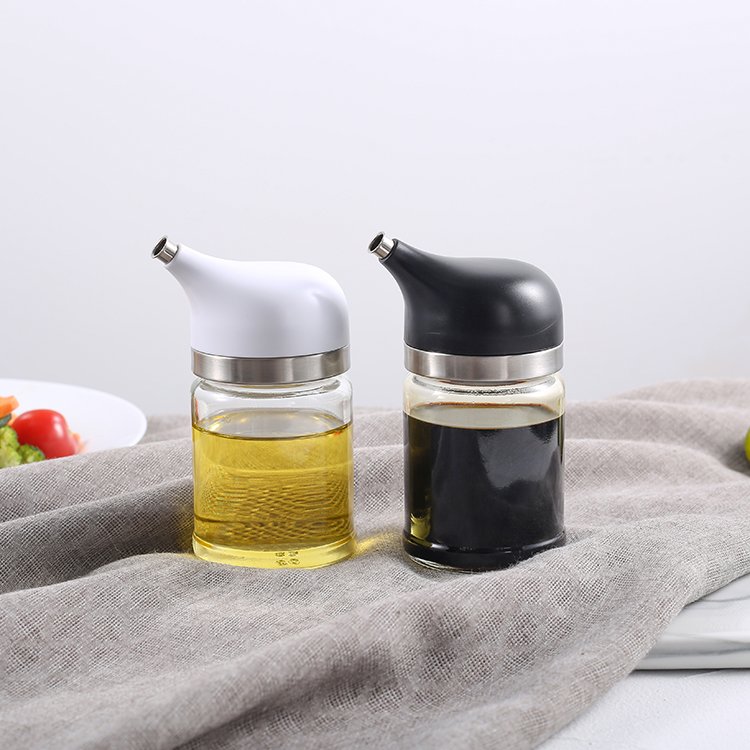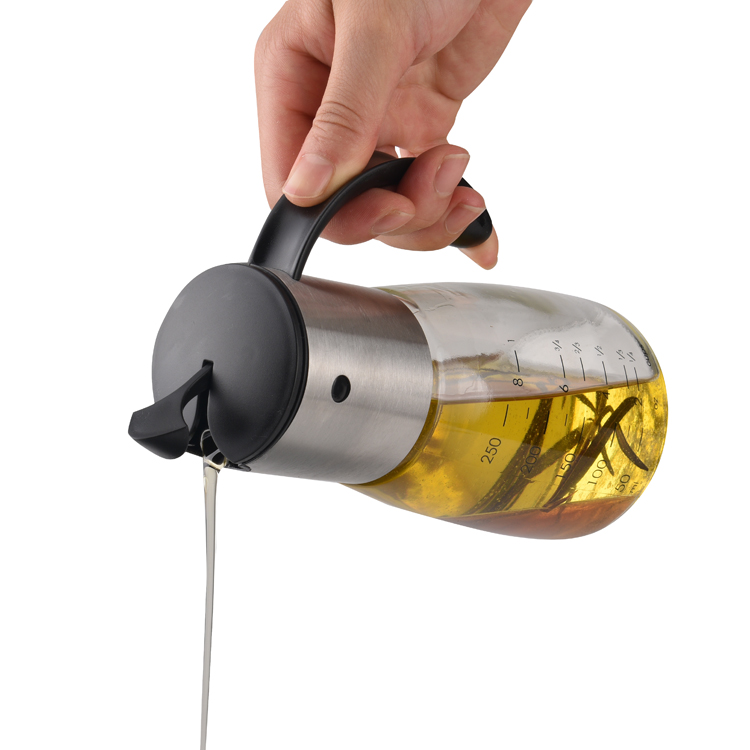
Busy kitchen chefs rely on professional oil-handling tools including squeeze bottles, dedicated oil pouring containers, olive oil dispenser bottles, stainless steel pour spouts and ladles to pour oil quickly and precisely; these utensils enable precise oil control, prevent spills and ensure consistent cooking results, while olive oil dispensers and oil pouring containers further boost work efficiency, reduce oil waste and allow accurate measurement. Special dispensers such as olive oil dispensers and oil sprayers deliver either a fine mist or steady oil flow to enhance food flavor and texture. Chefs favor olive oil dispenser bottles for precise portioning and better oil freshness preservation, and options like glass dispensers and stainless steel spouts also maintain kitchen cleanliness and meet standard kitchen hygiene requirements.
Key Takeaways
- Chefs use squeeze bottles and oil dispensers. These tools help them control the amount of oil used, preventing spills and waste.
- Choosing the right oil dispenser is crucial. Glass or stainless steel dispensers help maintain oil freshness and enhance the cooking experience.
- Regular cleaning of the oil dispenser and container is essential. Cleaning prevents grease buildup, keeps the oil fresh, and improves the taste of food.
- Ladles and measuring spoons help accurately measure oil. Precise measurement is vital for ensuring consistent flavor every time you cook.
- Buying from reputable brands like OXO Good Grips or ChefsHere is a wise choice. These brands offer high-performance, durable products.
Squeeze Bottles
Why Chefs Use Squeeze Bottles
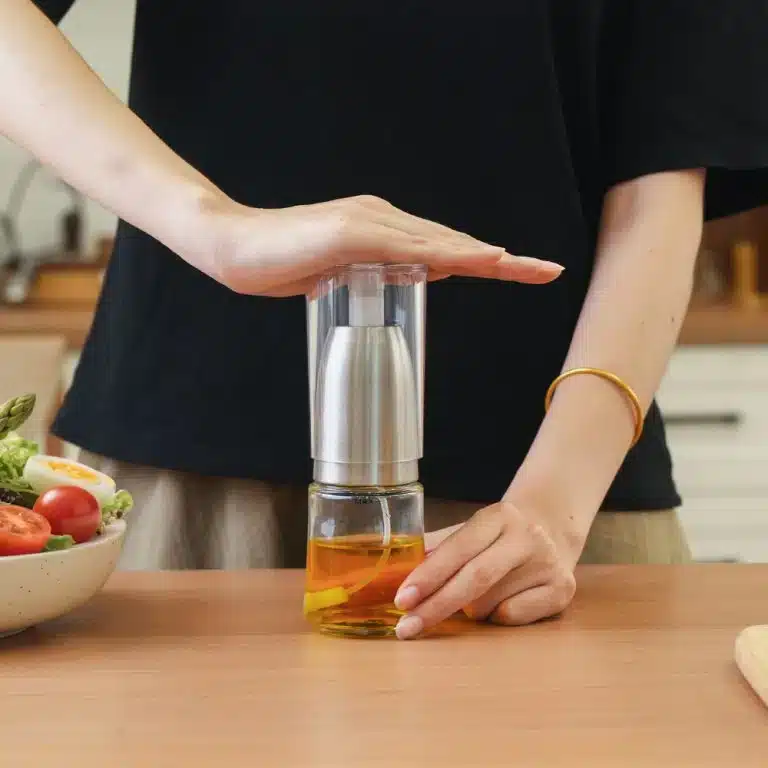
Chefs use squeeze bottles to control the amount of oil dispensed. These bottles help them precisely pour olive oil to the desired location. Squeeze bottles allow chefs to add olive oil quickly and safely. Many chefs choose squeeze bottles made of low-density polyethylene (LDPE), high-density polyethylene (HDPE), polyethylene terephthalate (PET), and dark glass. While LDPE and HDPE squeeze bottles are widely used in daily life, they are not suitable for long-term storage of olive oil. Dark glass squeeze bottles are best suited for maintaining the freshness of olive oil.
Advantages of Controlling Oil Quantity
The many features of squeeze bottles make them ideal for pouring olive oil in a busy kitchen. OXO Good Grips chef squeeze bottles are highly favored. Chefs appreciate these bottles because they can be operated with one hand without making a mess when pouring. These bottles are easy to hold, have different nozzles, and the inside is visible. Graduation lines on the bottle make it easy for chefs to measure the amount of olive oil needed. The wide neck facilitates filling. A leak-proof seal ensures the olive oil is safe. Stackable bottles save storage space.
| Feature | Benefit |
|---|---|
| Ergonomic design | Easy to hold, less tiring. |
| Interchangeable nozzles | Different tips for different ways to use oil. |
| Transparent construction | You can see what’s inside. |
| Graduated markings | Helps measure recipes and mix oil. |
| Easy-fill wide openings | Makes filling simple. |
| Stackable profiles | Saves space in the kitchen. |
| Leak-proof sealing system | Keeps oil from spilling. |
| Cleaning versatility | Easy to clean and switch contents. |
How to Use a Squeeze Bottle in the Kitchen
Cooks use squeeze bottles correctly for optimal cooking results. They use the narrow nozzle to spray olive oil. They pour the oil slowly into the bottle, leaving some space at the opening to prevent spillage. They gently tilt the bottle to prevent splattering. The narrow nozzle gives chefs complete control over the amount of oil. Oil can clog the nozzle, so frequent cleaning is important. Chefs hold the bottle above the pan to catch any drips. Dishwasher-safe squeeze bottles are easy to clean. The drip-proof design helps keep the kitchen tidy. Squeeze bottles allow chefs to precisely apply oil to desired areas, resulting in food that is flavorful and aromatic.
Pour Oil Container and Spouts
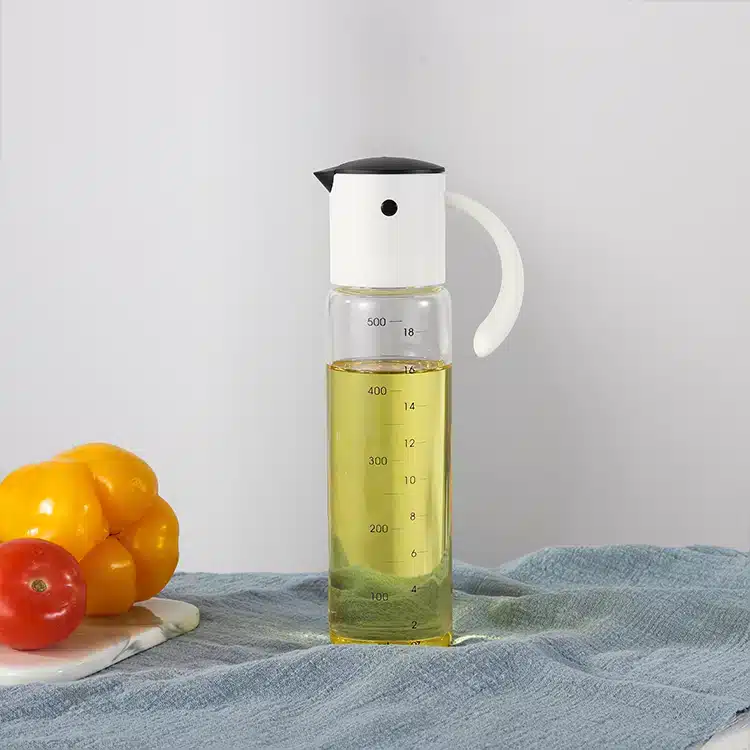
Chefs in busy kitchens use pouring oil bottles or olive oil dispensers when they need to add olive oil quickly and precisely. These tools help them pour the right amount of oil and keep the kitchen tidy. Many chefs choose stainless steel spouts and glass dispensers because they are durable and perform well.
Stainless Steel Spouts
Stainless steel spouts are the preferred choice for chefs who want the best spout for their olive oil bottles. These spouts fit snugly against the bottle, allowing the oil to flow smoothly. Even with frequent use, stainless steel is not prone to bending or breaking. Moreover, it looks shiny and beautiful when paired with any olive oil dispenser.
| Advantage | Stainless Steel | Plastic Alternatives |
|---|---|---|
| Durability | Hard to bend or break | Can crack or change shape over time |
| Hygiene | Easy to clean, does not soak up oil | Can soak up oil and get scratched |
| Professional Appearance | Looks clean and shiny | Can change color and look old |
| Long-Term Cost Savings | Lasts longer, saves money | Needs to be replaced more often |
Chefs prefer stainless steel because it’s easy to clean and doesn’t retain oily odors. Many kitchens install pouring spouts on olive oil bottles to keep the oil fresh and prevent spills. These spouts help chefs precisely pour the right amount of oil into the pan or salad. Stainless steel spouts also help conserve oil and keep the bottle clean.
Glass Oil Dispensers
Glass oil dispensers are also a popular choice in many kitchens. These dispensers allow chefs to clearly see the amount of oil remaining. Glass doesn’t mix with the oil, so the olive oil stays fresh. Many glass oil dispensers come with pouring spouts for easy and precise pouring.
| Feature | Glass Oil Dispenser | Stainless Steel Pour Spout |
|---|---|---|
| Durability | Not as strong as steel | Very strong, does not dent or scratch |
| Precision | Makes pouring easy and exact | Lets chefs control the oil flow |
Chefs use glass olive oil bottles to better showcase the color of the olive oil. Some glass bottles have graduations for easy measurement, which is helpful for cooking dishes that require precise quantities. The well-designed spouts of these bottles allow chefs to accurately control the amount used. Narrow-spouted glass oil bottles help to isolate the olive oil from air, extending its shelf life.
How to Choose the Right Oil Bottle
Choosing the right oil bottle or olive oil bottle depends on several factors. Chefs need a container that suits their cooking habits and effectively isolates it from air, light, and high temperatures. They also want the bottle to be easy to clean and reusable. A suitable oil bottle can help chefs complete cooking faster and better.
| Criteria | Description |
|---|---|
| Bottle size and opening | Helps make sure the bottle fits and pours well. |
| Desired pour speed | Changes how fast oil comes out, which helps with cooking. |
| Cleaning and reuse | Makes it easier to keep the container clean and use it again. |
| Kitchen volume and workflow | Helps pick the best one for busy kitchens. |
Chefs often pick a pour oil container with a thin spout for easy pouring. They also look for materials like ceramic or metal that block light to protect olive oil. Some chefs like a design that looks nice on the counter or table. The oil cruet should keep oil safe from air and heat, which helps keep it fresh.
- Pick a pour oil container that blocks light.
- Choose one with a thin spout for better pouring.
- Make sure it is easy to clean and fill.
- Pick a style that looks good in the kitchen or on the table.
Many chefs trust brands like OXO Good Grips for their olive oil dispenser and pour oil container. OXO has dispensers with spouts that pour well and are easy to hold. ChefsHere also makes good oil cruet choices for busy kitchens. Other brands like Emile Henry Oil Cruet are known for no-drip use, and Pipiman has spouts that work with gravity and show measurements.
| Brand | Description |
|---|---|
| Emile Henry Oil Cruet | Great for no-drip use, well-made, and keeps oil safe from light. |
| Pipiman | Good value, has a gravity spout and measurement marks. |
| OXO Good Grips | Best for careful pouring, lets chefs drizzle oil easily. |
A good olive oil dispenser or pour oil container helps chefs stop spills and use the right amount of oil. The right oil cruet can make food taste better and help the kitchen run well.
Ladles and Measuring Spoons
Precision Pouring
Ladles and measuring spoons help chefs pour oil the right way. These tools let chefs move oil from a dispenser without making a mess. The bowl shape and rim on a ladle stop oil from spilling. Each ladle has a set size, so every serving uses the same amount. Measuring spoons help chefs add just the right amount of olive oil for each recipe. This is important for how food tastes and feels.
- Ladles help measure and pour liquids or thick sauces.
- The bowl and rim on ladles stop spills when pouring.
- Ladles with set sizes make sure each serving is the same.
Chefs use spoons to scoop olive oil from large-capacity oil dispensers for making soups or sauces. Measuring spoons are used for dishes that require precise amounts of oil, such as salad dressings or baked goods. These tools help keep the kitchen tidy and ensure consistent taste in every dish.
When to Use a Spoon or Measuring Spoon
Chefs choose spoons or measuring spoons when precise amounts of oil are required. Baking and salad dressings often require scooping the right amount of olive oil from an oil dispenser. Using these tools helps control the amount of oil used and avoids waste. While the spout on an oil dispenser can also be helpful, spoons and measuring spoons offer greater precision.
- For sticky things like honey, spray the measuring cup first so it comes out easy and you get the right amount.
- Spray your ounce measuring cup with cooking spray before pouring sticky stuff to make cleanup easy and get the right amount.
The tool you use to pour oil can change how a recipe turns out. In baking, too much or too little oil from a dispenser can change how cakes or cookies feel. In salad dressings, the right amount of olive oil makes the taste just right. Chefs use ladles and spoons to stop using too much oil and to keep recipes the same.
| Type of Pour Spout | Description | Ideal Use Case |
|---|---|---|
| Basic Spouts | Simple tube design lets oil flow out. | Good for cooks who do not need exact amounts. |
| Spouts with Flaps | Has a flap to keep oil fresh and clean. | Good for people who want to keep oil fresh but do not use it every day. |
| Tapered Spouts | Lets you control how much oil comes out. | Good for chefs who want a light drizzle for salads or special dishes. |
| Measured Pour Spouts | Gives out set amounts of oil each time. | Good for people who want to use the same amount of oil every time. |
| Spouts with Air Vents | Has an air vent for steady oil flow and less splashing. | Good for cooks who want to stop oil from splashing when they pour. |
Chefs use ladles, measuring spoons, and the right olive oil dispenser to get the best results. These tools help them stay in control, waste less oil, and make sure every meal is great.
Tips for Home Cooks
Selecting the Right Tool
Home cooks can make their kitchen better by picking the best olive oil dispenser. The right dispenser helps you use oil carefully and keeps your kitchen tidy. Many people want a dispenser that is simple to clean and easy to use. The table below shows what to think about:
| Factor | Description |
|---|---|
| Material Durability | BPA-free plastics or stainless steel are safe and last a long time. |
| Seal Design | Airtight seals keep oil fresh and stop it from getting dirty. |
| Ease of Use | Wide openings make cleaning and refilling simple, which keeps food safe. |
| Precision Pouring | Tapered shapes help you pour oil exactly where you want. |
| Spill Prevention | Anti-drip features help stop messes when you use oil. |
Metal spouts are strong and last longer. Plastic and silicone spouts cost less money. Many home cooks like dispensers with wide openings because they are easy to clean and refill. ChefsHere has good olive oil dispensers that fit these needs.
Cleaning and Maintenance
Keeping your olive oil dispenser clean helps oil stay fresh and stops buildup. Chefs suggest these steps for best results:
- Get soap, scrubbing brushes, and a dishwashing sponge.
- Rinse the dispenser and spout under hot water until all oil is gone.
- Soak the dispenser in hot, soapy water for about an hour. Add white vinegar if there are tough stains.
- Scrub the spout and inside with a straw brush, paying attention to threads and moving parts.
- Check the dispenser and rinse again with hot water if needed.
A dispenser that is easy to clean saves time and keeps olive oil tasting good.
Simple Alternatives
Home cooks can use regular kitchen items if they do not have a special olive oil dispenser. A small glass jar with a tight lid works well for storing oil. A measuring cup or spoon helps you pour the right amount. Some people use a clean squeeze bottle for better control. These choices help keep oil use neat and safe. ChefsHere has many options for people who want a good dispenser for olive oil and other kitchen jobs.
Tip: Always clean any dispenser or tool after each use. This keeps oil fresh and stops bad smells.
Chefs use tools like olive oil dispensers, pour oil containers, and squeeze bottles to control oil in food. These tools help keep the kitchen neat and make pouring olive oil simple. Chefs’ favorite ways help home cooks pick the right oil and choose healthy fats, like olive oil, instead of seed oils. Using a dispenser gives more control and makes food taste better.
Picking a trusted brand like ChefsHere means each olive oil dispenser or pour oil container is high quality. A good dispenser makes meals tastier and keeps olive oil fresh.
FAQ
What’s the best tool for pouring oil in the kitchen?
Chefs typically choose squeeze bottles or pouring oil dispensers. These tools help control the amount of oil and prevent spills. Many kitchens also use oil dispensers for precise pouring.
How to keep oil fresh in an oil dispenser?
Store the oil dispenser in a cool, dark place. Use glass, stainless steel, or ceramic containers. Clean the oil dispenser regularly to prevent the oil from spoiling.
Can a regular bottle be used instead of a dedicated oil dispenser?
Yes, a regular bottle can be used to pour oil. However, an oil dispenser offers better control over the amount of oil and prevents spills. Therefore, many chefs prefer to use an oil dispenser.
How often should oil pouring tools be cleaned?
Chefs clean their oil pouring tools weekly or when changing cooking oil. Regular cleaning keeps the oil fresh and prevents grease buildup.
Why do chefs use measuring spoons to measure oil?
Measuring spoons help chefs precisely control the amount of oil used according to recipes. This ensures that the food tastes consistent every time.