A grinder consists of many important parts of a grinder, each serving a special function. The motor is responsible for making the grinder spin, while ball bearings help reduce friction. The power switch is used to turn the grinder on and off, and the lock button ensures safety when changing discs. The center wheel is designed to hold the abrasive disc securely, and outer and backing flanges keep the disc tight during operation. Different grinders are utilized for various tasks at home or work. This guide provides insight into the parts of a grinder and serves as a reminder for everyone to use grinders safely.
Key Takeaways
- A grinder contains important components such as a motor, grinding wheel, and guard. Each component contributes to the grinder’s efficient operation.
- Choosing the right grinding wheel is crucial. Grinding wheels are suitable for different tasks and materials. This not only ensures personnel safety but also improves the grinder’s efficiency.
- Safety devices such as guards and locking buttons prevent user injury. Always check these components before using the grinder.
- Cleaning and inspecting for damage is essential for the grinder. This ensures the safety and optimal working condition of the grinder, extends its lifespan, and improves work efficiency.
- Understanding the components of different grinders (such as coffee grinders and pepper grinders.) helps people choose the most suitable tool for their work.
Key Components: Parts of a Grinder
The power of a grinder lies in its intricate set of components. Each component works together to accomplish tasks such as cutting, grinding, and polishing. Understanding these components helps people use the tool safely and efficiently.
Motor
The motor is the core component of every grinder. It converts electrical energy into kinetic energy, driving the grinding wheel to rotate at high speed. A powerful motor provides greater power and faster cutting speeds, which is crucial for heavy-duty work. For example, a 4-1/2-inch grinder equipped with a 6.7-amp motor can handle heavy workloads. Most grinders operate at speeds between 8,000 and 12,000 rpm, allowing them to quickly remove large amounts of material. The type of motor affects the grinder’s performance and the maintenance required. Brushed motors require more maintenance. Brushless motors offer longer lifespan and superior performance.
| Motor Type | Efficiency | Maintenance | Operational Life | Typical RPM Range |
|---|---|---|---|---|
| Brushed | Up to 60% | Higher | Shorter | 8,000 – 11,000 |
| Brushless | Up to 85% | Lower | Longer | 8,000 – 11,000 |
High-quality motorized grinders can easily handle a variety of challenging tasks.
Grinding Wheel and Disc
Abrasive wheels or discs are the primary components for material removal. They are attached to the spindle and rotate at high speed. This makes them ideal for cutting, grinding, and polishing. Different discs are used for different tasks. Abrasive wheels are used to shape and grind surfaces. Cutting discs are used to cut metal, stone, or tile. The material of the disc is crucial to its performance and safety.
| Material Type | Properties | Applications |
|---|---|---|
| Diamond Abrasive | Extremely high hardness, good heat resistance | Used for grinding hard and brittle materials |
| Cubic Boron Nitride (CBN) | High hardness, good heat resistance | Used for grinding steel and other hard metals |
| Alumina Abrasive | Good toughness, long service life, moderate hardness | Used for grinding soft and hard metals |
| Silicon Carbide Abrasive | High hardness, good heat resistance, but brittle | Used for grinding non-metallic materials and soft metals |
Choosing the right grinding wheel helps improve the efficiency of the grinding machine and ensures your safety.
Guard
The guard is an important safety component of the grinding machine. It covers most of the grinding wheel, spindle, and hardware. This guard protects the user from sparks and flying debris. Safety regulations stipulate that the guard must cover the spindle end, nut, and flange. The guard should always be installed in the correct position and securely connected.
| Feature | Description |
|---|---|
| Guard Coverage | Coveres most of the grinding wheel, spindle, and hardware, preventing flying debris. |
| Horizontal Worktable | Located close to the grinding wheel to prevent breakage. |
| Tongue Guard | A guard that fits snugly against the grinding wheel to prevent debris from flying. |
| Additional Protection | A transparent face shield for extra safety. |
| Personal Protective Equipment | Wear safety glasses and a face shield. |
Good protective gear reduces the risk of injury and ensures your safety.
Handle and Body
The handle and body help users grip and control the grinding machine. A comfortable handle design reduces fatigue during long working sessions. Some grinding machines are equipped with an additional handle for enhanced maneuverability. Good weight balance and anti-shake systems make the tool easier to use. Soft-start technology helps the grinding machine start smoothly.
| Feature | Impact on User Comfort and Control |
|---|---|
| Adjustable speed controls | Speed can be adjusted to meet different work needs |
| Ergonomic handles | Designed for extended use, effectively reducing fatigue |
| Weight distribution | Makes the grinder easier to use and operate |
| Anti-vibration systems | Reduces vibration and improves hand comfort |
| Soft-start technology | Smoothly starts the grinder for a better user experience |
A comfy handle and balanced body help users cut and grind more accurately.
Switches and Controls
Switches and controls are essential for the safe and convenient use of the grinder. An on/off switch is used to turn the tool on and off. Toggle switches are common and perform well. A lever switch is better suited for extended work sessions. A safety switch requires continuous pressing; the grinder will only stop when released. Speed control allows you to adjust the wheel speed for different materials. An on/off lock prevents the grinder from accidentally shutting off during extended use. A safety lock prevents the grinder from accidentally starting, which is especially important when changing the grinding wheel.
Tip: For safety, always check the switches and controls before using the grinder.
Many new grinders are equipped with a dust collection system. This component collects dust and dirt, keeping the work area clean and contributing to your health. Regular maintenance of the carbon brushes that power the motor helps the grinder operate efficiently.
Understanding the main components of an angle grinder helps people choose the right tool, use it safely, and achieve good results when cutting and grinding.
Parts of an Angle Grinder
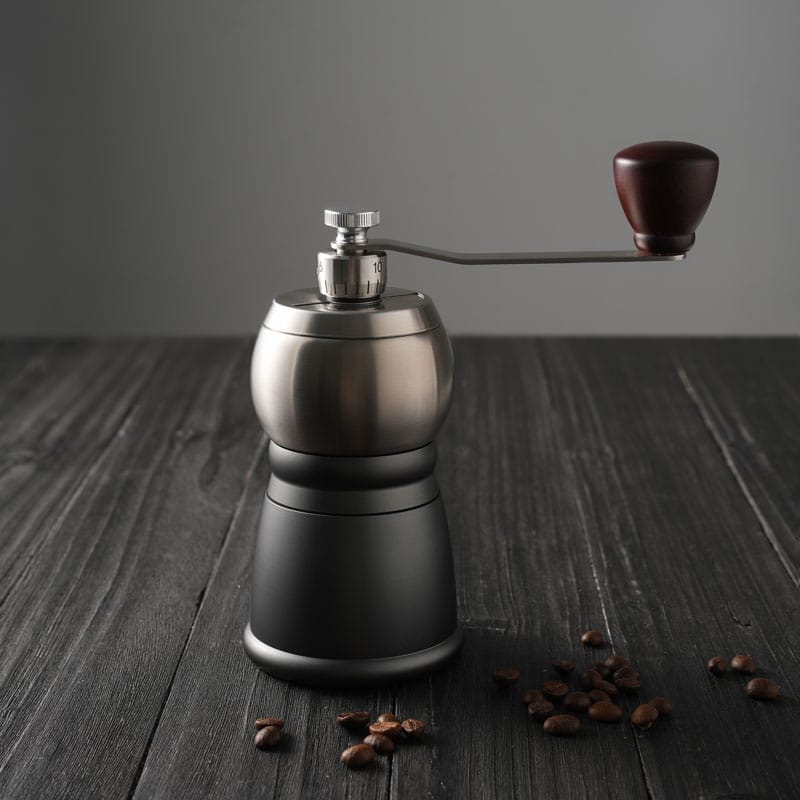
Angle grinders are cleverly designed and easy to use. Their controls help users operate them safely. Understanding the components of an angle grinder will help you use it better. The following sections introduce the main components and their functions.
Power Lever and Locking Button
The power lever is the main switch of the angle grinder. Pressing it turns the tool on or off. The locking button is a safety feature. It prevents the angle grinder from starting accidentally. This helps protect you from injury. Many angle grinders are equipped with these controls to ensure safety and convenience. The locking button keeps the tool stable when changing grinding wheels.
| Unique Part | Description |
|---|---|
| Power Lever | Used to turn the angle grinder on and off. |
| Lock Button | Prevents accidental starting and improves safety. |
Speed Dial and Spindle Lock
The speed adjustment knob allows you to adjust the grinder’s speed, helping you handle different materials and jobs. For example, some grinders have a speed range of 2,800 to 10,500 rpm. The spindle lock secures the spindle, making wheel changes quicker and safer. These components help you use the grinder correctly for each job.
| Feature | Description |
|---|---|
| Speed Adjustment Knob | Adjustable speed for a variety of applications, from grinding to cutting. |
| Spindle Lock | Secures the spindle for easy and safe wheel changes. |
Main and Side Handle
The main handle is where you grip the grinder and houses most of the controls. The side handles provide extra support, helping you maintain control even during high-intensity work. These handles help you work for extended periods without fatigue. Many grinders come equipped with comfortable and secure handles.
- Main Handle: The primary grip area for easy control.
- Side Handles: Additional grip area for enhanced stability and precision.
Disc Guard
The grinding wheel guard is an extremely important safety component. It covers the upper part of the grinding wheel, protecting you from sparks, flying debris, and accidental contact with the wheel. The guard must cover the spindle end, nut, and flange. It also prevents broken debris from hitting you. It ensures your safety every time you use the grinding machine.
Tip: Always ensure the grinding wheel guard is properly installed before starting operation. Proper use of the grinding wheel guard protects you from flying debris and personal injury.
Understanding the function of each component helps you use the angle grinder safely. Each component is crucial to the performance, comfort, and safety of the grinding machine. Choosing the right components for your work will make your job much easier.
Parts of a Bench Grinder
Benchtop grinding machines stand out in the workshop because they use two grinding wheels to perform different tasks. This dual-wheel configuration allows users to switch between roughing and finishing without changing tools. Each component of a benchtop grinding machine plays a key role in grinding, polishing, and ensuring user safety.
Coarse and Fine Grinding Wheels
Bento grinders are equipped with both coarse and fine grinding wheels. Coarse grinding wheels, with a grit size range of 10 to 24, quickly remove material and are best suited for rough grinding and metal forming. Fine grinding wheels, with a grit size range of 70 to 220, are suitable for precision grinding and provide a smooth surface. Fine grinding wheels are ideal for grinding tools because their low cutting temperature prevents overheating.
| Grit Type | Grit Size Range | Best Suited For |
|---|---|---|
| Coarse Grit | 10-24 | Rapid material removal and rough grinding |
| Fine Grit | 70-220 | Precision grinding and smooth finish |
Bento grinders equipped with both coarse and fine grinding wheels help users complete the transition from forming to polishing in seconds.
Tool Rest and Eye Shield
The tool holder supports the workpiece to be ground or polished, keeping it stable and close to the grinding wheel. This support method allows users better control of the workpiece and improves accuracy. The safety goggle is located above the grinding wheel. It effectively prevents sparks and small fragments from flying onto the user’s face. These safety features make every grinding and polishing job safer and more precise.
Tip: For best results and safety, always adjust the tool holder to be close to the grinding wheel.
Wheel Guard
The grinding wheel guard covers the spindle, nut, flange, and most of the grinding wheel. Safety regulations require it to cover at least 75% of the grinding wheel diameter. This guard protects the user from flying debris and grinding wheel fragments. The work stand should be 1/8 inch (approximately 3 mm) away from the grinding wheel, and the tongue guard should be 1/4 inch (approximately 6 mm) away from the grinding wheel. These regulations ensure the safety of all users when using the grinder.
| Safety Regulation | Description |
|---|---|
| Wheel Guard | Must cover the spindle, nut, flange, and 75% of the grinding wheel diameter. |
| Work Rest | Adjust to a distance of 1/8 inch (approximately 3 mm) from the grinding wheel. |
| Tongue Guards | Maintain a distance of 1/4 inch (approximately 6 mm) from the grinding wheel. |
Base and Housing
The base and housing provide stability to the grinder. A robust cast iron base ensures machine stability and reduces vibration. This stability helps users perform polishing and grinding with confidence. The less vibration, the smoother the operation, and the longer the grinder’s lifespan. The housing also helps maintain the shape of the grinding wheel for better polishing results.
- Cast iron base ensures stability.
- Minimal vibration enables precise polishing and grinding.
- Stable operation extends the grinder’s lifespan.
A robust base and durable housing make every polishing task easier and safer.
Understanding the components of a benchtop grinder helps users select the appropriate tools for grinding, lapping, and polishing. A well-designed grinding machine enhances the safety, precision, and effectiveness of every project.
Parts of Tool Grinder Machines
Tool grinding machines are specifically designed for grinding. They can grind and shape cutting tools with extremely high precision. Unlike ordinary grinding machines, a tool grinding machine has a stationary grinding wheel and a movable spindle. This design allows the tool grinder to grind drills, end mills, reamers, and inserts with exceptionally high precision. Some tool grinders are manually operated, while others are numerically controlled (CNC). This makes them more practical and flexible. All components work together to achieve excellent grinding results.
Spindle and Bearings
The spindle keeps the tool stable during grinding. High-precision bearings contribute to the efficient operation of the spindle. These bearings ensure smooth and precise operation of the tool grinder. They can withstand heavy loads and high-speed operation without vibration. Good lubrication and alignment prevent premature bearing failure. When the spindle and bearings are functioning properly, the tool grinder can produce sharp and evenly shaped tools. This is why users who require high-precision machining prefer tool grinders.
- High-precision bearings ensure the accuracy of the grinding machine.
- Load capacity and strength affect its working performance.
- Good lubrication and alignment help extend the bearing’s lifespan.
Work Table and Supports
The work table is a flat place for the tool. Adjustable supports hold the cutting tools at the correct angle. This setup lets the tool grinder work with many tool shapes and sizes. The work table can move in different ways for small changes. Users can sharpen hard tools easily. The tool grinder machine uses these parts to make sure every tool comes out just right.
Adjustment Controls
Adjustment controls distinguish tool grinders from other machines. These controls allow users to precisely change the position and angle of the tool. Multi-axis motion and software facilitate quick switching between tool shapes and sizes. Peel-and-paste grinding technology allows for grinding multiple shapes using a single grinding wheel by changing the program. Automated systems enable quick part changes, saving time and producing more tools. Tool grinders can handle any grinding job.
Tip: Use adjustment controls to set up the tool grinder for each job. This will make your work faster and more precise.
Tool grinders are used to grind, shape, and maintain a wide variety of cutting tools. How do tool grinders work? They use a fixed grinding wheel, a rotating spindle, and an intelligent control system to achieve highly precise machining. Every component of a tool grinder contributes to the creation of sharp, robust tools for any workshop.
Kitchen Grinders: Salt and Pepper Grinder Parts
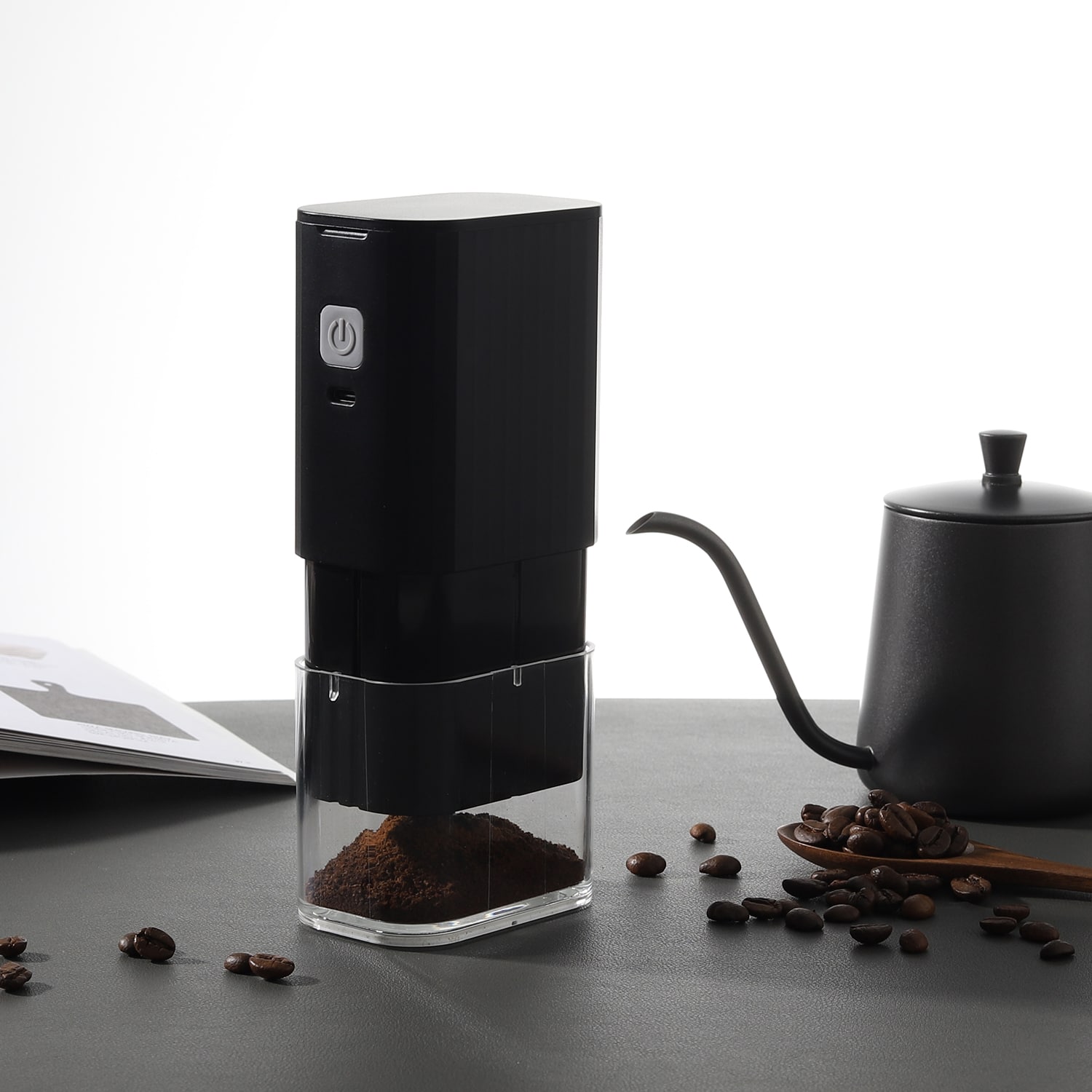
ChefsHere is a popular kitchenware brand. They produce beautifully designed and high-performance salt and pepper grinders. Many chefs and home cooking enthusiasts trust ChefsHere’s kitchenware. Their grinders make seasoning easy and fun.
Grinding Mechanism
The grinding mechanism is the most important part of a grinder. It grinds whole spices into small pieces for easier cooking. ChefsHere grinders use ceramic grinding mechanisms. Ceramic won’t rust and is suitable for grinding salt and pepper. Some grinders use carbon steel for grinding pepper. Carbon steel produces a strong and sharp powder. For added strength, salt grinders sometimes use nylon. Regularly cleaning the grinding mechanism keeps it in good working order and prevents spices from absorbing flavors.
- Ceramic grinding mechanisms have a longer lifespan and are suitable for grinding salt and pepper.
- Carbon steel grinding mechanisms deliver a rich pepper flavor and a smooth grinding effect.
- Nylon is tough and durable, helping salt grinders maintain good working order.
- Regular cleaning helps keep spices fresh.
| Type of Mill | Grinding Mechanism Material | Performance Characteristics |
|---|---|---|
| Salt Mill | Ceramic or Nylon | Rust-resistant, excellent grinding effect, long-lasting sharpness |
| Pepper Mill | Carbon Steel | Durable and robust, no metallic taste, excellent performance |
Manual grinders require you to rotate the grinder by hand. This allows you to control the amount ground. Electric grinders are operated simply by pressing a button. They are fast and provide consistent grinding results.
Containers and Lids
Containers are used to hold salt, pepper, or other spices. ChefsHere offers transparent containers so you can easily see when to refill. Sturdy materials, such as acrylic or glass, ensure the safety and freshness of the spices. Lids seal the grinder, preventing moisture and air from entering. This keeps the spices dry and delicious. Tight lids also prevent spills and mess.
- Transparent containers show the amount of spices remaining.
- Tight lids keep spices fresh and prevent spills.
- Sturdy materials protect spices from damage.
Adjustment Knob
The adjustment knob is used to select the grind coarseness. Rotating the knob changes the spacing between the grinding blades. A larger spacing grinds larger particles for a crisp texture and rich flavor. A medium spacing is suitable for most foods. A smaller spacing grinds smaller particles for a finer seasoning.
- Coarse grinding produces a crisp texture and rich flavor.
- Medium grinding is suitable for a variety of recipes.
- Fine grinding blends easily for a lighter taste.
ChefsHere grinders help chefs take control of every meal. With clever design and high-quality components, these grinders enhance the flavor of food.
All grinders, such as angle grinders, benchtop grinders, tool grinders, or kitchen grinders, require essential components. These include the motor, grinding wheels, guards, and controls. Understanding these components helps prevent accidental injuries such as cuts or eye injuries. Regularly inspecting and cleaning the grinder ensures safe use. Users should store the grinder in a dry, well-ventilated place and check for damage before use. This guide can help you quickly find the necessary parts or obtain maintenance tips. Safe operation and proper maintenance of the grinder are essential for its proper functioning and to ensure personnel safety.
| Safety Aspect | Requirement |
|---|---|
| Maximum opening of work rest | 1/8 in. |
| Maximum distance of tongue guard | 1/4 in. |
| Importance of safety gauge | Measures clearances accurately |
FAQ
What is the most important safety feature of a grinder?
The guard is the best safety component. It protects you from sparks and flying debris. Always check the guard before you start grinding.
How often should a salt and pepper grinder be cleaned?
Chefs recommend cleaning it every few months. Frequent cleaning keeps flavor fresh and prevents clogging. For best results, empty the grinder and wipe the inside with a dry cloth.
Can users replace the grinding wheel or grinding disc themselves?
Yes, you can replace the grinding wheel or grinding disc yourself. Always unplug the grinder first. Use the spindle lock and follow the instructions for safety.
Why choose a ChefsHere salt and pepper grinder?
ChefsHere grinders are robust, stylish, and deliver excellent grinding results. The ceramic parts won’t rust and operate smoothly with every use. Many chefs and cooking enthusiasts love ChefsHere for its superior quality and ingenious design.