Containers for holding vinaigrettes are commonly called condiment bottles, jars, or vinaigrette sets. These containers help keep the liquid fresh and are easy to pour while eating. They are used in many homes and restaurants, being both practical and aesthetically pleasing.
Key Takeaways
- Vinegar containers are also known as condiment bottles, jars, or vinaigrette sets. Each type of container has its unique purpose in the kitchen and on the dining table.
- Choose materials such as glass or stainless steel to ensure durability and safety. These materials also enhance the aesthetics of your dining table.
- Choose containers with drip-proof spouts and sealing rings. These features help maintain the freshness of the vinaigrettes and keep the table clean.
- Store and clean vinaigrette containers regularly. This helps keep the contents fresh and extends their lifespan.
- Using aesthetically pleasing and practical vinaigrette containers can enhance your dining experience and make cooking easier.
Common Names for Oil and Vinegar Holders
Condiment Bottle Sets
A condiment bottle set refers to one or two sets of matching small bottles for holding liquids such as oil and vinegar. These sets are commonly seen on family and restaurant tables. The word “cruet” has a long history, derived from the Old French word “crue,” meaning “earthenware pot.” The Dutch word “kruicke” is also used to describe a type of container. In the 17th century, Cardinal Mazarin of France popularized condiment bottles for holding balsamic vinegar and oil. Over time, the design of condiment bottle sets has changed. By the 18th and 19th centuries, British and European manufacturers began adding frames and bases to condiment bottles, sometimes even silvering them. These sets became popular gifts and table decorations, especially during the Victorian era.
Oil and Vinegar Sets
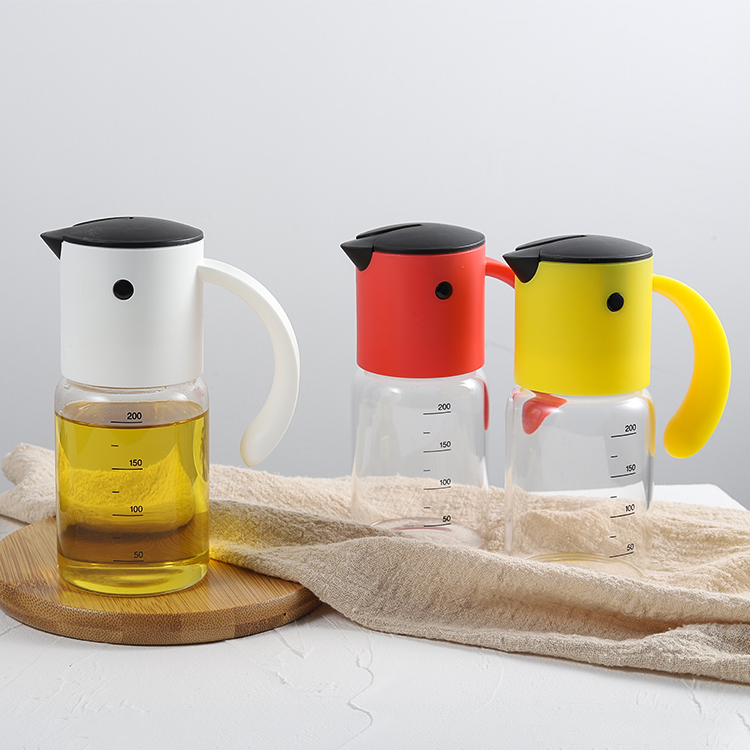
An oil and vinegar set is a simple and direct term for this type of container. The term refers to a pair of bottles or containers for holding and pouring oil and vinegar. Many people choose oil and vinegar sets because they are practical and easy to identify. These sets typically come with a pouring spout or stopper to control the flow of liquid. Some modern vinaigrette containers also have built-in filters or drip-proof designs. Their main purpose is to keep the liquid fresh and easy to use.
Cruets
The term “cruets” refers to a single bottle or container used to hold liquids at the table. Historically, vinaigrettes were primarily used for oil and vinegar, but today they can also hold other condiments. The word “cruet” first appeared in Middle English around 1300. By the 17th century, Italian manufacturers began pairing bottles of vinegar and oil, a practice that subsequently spread to France and England. During the Victorian era, vinaigrettes became more aesthetically pleasing and often appeared on elegant stands. These changes demonstrate how vinaigrette bottles evolved with culinary traditions.
Oil and vinegar bottles have many names, but each name reflects part of their history and purpose. Whether called an oil and vinegar set, a vinegar bottle collection, or simply oil and vinegar bottles, these utensils play an important role in kitchens and restaurants around the world.
Characteristics of Oil and Vinegar Bottles
Materials and Design
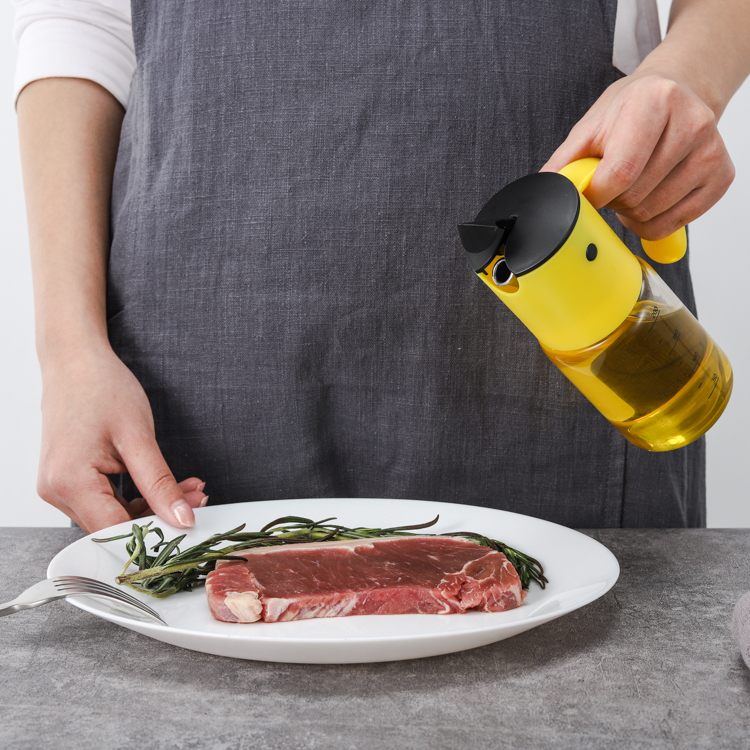
Oil and vinegar bottles come in a variety of materials. Glass is popular because it’s aesthetically pleasing and doesn’t react with liquids. Stainless steel is durable and rust-resistant, making it ideal for homes and restaurants. Ceramic completely blocks light, helping to keep the contents fresh. Plastic is lightweight and inexpensive, but may absorb odors over time.
| Dispenser Type | Common Materials | Focus in the Market |
|---|---|---|
| Regular household dispenser | Glass, Stainless Steel, Plastic | Looks good and easy to use at home |
| Restaurant or cafe dispenser | High-quality Glass, Stainless Steel | Looks professional in food places |
| Large-scale or wholesale dispenser | Stainless Steel, Special Polymers | Used in factories and big kitchens |
The new design features an opaque bottle body that effectively blocks light, helping to preserve flavor and nutrients. Many modern containers have sleek shapes and are comfortable to hold.
Pour Spouts and Filters
Pour spouts control the flow of oil or vinegar. Conical spouts allow for precise pouring. Cork stoppers combined with spouts form a tight seal to prevent spills. Graduated spouts help pour the right amount. Weighted spouts make pouring more stable and easier.
Internal filters remove dirt or cloudiness that may form over time, making the vinegar appear clearer and fresher. Some containers are made of dark glass or ceramic to protect the contents from light and air.
Tips: Choose containers with anti-drip spouts, keep your work surface clean, and ensure your oils are fresh.
Storage and Care
Proper storage of oils and vinegars can extend their shelf life. Olive oil should be stored in a cool, dark place, away from direct sunlight and high temperatures. Vinegar is best stored in a pantry or cupboard. Regularly check for signs of spoilage, such as cloudiness or unusual odors.
Cleanliness is also important. Glass and stainless steel containers are easy to clean and less prone to staining. While plastic containers are dishwasher safe, their lifespan may not be as long as glass and stainless steel containers. Easy-to-clean containers help maintain hygiene and have a longer lifespan.
High-quality kitchenware standards emphasize material safety, easy pouring, and ease of cleaning. Top brands conduct leak-proof and durability tests on their products to ensure that oil and vinegar bottles are both aesthetically pleasing and practical.
Usage of Oil and Vinegar Bottles
Usage at the Table
People use oil and vinegar bottles to add flavor to food. These containers are used during meals. Good etiquette dictates that bottles should not be placed directly on the table. The host should first pour the oil and vinegar into small bowls. Glass or ceramic bowls are the best choice. This keeps the table tidy and shows the host’s care for guests.
Tip: Try using pretty jugs or small glass bottles to store condiments. This will make the table look more refined.
Formal banquets typically include different types of condiments, served in small containers. This allows each guest to choose their preferred flavor. The table below lists some rules for serving vinaigrette:
| Guideline | Description |
|---|---|
| Variety of Dressings | Give guests several dressings in small containers to choose from. |
| Presentation | Use nice bottles or carafes for a fancy look. |
Extra virgin olive oil is often paired with balsamic vinegar in salads. Some chefs like to mix sesame oil with rice vinegar for Asian dishes. Others prefer to drizzle avocado oil and red wine vinegar over roasted vegetables. These combinations add new flavors to every meal.
Kitchen Tips
Oil and vinegar bottles help chefs work quickly and precisely. Dispensers allow chefs to pour out the exact amount of oil and vinegar, avoiding waste and extending the shelf life of the oil. Chefs prefer these small bottles to larger containers. They are more convenient to use in a busy kitchen.
The table below lists the practical uses of these small bottles in the kitchen:
| Feature | Description |
|---|---|
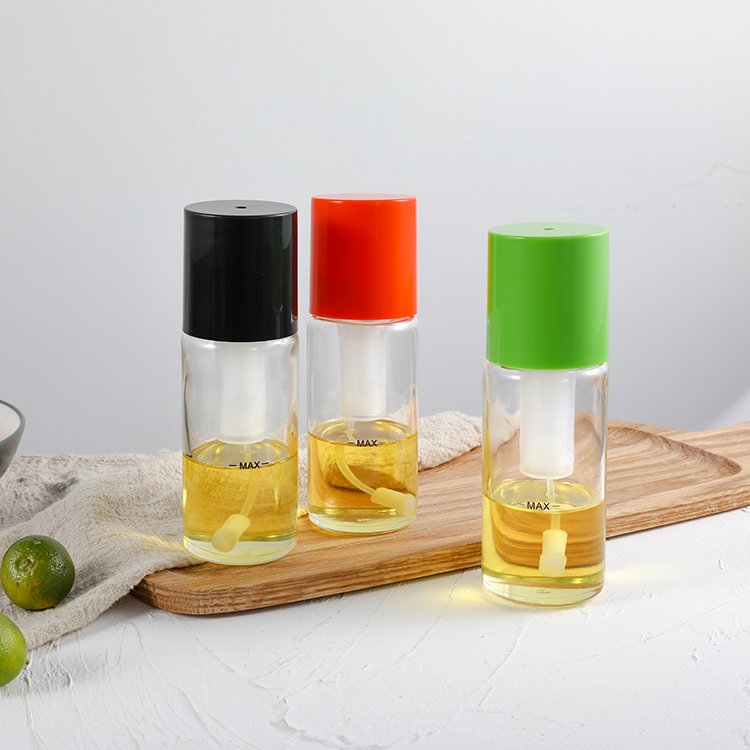
| Multi-Functional | Can be used as a dispenser or sprayer for oil. |
| Versatile | Useful at home, in restaurants, or at BBQs. |
Chefs use vinegar bottles to spray olive oil onto cutting boards. They use them to spray oil onto baking trays or mix oil and vinegar to marinate meats. They also mix oil and vinegar to make marinades and sauces. Vinegar bottles make these tasks easy and quick.
Vinegar Bottles and Other Dispensers
Vinegar Bottles and Decanters
Vinegar bottles and decanters may look similar, but they are not the same. Vinegar bottles are convenient for pouring and keeping the vinegar fresh. Decanters are used to hold wine. Their shapes reflect their different uses.
| Feature | Oil and Vinegar Holders | Decanters |
|---|---|---|
| Primary Purpose | Dispensing and preserving oils and vinegars | Aerating and serving wine |
| Design Characteristics | Slender spouts for controlled pouring, often opaque | Extensive base and slender neck for aeration |
| Preservation | Protects oils from light, heat, and air | Enhances wine flavors and aromas through aeration |
| Cleaning | Requires thorough cleaning to avoid contamination | Generally easier to clean due to wider openings |
| Aesthetic Appeal | Can create a tidy kitchen appearance | Adds elegance to the dining experience |
Condiment bottles have narrow spouts. These spouts help control the amount of oil or vinegar used. Many condiment bottles are made of light-proof materials. Decanters have a wide base and a long, narrow neck. This shape allows wine to breathe, improving its flavor. Decanters are aesthetically pleasing and add a special touch to the dining experience. Condiment bottles focus on keeping oils and vinegars fresh.
Dispensers and Spice Grinders
Oil and vinegar bottles differ from other dispensers and spice grinders. They have several special features.
- They are designed for easy pouring and have an attractive appearance.
- They are comfortable to hold.
- The pouring mechanism prevents spills and helps you get the right amount.
- The style fits perfectly into modern kitchens.
Some oil and vinegar bottles use gravity to assist pouring. These bottles make cooking easier and are aesthetically pleasing on the countertop. Stainless steel condiment bottle sets are durable, shiny, and rust-free. Automatic oil dispensers allow chefs to precisely control the amount of oil used, helping people eat healthier.
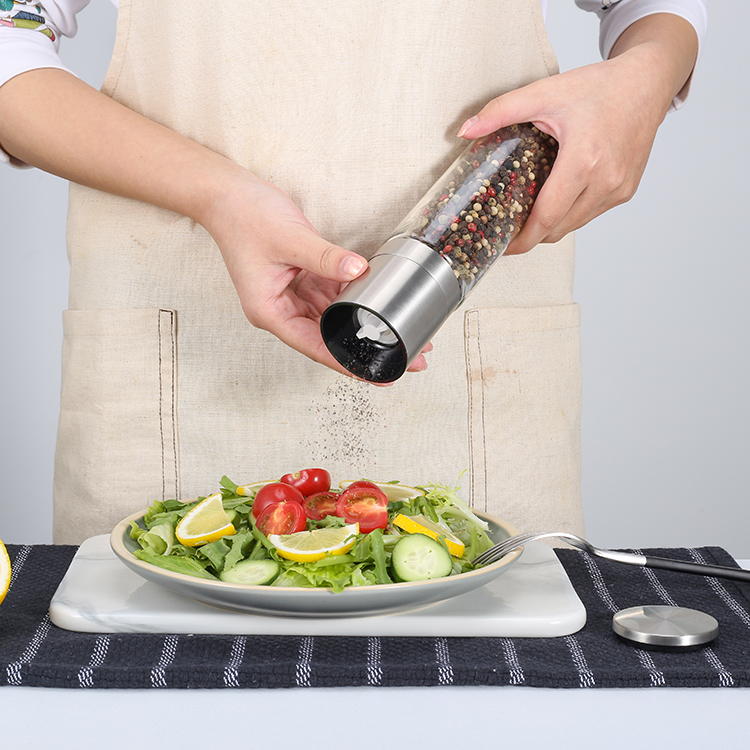
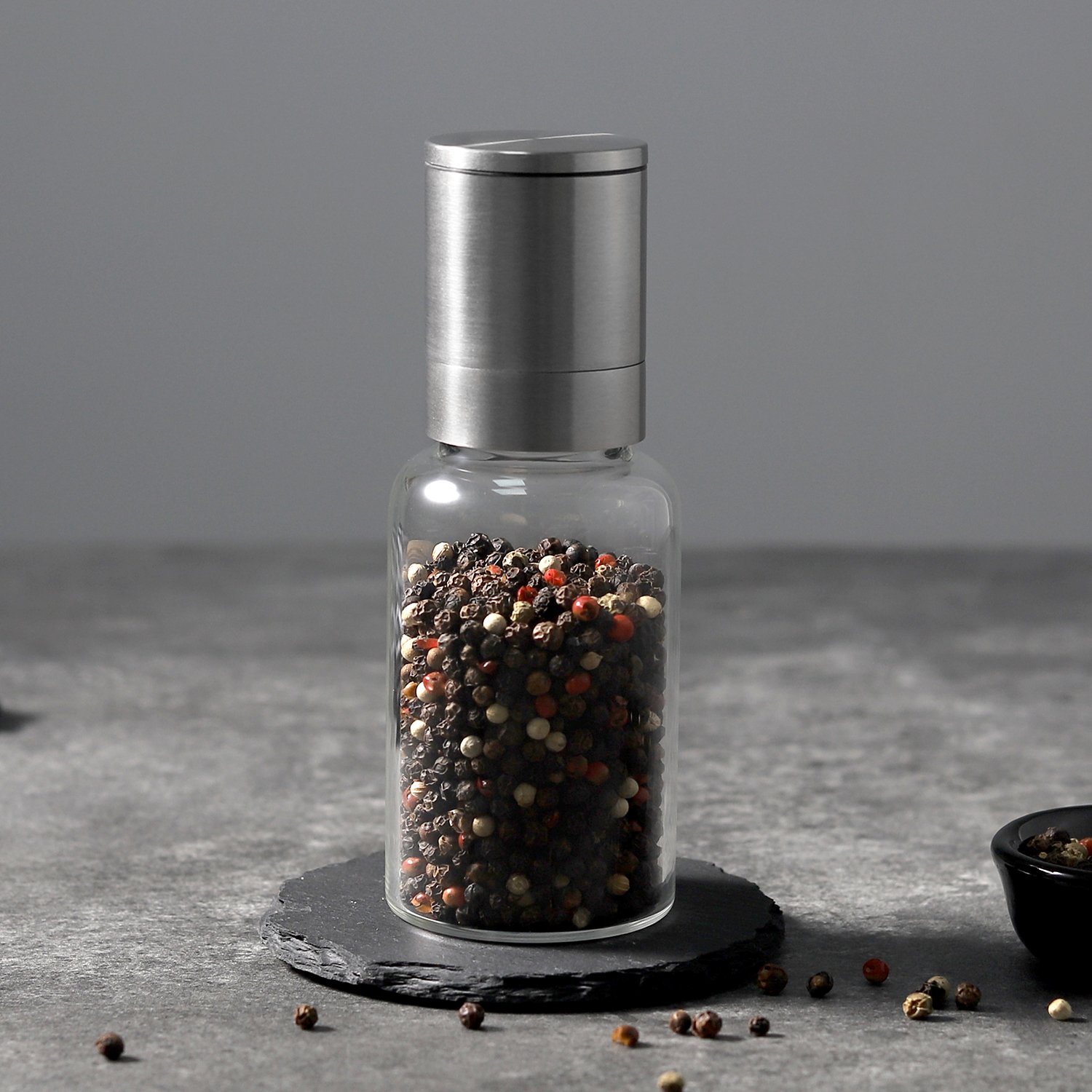
Spice grinders, such as those from ChefsHere, have additional functions. These are used to grind salt, pepper, or spices. These grinders use a grinding component, not a pouring spout. Both spice grinders and vinegar bottles help season food, but their design and purpose are different.
Note: Using the right tools can keep your kitchen tidy and make cooking easier.
Vinegar bottles are also called condiment sets, vinegar bottles, or spice jars. These bottles are typically made of materials such as glass or stainless steel, making them safe and durable. Drip-proof spouts and sealing rings help keep the contents fresh and keep your kitchen clean.
A well-chosen vinegar bottle set is both practical and beautiful, adding a touch of elegance to any kitchen or dining room.
FAQ
What are the main types of vinegar bottles?
There are many types of vinegar bottles on the market. Some are glass bottles with spouts, while others are made of ceramic or stainless steel. Some sets also include a tray or stand for easy storage.
How to clean a vinegar bottle?
Most vinegar bottles can be washed simply with warm water and mild soap. Glass and stainless steel vinegar bottles can be hand-washed. Some vinegar bottles are also dishwasher safe. Always dry thoroughly after washing to prevent mold.
Why are vinegar bottles designed with special spouts?
Special spouts help control the flow of liquid, prevent spills, and make it easy for users to pour out the correct amount of vinegar. Some spouts also prevent air from entering, helping to maintain the freshness of the vinegar.
Can vinegar bottles be used to store other liquids?
Yes, people sometimes use vinegar bottles to store sauces or condiments. However, due to their unique design and spout shape, vinegar bottles are best suited for storing vinegar.
How to keep vinegar fresh in the bottle?
Store vinegar bottles in a cool, dry place. Use an airtight cap or stopper. Wash the vinegar bottle frequently. This helps keep the contents fresh and ensures food safety.