Many home cooks believe that grinding sea salt with an electronic salt grinder makes food taste better and allows for better control over the salt’s texture. Electric tools have revolutionized the way people season their dishes in the kitchen, with 92% of home cooks now using electronic salt and pepper mills every day. When deciding between an electronic salt grinder, a wood salt and pepper grinder set, or electronic salt and pepper mills, it all comes down to personal preference. Some people prioritize convenience and style, opting for a sleek electronic salt grinder or a classic wood salt and pepper grinder set, while others focus on achieving the perfect taste and texture. Tools like the Chefshere Electric Salt and Pepper Grinder make seasoning both simple and precise.
Key Takeaways
Grinding sea salt makes food taste better and feel nicer. It helps meals be more fun to eat. Pick an electric grinder that lets you change how fine or coarse the salt is. This gives you more ways to season your food. Clean your grinder often so it does not get stuck. This also helps it work well. Use dry, good-quality salt so your grinder works right and lasts longer. Try different kinds of sea salt to find new flavors. This can help you cook better.
Why Grind Sea Salt?
Benefits of Grinding
Grinding sea salt has many good points for cooks. When you use an electric salt grinder, you get fresh flavor and can change the texture. Freshly ground sea salt makes food taste more interesting and rich. Chefs like grinding because they can pick how coarse or fine the salt is. This choice changes how food feels and tastes.
Tip: If you grind sea salt right before you eat, it keeps its minerals and makes food taste better.
The table below shows how salt grinders and table salt are different:
Feature | Salt Grinder | Table Salt |
|---|---|---|
Flavor | Fresh, complex, mineral-rich | Uniform, often flat |
Texture Control | Adjustable: fine to coarse | Only fine granules |
Additives | None (when using natural salt) | Often includes anti-caking agents |
Nutritional Value | Retains natural minerals | Processed, minerals often removed |
Appearance | Adds visual appeal to dishes | Plain, melts into food |
Best For | Finishing, controlled seasoning | Basic everyday cooking |
Many people like electric salt grinders because they work the same every time and make seasoning easy. You can change the grinder to make salt fine or coarse. This helps you make different textures and flavors in your food.
Freshly ground sea salt changes flavor in a few ways:
Freshly ground sea salt makes food taste more complex.
Special salts like fleur de sel give food new textures and looks.
The minerals and texture in sea salt help make food taste better.
Grinding sea salt with an electric grinder keeps tiny minerals from seawater. These minerals can be good for you. The grinder lets cooks add salt exactly how they want, so it is a helpful tool for anyone who wants to make their food taste great.
Drawbacks to Consider
Grinding sea salt is helpful, but there are some things to think about. Electric salt grinders need to be cleaned often so they do not get stuck, especially with wet or special salts. Some grinders do not work with every kind of salt, so check before you buy one.
Ground and unground sea salt are almost the same for nutrition, but processing can change the minerals. The table below shows these differences:
Aspect | Ground Sea Salt | Unground Sea Salt |
|---|---|---|
Chemical Composition | Sodium Chloride (NaCl) | Sodium Chloride (NaCl) |
Trace Minerals | May contain trace minerals from seawater | Typically lacks trace minerals due to processing |
Iodine Content | Not typically added | Often iodized for health benefits |
Processing | Evaporated from seawater | Mined and heavily processed |
Grinding salt can take more time than using table salt. Electric grinders need batteries or charging, which is another step in cooking. People who want things simple may use table salt every day. But if you care about flavor and texture, you might pick an electric salt grinder.
Sea Salt Types for Grinding
Coarse vs. Fine Salt
People pick coarse or fine salt for grinders. Each kind is different and changes how food tastes. Coarse salt has big crystals. These crystals make food crunchy. The flavor from coarse salt lasts longer and tastes earthy. Fine salt has tiny crystals. It melts fast and gives a strong taste for a short time.
The table below shows the main differences:
Characteristic | Coarse Salt | Fine Salt |
|---|---|---|
Crystal Size | Larger crystals that are chunkier | Smaller, even-shaped crystals |
Solubility | Does not dissolve easily | Dissolves quickly |
Flavor Release | More persistent and earthy flavor | Stronger but ephemeral flavor |
Usage | Ideal for hand-salting and visible measurement | Commonly used in baking for even distribution |
Cooks use fine salt for even seasoning. Fine salt mixes well in doughs and batters. It is good for recipes that need salt to melt fast. Coarse salt is best for finishing dishes. It adds crunch to food. Some people use both types for different meals.
Tip: Pick an electric grinder with adjustable coarseness. This lets you switch between coarse and fine salt easily.
Moist and Specialty Salts
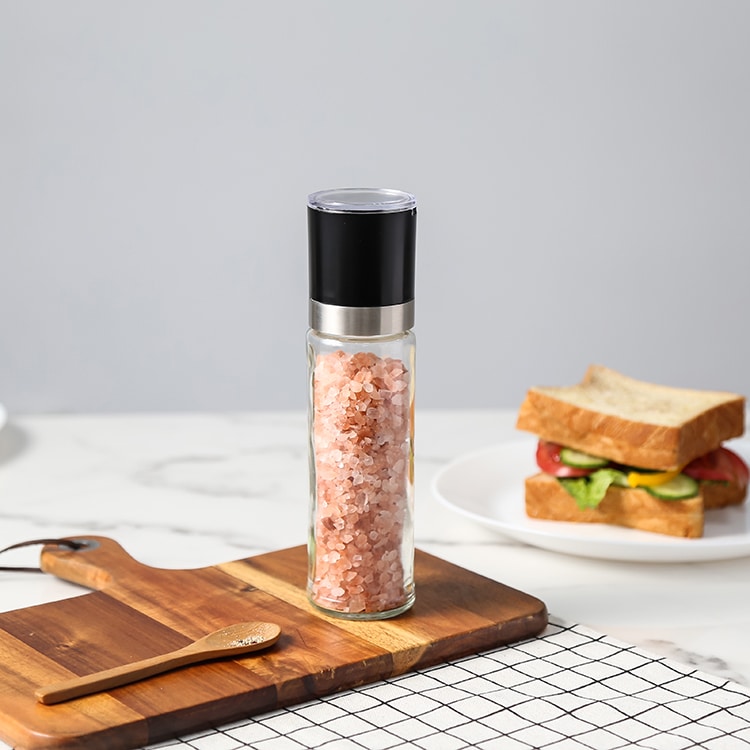
Specialty salts like fleur de sel and Himalayan pink salt give food new flavors and textures. Moist salts, such as Celtic sea salt, can work in electric grinders if they have ceramic parts. Many people say ceramic grinders work well with moist salts.
Dry, flaky salts like fleur de sel are great for electric grinders. Himalayan pink salt should be dry before grinding. Moist salt can clog grinders without ceramic parts. Chefshere’s Electric Salt and Pepper Grinder uses ceramic, so it does not clog and grinds smoothly.
Fine salt is not always best for specialty grinders. Some specialty salts have big crystals or flakes. These need grinders that can handle different textures. Fine salt is still popular for quick and even seasoning.
Note: Always read the grinder’s instructions before using moist or specialty salts. This keeps the grinder working well and helps it last longer.
Choosing an Electric Salt Grinder
Ceramic vs. Nylon Mechanisms
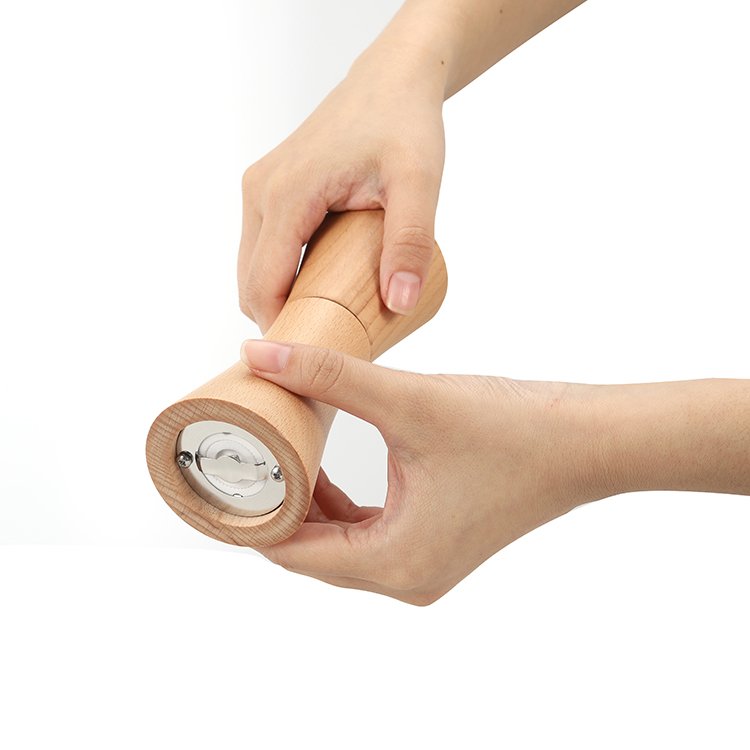
The part that grinds salt is important. Ceramic grinders are strong and last a long time. They do not rust or break down fast. Nylon grinders can wear out after a short time. Many cooks pick ceramic because it works well for years. Ceramic does not react with salt. The Chefshere electric salt grinder uses ceramic, so it stays good for a long time.
The table below shows how ceramic and nylon are different:
Advantage | Description |
|---|---|
Longevity | Ceramic grinders last longer and work well over time. |
Corrosion Resistance | Ceramic does not rust or get damaged by water. |
Consistent Grinding Performance | Ceramic grinders make salt even and let you pick the size. |
Durability | Ceramic does not wear out quickly, even if used a lot. |
Ceramic does not react with salt.
Picking ceramic instead of nylon means your grinder will last many years.
Electric vs. Manual Grinders
People think about getting electric or manual salt grinders. Electric grinders are easy to use. You just press a button. They help people who want to do many things at once or have weak hands. Manual grinders need you to use both hands and more effort.
The table below shows how electric and manual grinders are different:
Feature | Electric Grinders | Manual Grinders |
|---|---|---|
Ease of Use | Easy to use with a button, good for multitasking | Needs both hands and more work |
Control Over Grind Size | Not as exact, fewer choices for grind size | More control for picking how fine or coarse the salt is |
Durability | Electric parts can break | Usually stronger and last longer |
Maintenance | Needs cleaning and battery changes | Easier to care for, no batteries |
Initial Cost | Costs more because it is more complex | Cheaper to buy |
Long-term Costs | Costs more because of batteries and power | Costs less, no batteries needed |
Portability | Not easy to move, mostly used in kitchens | Easy to carry and use anywhere |
Noise Levels | Makes noise because of the motor | Very quiet |
Environmental Impact | Uses more energy and makes electronic waste | Better for the environment, no batteries needed |
Features That Enhance Convenience
New electric salt grinders, like the Chefshere, have helpful features:
You can change how fine or coarse the salt is.
Rechargeable batteries mean you do not need new batteries often.
LED lights help you see how much salt you use, even when it is dark.
Gravity operation lets you use the grinder without your hands, which is good for busy cooks.
Tip: An electric salt grinder with these features makes cooking easier and helps you add the right amount of salt.
Using an Electronic Salt Grinder
Best Practices
People can make their electric salt grinder work better by following easy steps. First, pick dry, good-quality salt crystals. Wet or fine salts can cause trouble inside the grinder. Keep your grinder in a cool, dry spot, away from water and sinks. Silica gel packets soak up extra moisture when you store the grinder. Clean the grinder often to keep it working well. Wipe it with a dry cloth after each use to get rid of leftover salt and stop rust.
Charge the grinder only when the battery is low. Unplug it when charging is done. Try using different salts to keep flavors fresh and stop old salt from building up. Check for damage so your grinder stays in good shape. Put food-safe oil on moving parts to help them work smoothly. Do not grind wet things to avoid clogs.
Tip: Clean your electric salt grinder deeply every two or three months. This keeps it clean and working well.
Safety is important when using an electric salt grinder. Take out batteries or unplug it before cleaning. Do not wash electronic parts under running water because it can break the grinder. Store the grinder in a dry place to keep it safe from moisture.
Common Mistakes
Many people make mistakes that hurt how their electric salt grinder works. If you forget to charge the battery, the grinder will not work. Using the wrong salt, like fine salt or table salt with anti-caking stuff, can clog the grinder. Filling the spice chamber too much stops salt from moving. Water inside the grinder can block it. Turning the grind setting too hard can mess up the parts.
To stop clogs, always use dry, good-quality salt. Keep seasonings in a dry place and clean the grinder often to help it work well. Do not fill the grinder too much so salt crystals can move easily.
Note: If you follow these easy steps, your electric salt grinder will work well and last longer.
Flavor and Texture Impact
How Grinding Affects Taste
Grinding sea salt changes the way food tastes. Freshly ground salt keeps more minerals and flavors. Pre-ground salt can lose these over time. Grinding right before eating keeps the salt’s bright taste. This makes every bite taste better.
Salt crystal size also changes the flavor. Coarse salt gives flavor slowly and lasts longer. Fine salt melts fast and tastes strong right away. Many chefs use grinders that let them pick the size. They use fine salt for soups and coarse salt for meats.
The texture of ground sea salt changes how food feels. Here are some ways texture matters:
Coarse salt gives a crunchy feeling that lasts in your mouth. This makes dishes feel more fun to eat.
Fine salt melts fast, so it does not give much crunch. This can change how the food feels when you eat it.
The look of salt can also make food look brighter and more inviting.
When Texture Matters
Texture is important in cooking. Different sea salts work best for different foods. The right salt can change how food looks, tastes, and feels.
The table below shows how cooks use sea salts:
Type of Sea Salt | Culinary Application |
|---|---|
Fine Sea Salt | Good for daily seasoning, baking, and rimming glasses because it melts fast. |
Coarse Sea Salt | Adds crunch, great for meats, veggies, and pasta. |
Flaky Sea Salt | Gives a light crunch and mild taste, nice for finishing dishes. |
General Cooking | Medium salts are good for seasoning while cooking. |
Baking | Fine salts are used in baking, usually without iodine. |
Brining and Curing | Coarse salts are used for brining meats and curing. |
Salt Crust Baking | Big crystals are best for making salt crusts on fish or chicken. |
Grilling and Roasting | Coarse salts handle high heat, good for grilling or roasting. |
Pickling | Some sea salts work for pickling if they have no additives. |
Cooks often use coarse salt to finish dishes. The crunch makes salads, steaks, and veggies more exciting. Fine salt is best for baking because it mixes well. Flaky salt is special for desserts and chocolate. Grinding sea salt helps cooks match the salt to the dish for a better meal.
Cooking experts say grinding sea salt makes food taste better. It also makes food smell nicer. Many cooks like electronic salt grinders because they are easy to use. You can change how fine or coarse the salt is. Coarse sea salt, kosher salt, and Himalayan pink salt work well in these grinders. Some grinders have ceramic parts, LED lights, and batteries you can recharge. The Chefshere Electric Salt and Pepper Grinder is a popular choice for these reasons. Using an electronic salt grinder often helps keep minerals in your food. This can be good for your health. People can try different salts and grinders to see what works best in their kitchen.
Model Name | Adjustable Coarseness | Rechargeable | LED Light | Build Material |
|---|---|---|---|---|
ChefsHere Elite | Yes | Yes | Yes | Stainless Steel |
Budget Model A | Yes | No | Yes | Plastic |
Premium Pro | Yes | Yes | Yes | Aluminum |
Tip: Try using an electronic salt grinder to find new tastes and textures in your meals.