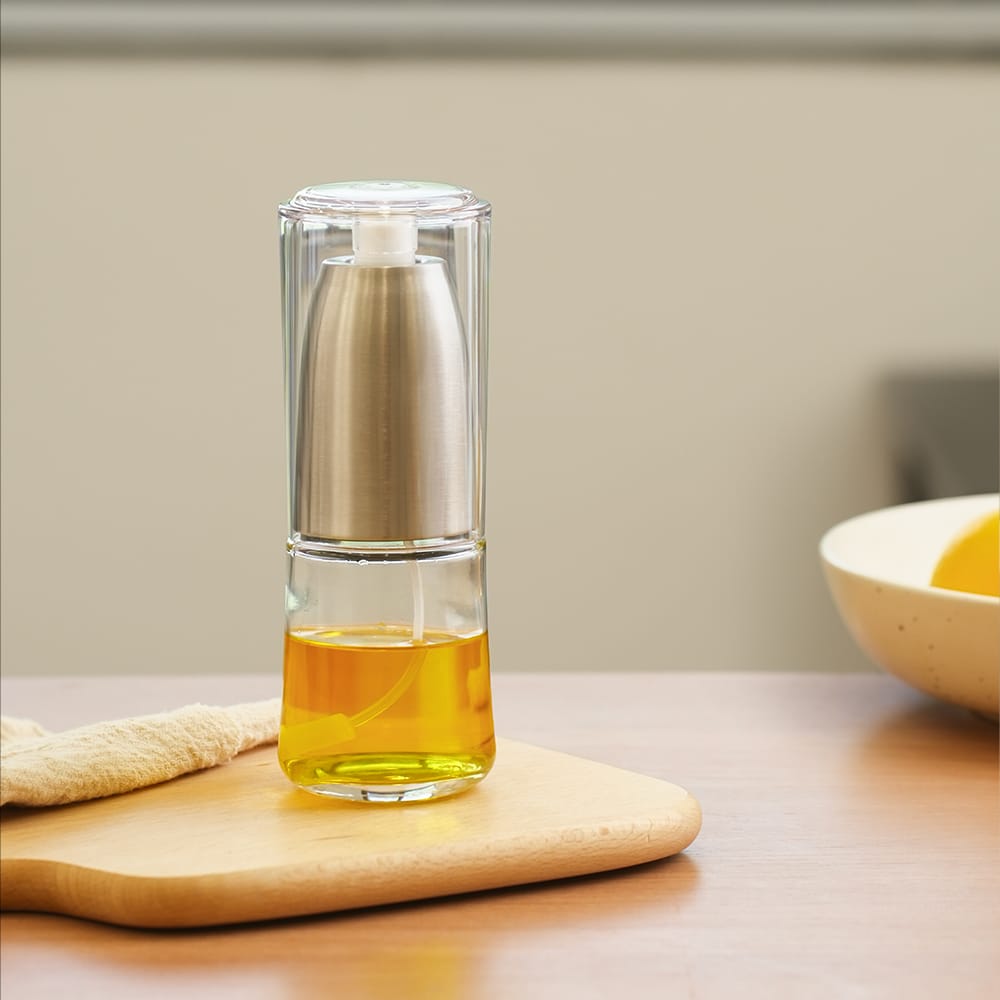
You might ask, are glass oil bottles better than plastic oil bottles? Many people choose glass because it keeps oil clean and safe. Glass doesn’t react with oil, so you won’t taste or smell any off-flavors. In 2023, glass oil bottles held a 38.4% market share, indicating that many people trust glass over plastic. If you want your oil to stay fresh and retain its nutrients, safety and optimal storage methods should be considered.
| Feature | Glass | Plastic |
|---|---|---|
| Material Interaction | No leaching | Possible odors |
| Flavor Retention (months) | Up to 24 | 12-18 |
Key Takeaways
- Choose a glass oil bottle for greater safety. Glass doesn’t react with oil, keeping it pure and healthy.
- Glass retains flavor and aroma longer than plastic. It prevents off-flavors and preserves the oil’s original taste.
- Choose a dark glass bottle to protect the oil from light. This helps prevent oxidation, keeping the oil fresh for up to 24 months.
- Consider the long-term value of glass. While glass has a higher initial cost, it has a longer lifespan and can be recycled indefinitely.
- Choose a dispenser that suits your needs. Look for oil dispensers with easy-to-use features such as an airtight seal and an ergonomic design.
Glass Better Than Plastic for Oil Storage
Chemical Safety
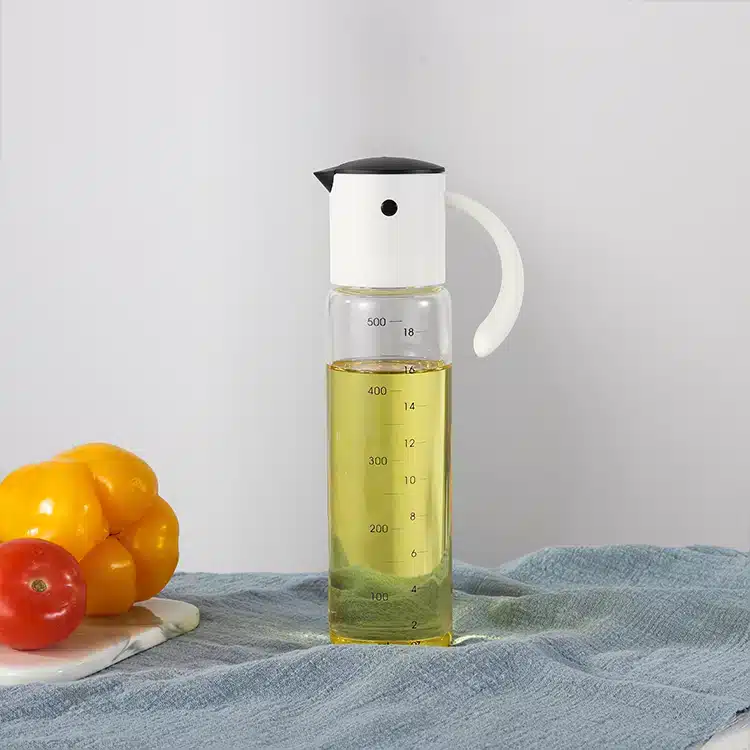
Safety is paramount when choosing oil containers. Glass is better than plastic for storing oil because it does not react with the oil. Glass bottles do not allow any substances to seep in. They are also chemically stable. This means that anything in the glass will not enter the oil. You don’t need to worry about chemicals seeping into the oil.
The situation is different with plastic containers. Some plastics, such as PET or HDPE, can allow chemicals to seep into the oil. This can happen if you store oil for a long time or at high temperatures. Scientists call this leaching. Xu and his team found that phthalates contained in some plastics migrate into oil more easily than water. If oil is stored in plastic for a long time or in a warm environment, the migration of chemicals will be faster.
Tip: Store oil in a cool, dark place to reduce the possibility of chemical leaching.
The table below lists factors that affect the migration of chemicals from plastic into oil:
| Factor Influencing Migration | Description |
|---|---|
| Nature of Polymer | Different polymers have different migration rates. |
| Type of Product | Oily substances migrate more in oil than in water. |
| Environmental Conditions | Heat and long storage make migration happen faster. |
It can be seen that glass is better than plastic for storing liquids because it prevents chemicals from seeping into the oil. This helps keep the oil pure and safe.
Preserving Flavor and Aroma
You certainly want to enjoy the delicious aroma every time you use oil. Glass is better than plastic for storing oil because it better preserves the oil’s flavor and aroma. Research from the Olive Center at UC Davis shows that glass containers help olive oil retain its flavor and aroma for longer. In a six-month study, olive oil in glass bottles remained fresh, while olive oil in plastic bottles lost its superior quality more quickly.
Glass bottles help maintain flavor. Glass doesn’t absorb or release odors, so your olive oil will retain its flavor to your liking. Plastic, on the other hand, can sometimes absorb odors or allow external smells to seep in, altering the taste of the olive oil. This is why glass is better than plastic for storing liquids, especially if you want your olive oil to stay fresh.
As you can see, glass is better than plastic for storing liquids because it doesn’t alter the flavor of the olive oil. This is crucial for your health and enjoyment of your food.
In conclusion, glass is better than plastic for storing cooking oils because it protects them from chemical contamination and maintains their flavor and aroma. Using glass containers for liquids is a wise choice for both your health and your kitchen.
Plastic vs Glass: Durability and Usability
Breakage and Longevity
When choosing an essential oil bottle, you’ll definitely want it to be durable. Glass bottles are easily broken, but they won’t age due to high temperatures or sunlight. Here’s what you should know:
- The breakage rate of glass essential oil bottles during transportation is 1-2%.
- The breakage rate of plastic essential oil bottles is less than 0.5%.
You may find that plastic bottles are less likely to break during transportation. However, glass bottles won’t be damaged by sunlight or high temperatures and can remain sturdy and durable for many years. Plastic bottles, on the other hand, will become brittle over time, especially in warm environments. Many users report that glass bottles maintain the freshness of essential oils, without altering their scent or taste. Plastic bottles, however, can sometimes affect the quality of the essential oils.
Weight and Handling
You’ll find that glass bottles are heavier than plastic bottles. This weight can make glass bottles difficult to carry, especially with wet hands. Plastic bottles are lighter and easier to grip. If you need an essential oil bottle that’s easy to move, a plastic bottle might be more suitable for you. If you want a sturdy and durable oil bottle, glass offers that sense of stability.
Tip: If you have children in the kitchen, it’s best to keep glass oil bottles out of their reach to prevent accidents.
Ease of Use
You definitely want your oil bottles to be simple and convenient to use. Both glass and plastic oil bottles come in a variety of shapes and sizes. Some bottles have easy-to-pour spouts or handles. Both materials offer features to help you precisely control the amount used. Glass oil bottles often look more stylish on the dining table. Plastic oil bottles are less fragile and suitable for outdoor use or travel. Before choosing an oil bottle, consider when you will most often use it.
Dark Glass Bottles and Oil Quality
Protection from Light and Heat
You definitely want your oil to stay fresh and healthy for as long as possible. Dark glass bottles effectively block harmful light, helping you achieve this. When oil is stored in clear glass or plastic bottles, sunlight shines on it. This light causes photo-oxidation, which damages the oil’s flavor and nutrients. Dark glass bottles block most ultraviolet rays, so your cooking oil will retain its flavor and nutrients for longer.
Industry experts say that the container is just as important as the cooking oil itself. Dark glass bottles effectively block light, which is the biggest threat to the quality of cooking oil. Using dark glass bottles, your cooking oil can be stored for 12 to 18 months. Using clear glass bottles, the oil may spoil in less than 6 months. Studies have shown that cooking oil in clear glass bottles can lose up to 30% of its polyphenols in just a few weeks. Polyphenols help maintain the health and flavor of cooking oil.
The following table shows the protective effect of different containers on cooking oil:
| Storage Factor | Dark Glass Bottles | Plastic Containers |
|---|---|---|
| Light Protection | Excellent | Limited |
| Shelf Life | 12-18 months | 6-12 months |
| Ideal Use | Long-term storage | Short-term/transport |
| Chemical Stability | Stable | Can vary |
Preventing Oxidation
Oxidation accelerates the spoilage of cooking oil. To keep cooking oil fresh, you need to slow down the oxidation process. Dark glass bottles effectively prevent oxidation by blocking light and air. Studies show that glass and coated metal containers are the best choice for storing cooking oils. They reduce oxidation and maintain the good taste of the oils.
Plastic containers allow more oxygen to enter, thus accelerating oxidation. This means that cooking oils in plastic containers will lose flavor and nutritional value more quickly. The chemical inertness of dark glass helps maintain the purity of cooking oils, resulting in higher quality and a longer shelf life. Research also found that ceramic containers release more volatile compounds, but glass performs better in preventing oxidation.
Tip: Store essential oils in dark glass bottles in a cool, dark place. This helps prevent oxidation and keeps the essential oils fresh.
Environmental Impact: Plastic vs Glass
When choosing an essential oil bottle, you are also contributing to environmental protection. How essential oil bottles are used and recycled determines their impact on the natural environment. You might wonder which material is more planet-friendly and which packaging is more environmentally friendly.
Recyclability
Both glass and plastic essential oil bottles can be recycled, but their recycling methods differ. Glass bottles are known for their ease of recycling. Glass can be recycled repeatedly without damage. Old glass bottles can be recycled multiple times. Plastic bottles, such as PET bottles, can also be recycled. However, plastic can only be recycled a few times before becoming brittle. This is called downgrading.
Note: Not all places recycle glass and plastic the same way. Some towns have stronger recycling programs, so please check your local recycling regulations.
Here is a brief overview of recyclability:
| Material | Recyclability | Quality Loss After Recycling |
|---|---|---|
| Glass | Infinite | No |
| Plastic | Limited | Yes |
Sustainability
You certainly want your oil bottles to be planet-friendly. Manufacturing glass requires a significant amount of energy. Factories must heat the glass to extremely high temperatures, which produces far more carbon dioxide. Glass production can generate up to eight times more carbon dioxide than plastic. This causes more pollution and damages the environment.
Plastic production requires less energy because of its lower melting point. This makes plastic production and transportation cheaper. Plastic bottles are also lighter, resulting in less carbon emissions during transport. However, plastic comes from fossil fuels, which are non-renewable resources. Glass is heavier and more expensive to transport.
When considering how to protect the planet, remember that glass can be recycled indefinitely, but its production requires more energy. Plastic is easier to produce and transport, but its recycling frequency is limited. You can contribute to environmental protection by reusing oil bottles and recycling them when possible.
Tip: Choose eco-friendly packaging and recycle when possible. This helps reduce pollution and protect the natural environment.
Cost Comparison: Glass and Plastic
Initial Price
When purchasing oil bottles, you’ll find that glass oil bottles are generally more expensive than plastic ones. Price differences stem from variations in materials and manufacturing processes. Glass requires high temperatures and special molds, making it more expensive. Plastic oil bottles are lighter and easier to mold, resulting in a lower price. If you plan to buy multiple oil bottles for your kitchen or dining room, the total cost will increase rapidly.
The following table can help you compare:
| Dispenser Type | Average Price (USD) |
|---|---|
| Glass | $10 – $20 |
| Plastic | $5 – $12 |
Note: Prices can change based on size, brand, and design.
Long-Term Value
Beyond the price tag, you should consider other factors. In the long run, glass oil bottles offer better value. Glass oil bottles last longer because they don’t wear down or become brittle from sunlight like plastic oil bottles. You can wash and reuse them multiple times. Recycling glass helps save energy and reduces future costs. Glass can be repeatedly recycled, meaning you don’t need to buy new oil bottles frequently.
Plastic oil bottles may seem cheaper at first glance, but in the long run, they can actually cause more trouble. Plastic oil bottles may crack or deform if used frequently or placed in warm environments, requiring more frequent replacements. Furthermore, plastic incurs additional environmental costs. Even if these costs aren’t immediately apparent, the costs of waste disposal and pollution accumulate over five years.
Tip: If you want to save money and protect the planet, choose a glass oil bottle. In the long run, you’ll not only save money but also reduce waste.
Plastic vs Glass User Experience and Kitchen Innovation
Plastic and Glass Appearance and Cleaning
You certainly want an oil bottle that’s both beautiful and easy to clean. Many people are mindful of how their kitchenware matches their home décor. In Japan, 39.3% of people prefer glass oil bottles. Glass looks high-end and allows you to see the oil inside. You can fully appreciate the color and clarity of the oil. However, be careful when using glass oil bottles to avoid breakage. On the other hand, 77.9% of people prefer plastic oil bottles. Plastic is lightweight, inexpensive, and simple and convenient for everyday use.
| Material | User Preference | Key Features |
|---|---|---|
| Glass | 39.3% in Japan | Fancy look, shows oil inside, needs careful use |
| Plastic | 77.9% in Japan | Light, cheap, strong for daily use |
Cleaning is also important. Both glass and plastic oil bottles can be washed with warm water and soap. Glass is less prone to retaining odors or stains, so it remains fresh after washing. Plastic oil bottles are more likely to retain some odor or color, especially after holding strong oils or spices. If you want an oil bottle that always looks new, a glass oil bottle is a good choice.
Quality Standards in Kitchenware
You certainly want your kitchen utensils to be safe and of good quality. Chefs and cooking oil experts say that glass oil bottles, especially dark glass ones, can keep cooking oil fresh and safe. Dark glass blocks ultraviolet rays, preventing chemical changes and helping cooking oil retain its original flavor. Plastic containers are more transparent to light and air, causing oil to spoil faster.
Many brands are committed to producing higher quality kitchen utensils. ChefsHere uses eco-friendly materials to create modern kitchenware, such as bamboo lids, recycled glass, and biodegradable plastics. These options are both environmentally friendly and aesthetically pleasing.
- New oil bottles also use eco-friendly materials.
- Bamboo oil bottles are biodegradable and environmentally friendly.
- Beautiful oil bottles made from recycled materials add a touch of elegance to your kitchen.
When choosing an oil bottle, consider its appearance, ease of cleaning, and environmental performance. Functional and aesthetically pleasing cooking tools make cooking more enjoyable.
Storing Olive Oil: Plastic vs Glass Best Practices
Choosing the Right Dispenser
To keep extra virgin olive oil fresh and safe, choosing the right oil bottle helps protect its quality. Experts recommend considering the following aspects when comparing glass and plastic oil bottles. The table below lists what you should check before making a choice:
| Criteria | Glass Dispensers | Plastic Dispensers |
|---|---|---|
| Material Quality | High-quality materials like amber or cobalt glass | Standard plastics unless medical-grade and UV-protected |
| UV Protection | Protects oils from UV degradation | Most standard plastics allow oxygen permeation |
| Closure Type | Airtight closures (pump or dropper) | Varies, but often less secure than glass |
| Ergonomic Design | Enhances usability | Varies, often less ergonomic |
| Environmental Impact | Refillable, sustainable packaging | Often less sustainable unless specified |
If you want to provide the best protection for your extra virgin olive oil, you should choose a glass container. Glass effectively prevents chemicals and air from mixing with the olive oil, thus maintaining its high quality and extending its shelf life. Dark glass bottles can block sunlight, protecting the olive oil from UV damage. In addition, you’ll need a tight-fitting cap to prevent air from entering, thus preserving the olive oil’s fresh taste.
Tips for Maintaining Oil Freshness
With just a few simple steps, you can keep your olive oil at its best. The following tips will help you maintain the freshness and quality of your olive oil:
- Store olive oil in a cool, dark place, away from heat and sunlight.
- Always tighten the cap after each use to prevent air from entering and slow down oxidation.
- Use smaller bottles to store olive oil, reducing air entry and extending its shelf life.
- Do not mix new and old olive oil; this will maintain the olive oil’s high quality and prevent flavor changes.
Glass is the best choice for storing olive oil because it does not react with the olive oil. It preserves the oil’s pure taste and excellent quality. Plastic allows air to get in, potentially altering the taste of the oil or even allowing harmful chemicals to seep in. If you follow these best practices, you can enjoy the true flavor of your oil every time you cook.
Tip: Check your oil regularly. If it smells or tastes different, it may be time to replace it.
Now you know that glass oil bottles are safer, keep oil fresher, and last longer. Glass protects oil from chemicals and light. Choosing glass also helps protect the planet because it can be recycled multiple times. While the initial cost of a glass oil bottle may be higher, it’s excellent value for money. Think about what’s most important in your kitchen. Choose tools that ensure food safety and make cooking easier.
- Glass preserves the pure flavor of oil.
- Glass lasts longer and looks better.
- Glass helps protect the environment.
Tip: Always choose cookware that matches your needs and values.
FAQ
Which is better for storing olive oil, glass or plastic?
Glass is safer. You don’t need to worry about chemicals seeping into the oil. Glass doesn’t react with oil and won’t leak anything. You can keep your oils pure and healthy.
Does glass extend the shelf life of oils better than plastic?
Yes. Glass is better at blocking air and light than plastic. You can keep your oils fresh for months. Experts say glass helps keep oils fresh for up to 24 months.
Can both glass and plastic oil bottles be recycled?
Both can be recycled. Glass can be recycled multiple times without losing quality. Plastic can only be recycled a few times before becoming brittle.
| Material | Recyclable Times | Quality Loss |
|---|---|---|
| Glass | Infinite | No |
| Plastic | Limited | Yes |
Are glass oil bottles harder to clean?
Not at all. You can wash glass with soap and water. Glass won’t leave any odors or stains. You’ll get a clean bottle every time you use it.
How should I choose a good oil bottle?
Choose dark glass, a well-sealed cap, and an easy-to-pour spout. You need a dispenser that blocks light and air to protect your essential oils. Choose one that’s comfortable to hold.