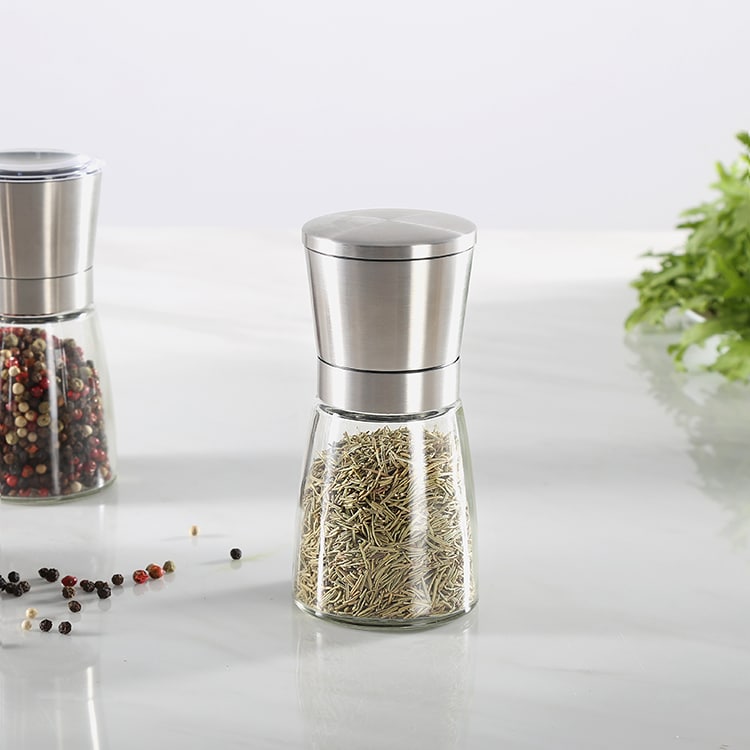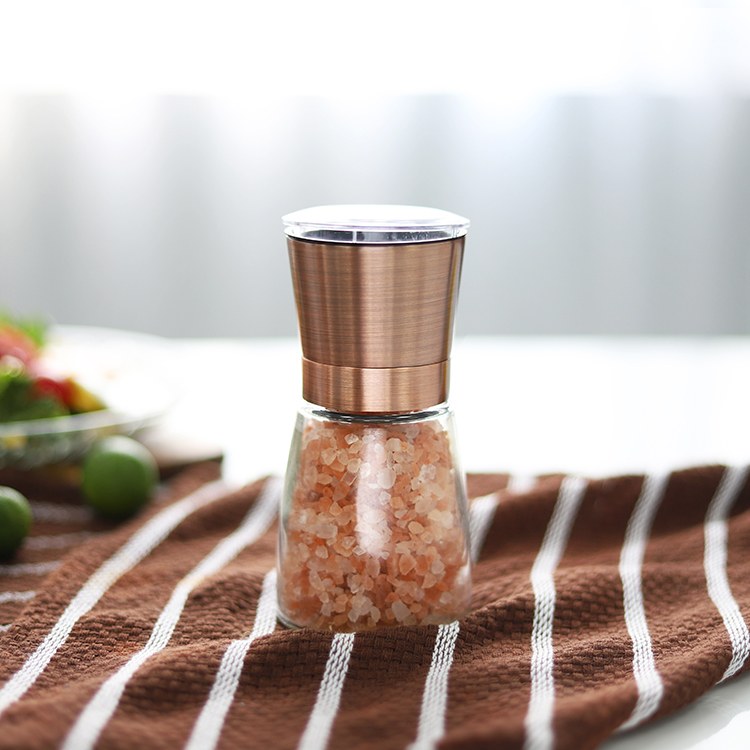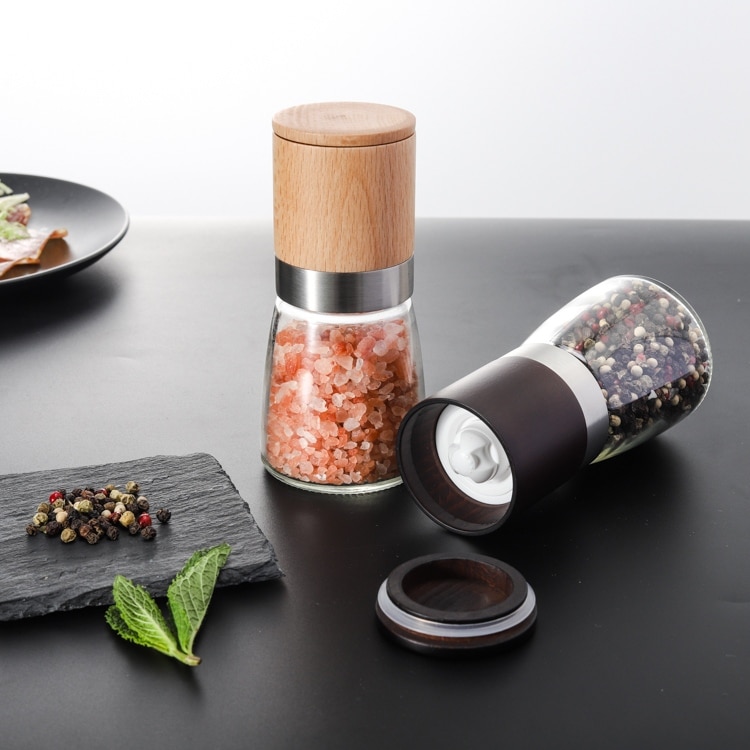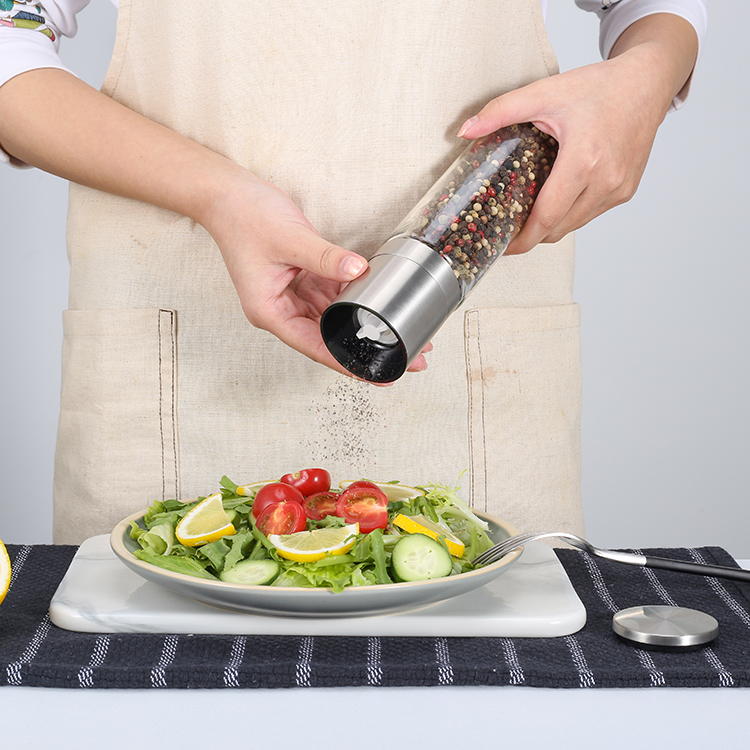
Ceramic is an excellent choice for making salt grinders. Many people love ceramic salt grinders because they are durable, rust-resistant, and grind salt evenly every time. However, some say ceramic is prone to breakage and is more expensive than other types of grinders. ChefsHere sells high-quality ceramic salt grinders with superior performance. These grinders are trusted by kitchens that value quality and durability.
Key Takeaways
- Ceramic salt grinders are durable and rust-resistant, making them ideal for the kitchen. They grind salt evenly, making food more flavorful. You can adjust the coarseness of the salt as needed, allowing for better control over the color, aroma, and taste of your food. While ceramic grinders are more prone to breakage than metal or plastic grinders, they offer excellent performance and are worth the price. With regular cleaning and maintenance, ceramic grinders will remain in good working order and keep your salt fresh and delicious.
Advantages of Ceramic Salt Grinders
Corrosion-Resistant Material
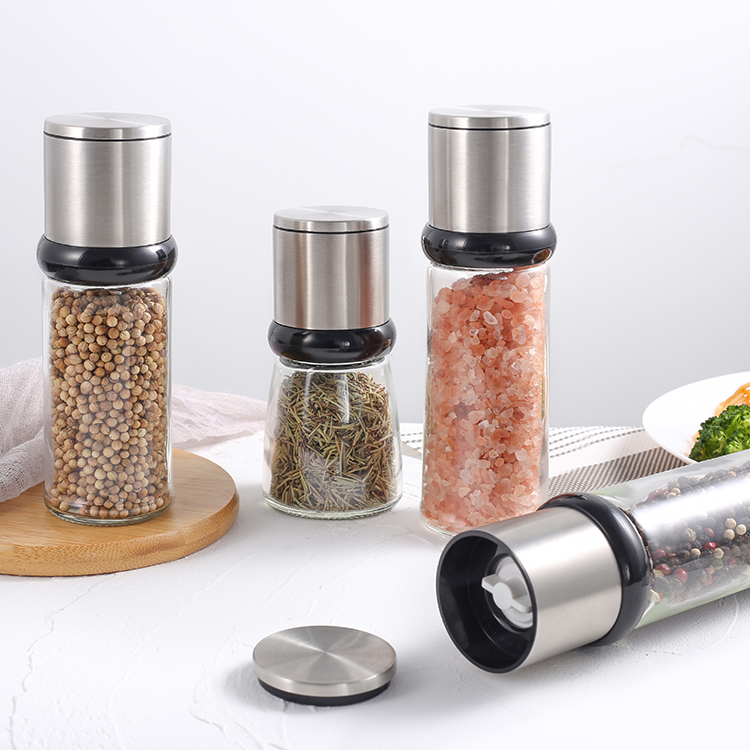
Ceramic salt grinders won’t rust like metal grinders. Salt can cause metal to rust, but ceramic remains durable. Therefore, ceramic grinders are ideal for kitchens that require sturdy, durable tools. ChefsHere uses special ceramic components that are long-lasting and help maintain the freshness of the salt. Ceramic does not react with water or oil, so the grinder always stays clean and safe.
ChefsHere’s ceramic salt grinders are safe, reliable, and suitable for a wide variety of dishes.
The table below lists the reasons why ceramic is a better choice for making salt grinders:
| Property | Explanation |
|---|---|
| Chemical Inertness | Ceramic does not react with water or oil, so it does not rust or change flavors. |
| Rust Resistance | Ceramic never rusts, so it lasts longer and works well. |
| Flavor Neutrality | Ceramic does not soak up flavors, so you can use it for different spices. |
Consistent Grinding
Ceramic salt grinders always produce the same granules. The ceramic parts remain durable even after years of use. ChefsHere grinders work well even in humid kitchen environments, which is especially important if you use salt frequently. The ceramic grinding discs won’t rust and maintain an even grind.
Ceramic grinders grind salt into uniform sizes, resulting in a smooth feel when used. ChefsHere grinders help chefs grind the right amount of salt for every dish. Even after prolonged use, the grinders maintain their performance, making them ideal for home and restaurant kitchens.
| Feature | Ceramic Mechanism | Stainless Steel Mechanism |
|---|---|---|
| Rust Resistance | Excellent | Moderate |
| Suitable for Salt | Yes | No |
| Grinding Precision | Excellent | Good |
Adjustable Coarseness
Ceramic grinders let you choose the coarseness of your salt. ChefsHere grinders allow you to select different sizes of salt for various recipes. The ceramic section can grind a variety of salts, peppers, and spices. You can easily adjust the settings, and the grinder won’t get greasy.
Adjusting the grind size helps chefs control flavor and texture. Fine salt grains deliver a richer flavor, while larger grains add a crunchy texture and a more appealing appearance. The ceramic doesn’t alter the taste of the salt, so it won’t impart a metallic taste.
| Feature | Description |
|---|---|
| Grind mechanism | 100% ceramic lets you grind many salts, peppers, and spices. |
| Coarseness settings | You can pick from very fine to very coarse. |
Ceramic salt grinders preserve the flavor of salt and allow you to cook in different ways. ChefsHere’s design makes switching settings easy and convenient, giving chefs greater control in the kitchen.
Drawbacks of Ceramic
Fragility
Ceramic salt grinders are more prone to damage than grinders made of other materials. Tests show that ceramic can crack if dropped or subjected to excessive force. Tightening the adjustment knob too much can also cause cracking. Mixing dry and wet salt can create clumps. These clumps can damage the grinder. The table below lists the possible causes of ceramic cracking:
| Cause of Fragility | Explanation |
|---|---|
| Brittleness of ceramic material | Ceramic can crack under too much pressure or if dropped. |
| Over-tightening the adjustment dial | Tightening too much can make cracks in the ceramic. |
| Mixing moist and dry salts | This can make clumps that hurt how the grinder works. |
Ceramic grinders are more prone to breakage than stainless steel or plastic grinders. Stainless steel grinders are more durable. Plastic grinders are not as easily broken as ceramic grinders.
Higher Price
Ceramic salt grinders are generally more expensive than plastic or stainless steel grinders. The higher price is due to their ability to better preserve the flavor of food and their sharper blades. Many expensive grinders use ceramic or specially coated steel blades. The table below shows the price range:
| Grinder Type | Price Range |
|---|---|
| Budget (Plastic) | $15-40 |
| Mid-range (Stainless Steel/Wood) | $40-75 |
| Premium (Designer Materials) | $75+ |
Ceramic grinders are often perceived as more valuable because they are more durable and rust-resistant. Chefs appreciate the ability to adjust the grind size for better texture and flavor. Many are willing to spend more money on ceramic grinders due to their superior performance and longevity.
Design Limitations
Ceramic salt grinders have some design limitations. They are not suitable for grinding harder spices like nutmeg or cloves. Cleaning them requires more care to prevent wear and tear or clogging. They need frequent cleaning, which can be time-consuming. While ceramic grinders are aesthetically pleasing and comfortable to use, they are not as versatile in design as metal or plastic grinders. Some kitchens may not find a style they like.
Ceramic vs. Other Materials
Ceramic vs. Stainless Steel
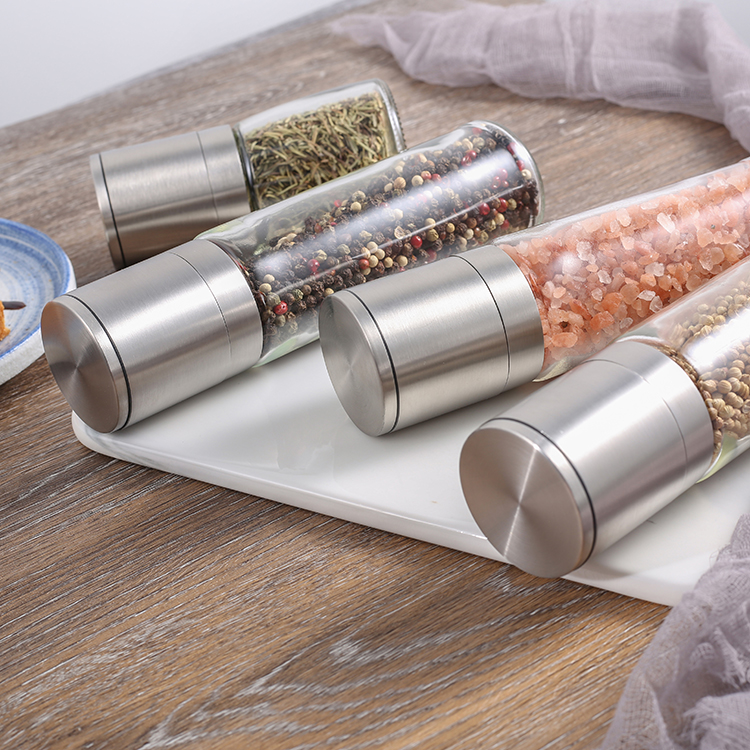
Many chefs struggle with whether a ceramic or stainless steel grinder is better. Ceramic is very hard and won’t rust. Stainless steel, while sturdy, may wear down over time. Ceramic doesn’t react with salt, thus preserving its pure flavor. Stainless steel is prone to rusting and can sometimes impart a metallic taste.
The table below lists their differences:
| Feature | Ceramic Grinders | Stainless Steel Grinders |
|---|---|---|
| Hardness | Mohs hardness of 8.5–9.0, superior wear resistance | Good mechanical strength but prone to wear |
| Chemical Inertness | Highly inert, preserves flavor and safety | Risk of corrosion and metallic taste contamination |
| Grinding Precision | High precision, minimal fine powder | Decreased precision over time, uneven particle size |
| Maintenance and Hygiene | Easy to clean, low porosity, resistant to bacteria | Prone to residue buildup, harder to clean |
Ceramic grinders can last for more than five years. Stainless steel grinders may need to be replaced after three years due to rust. Many experts believe that ceramic is the best choice for salt and pepper grinders because it is durable and grinds well.
Ceramic vs. Plastic
Plastic grinders are common in many kitchens. They are cheaper and not as easily damaged as ceramic grinders. However, plastic grinders do not grind as well as ceramic grinders. Ceramic grinders produce a sharp, even powder with each grind. Plastic grinders wear out faster and can sometimes corrode.
| Feature | Ceramic Salt Grinders | Plastic Salt Grinders |
|---|---|---|
| Durability | High, long-lasting quality | Lower, may wear out faster |
| Corrosion Resistance | Excellent, non-corrosive material | Varies, can corrode over time |
| Grinding Performance | Consistent and sharp grinding | May vary in performance |
| Aesthetic Appeal | Attractive design, often more stylish | Basic design, less appealing |
| Fragility | Can be fragile and break easily | Generally more durable |
| Cost | Higher initial investment | Usually more affordable |
| Maintenance | Requires regular cleaning for optimal use | Easier to maintain |
Ceramic salt and pepper grinders are favored by chefs for their durability and attractive appearance. Ceramic grinders also help maintain the fresh taste of salt.
Ceramic vs. Carbon Steel
Carbon steel grinders are sturdy and durable, capable of grinding harder spices. However, they are not as rust-resistant as ceramic. Salt will cause carbon steel to rust over time. Ceramic grinders do not rust and can last for many years. Many chefs choose ceramic grinders because they are sharp, durable, and safe.
Choosing the best grinder material depends on what the chef values most. Ceramic is safe, sturdy, and grinds well, making it a popular choice in many kitchens.
Practical Tips for Salt and Pepper Grinder Set
Maintenance and Cleaning
You need to maintain your salt and pepper grinder set regularly. Ceramic grinders perform best in a clean and dry environment. If you use the grinder daily or weekly, clean it monthly. If you only use it occasionally, clean it every three months. If you use a salt mix or live in a humid environment, clean it more frequently to prevent buildup.
| Usage Level | Cleaning Frequency |
|---|---|
| Daily or Weekly Use | Once a month |
| Occasional Use | Every three months |
| Salt Mixes/Moisture | Clean more frequently |
Best Salt Types
Choosing the right salt helps your grinder work better. Experts say Himalayan pink salt, sea salt, and smoked salt are all suitable for ceramic grinders. These salts have a delicious flavor and are easy to grind.
Larger-grained salt makes food look more appealing and taste better. Grinding sets allow you to choose the grind size for your ideal flavor.
Home vs. Professional Use
Salt and pepper grinder sets are suitable for both home and restaurant use. Home cooks prefer rechargeable grinders because they are convenient. Cooks with busy kitchens need high-performance and durable grinders. Electric grinders offer quick seasoning with just one touch. Manual grinders, while time-consuming and labor-intensive, are suitable for small kitchens.
| Feature | Home Kitchens | Professional Kitchens |
|---|---|---|
| Performance | Rechargeable options for convenience | Consistent performance is crucial |
| Ease of Use | Easy maintenance and minimal effort | Designed for high-frequency use |
| Design Features | Variety of styles available | Built for durability and efficiency |
ChefsHere salt and pepper grinder sets boast important safety certifications and are award-winning for their ingenious design and superior quality. These features make them a safe, reliable, and stylish choice for any kitchen.
Ceramic salt grinders are robust, durable, and have a long lifespan. They grind salt very well, and you can choose the coarseness you need. The grinders are refillable, making them more environmentally friendly. These grinders help preserve the fresh taste of spices. ChefsHere is known for its reliability and high-quality materials, and its customer service is also excellent. When choosing a grinder, consider its lifespan. Ensure the grinder is easy to refill and clean. Choose a grinder that suits your kitchen style and is easy to use.
| Feature | ChefsHere | Other Brands |
|---|---|---|
| Durability | High | Varies |
| Customer Satisfaction | High | Moderate |
FAQ
How long will my ceramic salt grinder last?
If properly maintained, a ceramic salt grinder can last for many years. The ceramic material is wear-resistant and corrosion-resistant. Even with frequent use in a busy kitchen, ChefsHere grinders typically maintain reliable performance.
Is my ceramic grinder suitable for all types of salt?
My ceramic grinder is suitable for most types of salt, including sea salt and Himalayan pink salt. However, it may not grind very wet or sticky salt effectively. Dry, coarse salt works best.
Is my ceramic salt grinder safe for food use?
Yes, my ceramic salt grinder meets food safety standards. The materials used by ChefsHere meet stringent food-grade standards, including LFGB, BRC, FDA, and HACCP certifications. These grinders will not react with salt or spices.
How do I clean my ceramic salt grinder?
Users should empty the grinder and wipe the ceramic parts with a dry brush or cloth. Avoid using water to prevent clumping. For deep cleaning, follow the manufacturer’s instructions.