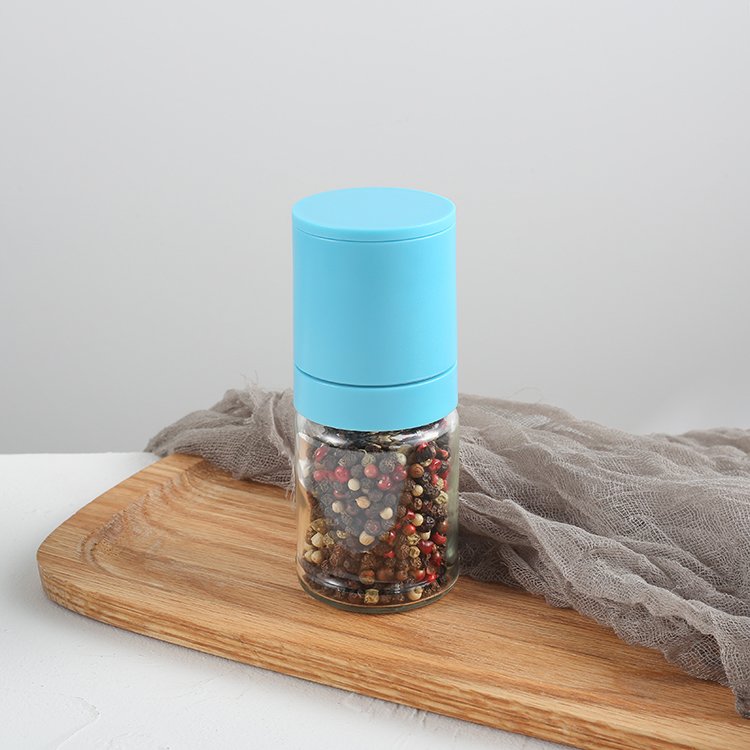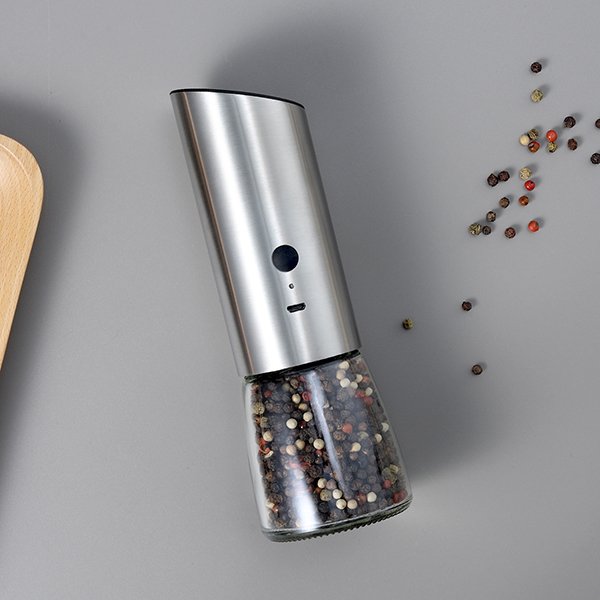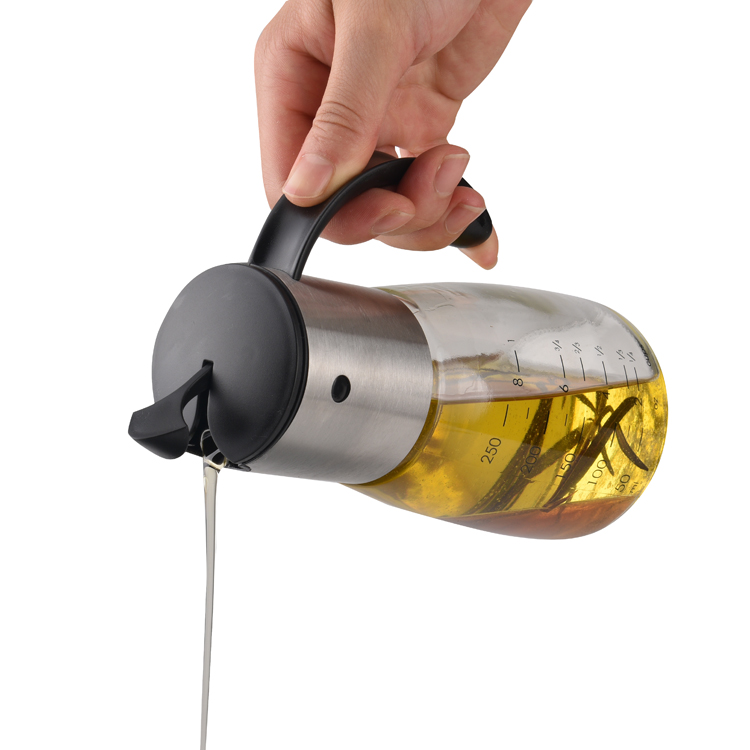
Olive oil bottles are incredibly useful in many kitchens. Many people find them convenient for pouring olive oil and keep countertops tidier. Price is a significant factor for most buyers. They also care about the olive oil’s origin and whether the food label is clear and legible. Using an olive oil bottle helps chefs control the amount of oil used and can enhance the flavor of dishes. Some even compare it to bottled olive oil, finding it more convenient and better at preserving freshness.
Key Takeaways
- Olive oil dispenser bottle make pouring olive oil easier and less messy in the kitchen. This can make cooking more enjoyable.
- Dark glass, stainless steel, or ceramic bottles better preserve the freshness of olive oil and enhance its flavor.
- You need to clean the bottle regularly to prevent clogging and maintain the quality of the olive oil.
- Buying a good olive oil bottle can save you money. It prevents waste and extends its shelf life.
- Think about your cooking habits and kitchen space. This will help you decide if you need an olive oil dispenser.
Olive Oil Dispenser Benefits

Easy Pouring, Less Oil Spills
Oil dispensers allow chefs to easily pour cooking oil and help control the amount dispensed. Many olive oil dispensers come with drip-proof spouts and sharp edges that quickly stop oil spills. These designs prevent a mess when pouring. The table below lists some of these designs to keep countertops clean and reduce oil spills:
| Feature | Description |
|---|---|
| Drip-catching return channel | Sends extra oil back into the bottle so it does not drip down. |
| Airflow control | Lets air in so oil pours smoothly and does not get stuck. |
| Sharp cut-off lip | Stops oil fast to keep things clean and avoid drips. |
These features make it easy to pour out the perfect amount of olive oil. A cleverly designed bottle keeps olive oil fresh and reduces spills. A good olive oil bottle is not only convenient to use but also makes cooking more enjoyable.
Keeping Olive Oil Fresh
Fresh olive oil tastes better and is healthier. High-quality olive oil bottles are made of durable materials that protect against air and light, preventing the olive oil from spoiling. Dark glass, stainless steel, and ceramic bottles are the best choices for keeping olive oil fresh. The table below compares several commonly used materials:
| Container Material | Protection Against | Benefits |
|---|---|---|
| Dark Glass | UV Light | Blocks bad rays and keeps oil from going bad. |
| Stainless Steel | Air Exposure | Keeps air out so oil stays fresh. |
| Opaque Materials | Light | Gives the best protection for storing oil. |
Using bottles that block light and air can extend the shelf life of olive oil. Many olive oil bottles come with airtight lids to prevent air from entering, thus keeping the olive oil fresh and delicious. Some chefs use two bottles, a large one for storage and a small one for daily use.
Kitchen Style and Storage
Olive oil bottles come in a variety of shapes and colors. Some are beautifully designed and can decorate your kitchen or dining table. The best olive oil bottles are not only aesthetically pleasing but also convenient to use, helping to keep the kitchen tidy and organized. Many chefs choose their preferred bottles based on the way they pour and their appearance. A good olive oil bottle can make your kitchen look neat and modern.
Tip: Choose an olive oil bottle that matches your kitchen style and is convenient for daily use.
Disadvantages of Olive Oil Bottles
Cleaning and Maintenance
Many people find cleaning olive oil bottles requires extra effort. Oil leaves a film inside the bottle and on the spout. Over time, this film buildup can cause blockages. If the spout is not installed correctly, leaks and spills can occur, increasing the difficulty of cleaning. Regular cleaning is essential to keeping the oil bottle in good working order. Some common cleaning problems include:
- Oil can solidify inside the spout.
- Grease buildup can clog the flow of oil.
- A loose spout can leak oil, creating a sticky residue.
Users of oil dispensers should clean them frequently to avoid these problems. Warm water and mild soap are usually the best choice, but some oil dispensers are designed with hard-to-reach small parts.
Cost and Storage
Purchasing an olive oil dispenser increases kitchen costs. Lower-priced dispensers may not be durable or have a good seal, leading to oil waste. Mid-priced dispensers can typically last for years and offer better protection for the oil. Olive oil loses valuable nutrients quickly if stored in a clear bottle. Investing in a good olive oil dispenser can help keep the oil fresh, saving money. However, dispensers take up countertop or cabinet space, which may not be ideal for small kitchens.
Possible Inconvenience
Some people find dispensers less convenient than using the original oil bottle. Refilling the dispenser can be cumbersome. Smaller openings can make pouring from a large bottle difficult. People who don’t cook often may not need a separate dispenser. For them, using a bottle might be more convenient and quicker. Some people might forget to clean the dispenser, which can affect the quality of the oil. Every kitchen is different, so the best choice depends on cooking habits and space.
Olive Oil Dispenser vs Bottle
Practical Functions in Cooking
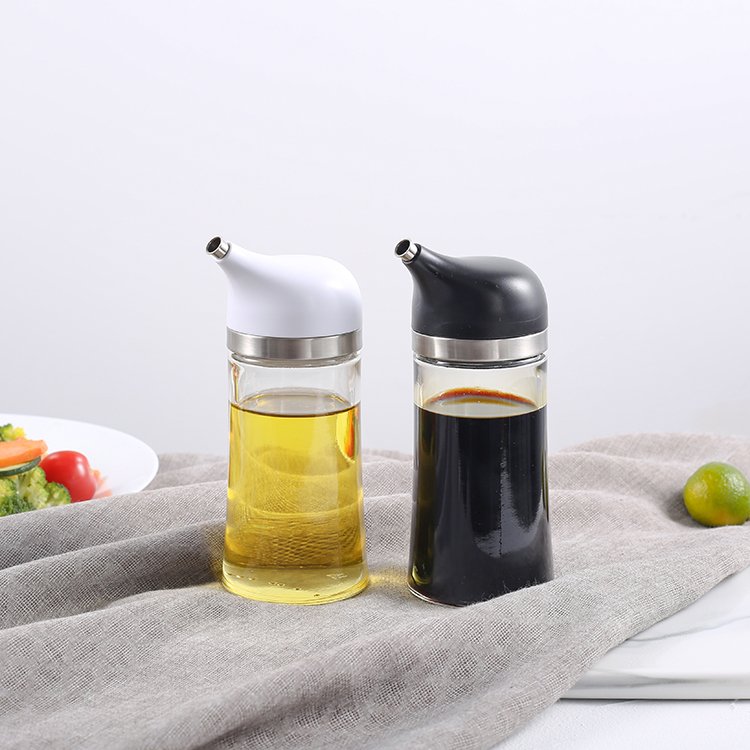
Many chefs prefer to use oil dispensers when cooking. These dispensers typically have wide openings for easy filling and help prevent spills, thus avoiding waste. Some oil dispensers are easy to disassemble and clean, with some parts even dishwasher safe, keeping the dispenser looking brand new. Many oil dispensers come with ergonomic handles, making pouring oil safer and more convenient. Original oil bottles, on the other hand, may not be as convenient, being difficult to hold and prone to dripping or spilling.
| Feature | Description |
|---|---|
| Easy Refilling | Wide mouths make filling easy and help stop spills. |
| Simple Cleaning | Some dispensers come apart and can go in the dishwasher. |
| Comfortable Grip | Good grips help you hold the bottle and pour safely. |
Chefs say oil dispensers help them with daily cooking. Glass, stainless steel, and ceramic dispensers help keep oil fresh and are also easier to clean. Original oil bottles are usually made of plastic, which doesn’t retain oil as well as dispensers. Using an oil dispenser makes pouring oil easier, and the drip-proof spout prevents oil splattering. Original oil bottles may gurgle or drip, making a mess.
| Feature | Olive Oil Dispensers | Original Bottles |
|---|---|---|
| Material Quality | Glass, stainless steel, or ceramic keep oil fresh | Often made of plastic |
| Ease of Cleaning | Easy to take apart and dry fast | Harder to clean |
| Design and Value | Look nice and work well | Simple and not as useful |
| Capacity | Come in many sizes to cut waste | Usually bigger, can waste more |
| Pour Control | Dripless spouts help pour without mess | Can glug or drip |
Value and Longevity
An oil dispenser can make your kitchen better. It helps you precisely control the amount of oil used, reducing waste and saving money. Oil dispensers are available in various sizes. Smaller bottles help prevent oil from spoiling. Original oil bottles typically have a larger capacity. If not used promptly, the oil may spoil, resulting in waste.
The shelf life of oil depends on the bottle and the type of oil. Opaque oil bottles, such as those made of dark glass or stainless steel, keep the oil fresh for longer. They block UV rays, preventing the oil from losing flavor. Transparent oil bottles allow light to enter, causing the oil to spoil faster and reduce its quality. Choosing the right oil dispenser helps maintain the freshness of the oil and reduce waste.
Oil Safety and Preservation
Keeping olive oil safe and fresh is crucial. Ceramic oil dispensers block all UV rays, protecting the oil from light and slowing down spoilage. Dark glass oil dispensers also block UV rays well. Ceramic materials retain oil temperature better than glass, helping to extend the oil’s shelf life. High-quality oil dispensers also prevent air from entering the oil. A tightly closed oil nozzle can prevent air from entering, thus preventing the oil from deteriorating.
| Factor | Ceramic Cruet | Glass Dispenser |
|---|---|---|
| Light Protection | Blocks all UV rays | Dark glass blocks most UV rays |
| Heat Insulation | Keeps oil cool | Not as good as ceramic |
| Air Exposure | Less air gets in with a good spout | More air gets in when opened |
When choosing an olive oil bottle, consider the material, the spout, and ease of cleaning. Original bottled olive oil doesn’t offer these features. An olive oil bottle helps keep the olive oil safe, fresh, and readily available.
Who needs an olive oil bottle?
Frequent cooks
Frequent cooks will find olive oil bottles incredibly useful. They use them to control the amount of oil used, prevent spills, and keep countertops clean. Many chefs appreciate easy-to-fill and clean olive oil bottles, and they also prefer drip-free bottles, which make cooking more enjoyable. Some chefs choose olive oils containing monounsaturated fats for health reasons, and they prefer dark-colored bottles to maintain the oil’s freshness. Here are some home cooks who benefit most from olive oil bottles:
- Cooks who want to easily pour oil and avoid making a mess in the kitchen.
- Health-conscious people who use high-quality cooking oils.
- People who need to keep olive oil fresh for a long time.
Creating a tidy kitchen
An olive oil dispenser helps keep the kitchen tidy. It’s especially useful when chefs use different cooking oils. The dispenser allows you to pour out the exact amount of oil, avoiding spills and overuse. It can also help you quickly distinguish between different cooking oils. Many dispensers are aesthetically pleasing and can enhance the overall look of your kitchen. The table below shows how dispensers can help you keep your kitchen tidy:
| Feature | Benefit |
|---|---|
| Controlled Pouring | Stops spills and too much oil, so you use the right amount. |
| Easy Identification | Makes it simple to tell oils apart fast. |
| Kitchen Aesthetics | Makes the kitchen look nice and tidy. |
When You Don’t Need an Olive Oil Dispenser
Some people don’t need an olive oil dispenser. If you buy large-capacity olive oil, a dispenser may not be helpful. Large containers allow air to get in more easily, which can cause the olive oil to spoil and lose its nutritional value.
Plastic containers are not suitable for storing olive oil. They allow light, heat, and air to get in, thus compromising the quality of the olive oil.
People who don’t cook often or have a small kitchen may simply need to use bottled olive oil. They may not need a separate dispenser.
Olive oil dispensers are very useful in the kitchen. They make pouring oil easy and keep the kitchen clean. They can also beautify your kitchen. But they also have some disadvantages. Cleaning can be time-consuming, and oil may sometimes drip. The table below lists their advantages and disadvantages:
| Pros | Cons |
|---|---|
| Even spray, secure stopper, easy refill | Nozzle clogs, some oil may drip |
| Looks great on the counter | May not fit every bottle |
Choosing the best olive oil bottle depends on your cooking habits. Experts recommend glass or metal bottles and suggest using non-drip spouts. Regular cleaning of the olive oil bottle is essential. People who cook frequently or enjoy a tidy kitchen will appreciate using olive oil bottles.
FAQ
What materials are best for olive oil bottles?
Glass, stainless steel, and ceramic bottles prevent light and air from entering, keeping the olive oil fresh and safe. Plastic bottles, on the other hand, allow light and air to pass through, causing the olive oil to spoil faster.
How often should olive oil bottles be cleaned?
Most cooks clean their olive oil bottles weekly. Oil buildup can cause blockages. Warm water and mild soap remove grease and keep the bottle in good working order.
Can olive oil bottles save money?
Olive oil bottles help control the amount of oil dispensed, reduce waste, and extend the shelf life of the olive oil. Many households save money by preventing their olive oil from spoiling.
Are olive oil bottles suitable for all bottles?
Not all olive oil bottles are suitable for all bottles. Some have wide necks, while others have narrower necks. Buyers should check the size before choosing an olive oil bottle.
Is it safe to store olive oil in an olive oil bottle?
Yes, it is safe to store olive oil if the bottle is made of food-grade materials and is properly sealed. Dark glass or ceramic bottles can block light and air, keeping the olive oil fresh.