For proper salt storage and keep it dry, use airtight salt grinders and place them in cool dry places. You can add moisture absorbers like silica gel or raw rice inside. Regularly clean the grinder to effectively prevent salt from caking. ChefsHere supplies brand-new high-quality salt grinders with reliable performance and easy cleaning design.
Key Takeaways
- Store the salt in a cool, dry place to prevent moisture absorption.
- Use a desiccant (such as silica gel desiccant) to keep the salt inside the grinder dry.
- Clean the grinder regularly to prevent the salt from clumping and to ensure smooth grinding.
Why Salt Gets Damp in a Grinder
Moisture Intake
Salt is hygroscopic and absorbs moisture from the air. This means that salt absorbs and retains moisture. When this happens, the salt clumps and becomes difficult to grind. The salt in a grinder is always in contact with air. If the air is humid, the salt will absorb moisture. Moist salt will clump together. Damp rock salt can also cause water to build up inside the grinder, making it even harder to use. Mixing damp sea salt with dry salt will exacerbate clumping.
Storage Errors
People often make mistakes that easily lead to salt getting damp. If you place the grinder near a stove or dishwasher, it will be exposed to steam and heat. This extra moisture will accelerate the clumping of the salt. Salt will also absorb moisture if the grinder is not dried before refilling it. The best way to prevent this is to store the grinder upright in a cool, dry place. Make sure every part of the grinder is dry before adding new salt.
Grinder Design Factors
The way a grinder is manufactured affects its internal water intake. Ceramic grinders are less prone to rusting and clogging. Stainless steel grinders may rust after a period of contact with salt and water. The table below shows the contact conditions between various materials and salt:
| Material | Resistance to Salt Corrosion | Recommendation for Salt |
|---|---|---|
| Ceramic | Completely rust-proof | Ideal |
| Stainless Steel | Eventually corrodes | Not recommended |
ChefsHere grinders feature robust ceramic components that effectively prevent salt and water from clumping, making grinding easy and smooth.
Prevents salt clumping inside the grinder
Choosing the Right Salt
Choosing the right salt helps prevent clumping in your grinder. Coarse salt is the best choice because large particles don’t absorb water easily. Fine salt absorbs water quickly and tends to clump, making grinding difficult. ChefsHere recommends using coarse salt in their grinders. This keeps the salt dry, helping the grinder work better. Using coarse salt is a simple way to prevent your grinder from clogging.
Tip: Always read the salt label before loading it. Coarse salt works best and prevents clumping.
Adding a desiccant (rice, silica gel, parsley)
Desiccant helps keep the salt dry inside the grinder. Food-grade silica gel desiccant absorbs moisture but is safe to use. Place a small packet of silica gel desiccant in the grinder or salt container. This helps dry the grinder parts. Some people use rice, but rice increases starch content and is prone to bacterial growth. Dried parsley does not absorb water, so do not use it. You can also use absorbent paper. Fold a small piece of absorbent paper and place it under the lid. After a few days, the absorbent paper will absorb moisture, keeping the salt dry.
- Ways to keep salt dry and stop clumping:
- Put food-grade silica gel packets in the grinder.
- Place folded absorbent paper under the lid.
- Store the grinder in a cool, dry spot away from steam.
- Keep extra salt in airtight jars.
- Do not use rice or dried parsley as moisture absorbers.
The Correct Way to Add Salt
Adding salt correctly helps prevent it from clumping. Use a wide-mouthed funnel to slowly pour the salt in, avoiding spills. A grinder with a removable top makes adding salt easier and prevents water from getting in. Always ensure the grinder is dry before adding salt. This helps keep the grinder parts dry and prevents clogging.
- Tips for filling a salt grinder:
- Use a wide funnel to pour salt.
- Pick grinders with removable tops for easy filling.
- Make sure the grinder is dry before refilling.
- Clean the grinder often to stop buildup.
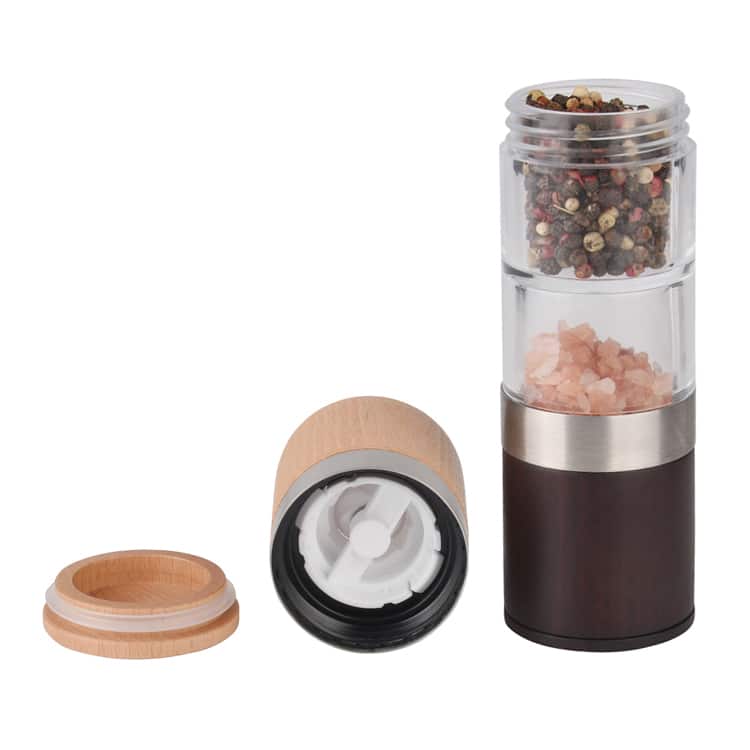
ChefsHere salt and pepper grinders feature special features such as ceramic parts, a removable top cap, and a sealing ring. These designs help prevent salt from clumping and keep it dry. ChefsHere grinders effectively dry their parts and absorb moisture, making them ideal for any kitchen. By following these tips, you can easily grind salt and prevent clumping in your grinder or pepper shaker.
Cleaning Your Salt and Pepper Grinder
Daily Cleaning Steps
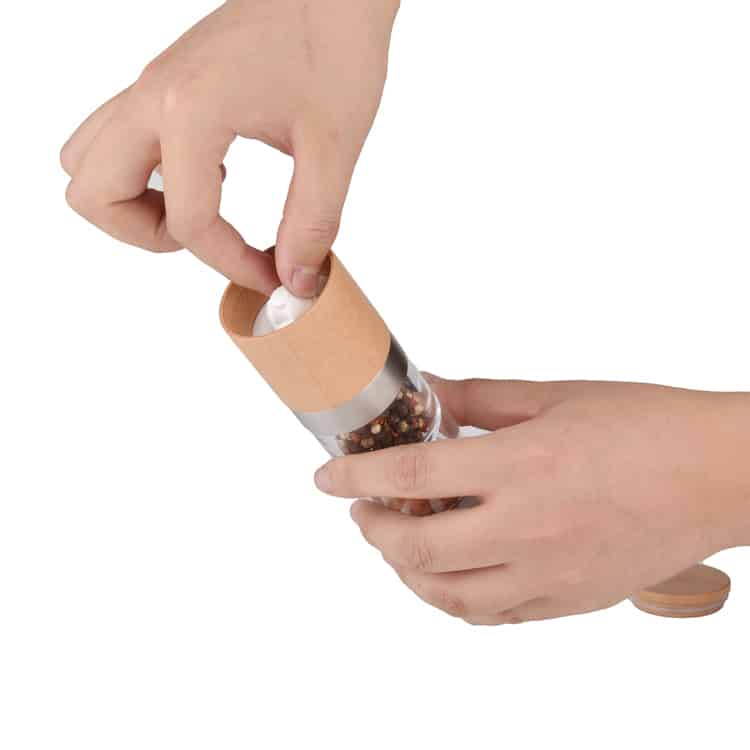
Regular cleaning ensures the grinder functions well and prevents salt from clumping. After each use, wipe the outside of the grinder to prevent grease and spice buildup. For best results, it is recommended to clean the grinding mechanism every two to four weeks. Users who use the grinder daily should perform a deep clean every two to three months. To clean a salt and pepper grinder, unscrew the top screw and disassemble the grinder. Wipe the inside with a damp cloth. A soft brush helps remove any remaining salt or pepper. For wooden grinders, a mild detergent or a dedicated wood cleaner works best. Avoid using harsh chemicals or abrasive cleaning tools. ChefsHere grinders are designed for quick and easy daily cleaning.
Drying After Cleaning
Drying is a crucial step in cleaning a salt and pepper grinder. After washing, separate all parts to air dry. Place the parts in a sunny spot to air dry for a few hours, but not too long. Some people freeze the grinder for 12 hours to remove residual moisture. Silica gel desiccant packets also help absorb moisture. Regular cleaning and thorough drying prevent salt from sticking and keep your grinder in optimal condition.
Check for Residual Moisture
After cleaning your salt and pepper grinder, check for any remaining moisture. Wipe all parts with a dry cloth. If the grinder feels damp, let it air dry for a longer period. Store the grinder in a cool, dry place. Regular cleaning and moisture checks help prevent clogging and keep the salt fresh. ChefsHere grinders are durable and easy to maintain, making cleaning your salt and pepper grinder a breeze.
Properly Store Your Grinder and Salt
Airtight Containers
Airtight containers are essential for keeping salt dry. Many people use glass or ceramic salt jars with airtight lids. These containers prevent moisture in the air from contacting the salt, thus preventing it from sticking. Using airtight containers means there won’t be damp salt in your kitchen. Plastic containers can make the salt taste worse. Metal containers can rust. Glass and ceramic containers keep the salt fresh and safe. The table below shows which containers work best:
| Container Type | Benefits |
|---|---|
| Airtight glass jar | Blocks humidity, keeps salt dry |
| Ceramic salt container | Prevents moisture, safe storage |
| Plastic container | May contaminate salt |
| Metal container | Can rust, not ideal |
Store in a cool, dry place.
Salt should be stored in a cool, dry place. A pantry or cupboard is ideal. Heat and moisture in the air can cause salt to clump. Never place salt near a stove or sink, as steam will interfere with its drying process. A cool, dry place will keep the salt dry and usable. Silica gel desiccant or dry rice can help absorb excess moisture in the container.
Avoid Humid Environments
Keeping salt and the grinder away from moisture helps keep them dry. Excessive moisture in the air can cause salt to stick to the grinder and may damage it. Do not leave salt in the grinder for extended periods. Check the grinder frequently and dry it after cleaning. Air conditioning or airtight containers are better at preventing moisture from entering. Placing the grinder in a well-ventilated area helps keep the salt dry.
- Key storage tips:
- Use airtight containers for salt.
- Keep salt in cool, dry places.
- Stay away from humid spots to keep salt dry.
FAQ
Which type of salt is best for a grinder?
Coarse sea salt or Himalayan salt works best. Fine salt tends to clump. ChefsHere recommends using coarse salt for a smoother grind.
Can rice keep the salt dry in the grinder?
Rice absorbs moisture but may leave starch residue. Silica gel desiccants are a safer way to control moisture. ChefsHere recommends using food-grade silica gel.
How often should you clean your grinder?
Cleaning every two to four weeks will keep the grinder dry. A deep clean every two months will prevent salt buildup and clumping.