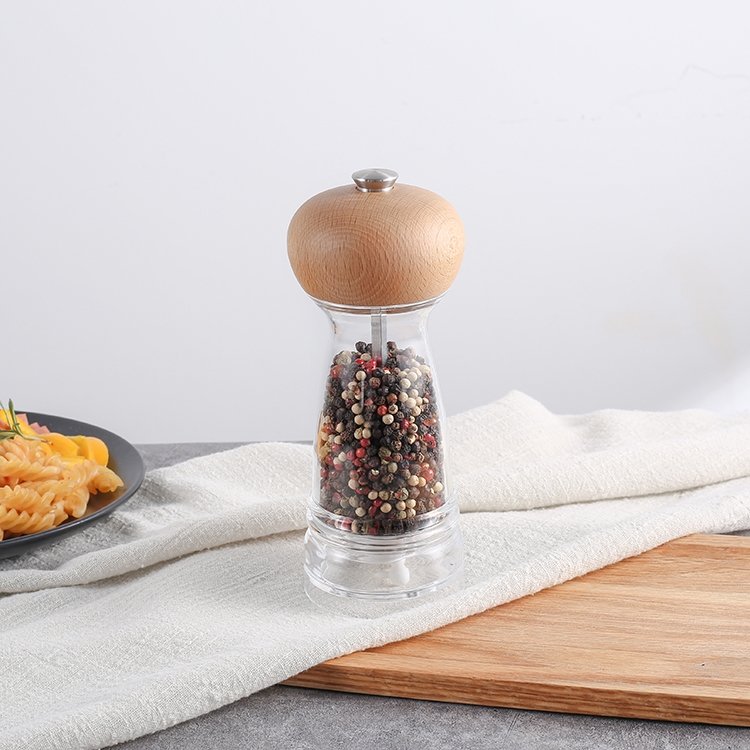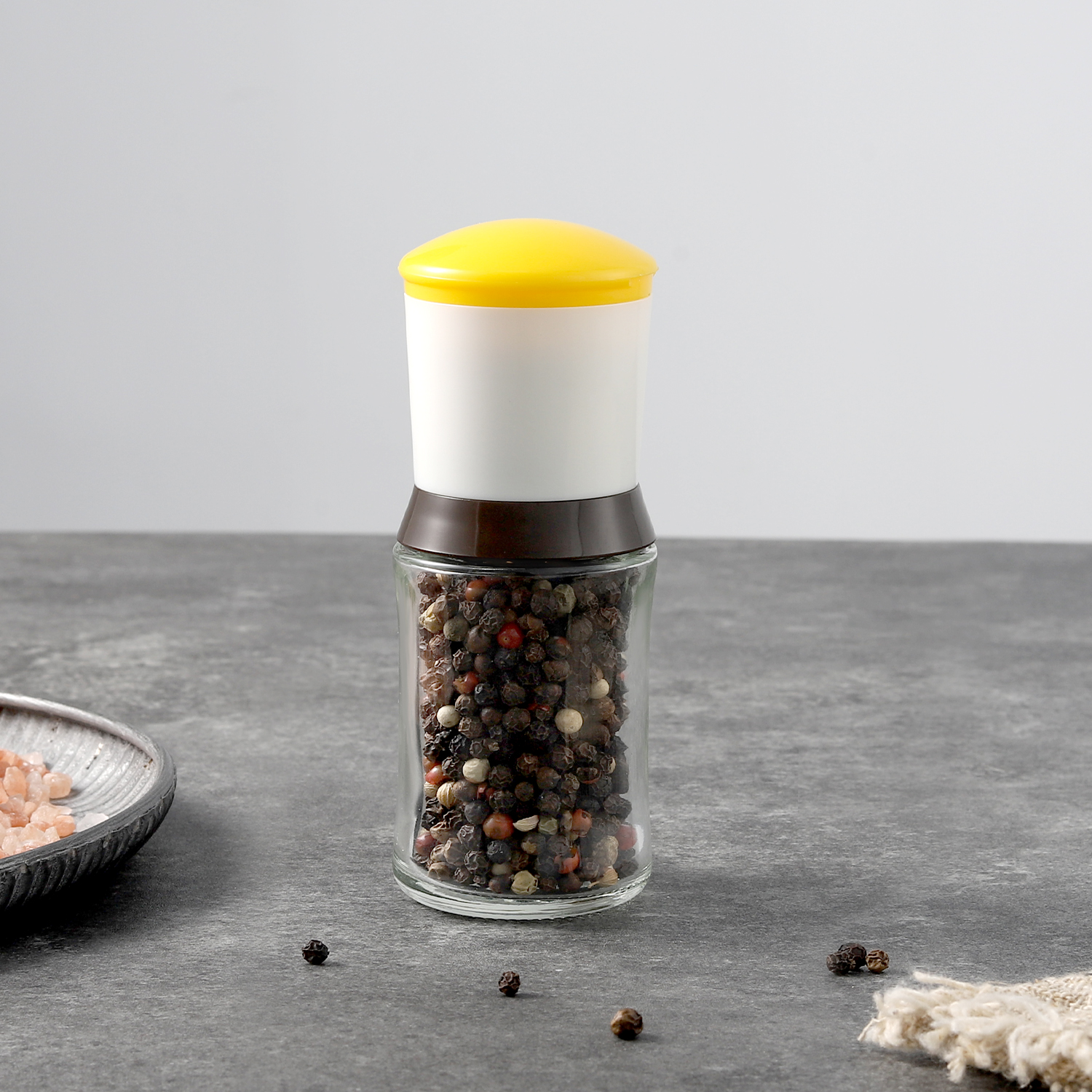
Cleaning a ChefsHere salt grinder is incredibly simple and quick. Simply disassemble the grinder and clean each part with a brush or cloth. Never let water come into contact with any metal parts. Ensure all parts are dry before reassembling. Using the right tools helps extend the life of both manual and electric salt grinders. Anyone can clean a salt grinder at home in minutes.
Key Takeaways
- Disassemble the grinder slowly to clean each part. This ensures all areas need cleaning.
- Use a soft brush and dry cloth for cleaning. Never clean metal parts with water, as this can cause rust or damage.
- Clean the grinder every few weeks to keep it in good working order. This also helps prevent salt buildup inside.
- Put raw rice in the ceramic grinder to help remove residual salt and grime. This makes cleaning easier and more effective.
- Ensure all parts are completely dry before reassembling. This prevents clogging and preserves the flavor of spices.
Cleaning tools for salt grinders

Cleaning supplies checklist
Cleaning a salt grinder requires the right tools. Before you begin, prepare some simple tools. A soft-bristled brush can remove salt stains from crevices. Wipe the inside and outside surfaces of the grinder with a dry or slightly damp cloth. Mild detergent is suitable for washable parts, but use sparingly. If you are using a ceramic grinder, raw rice can help with cleaning. Place a small amount of raw rice in the grinder and then turn the handle. This helps remove any remaining salt and grime.
Tip: Do not use strong chemical cleaners, harsh soaps, or abrasive cleaning pads. These items can scratch the grinder and affect the flavor of the fragrance.
Here is a table of helpful cleaning tools:
| Tool | Purpose |
|---|---|
| Soft brush | Gets rid of salt and dust |
| Dry cloth | Cleans the surfaces |
| Mild dish soap | Washes parts you can clean |
| Uncooked rice | Cleans ceramic grinding parts |
| Toothpick | Cleans small corners |
Safety Maintenance Methods for Manual and Electric Salt Grinders
Manual and electric salt grinders require different maintenance methods. Manual grinders typically have more removable parts. For both types of grinders, use a soft brush and dry cloth for cleaning. Electric grinders contain batteries and motors; never allow water to come into contact with these parts. When cleaning an electric grinder, always use a dry brush or dry cloth. After cleaning, allow the parts to air dry overnight to prevent rust and clogging. Never immerse the grinder in water or wash it in a dishwasher, as this will damage the surface coating and clog the spice compartment.
ChefsHere salt and pepper grinders meet food safety standards. Their products follow strict regulations and use high-quality materials. Proper cleaning methods ensure the grinder functions properly and preserves the flavor of spices. Do not use a towel to dry the internal parts, as lint may get trapped inside. Store the grinder away from excessively hot or cold places.
Using the correct tools and steps helps extend the life of your salt grinder and make it work better.
How to Clean a Salt Grinder

Disassembling the Salt Grinder
To properly clean a salt grinder, first disassemble it. Hold the grinder body with one hand and use the other to rotate the top or unscrew the cap. Remove the grinding mechanism and set it aside. Pour out any remaining salt. If it’s an electric model, remove the batteries before cleaning. Place all parts on a clean towel. This step helps to clean every area that needs cleaning.
Tip: Always consult the user manual for specific cleaning instructions. Some grinders have small springs or washers inside. Keep these parts safe during disassembly.
Cleaning the Grinder Parts
Next, clean each part of the salt grinder. Use a soft brush to remove loose salt particles and dust from the grinding mechanism. For acrylic bodies, gently wipe with a mesh cloth. Focus on cleaning corners and small crevices where salt particles tend to accumulate. If the grinder has a ceramic grinding mechanism, you can place a few grains of raw rice inside the handle and then turn the handle. This helps remove any remaining salt particles and dirt.
For steel grinding parts, simply rinse quickly with warm soapy water. Never soak metal parts. Wipe immediately with a dry cloth. Never allow water to come into contact with the motor or battery area of the electric grinder. Use only a dry brush or dry cloth to clean these areas.
- Steps to clean salt grinder parts:
- Brush out salt and dust.
- Scrub acrylic with a mesh cloth.
- Rinse steel parts quickly.
- Wipe and dry all surfaces.
- Use rice for ceramic mechanisms.
Dry and Reassemble
After cleaning, allow all parts to air dry completely. Place them on a towel in a warm, dry place. Do not place the towel inside the grinder, as lint may stick to the parts. Wait until all parts feel dry to the touch. This step prevents rust and ensures the grinder functions well.
Once dry, reassemble the grinder. Put the grinding mechanism and all small parts back in. Replace the top cover. If it is an electric model, replace the batteries. Now, fill the grinder with fresh salt. Test the grinder to ensure it functions smoothly.
Note: Drying is very important. Moisture can cause the salt to clump and damage the grinder.
People who regularly clean their salt grinders can keep their kitchen utensils in top condition. Following these steps helps clean the grinder and keep spices fresh.
Cleaning a Pepper Grinder: Steps
Cleaning a pepper grinder helps keep spices fresh and ensures the grinder functions well. The steps for cleaning a pepper grinder are similar to those for cleaning a salt grinder, but there are also some important differences. Salt grinders require more frequent cleaning because salt absorbs moisture and corrodes the metal. While pepper grinders are corrosion-resistant, they also need careful cleaning to prevent clumping and blockages.
Empty and tap out residue
Empty and Tap to Remove Residue
First, remove all peppercorns from the grinder. Invert the grinder and gently tap it over a bowl or sink. This helps shake off loose peppercorns or residue. Pepper grinders don’t absorb moisture as easily as salt grinders, but residual peppercorns can still cause blockages.
Brush and Wipe the Inside
Use a dry, soft-bristled brush to scrub the inside of the grinder to remove any remaining peppercorns. For hard-to-reach corners, use a small brush or toothpick. If the grinder has a ceramic grinding mechanism, you can add a few grains of raw rice and grind them. The rice grains help remove residual peppercorns and absorb moisture. For acrylic or stainless steel parts, wipe with a damp cloth and dry immediately to prevent water stains. For wooden mills, wipe them with a slightly damp cloth and dry them immediately. Never soak the mill in water.
- Use a soft brush for steel or ceramic parts.
- Wipe acrylic and stainless steel with a damp cloth.
- Dry all parts completely before reassembling.
Maintaining the Grinding Mechanism
Check the grinding mechanism for stuck peppercorns or buildup. Clean the crevices with a toothpick or brush. Keeping the grinding mechanism dry prevents clogging and ensures smooth operation. After cleaning, allow all parts to air dry before reassembling the grinder.
Note: Regular cleaning helps prevent caking and keeps pepper tasting fresh.
Regular cleaning of your pepper grinder results in better flavor and extends its lifespan. Follow these steps to easily and safely clean all types of pepper grinders.
Things to avoid when cleaning a pepper grinder
Mistakes that damage grinders
People sometimes make mistakes when cleaning a pepper grinder. These mistakes can break the grinder or make it not last as long. It is important to know what not to do so your grinder works well.
- Do not soak the grinder in water. Water can get stuck inside and break the grinding parts.
- Never use water on parts that should stay dry. Wood can crack or get bigger if it gets wet.
- Make sure every part is dry before putting it back together. Wet parts can cause rust, mold, or blockages.
- Try not to lose any small pieces. Take the grinder apart on a clean table so you can see all the parts.
- Do not use strong cleaners or vinegar. These can ruin the outside and change how your spices taste.
Tip: ChefsHere says to use only mild dish soap and a soft brush. Their grinders are safe for food and meet important safety rules like LFGB, BRC, FDA, and HACCP.
ChefsHere checks every grinder to make sure it is good quality. Cleaning the right way keeps your grinder safe and helps it last longer.
Unsafe cleaning products or methods
Some ways of cleaning can hurt your pepper grinder. People should not use these ways to keep their kitchen tools safe.
- Strong cleaners can hurt the outside and leave bad stuff behind.
- Rough pads or steel wool can scratch the grinder and its parts.
- Putting the whole grinder in water can trap water and break it.
- Using vinegar or bleach can damage metal and change the taste of spices.
A table of unsafe cleaning methods:
| Unsafe Method | Why to Avoid |
|---|---|
| Soaking in water | Can cause rust and mold |
| Harsh chemicals | Can ruin finish, leave bad stuff |
| Steel wool or rough pads | Can scratch the grinder |
| Vinegar or bleach | Can damage metal, change taste |
ChefsHere’s warranty covers issues related to the grinder’s manufacturing process. However, it does not cover damage caused by improper use or cleaning. Always clean your grinder safely to ensure it is in good working order.
Note: Safe cleaning protects both the grinder and the spices. Proper maintenance helps ensure the grinder operates efficiently for a long time.
Maintenance and Troubleshooting
Preventing Salt Buildup
Salt can build up inside a grinder, causing problems. People should look for signs that the grinder needs cleaning. These signs include uneven grind size, difficulty turning the grinder, or a loss of flavor. Sometimes, moisture can seep into the grinder, causing the salt to clump. Cleaning the grinder is especially important when changing the type of salt or spice to prevent flavor transfer.
To keep the grinder in good shape, users should:
- Empty the grinder and brush out old salt every few weeks.
- Store the grinder in a dry place to stop moisture from causing clogs or mold.
- Use only dry salt crystals. Wet or flavored salts can stick to the grinding parts.
- Wipe the outside with a dry cloth after each use.
- Grind a small amount of uncooked rice through ceramic mechanisms to remove residue.
Tip: Regular cleaning helps the grinder work smoothly and keeps spices tasting fresh.
Fix common grinder issues
Sometimes, a salt grinder can get stuck or jammed. People can fix many problems at home with simple steps.
- Disassemble the grinder and check for blockages in the grinding mechanism.
- Remove any salt or debris that is stuck inside.
- Clean the grinding mechanism to clear away buildup.
- Adjust the coarseness setting if the grinder has one. Make sure all parts fit together correctly.
- If the grinder feels too tight, loosen the grinding mechanism a little.
- Dry all parts completely before putting the grinder back together.
Note: Quick repairs and routine maintenance help keep the grinder running smoothly. If the problem persists, the manufacturer can provide repair or parts replacement services.
Taking care of a Sur La Table salt grinder helps it last longer. Cleaning it the right way stops damage. Experts say to clean it often so moisture and old salt do not cause problems.
- Cleaning often helps the grinder work well.
- If you do not clean it, it might break or not work right.
- Clean grinders do not get clogged and keep spices tasting fresh.
If you need more help, look at the FAQs for tips. A clean grinder always gives you fresh spices.
FAQ
How often should I clean my salt grinder?
A salt grinder should be cleaned every few weeks. Frequent cleaning prevents salt buildup and keeps the grinder functioning properly. It needs cleaning if the grinder becomes clogged or the salt tastes off.
Can I put my salt grinder in the dishwasher?
No, salt grinders should not be put in the dishwasher. Water and high temperatures will damage the grinder. Hand cleaning with a brush and cloth is best.
Which type of salt is best for a grinder?
Dry, coarse salt crystals are best for a grinder. Damp or flavored salt may clog the grinding mechanism. Always check your grinder’s instructions before use for recommended salt types.
Why does my grinder sometimes stop working?
Salt or moisture may clog the grinding mechanism. In this case, empty the grinder, clean all parts, and let it dry. If the problem persists, check for damaged parts or contact the manufacturer.