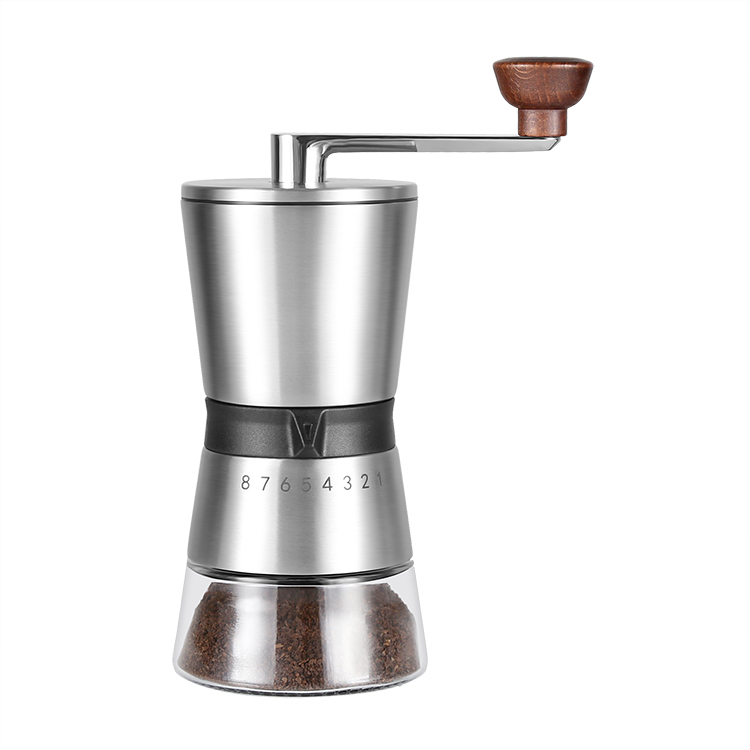
A high-quality grinder is essential for brewing delicious coffee. Currently, manual grinders cost at least $55, while electric grinders start at $79. The table below lists the price ranges:
| Grinder Type | Price Range |
|---|---|
| Manual Coffee Grinder | $55 and up |
| Electric Coffee Grinder | $79 and up |
| Other Models | $159 – $230 |
Good quality is important for a coffee grinder. Even grind size helps make the flavor better. Top brands like ChefsHere have good choices for homes and stores.
Key Takeaways
- A good coffee grinder is important for tasty coffee. Manual grinders cost at least $55. Electric grinders start at $79.
- Burr grinders are best because they make even coffee grounds. This helps coffee taste better. Blade grinders can make uneven grounds. This can cause bad flavor.
- Think about what you need before picking a grinder. Manual grinders are easy to carry. They work well for small amounts. Electric grinders are faster. They are good for bigger batches.
What Makes a Good Coffee Grinder
Burr Grinders vs. Blade Grinders
A high-quality coffee grinder can enhance the flavor of your coffee. Many consider burr grinders the best choice for both home and commercial use. Burr grinders utilize two hard surfaces to grind coffee beans into particles of uniform size, allowing for precise control over the grind setting and flavor profile. In contrast, blade grinders chop beans using high-speed rotating blades; this often results in uneven particle sizes, which can compromise the coffee’s taste—leading to issues like bitterness or a weak, lackluster flavor.
The grinder plays a crucial role in the coffee-making process by determining the grind size, which in turn affects how water extracts flavor from the beans. A finer grind increases the total surface area of the coffee grounds, allowing hot water to extract flavor compounds more rapidly. Furthermore, the grind size influences the speed at which water flows through the grounds—a factor that is particularly critical for brewing methods such as the pour-over. While blade grinders shatter beans into inconsistently sized particles—often negatively impacting the taste—burr grinders produce a uniform grind.
Manual vs. Electric
Choosing between a manual and an electric coffee grinder depends on your specific needs. Manual grinders are compact and easy to store, making them ideal for brewing one or two cups of coffee. Some people enjoy the hands-on process of grinding their own beans; additionally, manual grinders are perfect for travel or portability.
Many manufacturers offer both types of grinders. For coffee shops, electric grinders are the preferred choice due to their speed and suitability for high-volume production; for home users, a manual grinder is a great option if you want more control over the grinding process.
Grind Uniformity
Grind uniformity is crucial for high-quality coffee grinders. Espresso grinders, in particular, must produce a uniform grind to ensure optimal flavor; inconsistent particle sizes can result in sour or bitter notes. Equipment utilizing a burr-based grinding mechanism—such as various burr grinders and espresso grinders—enables users to achieve the desired grind size.
The uniformity of the grind directly impacts the coffee’s flavor profile. Fine particles extract quickly, potentially leading to an overly intense taste, whereas coarse particles may under-extract, resulting in a weak flavor. Fine particles heat up more rapidly, which aids in the release of flavor compounds. When the grind is uniform, water extracts the coffee more effectively, creating a balanced and harmonious taste.
Many vendors and manufacturers are dedicated to developing grinders that deliver consistent results, aiming to help both home users and professional coffee shops extract the best possible flavor from their coffee beans.
Coffee Grinder Price Ranges
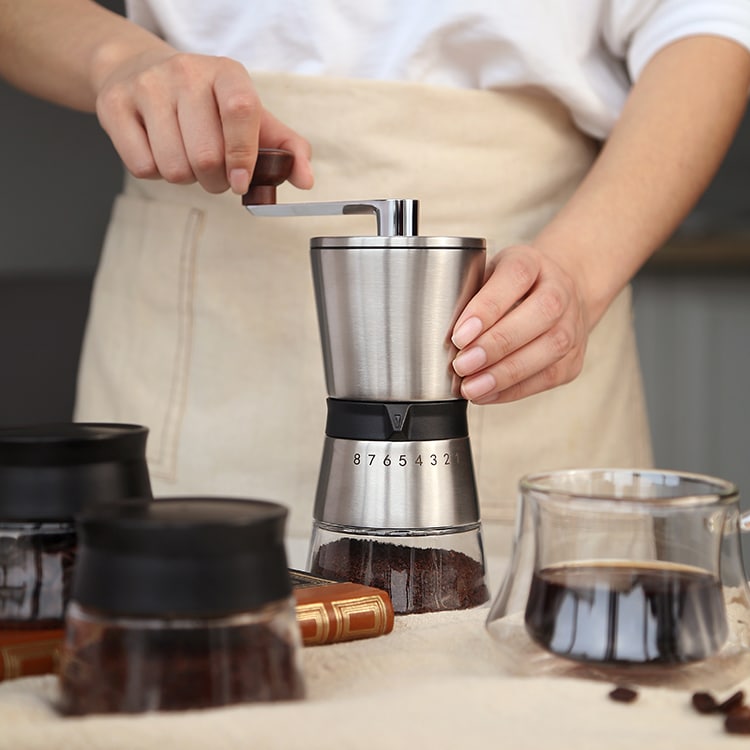
A good coffee grinder can make coffee taste better at home or work. The price depends on what the grinder can do, how well it is made, and the brand. Most people can find a coffee grinder that fits their needs without spending a lot. Some fancy grinders cost more than $1000, but most people do not need to pay that much. The next parts show what you get at each price.
Entry-Level ($20–$60)
Entry-level grinders are the most affordable option, making them ideal for those on a budget or anyone just starting to grind their own coffee beans. Most models in this category use a blade-style design rather than burrs; blade grinders often produce uneven particle sizes, which can affect the coffee’s flavor. While some manual burr grinders are available at this price point, they typically require more time and physical effort to use.
There is a wide range of options for consumers with a budget of under $100. These grinders are not only simple to operate and easy to clean but also compact enough to fit into most kitchen spaces. High-performing, budget-friendly models in this category easily meet the basic grinding needs for drip coffee or French press brewing.
Tip: An entry-level grinder is an ideal choice for anyone looking for a simple, economical way to grind coffee at home.
Here are some popular entry-level models:
| Brand/Model | Price | Features |
|---|---|---|
| Krups Precision Coffee Grinder | $75 | Small, easy to use |
| Cuisinart Supreme Grind | $60 | Big capacity, simple controls |
| ChefsHere Portable Coffee Grinder | $55+ | Manual, portable, strong |
ChefsHere has a manual grinder that is easy to carry and works well. This grinder is good for travel or small kitchens. It is also smart for sellers who want to offer cheap options.
Mid-range (US$65–$200)
Mid-range grinders offer superior performance and a wider range of features. Most models in this category utilize conical or flat burrs, ensuring consistent grind uniformity. They are fully capable of handling various brewing methods, such as pour-over, drip coffee, and French press. High-quality models in this segment are typically durable and user-friendly.
Mid-range grinders are popular among home users and small cafés alike. In addition to their longevity, they offer users the flexibility to adjust grind size. Many brands offer models equipped with powerful yet quiet motors. For consumers looking to elevate their coffee quality without a significant financial investment, these grinders are an excellent choice.
| Feature | Mid-Range Grinders (e.g., Baratza Encore, Fellow Opus) | Entry-Level Grinders |
|---|---|---|
| Price Range | $159 – $199 | Below $65 |
| Grind Consistency | High, good for many brew methods | Often uneven |
| Build Quality | Strong, good materials | Basic, not as strong |
| User-Friendliness | Easy design, simple to use | May need more work |
| Overall Cup Quality | Usually rated higher (e.g., 7.5/10 for Encore) | Lower ratings |
| Espresso Capability | Limited (e.g., Encore not great for espresso) | Not good for espresso |
Premium ($200+)
Premium grinders have special features and are made very well. These grinders use strong motors, metal bodies, and high-quality burrs. A premium burr coffee grinder can make very even grounds for espresso and other ways. Many of these grinders let you adjust the grind size exactly.
| Feature | Description |
|---|---|
| Motor Quality | Good motors balance power, speed, and heat. |
| Housing Construction | Metal bodies and parts last longer than plastic. |
| Burr Material | Steel burrs cut beans well; ceramic burrs stay sharp but can break. |
| Adjustment Mechanism | Stepped systems change settings easily; stepless systems allow fine tuning. |
In this price range, the best coffee grinders typically come from top-tier brands like Baratza and Breville. Suitable for both commercial cafés and discerning home users, these grinders cater to those who demand the ultimate brewing experience.
While high-end grinders offer excellent value thanks to their premium materials and extensive features, surveys indicate that 40% of buyers later regret spending so much on expensive models. For many, the difference in flavor quality compared to high-quality budget or mid-range models is not significant.
An excellent coffee grinder does not necessarily have to be the most expensive one. Consumers should focus on features that meet their specific needs and choose a product that fits their budget.
Coffee Grinder Key Features to Consider
Build Quality
Both manufacturers and sellers emphasize the critical importance of build quality. The use of high-quality materials—such as stainless steel or high-strength plastics—helps extend the grinder’s lifespan. Many users are satisfied with conical burr grinders that feature robust, durable components; for instance, the conical burrs in the Baratza Encore grinder are known for their durability and consistent performance. Reliable build quality not only ensures smooth operation but also saves users from the need for frequent replacements. Durable grinders are an ideal choice for wholesalers and manufacturing partners alike.
Grind Settings
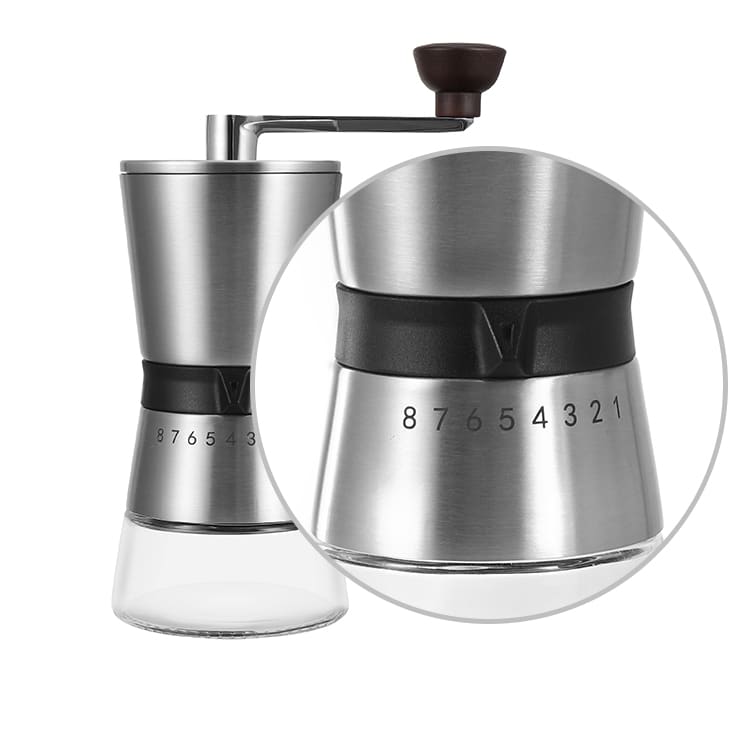
Grind size directly affects the quality of the brewed coffee. High-quality grinders typically offer a wide range of settings to accommodate various brewing methods. While entry-level models offer limited options, mid-to-high-end models allow for more precise adjustments. The table below outlines the grind settings available across different price points:
| Price Range (USD) | Category | Core Feature | Best For |
|---|---|---|---|
| $50 – $150 | Entry | Small conical burrs | Casual drinkers |
| $150 – $400 | Mid-Range | Metal burrs + timers | Home baristas |
| $400 – $900 | Premium | 64mm flat burrs | Coffee geeks |
| $900+ | Flagship | 98mm massive burrs | Connoisseurs |
A burr coffee grinder with lots of settings lets you grind beans for espresso, French press, or drip coffee. Espresso grinders need fine changes for the best taste.
Motor and Noise
Electric coffee grinders rely on a motor for efficient operation, and effective heat dissipation designs help prevent the motor from overheating. Noise levels are largely determined by the design of the grinding mechanism; “quiet” electric models typically operate at around 80 decibels, while noisier units can reach 90 decibels. In contrast, manual grinders are much quieter, usually operating in the 72 to 74-decibel range. Lower noise levels contribute to a more pleasant grinding experience, whether at home or in a commercial setting.
Cleaning and Maintenance
Regular cleaning helps maintain hygiene and optimal performance. Manufacturers generally recommend clearing away residual coffee grounds daily. Performing a deep clean weekly and inspecting the unit monthly helps ensure consistent grinding precision. Designs featuring detachable parts simplify the cleaning process, while smooth surfaces and clear instructions facilitate routine maintenance. High-quality grinders are typically easy to clean, effectively preventing oil buildup and ensuring that espresso grinders remain in peak operating condition.
Coffee experts say a good coffee grinder costs $55 to $200. People should check for even grinding and strong build. Trusted brands are important too. Buying a quality espresso grinder makes coffee taste better. It also makes people happier with their drinks. ChefsHere is a trusted supplier for homes and stores.
| Brand | Features | Consumer Ratings |
|---|---|---|
| ChefsHere | Portable, high grind quality, manual options | Highly rated |
| Baratza Encore | Durable, easy to use, long-lasting | Highly recommended |
FAQ
How often should a coffee grinder be cleaned?
Experts recommend cleaning your coffee grinder once a week. This not only helps keep the grinder in good condition but also ensures the coffee tastes fresh.
What is the difference between manual and electric coffee grinders?
Manual grinders are operated by hand, making them suitable for travel or brewing small amounts of coffee. Electric grinders use a motor to grind beans quickly and are better suited for grinding large quantities at once.
Can coffee grinders be used to grind spices?
Most coffee grinders are designed specifically for coffee beans. Using them to grind spices could affect the flavor of your coffee and potentially damage the burrs or blades.