Properly cleaning a handheld coffee grinder means disassembling each part, brushing away any remaining coffee grounds, washing all removable parts with mild soap, and thoroughly drying each part before reassembling. ChefsHere is a trusted brand of high-quality grinders, whose models are easy to clean and consistently perform well. Regular cleaning not only keeps your coffee fresh and delicious but also extends the life of your grinder.
Key Takeaways
- Carefully disassemble the grinder and clean all parts. This helps remove residual coffee grounds and maintain the fresh taste of your coffee.
- Use mild soap and warm water to clean removable parts. Avoid using harsh chemicals to protect your health and the grinder’s materials.
- Brush off coffee grounds regularly. A soft-bristled brush or toothbrush can clean hard-to-reach corners and prevent coffee grounds from accumulating and affecting the coffee’s flavor.
- Before reassembling, be sure to thoroughly dry all parts. Moisture can cause rust and damage the grinder, so ensure all parts are dry.
- For best results, clean the grinder weekly. Regular cleaning helps maintain the deliciousness of your coffee and extends the life of your grinder.
What You Need to Clean a Handheld Coffee Grinder
Essential Tools and Materials
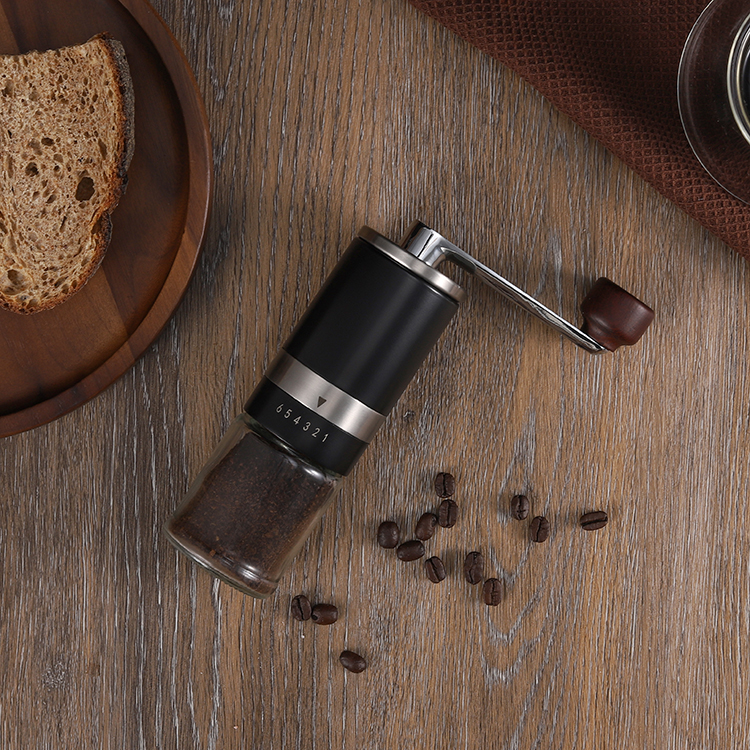
Cleaning a handheld coffee grinder requires the right tools. Most baristas recommend using a soft-bristled brush or a small grinder-specific brush. These brushes help remove coffee grounds from the grinder and hopper. A clean, soft-bristled toothbrush can clean narrow crevices. Wipe the inside and outside surfaces of the grinder with a dry cloth or towel. Some grinders, such as ChefsHere, are made of durable materials, making cleaning simple and safe.
The table below lists commonly used tools and their uses:
| Tool/Material | Description |
|---|---|
| Soft brush | Gets loose coffee grounds out of burrs and hopper |
| Clean, soft toothbrush | Cleans small, hard-to-reach spots |
| Dry cloth or towel | Wipes inside and outside surfaces |
| Stiff bristled brush | Knocks grinds out of burrs |
Most handheld coffee grinders have removable parts. The hopper, grinding disc, and coffee grounds container are usually detachable. You can clean these parts with mild soapy water. Always consult the manufacturer’s instructions before cleaning any part.
Optional Deep Cleaning Supplies
Sometimes, you need to perform a deep cleaning of your grinder to remove grease and residual coffee grounds. A handheld vacuum cleaner or compressed air can blow out fine coffee grounds from inside the grinder. These tools help keep the grinder clean and readily usable. Deep cleaning helps the grinder operate efficiently and ensures a full-bodied coffee flavor.
How to Clean a Coffee Grinder: Step-by-Step

Disassembling the Grinder
To clean a handheld coffee grinder, you must first disassemble it. Most grinders consist of a hopper, a grinding disc, and a grounds container. Simply rotate the hopper counterclockwise to unlock it. Remove the upper grinding disc. Remove the grounds container. ChefsHere grinders are cleverly designed to make disassembly simple. Their parts fit together seamlessly, allowing users to disassemble without tools. Always review the grinder’s instruction manual before you begin.
Scrub the Removable Parts
Next, brush away all the coffee grounds. You can use a soft-bristled or stiff-bristled brush. These brushes can reach into crevices to remove any remaining grounds that may affect the taste of your coffee. Many baristas use brushes with natural or food-grade nylon bristles. These brushes won’t scratch the grinder. A clean, soft toothbrush is also suitable for cleaning small spaces.
After brushing, wash the removable parts. Wash the hopper and grounds container with warm, soapy water. Rinse thoroughly and dry. If the grinding disc is metal, do not wash it with water. Water can cause rust. The correct method is to scrub the grinding disc repeatedly with a brush until it is clean.
Some people like to use rice to clean their coffee grinders. Rice works well for blade grinders because it absorbs grease. However, do not use rice to clean disc grinders, as this will damage the grinding disc. Always check the type of grinder before using rice.
Dry and Reassemble
Dry all parts with a clean towel. Make sure there is no moisture left on any parts. Dampness can cause the grinding disc to rust and may also cause mechanical failure. If the grinder has electronic components, water can cause a short circuit. Let all parts air dry for a few minutes before reassembling.
After all parts are dry, reassemble the grinder. Put the grinding disc and hopper back in place. Lock the hopper. Install the coffee grounds collection box. For best results, grind a small amount of coffee beans first. This step helps break in the grinding disc and removes any remaining coffee grounds. Regularly cleaning your manual coffee grinder helps keep it running well. Home users only need to clean their handheld coffee grinders once a week. Baristas may need to clean them every three days.
Clean a Coffee Grinder: What to Avoid
Common Mistakes
Many people make mistakes when cleaning their coffee grinders. Some use strong cleaners or harsh chemicals. These can not only damage the grinder but also be harmful to your health. The EU bans the use of bisphenol A (BPA) in food processing tools such as coffee grinders. Some inexpensive grinders may contain lead. Lead can accumulate in the body and cause illness. Certain paints and coatings can release harmful gases that can seep into the coffee. Stainless steel or ceramic grinders are more durable and less prone to damage than those made of plastic.
Here are some mistakes you should avoid:
- Using strong cleaners or harsh chemicals
- Soaking parts that you cannot take off
- Putting the grinder back together when parts are still wet
- Not following the instructions from the maker
Safe Cleaning Methods
Proper cleaning will keep your grinder in good condition and is also good for your health. For removable parts, use warm water and mild soap. Never soak parts left on the grinder. Always thoroughly dry all parts before reassembling. Residual moisture on parts can cause rust or damage to the grinder. Never use toxic cleaners or paints. Choose a grinder made of stainless steel or ceramic, as they are more durable and robust.
| Practice | Why It Matters |
|---|---|
| Use mild soap | Stops damage and keeps coffee safe |
| Dry parts completely | Prevents rust and keeps grinder working |
| Avoid harsh chemicals | Keeps you healthy and grinder strong |
| Follow instructions | Makes cleaning safe and works best |
ChefsHere grinders can handle regular and deep cleaning. Their tough design helps you avoid mistakes. Cleaning the right way keeps your coffee tasting good. It also helps your grinder last a long time.
Maintenance Tips for Handheld Coffee Grinders
Cleaning Frequency
Handheld coffee grinders require regular cleaning to function properly. Clean easily accessible parts daily to prevent coffee grounds buildup and ensure smooth operation. Use grinder cleaning pads weekly to remove grease and residual coffee grounds. Clean the grinder chuck monthly to keep it clean and help the grinder produce high-quality coffee. If you use dark roast coffee beans, you’ll need to clean the grinder more frequently, as dark roasts leave more grease.
Quick Maintenance Tips
Daily care keeps your handheld coffee grinder working well. Baristas suggest some quick steps:
- Empty the grind chamber every day to stop bad smells.
- Wipe easy parts with a dry cloth to keep oil away.
- Unplug and shake the grinder to get rid of loose bits.
- Use a small brush to clean grinds from tight spots.
- Store the grinder in a dry, cool place to stop moisture damage.
Check the burrs often for wear and alignment. Calibration routines help the grinder work its best. Compressed air and brushes remove dust and oils. This helps keep burrs aligned and lowers static. Adjust bean humidity and use anti-static brushes to cut down static.
| Maintenance Tip | Description |
|---|---|
| Regular Cleaning | Clean every day to stop residue buildup. |
| Burr Alignment Checks | Look at burrs for wear and alignment. |
| Calibration Routines | Calibrate often for best results. |
| Monthly Deep Cleaning | Take apart burrs for a deep clean. |
| Use of Compressed Air/Brushes | Remove dust and oils to help burr alignment. |
| Inspect for Wear | Check burrs and other parts for damage. |
| Static Reduction Techniques | Change bean humidity and use anti-static brushes. |
ChefsHere grinders follow strict rules. They say not to use harsh chemicals or soak parts. Dry all parts well before putting them back together. Use good ingredients to stop clogging. Daily care and deep cleaning every few months help your grinder last longer. They also keep your coffee tasting great.
Cleaning your handheld coffee grinder often helps it work well. It also keeps your coffee tasting fresh. You should brush out the coffee grounds. Wash the parts you can take off. Dry all the pieces before putting them back together. Many people say a strong grinder lasts a long time if you care for it. Cleaning often stops rust and keeps the grinder working smoothly. People like grinders that are easy to clean and have smooth surfaces. ChefsHere grinders are strong and simple to clean. Picking a good brand like ChefsHere makes cleaning and taking care of your grinder easy for everyone.
FAQ
How often should I clean my handheld coffee grinder?
It’s recommended to clean your handheld coffee grinder weekly. Frequent users may need to clean it more often. Regular cleaning helps maintain the freshness of your coffee and prevents grime buildup inside the grinder.
Can water damage a coffee grinder?
Water can cause rust or damage to parts if used carelessly. Only clean removable parts. Always thoroughly dry all parts before reassembling the grinder.
What’s the best way to deep clean a coffee grinder?
The grinder should be disassembled, and all coffee grounds should be removed with a brush. Cleaning removable parts with mild soap can help. Using a cleaning pad can remove grease. Deep cleaning keeps the grinder running smoothly and ensures a good coffee flavor.
Is it safe to clean a grinder with rice?
Rice is suitable for blade grinders but not for disc grinders. Using rice in a disc grinder may damage the grinding disc. Always check your grinder type before using rice.
Why does my coffee taste strange after cleaning?
Residual soap or water can affect the taste of coffee beans. Before grinding coffee beans again, make sure all parts are dry and free of soap residue. Grinding a small amount of coffee beans helps to remove any remaining taste.