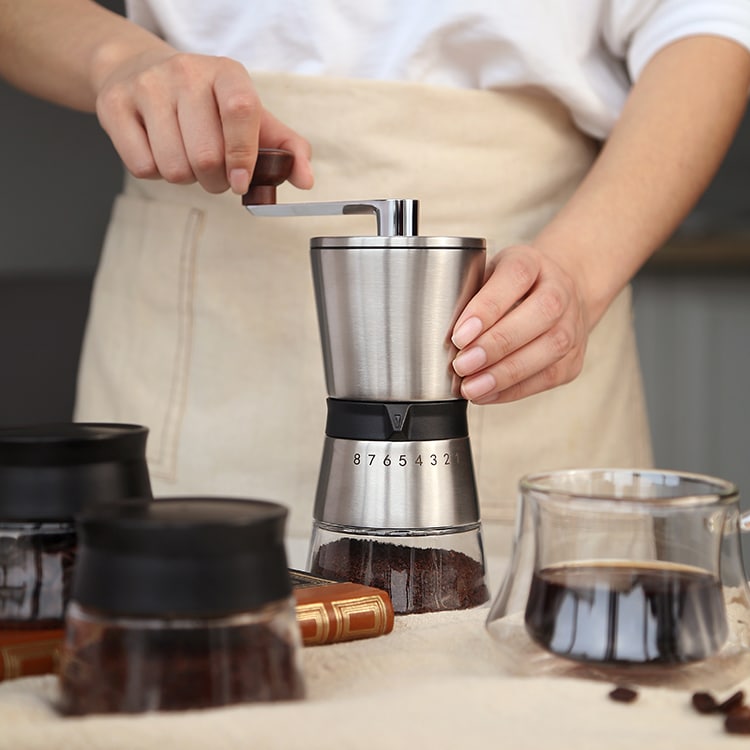
People can grind coffee beans at home using various simple methods, including a manual grinder, mortar and pestle, rolling pin, hammer, or other heavy kitchen tools. Traditionally, mortars and pestles were the earliest tools used for grinding coffee beans, followed by hand-crank grinders and modern burr grinders. Many coffee lovers prefer grinding beans by hand because it helps preserve freshness and allows better control over grind size. Manual coffee grinders are also portable, quiet, and help maintain the coffee’s natural flavor. ChefsHere offers high-quality manual coffee grinders and kitchen tools designed for home use, helping users enjoy fresher coffee and explore different brewing methods.
Key Takeaways
- Hand-grinding coffee beans results in a fresher, richer coffee. Freshly ground coffee retains more aroma and flavor than pre-ground coffee.
- You can use tools such as a hand grinder, mortar and pestle, or rolling pin. Each tool has its advantages. These methods allow you to choose the grind size, which affects the taste of the coffee.
- Choosing the right grind size is crucial for brewing coffee. A coarse grind is suitable for a French press, while a fine grind is best for espresso.
- Experimenting with different grinding methods will help you find your preferred grind size. Using new tools and grind sizes can further enhance the taste of your coffee.
- Hand grinders are portable, quiet, and ideal for home use. They grind evenly and are durable.
Manual Ways to Grind Coffee Beans
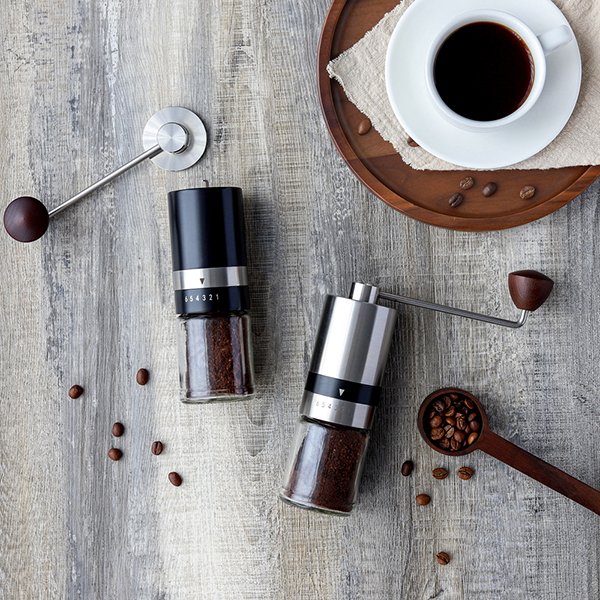
Hand-grinding coffee beans allows for better control over the grind. Many people grind their coffee at home using simple tools. Each method has its advantages and disadvantages.
Using a Hand Grinder
A hand grinder is a common tool for grinding coffee beans. Simply turn the handle to grind the beans. This method doesn’t generate heat, so the coffee smells fresh. Many people believe that hand grinders are durable and produce a uniform grind. ChefsHere sells hand grinders that are easy to use and well-made. They are made of sturdy steel and ceramic, making them more durable. Hand grinders range in price from $79 to $199. Generally, more expensive grinders produce a more uniform grind.
| Grinder Type | Grind Consistency | Ease of Use |
|---|---|---|
| ChefsHere Manual | Good consistency if used right | Needs effort, but gives control |
| High-end Manual | Even grind, but slower | Usually easy to use |
| Mid-range Manual | Good grind | Some are easier to use than others |
| Electric Grinders | Fast and even grind | Easy to use with buttons |
Manual coffee grinders can help you make French press, drip coffee, or espresso. They are portable and require no electricity. Hand grinding preserves the rich flavor of the coffee.
Mortar and Pestle Grinding Method
Some people use a mortar and pestle to grind coffee beans. This method allows you to choose the coarseness of the grind. While more laborious, it’s suitable for small grinds.
Using a mortar and pestle is another method for grinding coffee beans. It allows you to experiment with different grind effects. This method is quiet and requires no electricity.
Rolling Pin or Hammer Grinding Method
You can use a rolling pin or hammer to crush coffee beans. These tools are suitable for making coarse grounds for French press or cold brew coffee. When using a rolling pin, first crush the coffee beans, then roll them to make the grind more even. Using a hammer can crush coffee beans, but the particle size may not be perfectly uniform.
Other Household Tools
You can use other items in your home to grind coffee beans. A heavy-duty frying pan can grind a coarser coffee powder. Simply put the coffee beans in a bag and pound them with the pan. This method is suitable for French press or cold brew coffee. A mortar and pestle can also be used, but it’s more laborious. A hammer is also an option, but it may not grind coffee into powder suitable for every brewing method.
Choosing a Coffee Grind Size
Why Grind Size Matters
Grind size plays a crucial role in the taste of coffee. It affects the speed at which water flows through the coffee grounds during brewing. The right grind size helps control the extraction and brings out the best flavor. Scientists have found that the finer the grind, the slower the water flow; the coarser the grind, the faster the water flow. Each brewing method requires a specific grind size to achieve the best taste.
Grind Sizes for Different Brewing Methods
Different brewing methods require different grind sizes. French presses use a coarse grind to prevent filter clogging and achieve a slow extraction. Espresso requires a very fine grind for a quick, strong extraction. Pour-over and drip coffee use a medium grind for a balanced flavor. Cold brew uses an extra-coarse grind to prolong the extraction time. The ideal grind size depends on the brewing method and the taste you want.
Quick Reference Table
The following chart can help you choose the appropriate grind size for each brewing method:
| Brewing Method | Ideal Grind Size |
|---|---|
| French press | Coarse |
| Pour over | Medium |
| Espresso | Very fine |
| AeroPress | Fine to Medium |
| Auto-Drip Brewer | Medium-Fine |
| Moka Pot | Fine |
| Cold Brew | Extra Coarse |
Step-by-Step Guide to Grind Coffee Beans by Hand
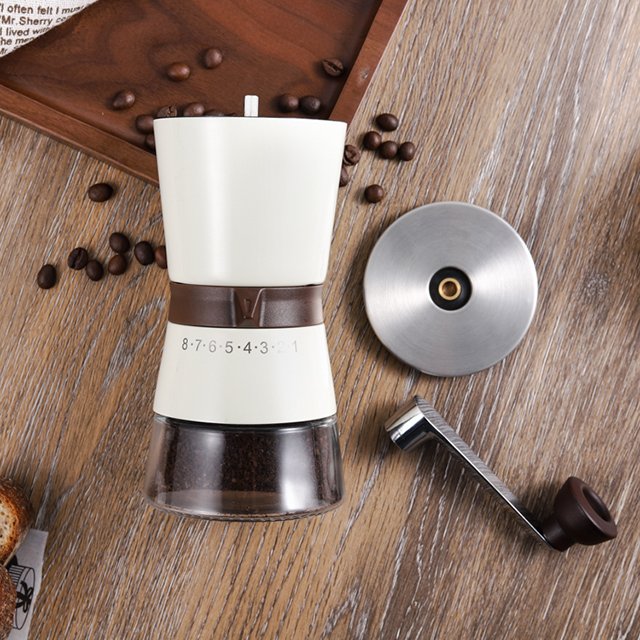
Coffee Bean Preparation
Coffee beans should be freshly ground just before brewing. This preserves the rich aroma and flavor of the beans. Freshly ground beans retain their vibrant taste better because volatile compounds are not released into the air. To maintain freshness, coffee beans should be stored in an airtight, light-proof container. A cool, dry place is best. Reducing the frequency of opening the container helps prevent oxidation, which leads to a weak flavor. Pre-grinding coffee beans causes the oils and aromas to break down quickly, resulting in a loss of the coffee’s vibrant flavor.
Grinding Techniques
To achieve a consistent grind size, people should follow a few simple steps:
- Place the manual grinder in a vertical position. This helps gravity pull the beans through the burrs.
- Grind only the amount needed for one brew. This keeps the coffee grounds fresh and reduces effort.
- Set the grinder on a stable table. This gives better control and helps with even grinding.
- Adjust the grind size if grinding feels too hard. Coarser settings work for French press, while finer settings suit espresso.
People can also use a mortar and pestle or rolling pin. They should crush the beans in small batches for better control over the grind size.
Tips for Maintaining a Uniform Grind
When grinding, gently lift and shake the grinder. This action helps distribute the coffee grounds evenly across the grinding disc. Short, pulsed grinds, rather than prolonged pressing, prevent heat buildup and maintain a uniform grind size. These habits contribute to brewing a more balanced coffee.
Common Mistakes
Many people choose the wrong grind size based on their brewing method. For example, a medium grind is best suited for drip coffee makers, while a coarse grind is better for French presses. Grinding a large amount of coffee beans at once can cause overheating, affecting the coffee’s flavor. Avoid pre-grinding coffee, as this will spoil the grounds. Measuring the grind size and adjusting the settings for each brewing method ensures a balanced coffee flavor.
Grinding Coffee at Home: Tips and Benefits
Freshness and Flavor
Grinding coffee at home allows for greater control over the brewing process. They can choose the grind size and ensure the coffee grounds are evenly ground. This step is crucial to the coffee’s flavor. Freshly ground coffee retains the oils and unique components of the beans, making it richer and fuller than pre-ground coffee. People who grind coffee beans at home can enjoy a fresh cup of coffee anytime.
Experimenting with Methods
People who enjoy coffee like to try different ways of grinding coffee beans at home. They can test which grind size works best for their favorite brew. Each method needs a special grind size.
- French press or cold brew needs a coarse grind size. This helps the coffee taste right and not too strong.
- Pour over or drip brewing uses a medium grind size. This gives a balanced flavor.
- Espresso needs a fine grind size. This pulls out rich flavors quickly.
Trying new methods at home helps people learn what they like. They can change the grind size and see how it changes the taste.
When to Use a Manual or Electric Grinder
The choice between a manual and electric grinder depends on individual needs. Some people prefer the feel of a manual grinder, while others value the speed and convenience of an electric grinder.
| Grinder Type | Pros | Cons |
|---|---|---|
| Manual Coffee Grinder | Consistent grounds, portable, durable | Takes time, needs effort |
| Electric Coffee Grinder | Fast, many settings, convenient | Noisy, needs power, can cost more |
Manual grinders are suitable for those who enjoy grinding coffee beans at home and appreciate the process. Electric grinders are better suited for those seeking a faster grind, especially for finer grinds. People should consider cost, time, and whether they want to experiment with different grind sizes at home.
FAQ
How long does it take to manually grind coffee beans?
Most people need 2 to 5 minutes to manually grind coffee beans. The time required depends on the grinding tools and the amount of coffee beans. Manual grinders are faster than mortars and pestles.
Can I grind coffee beans without a grinder?
Yes, you can use a mortar and pestle, a rolling pin, or even a heavy pot. These tools help grind coffee beans. The resulting grind may not be perfectly uniform, but it’s suitable for many brewing methods.
How should ground coffee beans be stored?
They should be stored in an airtight, light-proof container in a cool, dry place. This helps preserve the flavor and aroma of the beans. Freshly ground coffee is best consumed immediately.
Why is grind size important for the taste of coffee?
Grind size affects how water flows through the coffee grounds. Coarsely ground coffee has a weaker flavor, while finely ground coffee has a stronger flavor. Different brewing methods require different grind sizes.
How to clean a manual coffee grinder?
The grinder should be disassembled, and any remaining coffee grounds should be removed with a brush. You can wipe the parts with a dry cloth. Never let water come into contact with the metal grinding disc. Regular cleaning will keep the grinder in good working order.