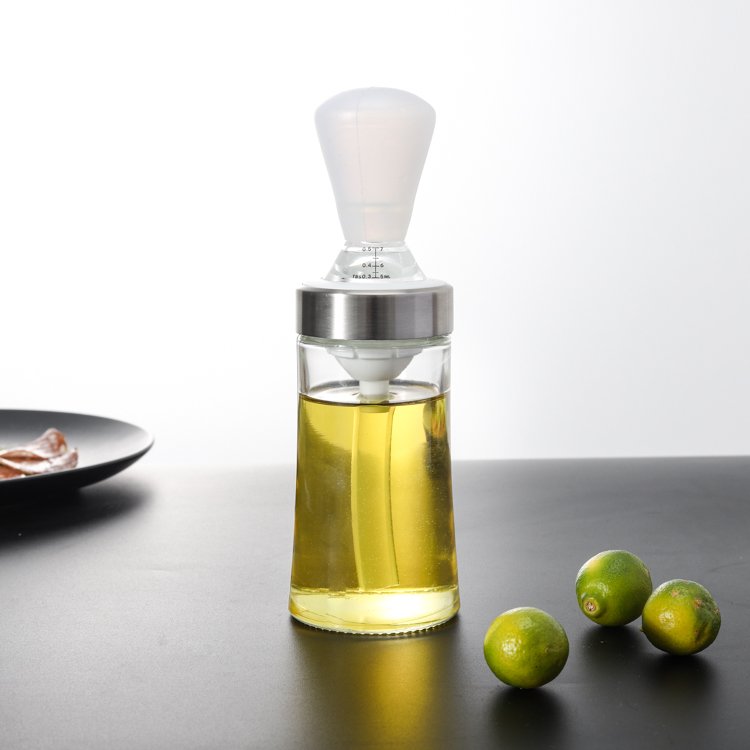
An exceptional olive oil and balsamic dispenser enhances both your kitchen’s functionality and its aesthetic. When selecting the right cruet, the material is a critical factor influencing the flavor and longevity of your oils. Proper storage is paramount for maintaining quality.
You must choose between two primary materials: ceramic and glass. Each offers distinct advantages. A ceramic cruet provides superior protection, ensuring maximum freshness. This type of dispenser completely blocks light, preventing oxidation. A dark glass olive oil dispenser presents an excellent, affordable alternative. While glass cruets are more common, a ceramic dispenser caters to those prioritizing artisanal design and ultimate oil preservation.
Glass vs. Ceramic: A Direct Comparison
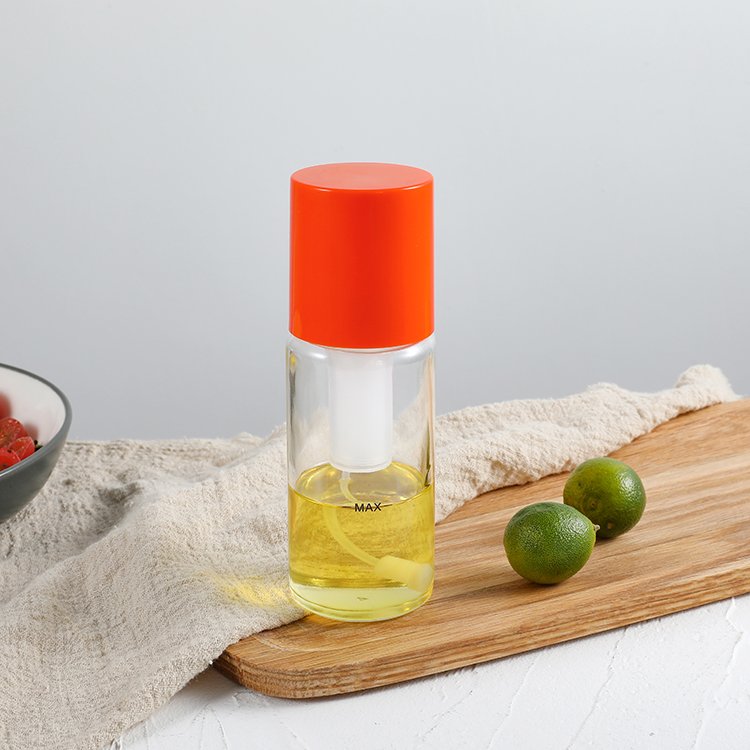
Choosing between a glass and ceramic dispenser involves more than just looks. You need to weigh factors like how well each material protects your oil, its durability, and its overall value. This direct comparison will help you understand the key differences when comparing olive oil dispenser types.
Light Protection and Freshness
The single most important factor for preserving olive oil is protecting it from light. Light, especially UV light, triggers a process called photo-oxidation. This chemical reaction degrades the oil, creating unpleasant flavors and reducing its shelf life.
- Ceramic: A ceramic cruet offers the ultimate defense. Its opaque nature completely blocks all light, providing maximum protection and ensuring the best possible freshness for your oil.
- Glass: A dark-colored glass cruet offers good protection. It filters out a significant amount of harmful light, slowing down oxidation. However, it does not block light completely.
Expert Tip: The process of photo-oxidation involves photosensitizers like chlorophyll reacting with light. This reaction creates compounds that lead to rancidity. A fully opaque dispenser stops this process before it starts, preserving the oil’s delicate flavor profile.
This table breaks down the protection levels:
| Container Type | UV Protection Level | Impact on Oil Quality |
|---|---|---|
| Dark Green Glass | Moderate | Slows degradation but doesn’t fully prevent it |
| Ceramic | Maximum | Excellent protection from all light types |
Durability and Handling
Your olive oil and balsamic dispenser will see frequent use, so its durability is important.
- Ceramic: A ceramic dispenser is generally heavier and more substantial. This weight gives it stability on your countertop. It is quite resistant to scratches but can chip or break if you drop it.
- Glass: A glass dispenser is lighter, making it easy to handle during cooking and pouring. However, it is more prone to shattering if dropped and can be scratched more easily than its ceramic counterpart.
Both materials are non-porous, meaning they will not absorb odors or flavors from your oil or vinegar. This ensures that each refill tastes pure and untainted.
Cleaning and Maintenance
Proper cleaning is essential for any oil and vinegar dispenser to prevent residue buildup.
- Ceramic: The glazed, non-porous surface of a ceramic cruet makes it very easy to clean. It resists staining and prevents old oil from clinging to the sides.
- Glass: A glass dispenser is also simple to clean. Its transparency allows you to see any residue, ensuring a thorough wash. Some glass can develop mineral deposits over time if you use hard water, but regular cleaning prevents this.
For either dispenser type, a simple wash with warm, soapy water and a bottle brush is usually sufficient for routine maintenance. Proper storage away from heat sources is also crucial.
Style and Aesthetics
The right dispenser can be a beautiful accent in your kitchen. Your choice here depends entirely on your personal style.
- Ceramic: A ceramic olive oil cruet often serves as a statement piece. Available in a vast range of colors, glazes, and artisanal shapes, it can add a touch of rustic charm or modern elegance to your decor. Many people seek out the best oil and vinegar dispensers made from ceramic for their unique, handcrafted appeal.
- Glass: A glass dispenser offers a classic, clean look. It allows you to see the color of the oil and monitor how much is left. While design options are more limited, its timeless appearance fits well in any kitchen.
Price and Value
Your budget will play a role in your decision. There is a clear price difference between the two materials.
- Ceramic: A high-quality ceramic vinegar dispenser or olive oil dispenser typically comes with a higher price tag. This cost reflects specialized manufacturing, artistic glazes, and often, handcrafted design.
- Glass: A glass vinegar dispenser is generally the more affordable option, especially for mass-produced models. You can find excellent, functional options at a very budget-friendly price.
When considering value, think long-term. A durable ceramic dispenser may be a higher initial investment, but its longevity and superior protection could make it the best olive oil cruet for you. A more affordable glass dispenser offers fantastic everyday practicality and is inexpensive to replace if accidents happen.
| Product Name | Material | Price Range |
|---|---|---|
| Emile Henry Oil Cruet | Glazed Ceramic | $35-$48 |
| Le Creuset Oil & Vinegar Cruet Set | Stoneware/Glass | $30-$40 |
| Haand Oil Cruet | Handcrafted Glass | $40-$45 |
| OXO Precision Pour Dispenser | Borosilicate | $15-$20 |
| Zeppoli Oil and Vinegar Bottles | Glass | $10-$15 |
| FineDine Superior Dispenser | Glass | $12-$18 |
The Case for a Ceramic Olive Oil and Balsamic Dispenser
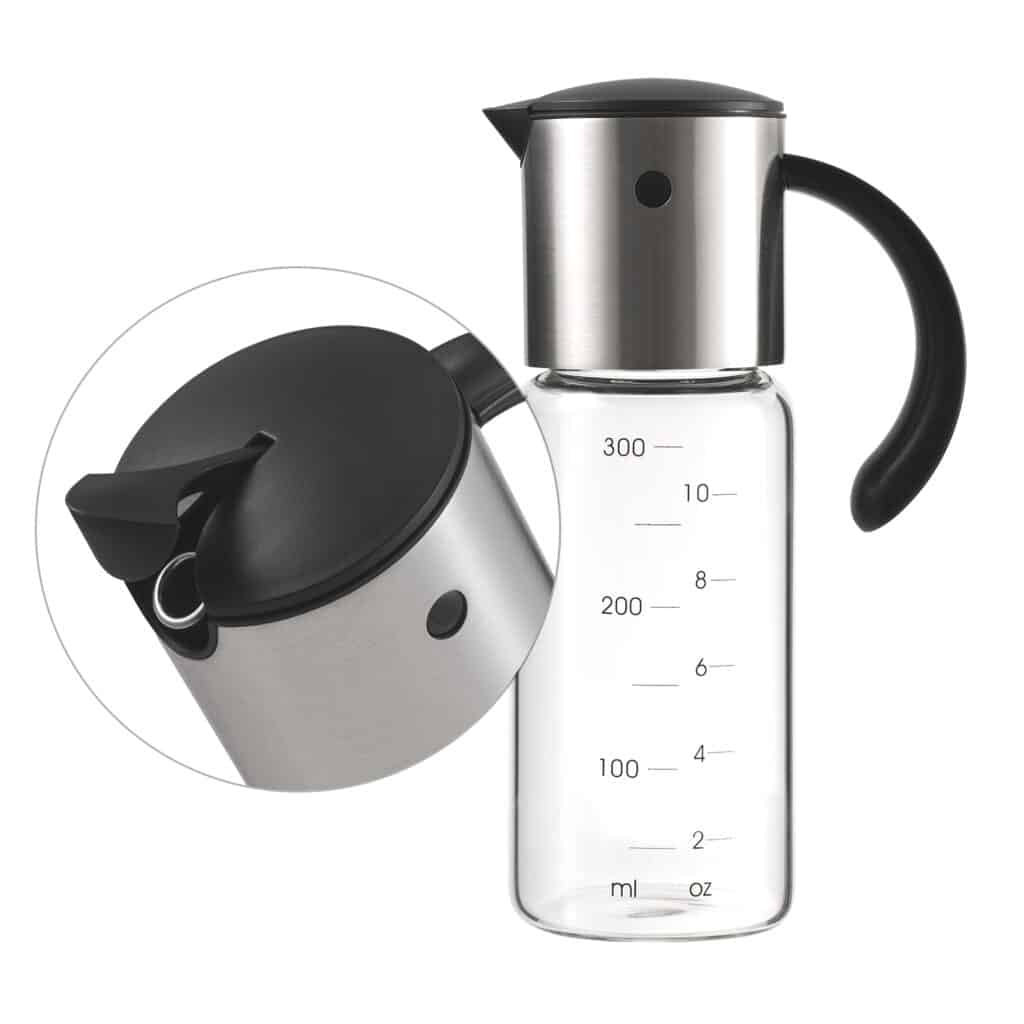
You might choose a ceramic olive oil and balsamic dispenser for its superior protective qualities and elegant design. This type of dispenser offers significant benefits for those who value the nuanced flavors of premium oils.
Unmatched Flavor Preservation
A ceramic cruet provides the best possible environment for preserving freshness. Exposure to light triggers photo-oxidation, a chemical reaction that degrades your oil. This process diminishes beneficial compounds like polyphenols and tocopherols, which are responsible for both flavor and nutritional value. A ceramic olive oil dispenser completely blocks light. Research shows this is the most effective way to prevent oxidation and maintain the oil’s delicate profile. Proper storage in a ceramic dispenser ensures every pour is as flavorful as the first.
A Statement Piece for Your Countertop
A ceramic cruet is more than just a tool; it is a piece of kitchen decor. The key to its beauty and function is the non-porous glaze. This essential feature provides several advantages:
- It creates a sealed finish, preventing the ceramic from absorbing oil.
- The smooth surface makes the dispenser incredibly easy to clean.
- It helps prevent the growth of bacteria, keeping your oil pure.
This makes a high-quality cruet both a practical vinegar dispenser and a stylish addition to your home.
Potential Downsides to Consider
While a ceramic olive oil dispenser excels in protection, you should consider a few practical points. The opaque nature of the dispenser means you cannot see how much oil is left inside. You will need to check the level by removing the top or judging by weight. Additionally, while a ceramic dispenser is sturdy, it can chip or break if you accidentally drop it on a hard floor.
Pro Tip: Get into the habit of refilling your ceramic cruet on a specific day each week, like when you write your grocery list. This simple routine ensures you never run out of oil mid-recipe.
The Case for a Glass Cruet
A glass dispenser is a classic and popular choice for many kitchens, valued for its straightforward functionality and affordability. You will find it offers a different set of benefits compared to ceramic, focusing on convenience for daily use.
Practicality for Everyday Use
A glass dispenser offers excellent everyday convenience. You will find it is lightweight and easy to handle. This makes quick pouring simple during busy meal preparations. The design of this cruet often features a well-balanced shape for comfortable use. Many people find a glass dispenser to be an ideal, no-fuss solution that also works perfectly as a vinegar dispenser.
See What You Have Left
You can always see exactly how much oil or vinegar remains inside a glass dispenser. This transparency eliminates all guesswork. You will know at a glance when it is time for a refill. This practical feature makes the olive oil cruet incredibly user-friendly for daily kitchen tasks. You never have to worry about running out of oil mid-recipe with this type of cruet.
A Warning About Clear Glass
You must exercise caution with the type of glass you choose. A clear glass cruet might look appealing on your counter, but it offers zero protection from damaging light. This exposure will quickly degrade your oil. For proper storage, you should always select a dark-colored glass dispenser.
Important Note: Never store your premium olive oil in a clear glass dispenser for extended periods. The constant light exposure will ruin its delicate flavor and nutritional benefits. A dark glass cruet is the minimum requirement for effective oil preservation.
Comparing Olive Oil Dispenser Types: Key Factors
When you compare different types of dispensers, three factors stand out: opacity, material, and ease of use. Understanding these elements will help you select the best olive oil cruet for your kitchen.
The Role of Opacity
Opacity is your oil’s primary defense against light. Light exposure causes oxidation, which ruins flavor and reduces freshness. A fully opaque dispenser provides the best protection by blocking the specific wavelengths of light that cause damage.
| Wavelength (nm) | Indication of Damage |
|---|---|
| 232 | Early oxidation (conjugated dienes) |
| 270 | Advanced rancidity (aldehydes and ketones) |
An opaque ceramic cruet stops this process completely, making it an ideal choice for long-term storage.
Material and Flavor Integrity
The material of your olive oil and balsamic dispenser directly impacts flavor. You should choose a dispenser made from an inert material like glass or ceramic. These materials do not react with or absorb oils, ensuring a pure taste.
Caution: Avoid storing oil in plastic containers. Studies show that plastics, especially when exposed to heat, can leach chemicals into the oil. This not only imparts an unpleasant taste but can also decrease the oil’s natural antioxidants.
A quality olive oil dispenser or vinegar dispenser will preserve the intended flavor profile without contamination.
Ease of Use and Refilling
The best oil and vinegar dispensers are practical for daily use. A key feature is a well-designed spout that allows for controlled pouring. Look for a dispenser with features that prevent drips and ensure a smooth flow. The right cruet makes drizzling oil effortless.
- Leak-proof mechanisms
- Durable construction (stainless steel or brass spouts)
- Push-button or weighted spouts for easy, one-handed pouring
A wide opening on the oil and vinegar dispenser also makes refilling simple and mess-free. This combination of a great spout and easy-to-fill design makes for a superior olive oil dispenser.
Which Dispenser Should You Choose?
The final decision rests on your priorities in the kitchen. You must balance flavor preservation, aesthetics, daily convenience, and budget. This guide will help you determine whether a ceramic or dark glass dispenser is the right fit for your needs.
Choose Ceramic If…
You should choose a ceramic dispenser if you are a culinary enthusiast who prioritizes maximum flavor and quality. For high-value finishing oils, ceramic is the superior choice for preservation and is often considered the best olive oil cruet available.
- You Invest in Premium Oils: A ceramic dispenser protects delicate extra virgin olive oils, maintaining their fresh, ‘olive orchard’ flavor. Its completely opaque body and sealed lid prevent air and light exposure, keeping oils tasting bright. Blind taste tests confirm ceramic’s superiority in flavor preservation.
- You Demand Maximum Freshness: You want to slow oxidation as much as possible. Research shows that oil stored in a quality ceramic dispenser experiences a 20% slower rate of oxidation compared to other materials, extending its peak freshness by over a week.
- You Value Kitchen Aesthetics: You see your kitchen tools as part of your home’s decor. Ceramic dispensers offer unmatched beauty and durability. They come in countless designs and colors to complement any style, making them some of the best oil and vinegar dispensers for creating a statement. Their robust, non-porous surface also makes them a sustainable and hygienic choice for a stylish vinegar dispenser.
Ultimately, a ceramic dispenser is an investment in protecting the quality of your finest ingredients. It is the best olive oil cruet for those who will not compromise on taste.
Choose Dark Glass If…
You should choose a dark glass dispenser if your focus is on everyday practicality, convenience, and value. A dark glass cruet is an excellent workhorse for a busy family kitchen.
- You Prioritize Convenience and Budget: You need a functional and affordable olive oil dispenser for daily cooking. Dark glass is lightweight, easy to handle, and allows you to see the oil level at a glance, so you never run out unexpectedly.
- You Need Good, Reliable Protection: You understand the importance of protecting oil from light. A dark green or amber glass dispenser effectively blocks harmful UV rays, slowing oxidation and preserving the quality and freshness of your everyday oils.
- You Want a Durable, No-Fuss Option: You need a dispenser that can withstand the rigors of a busy kitchen. Many glass models are made from thick, shatter-resistant borosilicate glass, offering a great balance of durability and protection.
A dark glass dispenser provides a significant upgrade over the clear bottle your oil came in, offering a perfect blend of function and affordability.
What About Stainless Steel?
While this guide focuses on glass and ceramic, stainless steel is another popular option you might consider. It offers its own unique set of advantages and disadvantages. It provides exceptional protection but comes with a few trade-offs.
Stainless steel is completely opaque, blocking 100% of light. Many models also feature airtight seals, making them excellent at preventing both light and air exposure.
| Feature | Ceramic Dispensers | Stainless Steel Dispensers |
|---|---|---|
| Light Protection | Good (if fully opaque) | Excellent (blocks 100% of light) |
| Air Sealing | Fair (depends on lid/spout design) | Excellent (often includes tight seals) |
A 2022 study in the Journal of Food Protection found that oils in stainless steel containers retained 94% of their initial antioxidant capacity over 90 days, outperforming most other materials.
“Oxidation begins the moment oil is exposed to light and air. The right container doesn’t just store oil—it protects its integrity.” — Dr. Lena Torres, Food Scientist & Lipid Stability Researcher
However, you must consider two potential downsides of a stainless steel oil and vinegar dispenser:
- Heat Conductivity: Stainless steel heats up quickly. If you place the olive oil cruet near your stove, the heat can transfer to the oil inside, accelerating degradation and spoiling its flavor.
- Potential for Metallic Taste: Acidic liquids can react with stainless steel. When using it as a vinegar dispenser, you run a small risk of the vinegar acquiring a slight metallic taste over time. This makes controlled pouring especially important.
Choose a ceramic cruet for premium oils. A dark glass dispenser is a practical oil and vinegar dispenser. Your new olive oil and balsamic dispenser is a major upgrade. Follow these olive oil storage tips for proper storage. Keep your cruet or vinegar dispenser away from heat, ideally between 57-75°F.
FAQ
How should I clean my oil dispenser?
You can clean your dispenser with warm, soapy water and a bottle brush. Rinse it thoroughly and let it dry completely before you refill it with fresh oil.
How often should I refill my cruet?
You should only fill your dispenser with enough oil for one to two months. This practice ensures you always enjoy the freshest flavor from your olive oil.
Can I put my dispenser in the dishwasher?
You must check the manufacturer’s instructions first. Many dispensers are hand-wash only. Dishwashing can damage the glaze, spout, or seals, so it is best to verify.