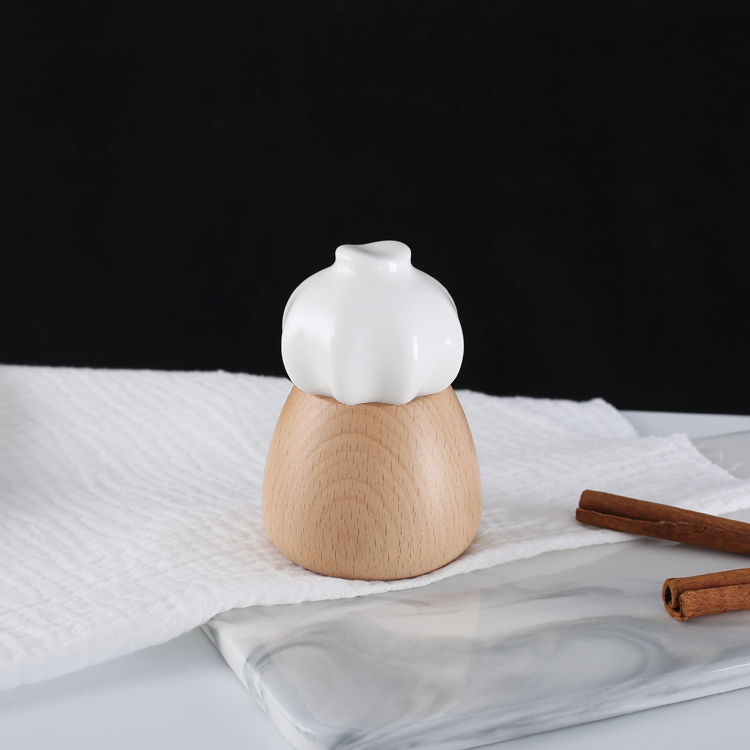
Salt and pepper grinders will wear down after long-term use. Internal mechanical friction easily accumulates spice debris, which directly affects daily grinding performance. ChefsHere specializes in manufacturing sturdy salt and pepper mills, favored by numerous users for premium ceramic cores, effortless rotation and oversized design. All these practical advantages ensure long-lasting stable use.
Key Takeaways
- Perform routine cleaning on your spice grinder to avoid blockages and keep it functioning smoothly at all times.
- Only fill the grinder with dry whole spices. This practice protects internal components from damage and delivers consistent, uniform grinding results.
- Carry out frequent checks for signs of wear and tear. Timely troubleshooting helps resolve issues early and maximizes your grinder’s service life.
Why Salt and Pepper Grinders Wear Out
Mechanical Issues with Salt and Pepper Grinders
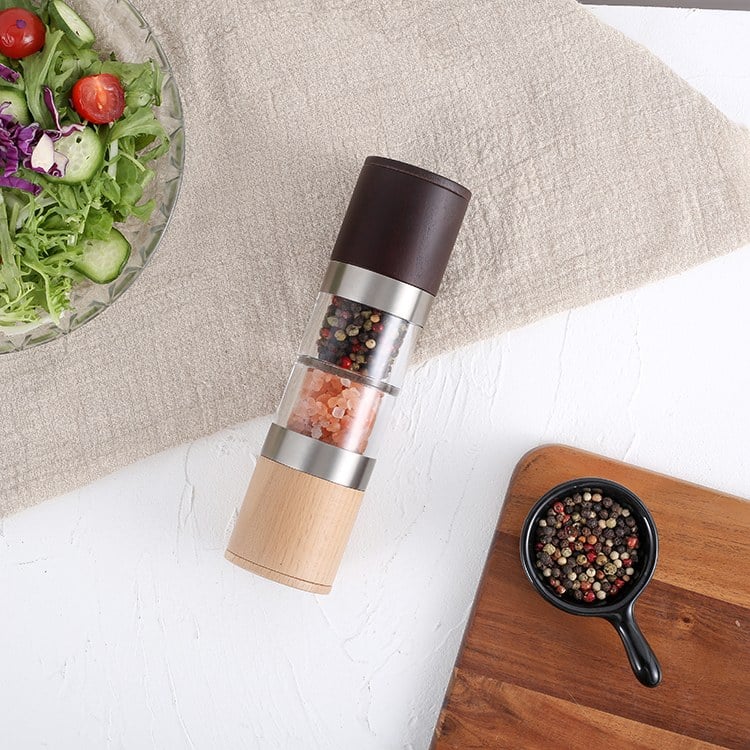
Salt and pepper mills feature daily-used internal grinding mechanisms. With frequent long-term use, inner components tend to malfunction or break down gradually. Metal-made springs, drive shafts and grinding adjustment structures are prone to wear and rust, especially those crafted from low-grade rust-prone metal materials. Most conventional spice grinders adopt steel parts, which easily corrode once in contact with salt particles.
In contrast, the premium ceramic grinding cores fitted in ChefsHere salt and pepper mills are completely rust-resistant and retain exceptional sharpness over years of use. Relevant practical tests prove that high-quality ceramic burrs can serve steadily for over a decade with minimal maintenance. Such superior construction ensures stable grinding performance and keeps your seasoning spices pure and hygienic at all times.
| Mechanical Failure | Symptoms | Root Causes |
|---|---|---|
| Grinder Clogging | Hard or uneven grinding. | Moisture makes salt stick together inside the grinder. |
| Internal Corrosion | Grinding feels rough or changes over time. | Parts made from metal that rusts easily. |
| Inconsistent Grind Quality | Changing the setting does not help much. | Problems with the way the grinder is made. |
Clogging and Residue in Salt and Pepper Grinder
Clogging is one of the most common issues affecting salt and pepper grinders. Humidity in the air causes salt grains to clump together, resulting in internal blockages. Meanwhile, pepper residues and natural spice oils tend to adhere to grinding parts, making the mill difficult to twist smoothly. Without regular cleaning, accumulated leftover spices will hinder normal operation and even leave unpleasant odd flavors on your seasonings. Dry cleaning methods effectively clear built-up debris and restore the grinder’s optimal working condition.
| Factor | Explanation |
|---|---|
| Humidity | Wet air makes salt wet and sticky. |
| Frequent Use in Damp Environments | Using the grinder near water or steam adds moisture, especially if left open. |
| Inadequate Storage | Storing the grinder wrong lets water get in and causes clumping. |
| Spilled Liquids | Spilling drinks or water adds moisture and makes salt stick together. |
Improper Use and Spice Selection
Incorrect usage habits will greatly accelerate the wear and tear of salt and pepper grinders. Overfilling the container hinders the free flow of seasonings and easily leads to internal clogging. Damp spices tend to clump together and jam the grinding mechanism. Certain seasonings such as cloves and cocoa beans contain sticky natural oils and irregular textures, which may damage internal grinding components. In addition, salt is highly hygroscopic; it can easily cause rust and corrosion on traditional steel grinder parts.
Built-in ceramic grinding discs feature outstanding rust resistance and perform far better than steel counterparts when dealing with moisture-rich salt ingredients. To maintain its sturdiness and service life, it is advised to clean ceramic grinders manually by hand.
Maintenance and Extending the Lifespan of Salt and Pepper Grinders
Signs of Wear on a Salt and Pepper Grinder
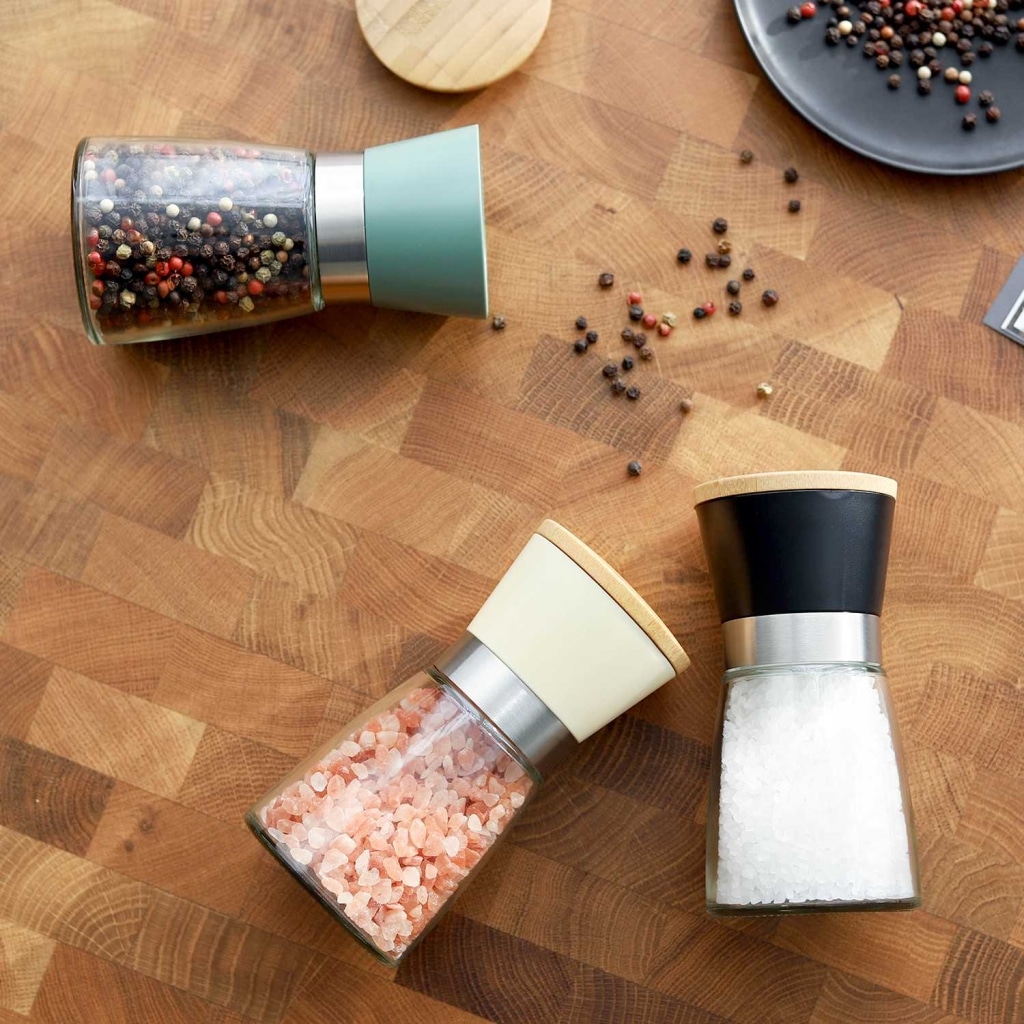
Salt and pepper grinders inevitably show signs of wear after prolonged daily use. You may feel significant resistance when rotating, or find it difficult to turn smoothly. The ground spice particles may also become uneven. Unusual grinding noise and a loose handle are clear signs of internal damage. If your grinder is producing inconsistent spice particles, or is having difficulty efficiently grinding salt and pepper, the device needs timely maintenance.
| Sign of Wear | What to Look For |
|---|---|
| Hard to Turn | Grinder feels stiff or jams during use |
| Inconsistent Grind | Spice comes out in uneven sizes |
| Rust or Corrosion | Metal parts show discoloration or flaking |
| Loose Parts | Handle or knob wobbles or feels unstable |
| Unusual Noises | Grinding makes clicking or scraping sounds |
Cleaning and Care for Salt and Pepper Mills
Cleaning your grinder keeps it working well. Regular care removes old spices and stops clogging. ChefsHere suggests these steps for best results:
- Take apart the grinder by following the instructions.
- Use a soft brush to clean inside and outside the grinder.
- Wipe the outside with a damp cloth. Do not use strong cleaners.
- Dry all parts before putting the grinder back together.
- Put the grinder together and check if it works smoothly.
Troubleshooting and Repair Tips
If your grinder stops working well, try these simple fixes:
- Clean out all spice bits by taking apart the grinder and brushing inside.
- Check the grinding parts for damage or wear. Replace parts if needed.
- For battery grinders, check and change batteries if it does not turn on.
- Adjust the grind setting. Turn the knob for finer or coarser grind until it feels smooth.
- If the grinder is clogged, tap it gently to loosen stuck spices.
- Make sure you use the right amount and type of spice.
- Only use the correct spices. Some spices can clog or hurt the grinder.
Cleaning and checking for worn parts keeps your grinder in good shape. Use food-safe oil to lubricate moving parts if the grinder feels stiff.
When to Replace Your Salt and Pepper Grinder
Sometimes, you cannot fix a grinder and must get a new one. Here are signs it is time to buy another:
- The grinding parts are broken and cannot be fixed.
- The grinder makes uneven or bad grinds, even after cleaning.
- Parts are missing or cannot be replaced.
- Fixing costs more than buying a new grinder.
- The grinder has heavy corrosion or mold.
High-quality salt and pepper grinders like ChefsHere are durable and require less frequent replacement. Proper daily cleaning and storage practices can effectively prevent most common malfunctions. With careful maintenance, these premium grinders can last for decades.
FAQ
How often should I clean my salt and pepper grinder?
If you use your grinder daily, we recommend cleaning it monthly. Regular cleaning helps keep your grinder in good working order and prevents spice residue buildup.
Which spices can damage a grinder?
Damp, sticky, or overly coarse spices can damage a grinder. Dry salt and peppercorns are best. ChefsHere recommends choosing the right spices for each type of grinder.
Can my grinder last for many years?
With proper care, a grinder can last over ten years. ChefsHere grinders are robust and durable, with an even longer lifespan. Regular cleaning and choosing the right spices help keep your grinder in good condition.
| Grinder Care Step | Benefit |
|---|---|
| Monthly Cleaning | Stops clogs |
| Dry Storage | Prevents rust |
| Using Right Spices | Makes the grinder last longer |