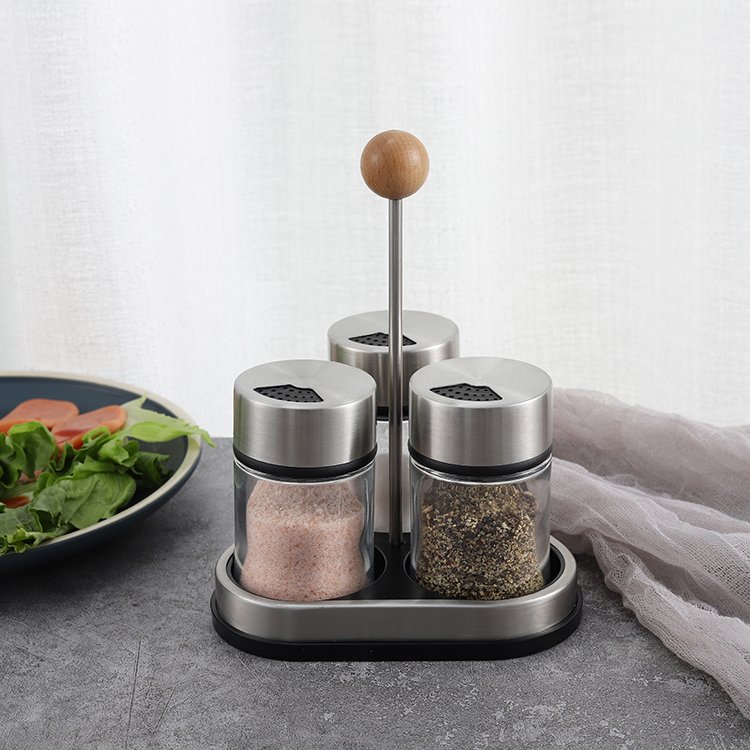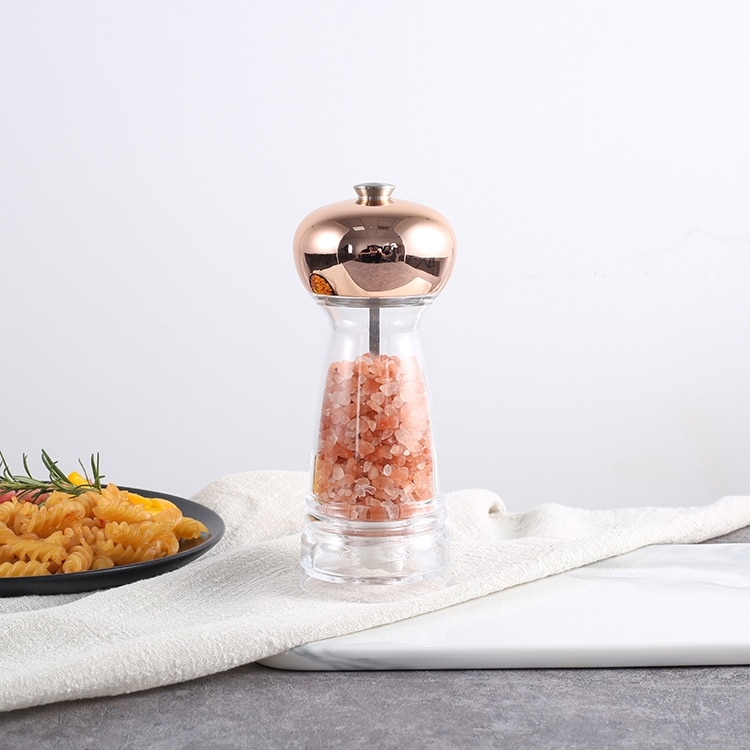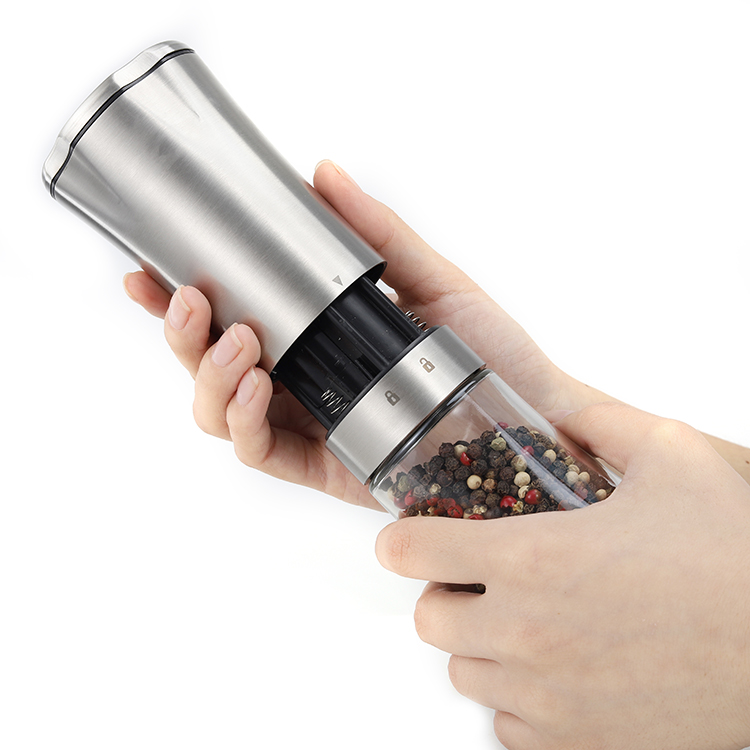
Many people ask if sea salt can be ground using an electric grinder. The answer is yes, but the type of salt and the choice of grinder are important. Many home cooks now use electric grinders because they are convenient for seasoning and have a stylish appearance that complements modern kitchens. Surveys show that people often encounter problems such as uneven grinding or difficulty in adding salt grains when using electric grinders to grind sea salt.
Key Takeaways
- Always use dry, coarse sea salt with an electric grinder. This helps prevent clogging and makes grinding smoother.
- Choose a grinder with a ceramic grinder. They are more durable than stainless steel grinders and won’t rust.
- Clean your grinder regularly to keep it in good working order. A deep cleaning every two to four weeks is recommended. This will help extend the grinder’s lifespan.
Can You Use Sea Salt in Electric Grinders?
Quick Answers and Key Considerations
Many people who cook at home wonder if an electric salt grinder can grind sea salt. The answer is yes, but the salt must be dry. Additionally, the salt grinder needs to be specifically designed for grinding sea salt. Before using an electric salt grinder to grind sea salt, consider the following important points:
Dry sea salt is best. Wet salt can clog the grinder and cause it to jam.
The size of the salt grains is important. Larger, coarser salt grains are easier to grind. Fine salt may not achieve the texture you want.
The grinding mechanism of the salt grinder is also important. Ceramic grinding wheels won’t rust and are more durable than metal grinding wheels.
Tip: Always use dry, coarse sea salt in your electric grinder. Never use wet or seasoned salt. This helps prevent clogging and ensures the grinder works efficiently.
The table below lists the types of salt suitable for electric grinders:
| Type of Salt | Description |
|---|---|
| Coarse Himalayan Pink Salt | Has a mild taste from minerals and no chemicals. |
| Coarse Kosher Salt | Has big, flaky crystals that are easy to grind and add flavor. |
| Coarse Sea Salt | Has large crystals that are easy to grind and taste fresh and mineral-rich. |
Why the Type of Grinder Matters
The internal components of an electric salt grinder determine its performance and lifespan. Ceramic grinders are best suited for grinding sea salt. They don’t rust and stay sharp for a long time. Stainless steel grinders are prone to rusting if they come into contact with salt, especially wet salt.
The table below compares ceramic and stainless steel grinders:
| Feature | Ceramic Mechanism | Stainless Steel Mechanism |
|---|---|---|
| Corrosion Resistance | Does not rust, resists corrosion | Can rust when used with salt |
| Durability | Very strong, great for salt | Wears out faster, not as good for salt |
| Grinding Precision | Grinds very well and evenly | Not as precise because it wears down |
Ceramic grinding cores are resistant to wear under normal use, providing long-lasting grinding results and resisting rust caused by salt corrosion. Therefore, they are ideal for grinding sea salt in electric salt grinders. ChefsHere electric salt grinders use ceramic grinding cores, meaning they offer superior performance and durability.
When choosing an electric salt grinder for grinding sea salt, consider the following:
| Factor | Description |
|---|---|
| Grinding Performance | Makes salt pieces the same size, works with coarse salt, stops clogs, ceramic burrs are best. |
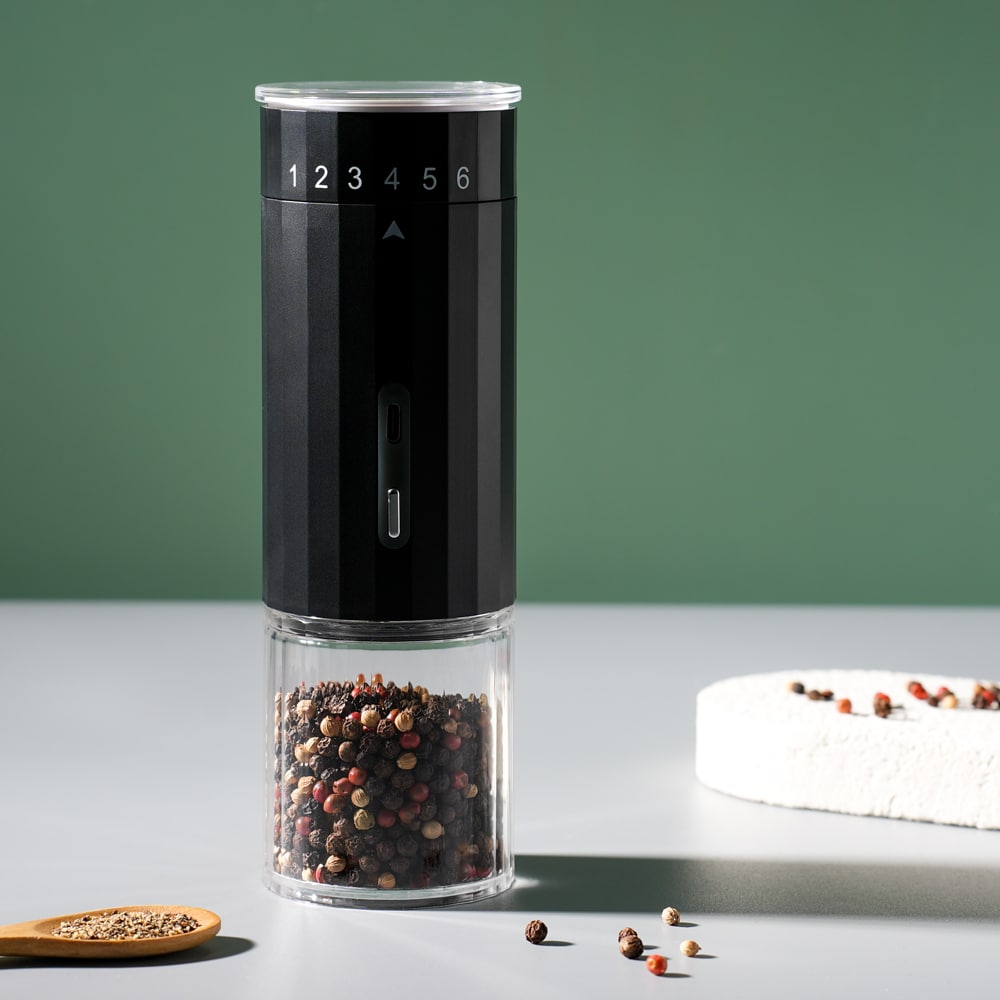
| Adjustable Grind Settings | Lets you change how fine or coarse the salt is, with easy knobs or rings. |
| Power Source | Some use batteries, others recharge, each has good and bad points. |
| Build Quality | Made with strong, food-safe stainless steel and glass for long use. |
Best Sea Salt Types for Grinders
Coarse vs. Fine Sea Salt
Choosing the right salt size is crucial for electric grinders. Most chefs consider coarse sea salt best suited for their grinders. Coarse sea salt crystals are larger, making them easier to grind, and they provide a stable, full-bodied earthy flavor. Fine sea salt melts quickly and can clog grinders. The table below lists their differences:
| Characteristic | Coarse Salt | Fine Salt |
|---|---|---|
| Crystal Size | Larger crystals that are chunkier | Smaller, even-shaped crystals |
| Solubility | Does not dissolve easily | Dissolves quickly |
| Flavor Release | More persistent and earthy flavor | Stronger but ephemeral flavor |
| Usage | Ideal for hand-salting and visible measurement | Commonly used in baking for even distribution |
Avoiding Wet or Flavored Salts
Wet or flavored salts can hurt electric grinders. Sea salt can soak up water from the air. This can cause rust and make the grinder break.
- Water can leave rust stains and make grinding hard.
- Fine salt dust keeps water, which makes rust happen faster.
- Ceramic grinders, like ChefsHere, help stop these problems.
Salt pulls in water and can cause rust in steel parts. Flavored salts might have oils or water that can also harm the grinder.
For best results, always use dry, coarse sea salt and keep it in a cool, dry spot. ChefsHere makes grinders that work well with these salts and help your kitchen run well.
Electric Grinder Issues & Care

Preventing Clogs and Jams
Electric grinders can sometimes clog or jam, especially when used with sea salt. Several factors often cause these issues:
- Moisture can enter the grinder, making salt clump together and block the mechanism.
- Overfilling the grinder or tightening it too much compresses the salt, making it hard to grind sea salt.
- Using fine salt or table salt with anti-caking agents can block the grinder.
- Skipping regular cleaning allows salt dust to build up and stop the grinder from working.
To prevent these problems, always use dry, coarse salt and avoid overfilling. Store the grinder in a cool, dry place. Adjust the grind knob gently and tap the grinder if salt gets stuck.
Tip: Fill the grinder only two-thirds full and use the right salt type for best results.
Cleaning and Maintenance Tips
Regular cleaning ensures a high-quality salt grinder operates smoothly and extends its lifespan. Wipe the grinder daily, and if used frequently, perform a deep clean every two to four weeks. If used only occasionally, clean it monthly. Use a soft brush to remove any residual salt or spice powder from the grinding mechanism. Avoid rinsing the grinder with water, as moisture can cause corrosion.
Regular maintenance prevents salt residue buildup and keeps the grinder ready for freshly ground salt every time.
FAQ
Can I use flavored sea salt in an electric grinder?
Flavored sea salt often contains oil or moisture, which can easily clog grinders. ChefsHere recommends using only dry, coarse sea salt.
How often should I clean my electric grinder?
Cleaning every two to four weeks will keep your grinder in good working order. Frequent use may require more frequent cleaning.
What is the best way to store sea salt for grinders?
Store sea salt in an airtight container in a cool, dry place. This will prevent moisture absorption and keep the salt crystals dry.