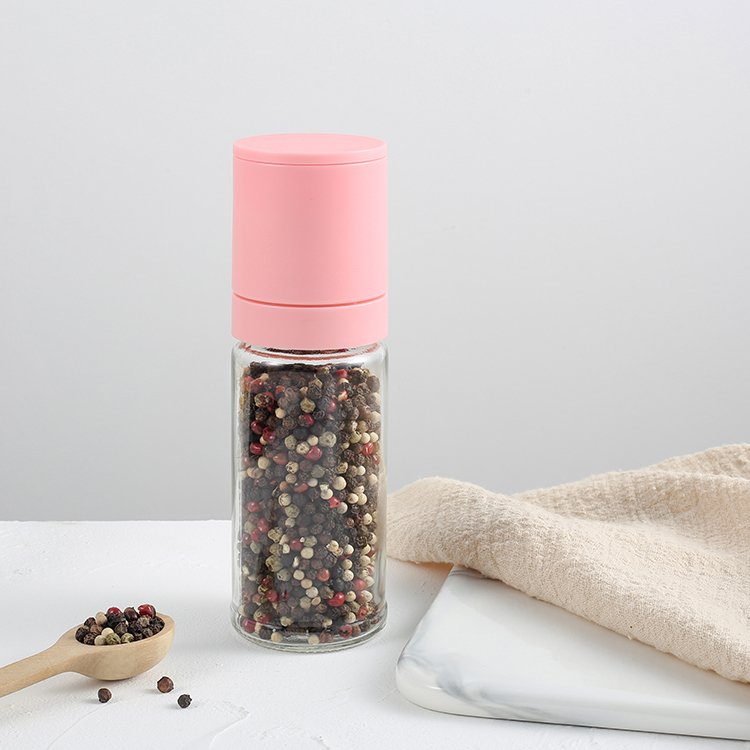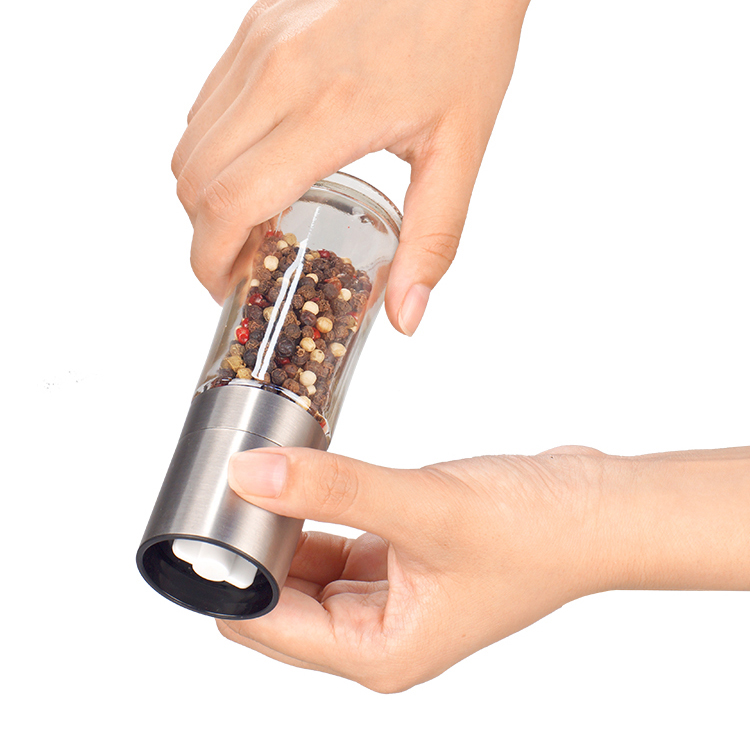
Can you store pepper inside a salt cellar for table use? A standard salt cellar can temporarily hold pepper for table seasoning convenience, provided the container is fully cleaned and dried beforehand. However, storage methods directly impact spice aroma and shelf life; dedicated pepper cellars or spice grinders deliver better long-term preservation. Proper sealing, humidity control and separate storage are key to retaining pepper’s original flavor and quality.
Key Takeaways
- Glass, ceramic and food-grade metal containers perform best for storing loose spices due to their non-reactive properties.
- Rinse and dry spice cellars thoroughly every 2–3 weeks to eliminate residual powder and prevent moisture-induced clumping.
- Separate containers for salt and pepper avoid cross-flavor contamination and preserve each spice’s unique aromatic profile.
How to Put Pepper in Salt and Pepper Cellars
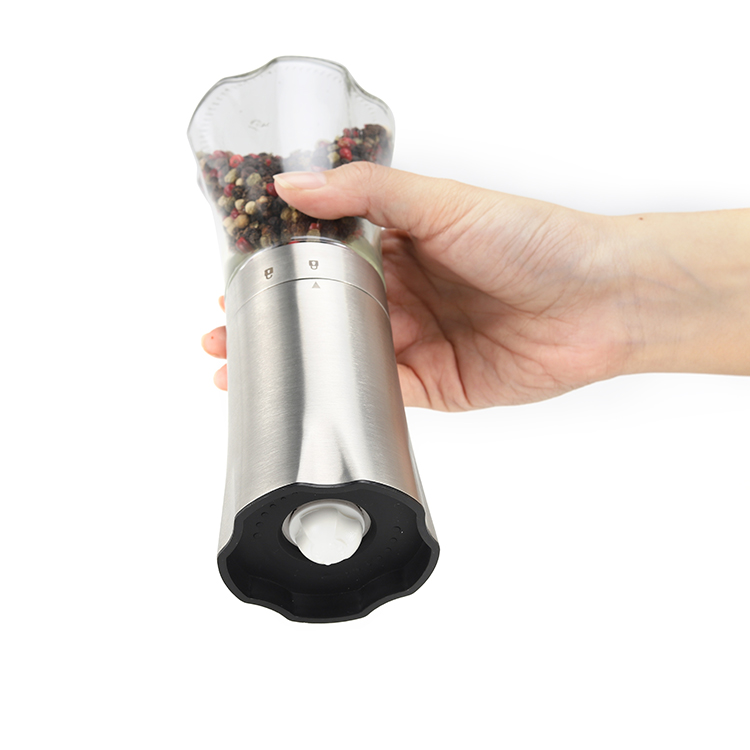
Choosing the Right Salt and Pepper Cellar
Picking the right container keeps pepper fresh and simple to use. Companies make salt and pepper cellars from different materials. Each one has its own good points. The table below lists some common choices:
| Material Type | Description |
|---|---|
| Glass | You can see inside and it looks nice on the table. |
| Ceramic | It is strong and comes in many styles. |
| Metal | Silver and pewter are stylish and often collected. |
| Wood | It looks old-fashioned and fits classic kitchens. |
| Plastic | It is cheap and very useful. |
Glass, ceramic and food-grade metal are non-reactive materials that will not absorb or transfer spice flavors, suitable for holding either salt or ground pepper. When selecting a storage container, prioritize proper capacity, tight sealing lids and easy-to-clean inner surfaces for household and commercial kitchen use.
Cleaning Before You Put Pepper
It is important to keep salt and pepper cellars clean. Before adding pepper, wash the cellar with warm water and gentle soap. Dry it all the way so water does not make the pepper clump. Per general spice storage guidance from culinary professionals, cellars require cleaning every two to three weeks. Cleaning gets rid of old bits and keeps the taste right. This also stops germs and helps the cellar work well.
Tip: Make sure the cellar is totally dry before you add salt or pepper. If it is wet, the spices can stick and lose their taste.
Filling and Using Salt and Pepper Cellars
Use a small funnel or spoon to fill the cellar. Pour whole or ground pepper into the clean, dry container. Some people put peppercorns in and grind them at the table. Chefs say grinding whole peppercorns gives the best smell and taste. Change the grind size for different foods. For salt, try special salts like flor de sal or truffle salt for more flavor.
Salt and pepper cellars help you season food at the table. Use a small spoon or your fingers to take some out. Keep the lid on when not using it to keep out dust and water. Many companies make cellars with tight lids for this reason.
Note: Using one cellar for salt and another for pepper keeps flavors from mixing and helps each spice stay fresh.
Considerations for Pepper in Salt and Pepper Cellars
Flavor Mixing and Freshness
A lot of people keep pepper in salt and pepper cellars. This helps them have both spices nearby. But mixing the two can change how each one tastes. Pepper smells strong, and salt has a sharp taste. If both are in one cellar, their flavors can mix. This makes each spice taste less fresh and special. Chefs say it is better to use two cellars. This keeps the flavors pure and the spices tasting good.
Moisture and Clumping
Moisture can change how salt and pepper act in cellars. Even a little water can make them stick together. This makes it hard to use the spices. Humid weather, like during monsoon season, makes clumping worse. People often see salt and pepper stick together when it is humid.
- Water can make salt and pepper clump in cellars.
- Clumping happens more when the air is humid, like in monsoon season.
- Just a bit of water can make both spices clump and harder to use.
The humidity reference range below follows mainstream spice preservation industry standards to avoid pepper clumping:
| Humidity Level | Recommendation |
|---|---|
| Below 50% | Best for storage and stops clumping |
| Above 60% | Clumping will happen in a few weeks |
Cleaning and Maintenance
Cleaning cellars often keeps salt and pepper safe and fresh. People should wash them every few weeks to get rid of old spices and germs. Make sure the cellar is dry before adding spices. This stops water from making them clump. Many people pick cellars with tight lids to keep out water. Clean cellars help spices taste good and stay easy to use.
Alternatives to Salt and Pepper Cellars
Using Salt and Pepper Grinders
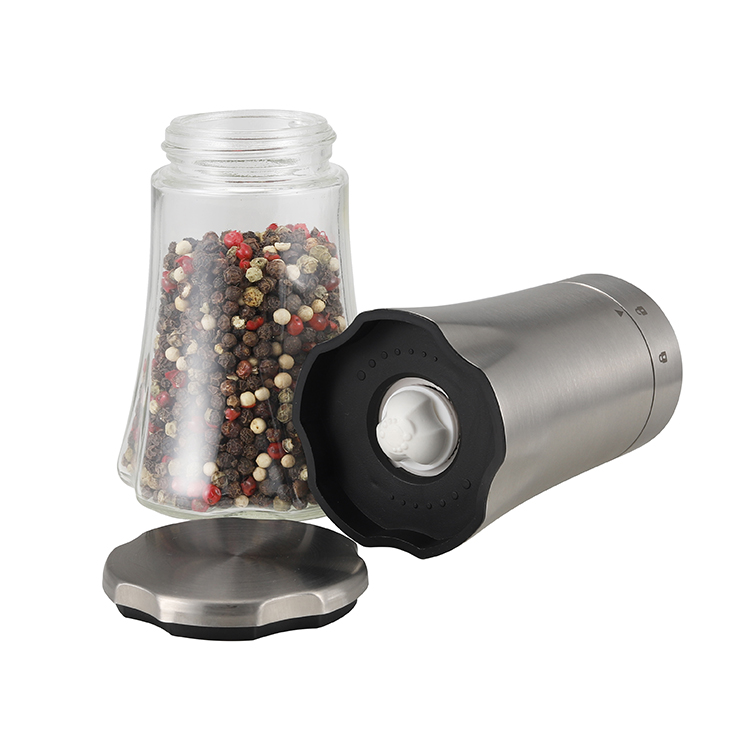
Many culinary practitioners prefer spice grinders over open cellars for peppercorn storage, as sealed grinding units lock in aromatic essential oils. Per industry reference research published in 2024, freshly cracked peppercorns contain higher levels of piperine and aromatic terpenes, the compounds responsible for pepper’s distinct flavor and scent.
Pre-ground pepper gradually loses volatile aromatics; industry reference data indicates noticeable flavor degradation occurs roughly four months after grinding.
Grinders fitted with ceramic burrs offer reliable corrosion resistance and long service life. As one mainstream kitchenware brand, ChefsHere produces salt and pepper grinders adopting ceramic grinding components with the following practical advantages:
| Advantage | Description |
|---|---|
| Durability | Ceramic grinders last a long time and do not break easily. |
| Corrosion Resistance | Ceramic does not rust or react with water or salt. |
| Consistent Grinding Performance | The ceramic part grinds evenly every time and keeps flavor. |
| Ease of Use | The grinder is smooth and easy to use for all cooking jobs. |
Grinders let cooks change spices and pick how fine or coarse they want. They can use different grind sizes for different foods.
Gilded Seashell Salt and Pepper Cellars
Some people pick gilded seashell salt and pepper cellars for their look and use. These cellars are made from old oyster shells and look great on the table. They come with bamboo spoons that make it easy to pinch salt and pepper. Many people like the eco-friendly style. Gilded shell salt cellars make meals feel fancy. People can put salt, pepper, or other spices in these cellars. These cellars are also good for serving sauces and fit well next to a ramekin.
- Aesthetic appeal: The shiny oyster shells make meals special.
- Eco-friendliness: They use recycled shells, which helps the planet.
- Practicality: Bamboo spoons make serving salt and pepper simple.
Airtight Storage for Pepper
Airtight containers keep pepper safe from water and keep it fresh. These containers stop pepper from sticking together and keep its taste. Many cooks use airtight jars or boxes instead of cellars. Pepper stays strong and keeps its smell. Airtight storage works well in wet places. People can keep salt and pepper in different containers so flavors do not mix. This way, spices last longer and are easy to use.
While a salt cellar can temporarily hold pepper, sealed grinders or airtight jars deliver superior long-term freshness and usability. Grinders with adjustable ceramic burrs support customizable grind coarseness for diverse cooking scenarios. Multiple kitchenware brands develop this style of grinder for daily seasoning use.
| Feature | ChefsHere Grinders | Other Brands |
|---|---|---|
| Design | Durable | Varies |
| Burr Type | Quiet Ceramic | Steel or Plastic |
| Grind Settings | Adjustable | Limited Options |
| Noise Level | Quiet | Noisy |
| Trust from Coffee Lovers | High | Varies |
FAQ
Can you store both salt and pepper in the same cellar?
People should not store salt and pepper together. Each spice has a unique flavor. Mixing them can cause flavors to blend and reduce freshness.
How often should you clean a salt or pepper cellar?
Experts recommend cleaning every two to three weeks. Regular cleaning removes old spices and prevents bacteria growth. Always dry the cellar before refilling.
What is the best way to keep pepper fresh?
Airtight containers or grinders keep pepper fresh. These options protect pepper from moisture and air. Freshly ground pepper also keeps its strong aroma and taste.