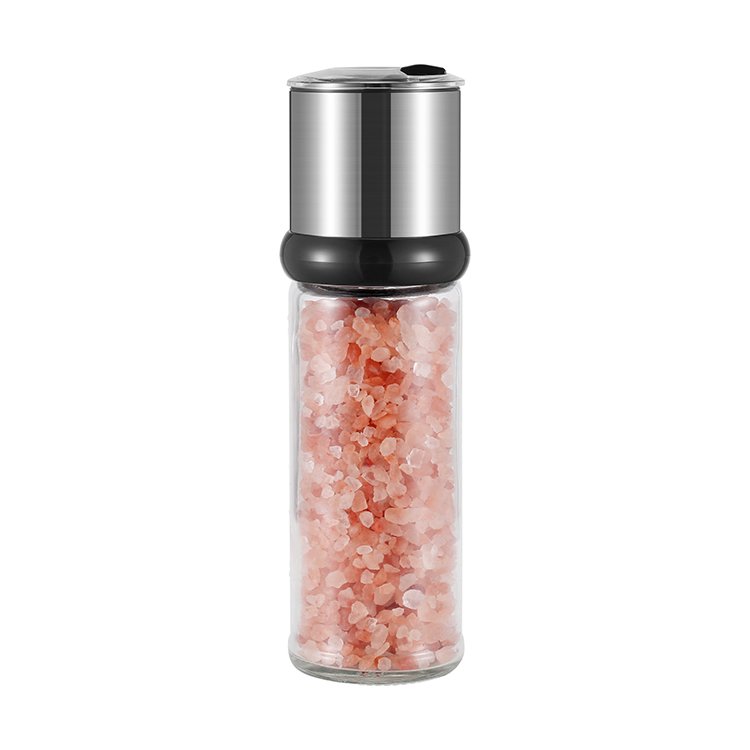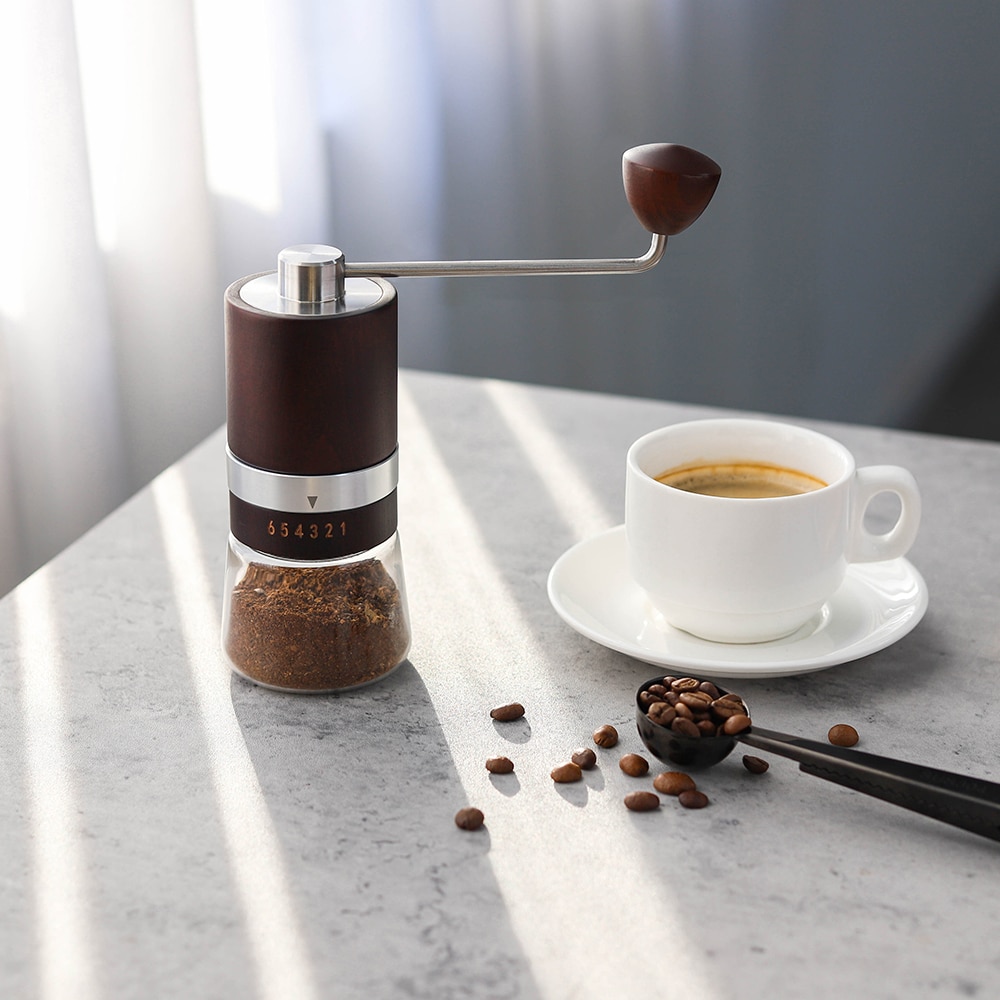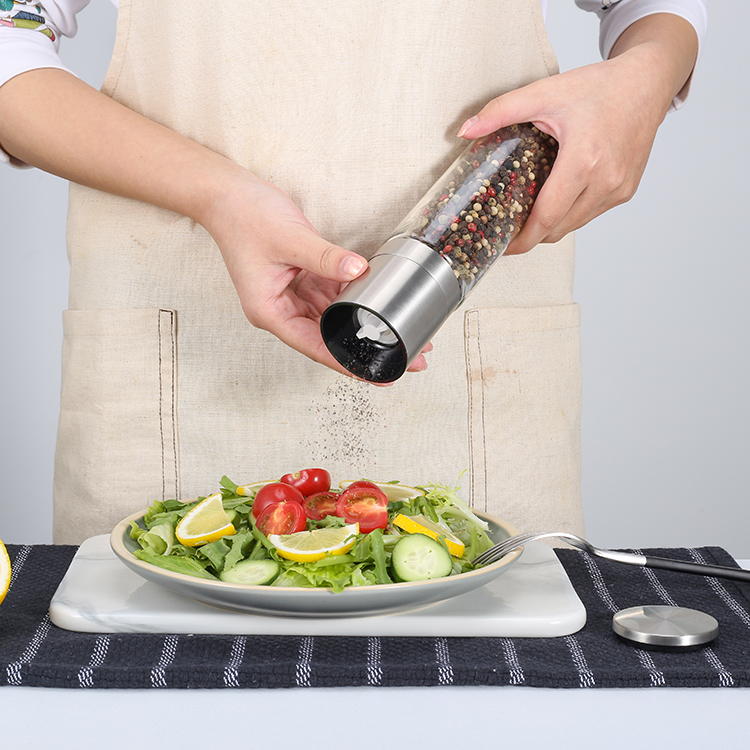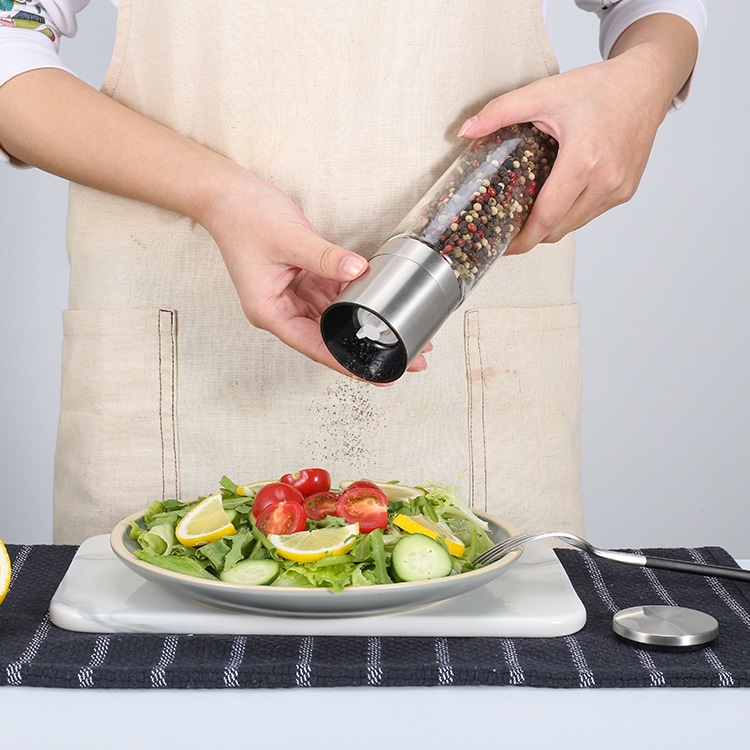
Ceramic is the best material for a salt grinder in your kitchen, especially when choosing an electric salt grinder. Many makers prefer ceramic because it does not rust and stays sharp longer than steel, making it ideal for a ceramic salt grinder. Ceramic grinders preserve the taste of salt, work efficiently, and offer long-lasting durability. The material becomes even more important in electric salt grinders, where you want reliable performance and a strong build. The Chefshere Electric Salt Grinder is a great example of how ceramic can be both smart and high quality. If you’re searching for the best electric salt and pepper grinder, consider your cooking needs and select a grinder that fits your style in the kitchen.
Key Takeaways
Ceramic is the best pick for salt grinders. It does not rust and stays sharp longer than other materials.
Electric salt grinders are easy to use with just one button. They save time and give even grinding every time.
When picking an electric grinder, look for things like adjustable coarseness and built-in LED lights. These make the grinder easier to use and work better.
Cleaning your grinder often and taking care of it helps it last longer. Follow care tips to keep your grinder working well.
The material you pick for your grinder changes how well it works. Ceramic is best for salt, and stainless steel works best for pepper.
Why Choose an Electric Salt Grinder?
Benefits of Electric Grinders
Electric salt and pepper grinder sets are now common in kitchens. They have many benefits compared to manual grinders. People like that you just press a button to use them. You do not need to twist or turn anything. This makes the electric salt grinder simple for everyone to use. It is also good for people who do not have strong hands.
The table below lists the main benefits of electric salt and pepper grinder models compared to manual ones:
Advantage | Description |
|---|---|
Ease of Use | Simple button operation, no twisting needed |
Consistent Grind | Adjustable coarseness settings for regular results |
Time-saving | Quick seasoning, lets cooks focus on other tasks |
Enhanced Flavor | Freshly ground salt and pepper improve taste |
Modern Design | Sleek look fits well in any kitchen |
Durability | Strong materials like ceramic and stainless steel |
Battery Efficiency | Rechargeable options for long-lasting use |
Convenience | One-handed use helps with multitasking |
Electric salt and pepper grinder sets give the same grind size each time. This helps season food evenly and makes it taste better. Many people think these grinders save time and make cooking more fun.
Key Features to Look For
When you pick an electric salt and pepper grinder, look for features that make it work better and easier to use. The Chefshere Electric Salt Grinder is special because of its smart design. It has adjustable coarseness, so you can choose how fine or coarse you want your salt. This helps cooks get the right texture for every meal. You can use fine salt for baking or coarse salt for grilling.
Other good features are built-in LED lights that help you see better and rechargeable batteries that are easy to charge. Many electric salt and pepper grinder models also look nice on your kitchen counter. These features make the electric salt grinder a good choice for today’s kitchens.
Tip: Pick an electric salt and pepper grinder with adjustable coarseness, LED lights, and rechargeable batteries to get the best results in your kitchen.
Best Materials for Salt and Pepper Grinders
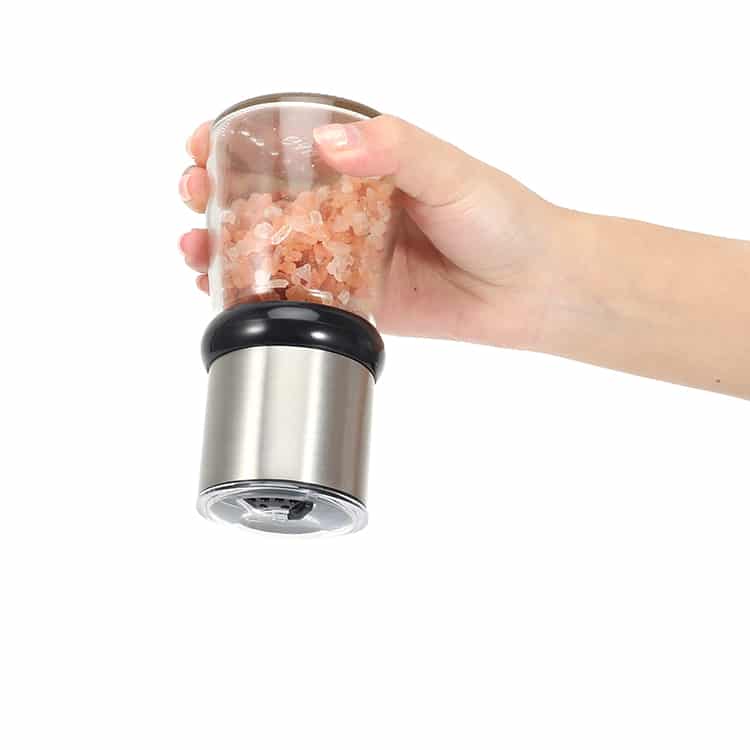
Picking the right material for a salt and pepper grinder is important. It changes how well the grinder works, how long it lasts, and if it is safe. Every material has its own good and bad points. Knowing these differences helps cooks pick the best grinder for their kitchen.
Ceramic Mechanisms
Ceramic is the best choice for grinder parts. It does not rust, even after a long time with salt. Ceramic stays sharp longer than stainless steel. Many chefs like ceramic because it does not break down in wet places. This keeps salt from sticking together and makes grinding smooth.
Note: Ceramic works great in kitchens near the sea or in damp places. It keeps salt fresh and easy to use.
Here is a table that shows how ceramic and stainless steel do in salt grinders:
Material | Corrosion Resistance | Suitability for Salt Grinders |
|---|---|---|
Ceramic | High | Excellent |
Stainless Steel | Low | Poor |
Ceramic lasts a long time. It stays sharp and grinds well for years. Good electric salt and pepper grinders, like Chefshere, use ceramic for these reasons.
This table shows how ceramic does in wet places:
Material Type | Humidity Performance | Corrosion Resistance | Longevity |
|---|---|---|---|
Ceramic | Excellent | Non-corrosive | High |
Metal | Poor | Prone to rusting | Low |
Ceramic works well in wet kitchens.
It stops salt from clumping when it is damp.
Metal can rust and break down in these places.
Stainless Steel Parts
Stainless steel is also used for grinder parts. It is strong and looks modern. Many grinders use stainless steel on the outside or as decoration. Stainless steel is easy to clean and feels solid.
But stainless steel does not fight rust as well as ceramic. Salt can make stainless steel rust if it gets wet and is not dried. Stainless steel needs more care to stay nice. Still, people like stainless steel because it is tough and looks good.
Stainless steel is best for pepper or spices that do not cause rust. Some good electric grinders use stainless steel outside and ceramic inside. This gives you both strength and rust protection.
Plastic and Acrylic Options
Plastic and acrylic are often used in grinders. Acrylic is stronger and does not break as easily as plastic. It is light and simple to use. Acrylic does not rust from salt and pepper, so it is safe for kitchens.
Here is a table that compares acrylic and plastic grinders:
Feature | Acrylic Grinders | Plastic Grinders |
|---|---|---|
Durability | More durable, impact resistant | Generally less durable |
Safety | Resistant to breaking, safer in kitchens | Less safe due to lower impact resistance |
Weight | Lightweight, easy to handle | Varies, generally heavier than acrylic |
Corrosion Resistance | Highly resistant to salt and pepper | Varies, generally less resistant |
Scratching | Prone to scratching | Less prone to scratching |
Aging | Can yellow over time | Generally stable in appearance |
Plastic grinders are not as strong and may not last as long as acrylic. Acrylic can get scratched or turn yellow, but it is still popular because it is safe and light. Both are easy to clean and take care of.
Wood Construction
Wood gives grinders a classic and natural look. Hardwoods have natural properties that fight germs. Many people like how wood feels in their hands. Wood grinders often look old-fashioned and fit well in country kitchens.
Wood does not rust. But it can soak up water if not sealed. This can make the grinder work less well over time. Wood grinders usually have ceramic or stainless steel parts inside to grind well.
People who like style and tradition often pick wood. It goes well with ceramic or stainless steel parts for a strong and nice-looking grinder.
Tip: When picking a salt and pepper grinder, choose one that uses the best materials. Many top electric grinders, like Chefshere, use ceramic or stainless steel for grinding and strong materials for the body.
Material Performance & Durability
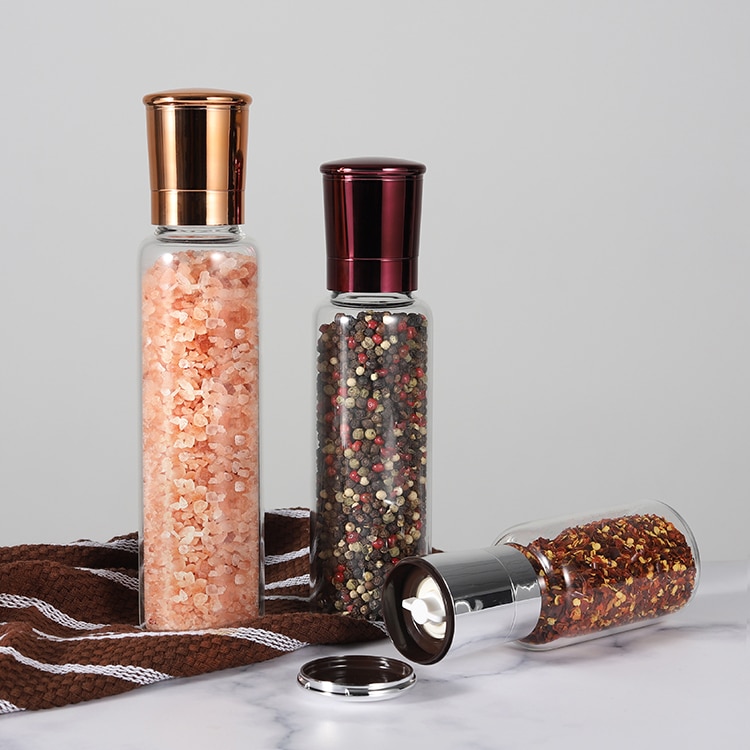
Grinding Consistency
It is important for cooks to get even salt and pepper. The material of the grinder helps make this happen. Ceramic parts are very important in salt mills. They stop rust and help the grinder work smoothly. Carbon steel is best for pepper mills. It crushes hard peppercorns easily. If you use the wrong material, your grinder may not work well. You might get uneven grinding and lose flavor. Some expensive grinders use special materials like white alumina for salt and steel for pepper. These materials make the grinder last longer and work better.
Ceramic keeps salt grains the same size and stops clumps.
Steel grinds tough peppercorns and gives a steady result.
Bad materials wear out fast and give uneven grinds.
Corrosion Resistance
Salt can hurt many kinds of metal. It pulls water from the air and makes a salty liquid. This liquid can make steel parts rust quickly. Ceramic is different because it does not rust, even in wet kitchens. Stainless steel looks nice but needs more care to stop rust. Plastic and acrylic do not rust but may not last as long as ceramic. Many of the best grinders use ceramic for salt. This helps them last longer and work well.
Note: Ceramic grinders are good for wet places and keep salt fresh.
Maintenance Needs
All grinders need cleaning to keep working well. Ceramic parts do not need cleaning as often because they do not rust. Metal parts need more care to stop rust. Plastic and acrylic are simple to clean but can get scratched.
Grinder Type | Corrosion Resistance | Maintenance Frequency |
|---|---|---|
Ceramic | Resistant | Less frequent |
Metal | Susceptible | More frequent |
To clean a grinder, take off the parts that come off. Wash them with warm water and mild soap. Take the grinder apart and wipe inside with a damp cloth. Use a small brush for salt that is stuck. Make sure all parts are dry before putting the grinder back together. Do not use vinegar because it can change the taste of your salt and pepper.
Buying Guide for Electric Salt and Pepper Grinders
Factors to Consider
Picking an electric salt and pepper grinder takes some thought. You should find features that fit your cooking and kitchen style.
Gravity grinders work when you tilt them. They are easy to use and give steady results.
Choose the right grinding part. Ceramic is best for salt. Stainless steel is good for pepper.
Look at the material and design. Stainless steel and glass grinders last long and clean easily.
Adjustable settings help you get the texture you want. Bigger grinders need fewer refills.
Think about how the grinder gets power. Some use batteries. Others can be charged again.
Pick grinders with safety checks and trusted brands. Chefshere Electric Salt Grinder is safe and well known.
Matching Material to Your Needs
People in different places like different grinder materials. In India, many use grinders again to help the planet. Italian cooks pick ceramic and stainless steel for their food traditions. In the United States, strong and stylish grinders are liked. Glass grinders are popular too.
Ceramic is good for salt because it does not rust. Stainless steel is best for pepper. Acrylic grinders are light and safe for daily use. Glass grinders let you see inside and look modern.
Tip: Chefshere Electric Salt Grinder uses ceramic and has a strong body. It is a smart pick for many kitchens.
Care Tips
Taking care of your grinder helps it work well.
Take the grinder apart as the instructions say.
Use a soft brush to clean out leftovers.
Wipe the outside with a wet cloth.
Dry every part before putting it together.
Keep the grinder in a cool, dry spot.
Use good salt and peppercorns.
Change seasonings to stop buildup.
Do not grind wet things.
Check for damage and use food-safe oil on moving parts.
Note: Cleaning often and storing carefully helps ceramic and stainless steel grinders last longer.
Ceramic is the best choice for salt grinders because it does not rust and stays sharp. The material you pick changes how well your grinder works and how long it lasts. People say they like grinders made from stainless steel or ceramic more. The table below shows how strong each material is:
Material | Durability Level |
|---|---|
Stainless Steel | High |
Ceramic | High |
Plastic | Low |
Chefshere Electric Salt Grinder uses good materials and smart ideas. Picking the right grinder can help you cook better and have more fun.