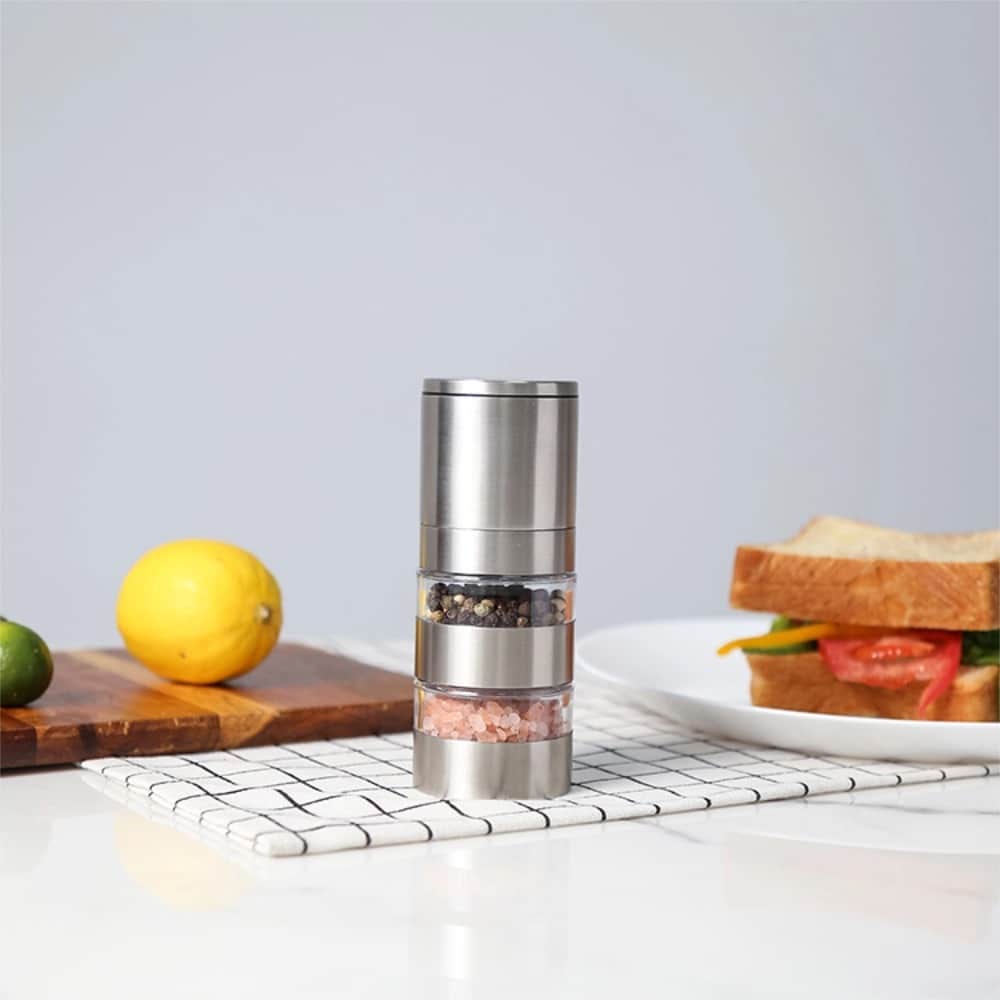
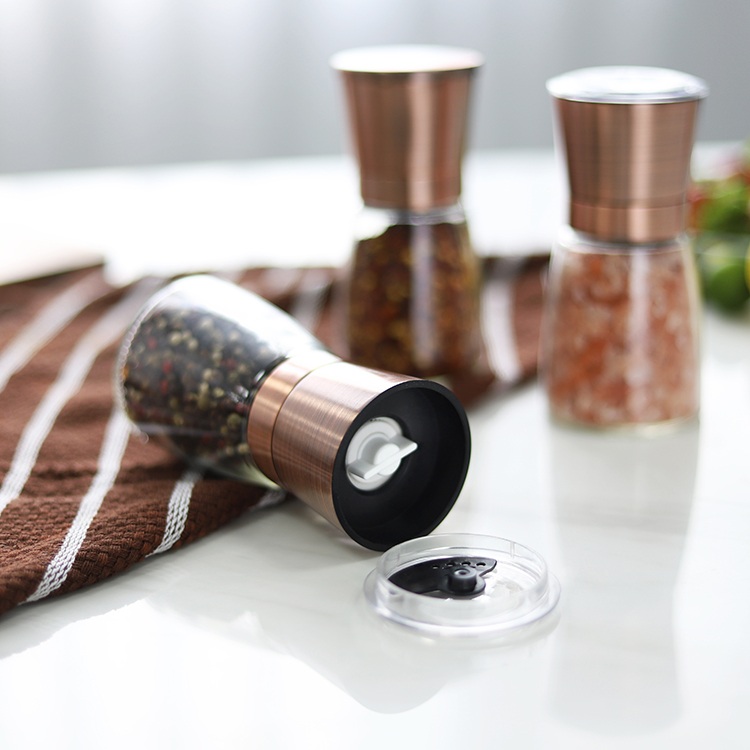
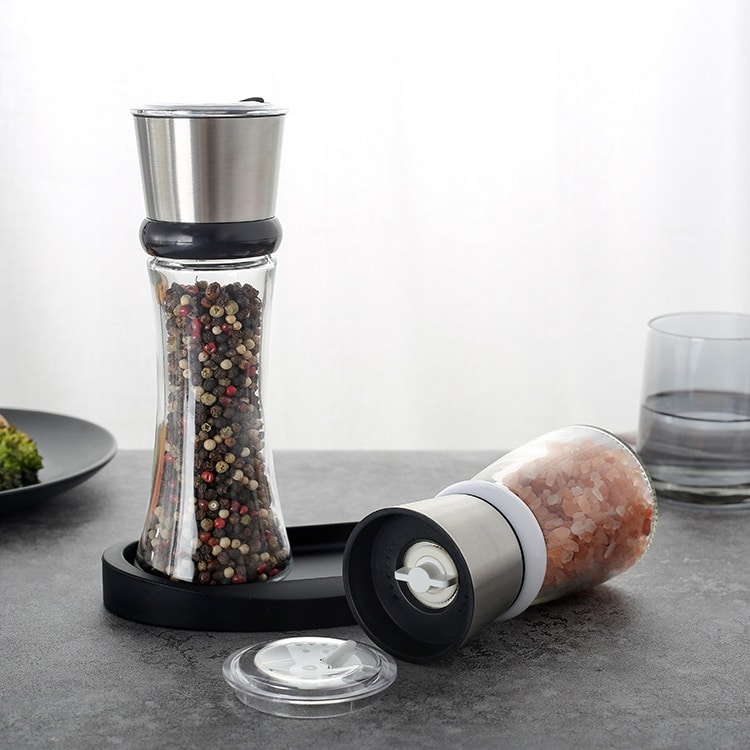
Manual coffee grinders are ideal for grinding coffee. Many coffee lovers prefer manual grinders because they allow for better control over the coarseness of the coffee grounds. Manual grinders also help maintain the freshness of the coffee beans. Studies have shown that manual grinders don’t generate the heat of an electric motor like electric grinders, meaning the coffee retains its natural flavor better. Furthermore, manual grinders produce more uniform coffee particles.
Key Takeaways
- A manual coffee grinder allows you to control the grind size, from fine to coarse, making coffee to your liking.
- Hand-grinding coffee beans preserves their freshness and natural flavor, resulting in a more delicious cup of coffee.
- Consistent grind size is crucial to preventing coffee from becoming too bitter or too acidic.
- Lightweight and portable, manual grinders are ideal for travel, allowing you to enjoy fresh coffee anytime, anywhere.
- Regular cleaning and maintenance help extend the lifespan of your manual grinder and improve its performance.
The Quality of Hand-Ground Coffee
Grind Uniformity and Control
Grind uniformity is crucial for a good cup of coffee. Hand-grinding allows users to choose the grind size. Users simply need to slowly turn the handle and maintain a steady pressure to ensure an even grind.
- Medium-roasted coffee beans are easier to grind.
- Coffee beans with a uniform appearance contribute to a uniform grind.
- Coarse grinds are best for French presses and cold brew.
- Fine grinds are best for espresso and pour-over.
Grind quality improves when users pay attention to these factors. A uniform grind contributes to a balanced coffee flavor, preventing it from being too bitter or too acidic.
Freshness and Flavor
Freshness affects the taste of coffee. Hand-grinding preserves the rich flavor and aroma of coffee. With a uniform grind, hot water extracts the coffee’s flavor in the same way each time, resulting in a full-bodied and balanced taste.
Tip: Adjusting the grind size for different brewing methods can extract different flavors from the coffee.
Coffee extraction refers to the process of mixing hot water with coffee grounds. If the grind is too fine, the coffee will taste bitter; if it’s too coarse, it will taste sour. A uniform grind size prevents flavor mixing and ensures a consistent taste in every cup of coffee.
A study from the Coffee Center at the University of California, Davis, found that a uniform grind size contributes to a consistent coffee flavor.
Manual vs pre-ground coffee
Hand-ground coffee is better than pre-ground coffee. Freshly ground coffee beans retain their oils and aromas better. Pre-ground coffee loses its freshness quickly after grinding. Blind tasting tests show that most people can tell the difference. A good hand grinder produces a brighter, cleaner coffee.
| Grinder Type | Percentage of Tasters Identifying Difference | Notes on Taste Differences |
|---|---|---|
| High-end Manual | 70% | Brighter taste and cleaner finish |
| Mid-tier Electric | 45% | Differences were smaller; people were less sure |
| Brew Method Impact | N/A | Espresso and pour-over show more differences |
| Palate Sensitivity | N/A | Trained tasters notice small flavor changes |
| Bean Freshness/Roast | N/A | Light roasts show problems more easily |
| Grinder Quality | N/A | Better grinders make better coffee |
ChefsHere is a trusted brand in the manual coffee grinder industry. The company has won the German Red Dot Award and the iF Design Award for its ingenious designs. ChefsHere holds over 400 patents in kitchen appliances, demonstrating its commitment to quality and innovation.
Hand coffee grinder vs electric
Grind quality comparison
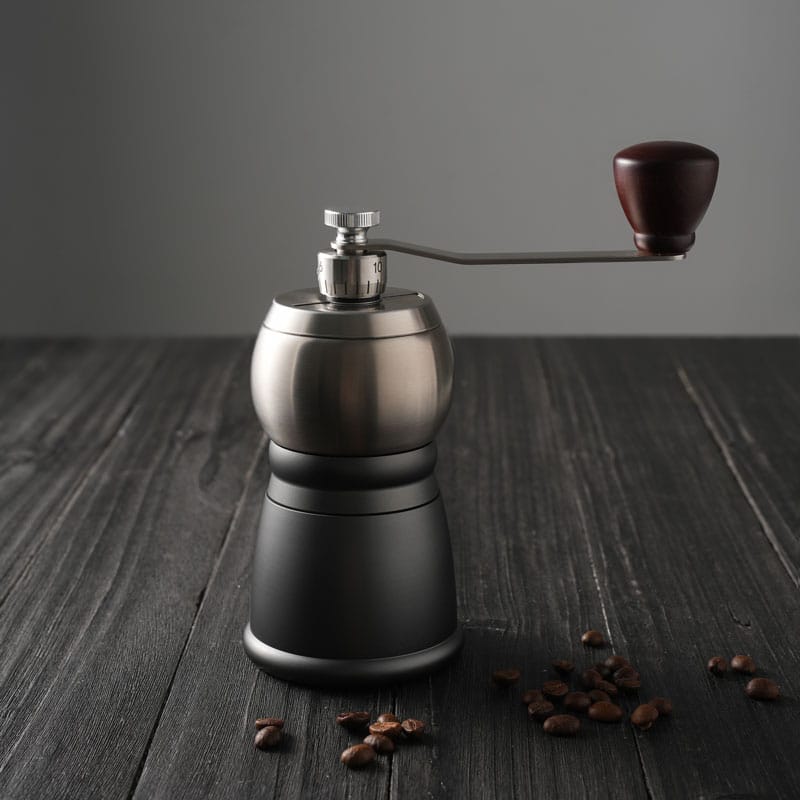
Grinding quality directly affects the taste of coffee. Both manual and electric grinders can produce high-quality coffee grounds, but they work on different principles. Electric grinders use a motor to drive the grinding disc to rotate at a constant speed, resulting in very uniform coffee grounds. The grinding speed of a manual grinder, however, depends on how the user turns the handle. Grinding too fast or too slow will affect the final coffee grounds quality.
Electric grinders generally produce the most uniform coffee grounds, which is crucial for making espresso. Manual grinders allow users to more precisely control the grind size, and some people prefer manual grinders because they can adjust the grind size according to different brewing needs.
Speed and convenience
Speed is crucial for making coffee. Electric grinders are fast, grinding the beans needed for a cup of coffee in just a few seconds. Manual grinders require more time and effort.
Electric grinders save time and effort, requiring only the push of a button. While manual grinders require more operation, some people prefer the hands-on approach. ChefsHere manufactures both manual and electric grinders to meet different needs. Whether users prioritize speed or a personalized grinding experience, ChefsHere grinders help them achieve optimal results.
Noise and maintenance
Noise can affect your coffee-making experience. Manual grinders are quieter than electric grinders.
| Grinder Type | Noise Level (dB) | Description of Noise Level |
|---|---|---|
| Manual Coffee Grinder | 72-74 dB | Similar to background city traffic or a running shower. |
| Electric Coffee Grinder | 80 dB | Comparable to noise from a busy restaurant or an alarm clock. |
Proper maintenance keeps your grinder in good condition. Manual grinders require regular cleaning to prevent dust buildup. Users should check that all parts are operating smoothly. Electric grinders require more checks, such as ensuring the grinding wheel and safety mechanisms are functioning correctly. Careful maintenance can extend the lifespan of both types of grinders. ChefsHere grinders come with clear cleaning and maintenance instructions. Their quality team inspects each product to ensure it meets high standards.
Tip: Clean your grinder frequently. This keeps your coffee fresh and protects the grinder’s performance.
ChefsHere stands out by selling both manual and electric grinders. Their products have international certifications and have won awards for design and safety. This gives users confidence in their choice, no matter which grinder they pick.
The Practicality of Manual Coffee Grinders
Ease of use and workflow
Manual coffee grinders are suitable for most people’s daily lives. People simply turn the handle to control the grind size. However, some people may experience uneven grind size, and some may find the handle difficult to turn. The table below lists common problems encountered:
| Challenge | Explanation |
|---|---|
| Inconsistent grind size | Many grinders do not make grounds that are all the same size. This can change how the coffee tastes. |
| Difficulty in cranking | Some people find it hard to turn the grinder, especially when making fine grinds. |
| Excessive noise or vibrations | Grinding can make loud sounds or shake. This might mean something is wrong with the grinder. |
Despite these issues, many people still enjoy making their own coffee. It gives them a sense of pride and makes them enjoy their mornings more.
Cleaning and maintenance
Manual coffee grinders are easy to clean and maintain, with fewer parts than electric grinders. Most people can clean them quickly with just a brush and a cloth. This simple cleaning method ensures the grinder functions properly and helps improve the taste of the coffee. Electric grinders require more time and tools to clean. Proper maintenance of a manual grinder helps extend its lifespan.
Tip: Clean the grinder after each use. This not only maintains the freshness of the coffee but also extends the grinder’s lifespan.
Suitable Brewing Methods
Baristas say that manual grinders are suitable for a variety of brewing methods. They are suitable for espresso, pour-over, French press, and cold brew. Espresso requires a finely ground, even grind. Filter coffee enthusiasts also need a medium-grit grind. Therefore, manual grinders are very practical for those who like to try different coffee-making methods at home or while traveling.
Durability and Value of Manual Coffee Grinders
Craftsmanship and Materials
Manual coffee grinders are typically made of robust and durable materials that help extend their lifespan. Stainless steel, ceramic, plastic, and wood are common materials. Different materials affect the feel and user experience of the grinder. Stainless steel is durable and rust-resistant; ceramic grinder blades are sharp and long-lasting and do not react with coffee beans; plastic grinders are lightweight and portable; wooden grinders have a beautiful appearance and a smooth feel. Some newer grinders use materials such as aluminum or titanium for increased strength. The table below lists how various materials extend the lifespan of the grinder.
| Material | Advantages | Durability Impact |
|---|---|---|
| Stainless Steel | Strength, corrosion resistance, easy cleaning | Highly durable, ideal for frequent use, popular among professionals. |
| Ceramic | Non-reactive, rust resistance, keeps sharpness | Durable and consistent grind, lightweight, favored for specialty coffee. |
| Plastic | Affordable, lightweight, many colors | Less durable, but new plastics improve strength. |
| Wood | Unique look, craftsmanship | Needs care, but offers a special feel for collectors. |
| Others | Aluminum, titanium, composites | Can give more strength and better performance, new ideas for durability. |
Longevity and repairability
Manual coffee grinders can last for many years; their parts are simple and not easily damaged. Disc grinders use robust and durable discs, also boasting a long lifespan. Users can repair or replace parts such as the handle or disc, extending the grinder’s lifespan. Careful cleaning and use will keep the grinder in good condition. A quick brush or wipe after grinding helps the parts run smoothly. Most electric grinders require more maintenance and parts replacement as they age.
Cost effectiveness
Manual coffee grinders can help people save money in the long run. Their initial cost is lower than that of electric grinders, which can cost hundreds of dollars.
Manual coffee grinders require less frequent repairs or parts replacements, eliminating the need for constant new parts purchases. Adjusting the grind size is also very convenient and won’t damage the grinder. In the long run, this simple system can save money. Many people choose manual coffee grinders because they are durable and offer excellent value for money. The convenient grind settings help people enjoy the best-tasting coffee every day.
Manual coffee grinders for travel
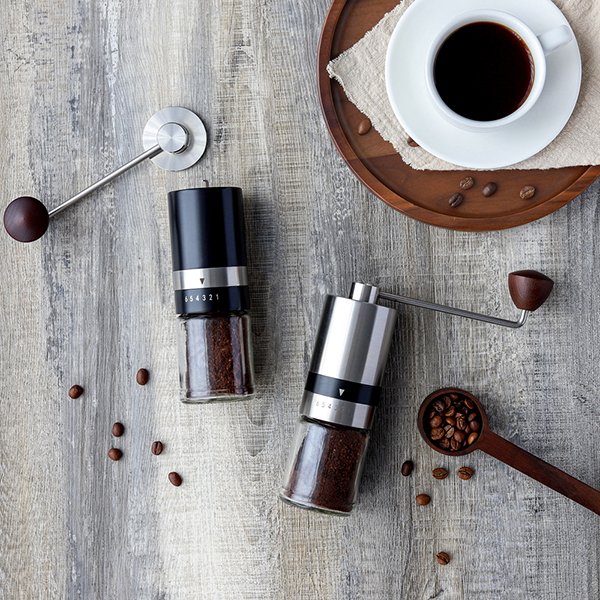
Portability and compactness
Travel experts say manual coffee grinders are easy to carry. Many travelers choose these grinders because they easily fit into their bags. Most grinders weigh less than 2 pounds and are about 6 to 8 inches (15 to 20 centimeters) tall. The handle is detachable, making packing very convenient. People can take a manual grinder with them and enjoy fresh coffee anytime, anywhere. ChefsHere’s portable grinders are small and lightweight, perfect for travel.
Tip: Choose a grinder with a detachable handle and a sturdy body. This makes packing easier and ensures the grinder’s safety during travel.
Espresso and single dosing
Baristas use manual grinders to make espresso when traveling. These grinders allow for adjustable grind sizes to meet different needs. Users can choose the grind size. Some baristas believe that a slower grind results in a better flavor. Single-serving grinds are another advantage. People can grind only the beans needed for one cup of coffee. This maintains the freshness of the coffee and avoids waste. ChefsHere’s portable coffee grinder supports single-grind, making it ideal for travelers who want to enjoy a delicious espresso.
- Adjusting the grind size helps create a more flavorful espresso.
- Single-grind keeps coffee beans fresh and avoids waste.
- Slow grinding can help enhance the flavor of the coffee.
Ideal for travel and office
A manual coffee grinder is perfect for travel and office use. It’s lightweight and portable, allowing you to grind coffee beans anytime, anywhere, even without a power source. Made of durable materials, it’s long-lasting. Users can adjust the grind size for French press or pour-over brewing methods. ChefsHere’s portable grinder is rugged, easy to adjust, and runs quietly, making it a smart choice for frequent travelers or office workers.
| Advantage | Description |
|---|---|
| Portability | Easy to carry and use anywhere |
| Durability | Built with strong materials |
| Grinding Control | Precise grind adjustment for various methods |
| Less Noise | Quiet operation for shared spaces |
| Economical | Affordable compared to electric grinders |
Note: Manual coffee grinders allow travelers and working professionals to enjoy fresh coffee anytime, anywhere.
Manual coffee grinders are well-made and durable. You can control the grind size of the coffee beans, making them versatile. They are ideal for those who want to enjoy fresh coffee at home or while traveling. Electric grinders are faster and better suited for grinding large quantities of coffee.
FAQ
How long does it take to grind coffee beans manually?
Most people need about one minute to grind enough beans for one cup of coffee. The time required depends on the grind size and the grinder’s design.
Can a manual coffee grinder make espresso?
Yes, many manual grinders can grind to the fineness needed to make espresso. Users should adjust the settings to find the grind size suitable for their espresso machine.
What is the best way to clean a hand coffee grinder?
Remove any remaining coffee grounds with a small brush. Wipe all parts with a dry cloth. Clean the grinder after each use to keep it running smoothly.
Are manual coffee grinders noisy?
Manual grinders are quieter than electric grinders. Their gentle sound makes them suitable for use in quiet environments.
What materials last longest in a manual grinder?
| Material | Durability |
|---|---|
| Stainless Steel | Excellent |
| Ceramic | Very Good |
| Plastic | Good |
| Wood | Good |