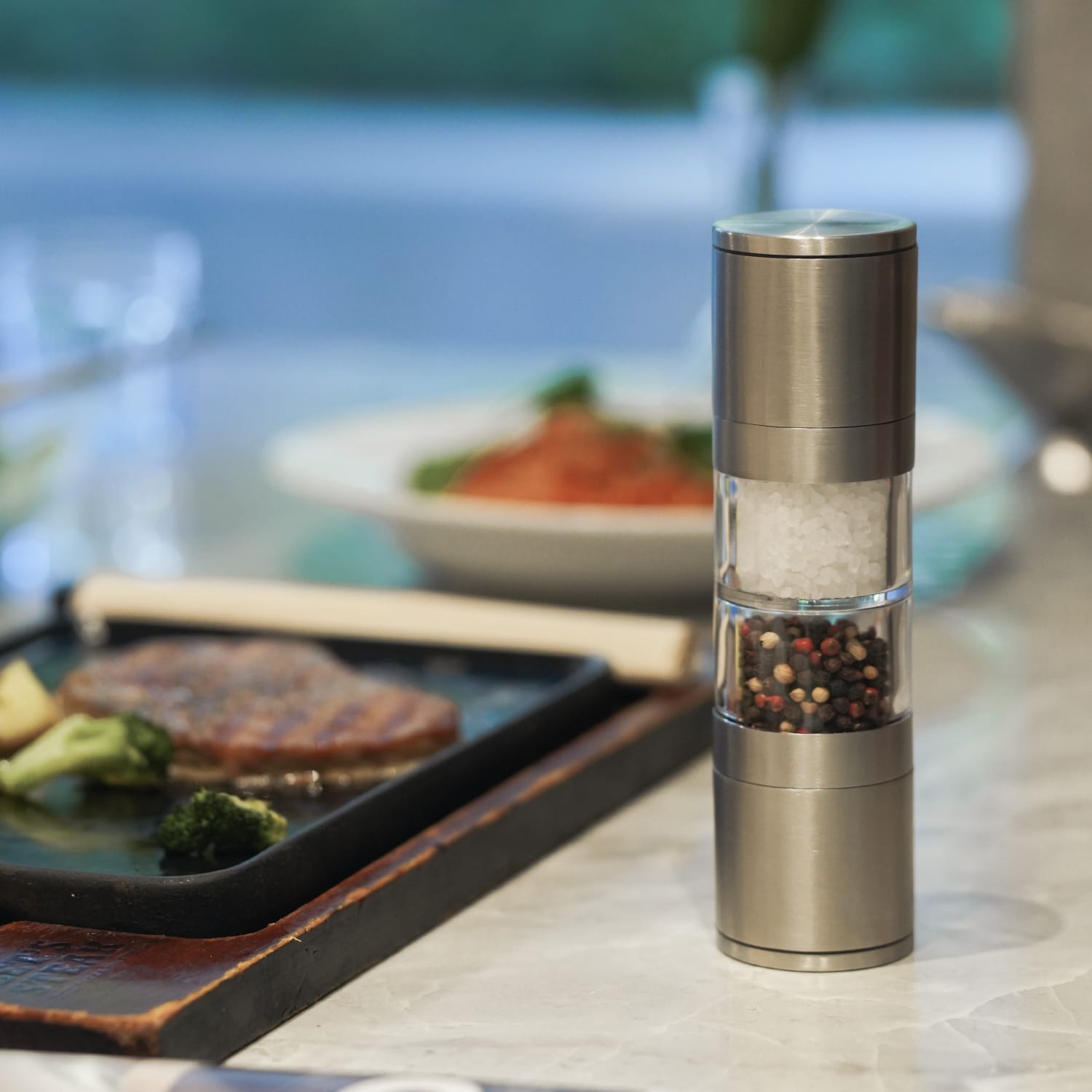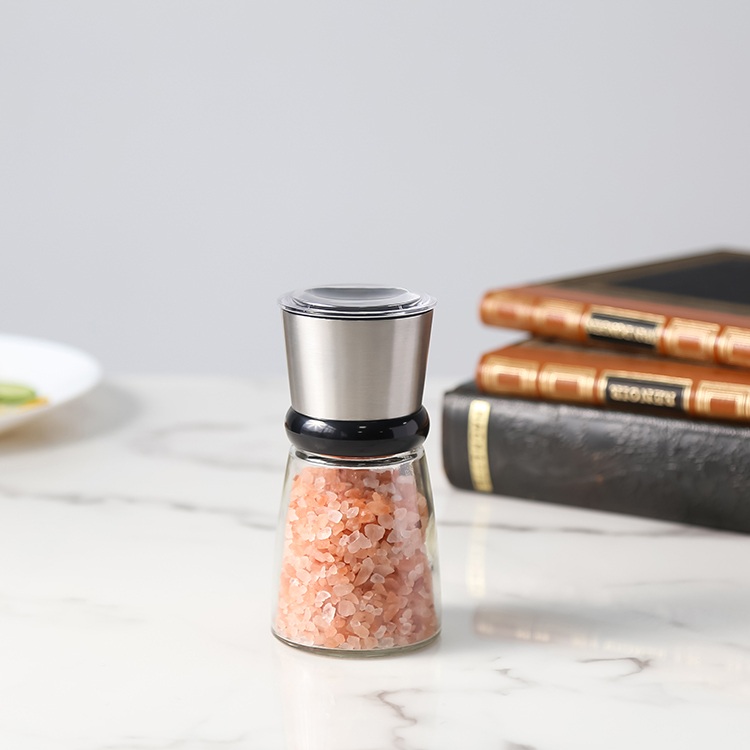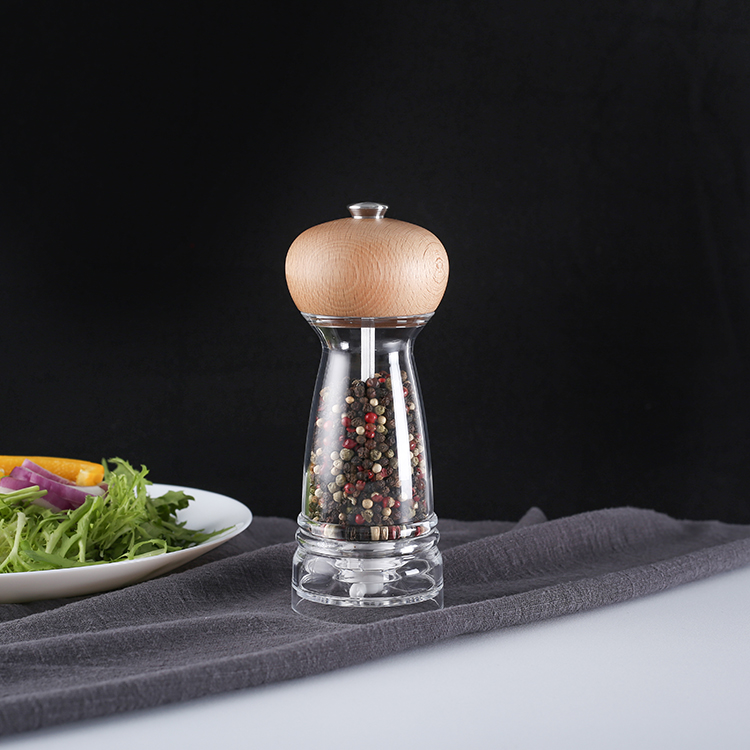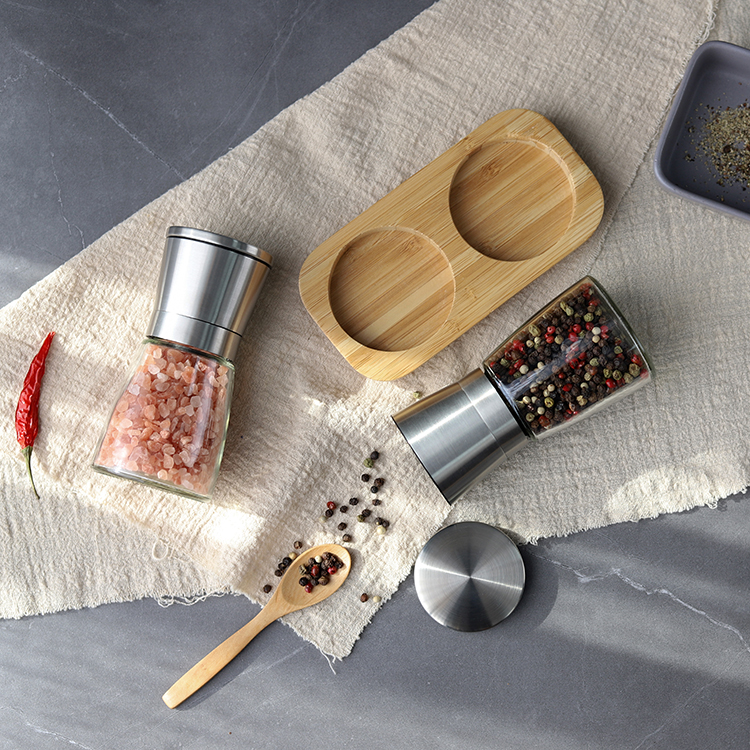
Ceramic and steel grinders each have their advantages when grinding spices. Many chefs choose ceramic or steel grinders because of their superior quality and durability. The type of spice is also an important factor to consider when choosing a grinder. Some people prefer ceramic or steel grinders because they better preserve the flavor of spices and don’t rust. Others prefer steel grinders because they are sharp and durable. ChefsHere’s tips for choosing a ceramic or steel grinder can help people select the most suitable grinder for their kitchen.
Key Takeaways
- Ceramic grinders are best suited for grinding moist and salty spices. They don’t rust and retain the original flavor of spices.
- Steel grinders are excellent for grinding hard, dry spices like pepper. They are sharp and grind quickly, but are prone to rusting.
- Choose a grinder that meets your spice needs. Consider its lifespan, flavor retention, and cleaning methods.
- Regular cleaning of the grinder can extend its lifespan. Ceramic grinders require hand washing and thorough drying.
- Purchasing a high-quality grinder can save you money in the long run. Ceramic grinders have a longer lifespan and require less maintenance.
Ceramic grinding discs vs. steel grinding discs: Key differences
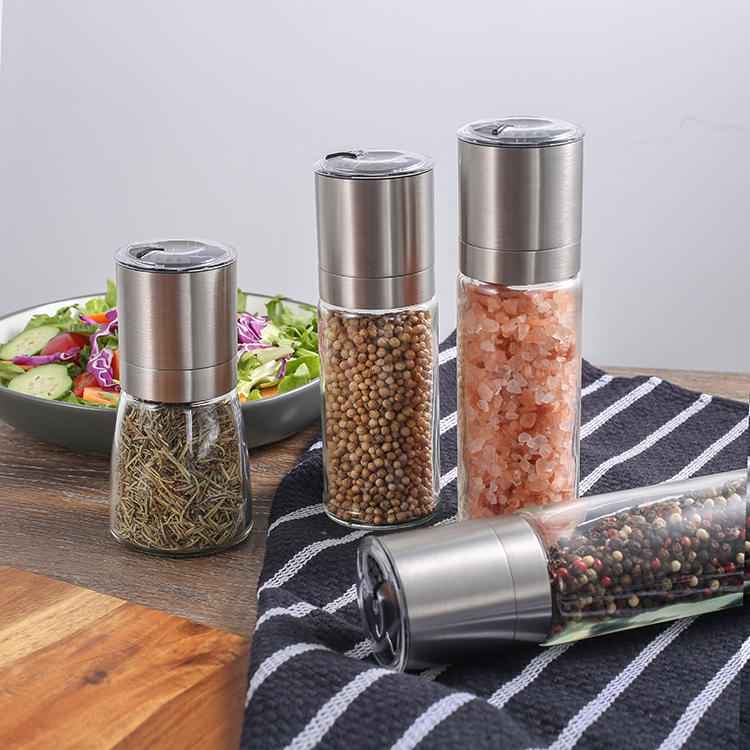
Material Properties
The material of a grinder affects its performance. Ceramic grinders are made of a very hard material, almost as hard as diamond. Ceramic grinders are durable and remain strong even with daily use. Stainless steel grinders are also strong, but their blades may wear out faster. The table below compares these materials:
| Material | Hardness (Mohs Scale) | Durability Summary |
|---|---|---|
| Ceramic | Close to diamond | Best for long-term use, multi-year durability |
| Stainless Steel | Lower than ceramic | Durable but wears faster, edges may dull over time |
Ceramic grinders don’t rust, making them ideal for grinding salt and other spices that are prone to rusting. Steel grinders may not last as long as ceramic grinders for grinding salt, but they are still suitable for many other spices. Food safety is also important. Ceramic grinders generally have fewer regulations for use, while steel grinders require stricter regulations.
How Grinders Work
The way a grinder works determines how it processes spices and also affects their flavor. Steel grinders use hard metal blades to quickly grind harder spices. Steel grinders are durable and generally cheaper, but may generate more heat, which can alter the flavor of spices. Ceramic grinders have sharp, durable blades and generate less heat, which helps preserve the original flavor of spices. The table below lists these differences:
| Feature | Steel Grinders | Ceramic Grinders |
|---|---|---|
| Durability | Tough and durable, can handle heavy use | Durable, stays sharp longer |
| Heat Generation | Generates more heat, affecting flavor | Generates less heat, preserving flavor |
| Cost | Generally more affordable | Typically more expensive |
| Maintenance | Wears out faster, needs sharpening/replacement | Lasts longer, less frequent replacement needed |
Ceramic grinders are suitable for grinding softer spices and salt. Steel grinders are best suited for grinding harder spices and offer faster grinding speeds. Both types of grinders have their advantages. The choice depends on the type of spice and your specific needs.
Performance of Spice Grinders
Stable Grinding Results
Spice grinders need to maintain consistent grinding results each time. Chefs want spices ground evenly to ensure the texture and flavor of their dishes. Ceramic grinders are more strenuous to use because their grinding discs are not as sharp as steel discs, leading to uneven grinding, especially when grinding by hand. Steel grinder discs are sharper, allowing for even and rapid grinding of spices. However, steel discs wear out faster, and their grinding efficiency decreases over time.
The material of the grinder affects its grinding performance. Ceramic discs are more prone to damage and are therefore rarely used in electric grinders. Steel discs are common in electric grinders; they offer good grinding results and evenly grind dry spices. ChefsHere manufactures grinders with both ceramic and steel discs, making them a perfect fit.
Tips: For best grinding results, choose a grinder with sharp blades and sturdy components. Clean and maintain your grinder regularly to keep it in good working order.
Processing Different Spices
A spice grinder must be able to handle a variety of spices. Some spices are hard, such as peppercorns; others are more moist, such as salt. Ceramic grinders, made of zirconium oxide, are resistant to wear and rust, grind hard spices well, and their blades remain sharp for a long time. Ceramic grinders are also suitable for processing moist spices, as they do not rust and do not react with salty spices. Therefore, they are ideal for grinding salty and mineral-containing spices.
Steel grinders, made of stainless steel, are sturdy and durable, and grind hard spices well, especially dry peppercorns and harder spices. However, steel grinders may rust if exposed to moisture or salt, making them less suitable for grinding moist or oily spices. Chefs generally consider steel grinders best for grinding dry spices.
- Ceramic grinders do not rust and are ideal for grinding moist or salty spices.
- Steel grinders require more maintenance and are best suited for grinding dry spices.
- Ceramic grinders outperform steel grinders in humid environments because they are more durable and easier to maintain.
The effectiveness of a grinder in grinding different spices depends on its material and design. ChefsHere manufactures a variety of spice grinders to help you achieve ideal grinding results every time in the kitchen.
Grinding Grinder Durability
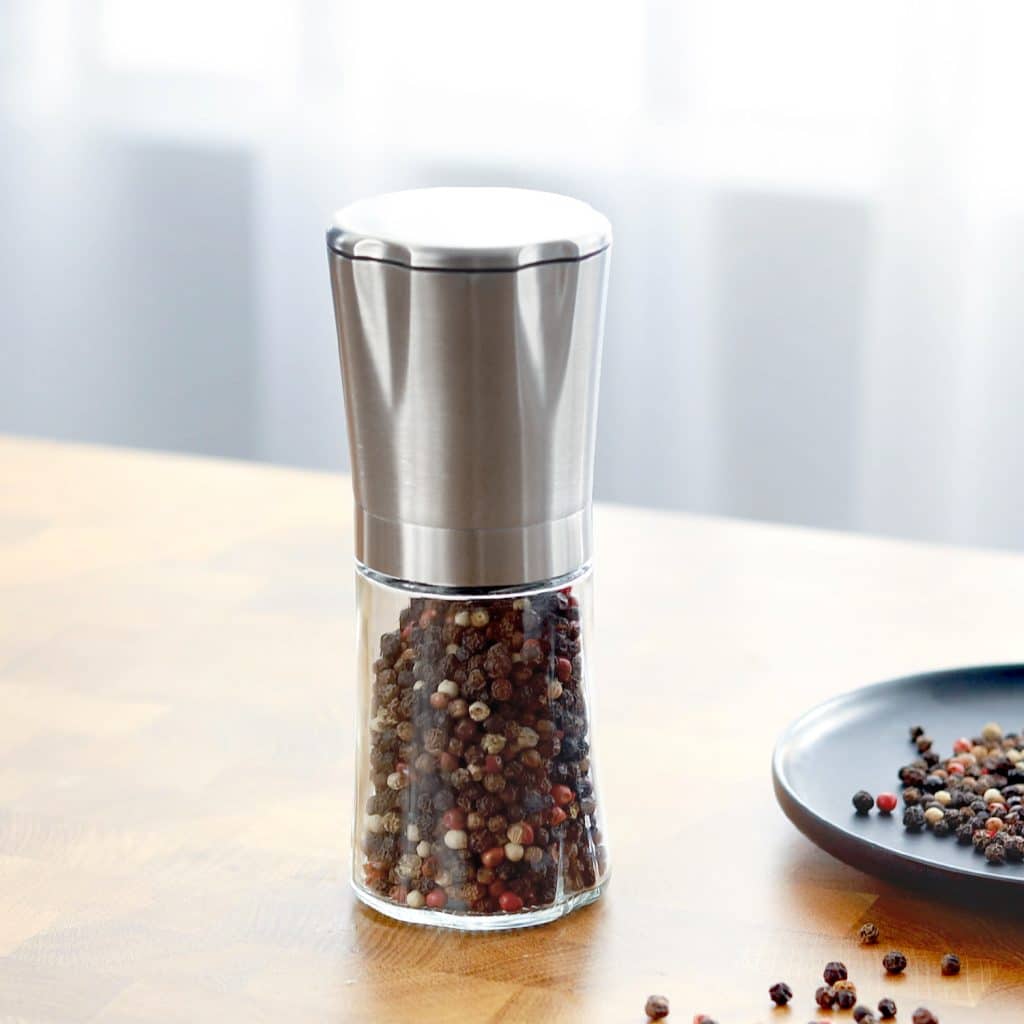
Wear Resistance and Corrosion Resistance
The lifespan of a grinding machine is crucial. Ceramic grinding machines are durable and resistant to wear and rust. Scientists use various testing methods to verify the strength of grinding machines. The Taber abrasion test measures the amount of material loss as a rubber sheet moves across a rough surface. The pin-disc abrasion test involves sliding a ceramic pin across a rotating disk and observing the amount of wear. The scratch test uses a hard tip to observe when cracks appear on the surface. The ball-disc test places a ball on a ceramic disk and measures the depth of the scratch. These tests help experts determine which grinding machines have a longer lifespan.
| Test Method | Description |
|---|---|
| Taber Abrasion Technique | Checks how much material is lost by moving a rubber piece on a rough sheet. Lower numbers mean better wear resistance. |
| Pin-On-Disk Wear Test | Slides a ceramic pin on a spinning disk to see how much is worn away under set conditions. |
| Scratch Test Method | Uses a hard tip to copy wear like cutting and grooving, and measures when the surface cracks. |
| Ball-On-Disk Method | Slides a round ball on a ceramic disk to see how deep the scratch is. |
Ceramic grinding discs won’t rust when grinding salt or acidic spices. Metal grinding discs, such as carbon steel discs, are more prone to rusting if they get wet or come into contact with salt. This means ceramic grinders can remain sturdy and durable in a busy kitchen.
- Ceramic grinding discs won’t rust when grinding salty or acidic spices, resulting in a longer lifespan.
- Steel grinding discs are more prone to rusting, especially when grinding damp or salty spices.
Lifespan of a Household Grinding Disc
For frequent grinder users, the lifespan of a grinding disc is crucial. Ceramic grinding discs are hard and durable and won’t rust, so they can last for many years. Steel grinding discs are sturdy and durable and grind well, but require more maintenance to stay in good condition. Ceramic grinders need careful cleaning to prevent jamming or wear. Using a suitable coolant helps improve the grinder’s efficiency. Regularly cleaning the grinder can prevent problems and extend its lifespan.
| Type of Grinder | Pros | Cons |
|---|---|---|
| Ceramic | 1. Does not rust | |
| 2. Very hard | ||
| 3. Keeps flavor | 1. Can break | |
| 2. Costs more | ||
| Steel | 1. Strong | |
| 2. Tough | ||
| 3. Works evenly | 1. Can rust | |
| 2. Needs more care |
The lifespan of a grinder is affected by several factors. Ceramic grinding discs heat up more easily than metal discs, which can alter the flavor and texture of spices. Therefore, ceramic grinders are less suitable for grinding harder spices like nutmeg or cloves. For long-term grinding, steel grinding discs are more effective and safer. Both types of grinders work well, but their lifespan depends on maintenance and the types of spices you use.
Tip: Choose a grinder that suits your most frequently used spice types and grinding frequency. Cleaning and maintaining your grinder helps extend its lifespan and improve its performance.
Grinder Maintenance and Cleaning
Ease of Cleaning
Cleaning your grinder helps maintain the freshness of spices and prevents the flavors of old spices from mixing. Ceramic grinders require careful handling. User feedback suggests that these grinders should not be washed in a dishwasher. Hand washing protects the ceramic parts, keeping them sturdy and durable. After cleaning, air drying is crucial. A damp environment can cause mold growth if the ceramic grinder is not completely dry. It is recommended that all parts air dry for at least 24 hours.
Steel grinders are easier to clean. Many users soak the metal parts in alcohol and coarse salt, then shake the container to loosen spice particles stuck to the grinder surface. Carefully scrub the edges with a toothbrush to remove any remaining spice. Finally, rinse with hot water and dry with a paper towel. This method keeps the grinder clean and ready to grind new spices at any time.
Tip: Clean your grinder regularly to avoid flavor residue and ensure smooth operation.
Risk of Rust and Staining
Ceramic grinders are less prone to rust and staining. They do not react with salt or water, thus remaining clean for longer. Steel grinders are prone to rusting if exposed to damp environments or spices with high salt content. After cleaning, steel parts must be dried as soon as possible. Staining may occur if the grinder contains strongly flavored spices for an extended period. Cleaning blade grinders with rice can remove grease and prevent staining. Grinding rice absorbs residual spice oils, leaving only a thin layer of rice flour. Wipe with a damp paper towel to keep the grinder clean.
| Grinder Type | Rust Risk | Staining Risk | Cleaning Method |
|---|---|---|---|
| Ceramic | Low | Low | Hand wash, air dry |
| Steel | High | Medium | Alcohol soak, quick dry |
Regular cleaning and drying are beneficial for both ceramic and steel grinders. These steps help keep the grinder readily available and extend its lifespan.
Grinder Price and Value
Cost Comparison
People typically consider price before purchasing a grinder. Ceramic grinders generally have a higher initial price than steel grinders. This higher price stems from their special materials and manufacturing process. Steel grinders have a lower initial purchase price. Many people choose steel grinders because they want to save money immediately.
However, price is not the only consideration. The value of a grinder also depends on its effectiveness in grinding spices and its lifespan. Ceramic grinders maintain their sharpness for a long time and are less prone to wear. Steel grinders may lose their sharpness more quickly, affecting grinding performance.
A longer warranty period signifies the company’s confidence in the grinder’s durability, giving buyers peace of mind.
Long-Term Value
For frequent spice users, the long-term value of a grinder is crucial. Ceramic grinders have lower maintenance costs; they are wear-resistant, corrosion-resistant, and heat-resistant, meaning users don’t need to spend as much time on repairs or replacements. Steel grinders, on the other hand, may require more maintenance and even parts replacement, leading to increased long-term costs and reduced kitchen efficiency.
- Ceramic grinders require less maintenance.
- They have a longer lifespan and require fewer replacements.
- While steel grinders have a lower initial cost, they may require more maintenance and parts replacement.
Ceramic grinders generally perform better and have a longer lifespan. They grind spices evenly without altering their flavor. While steel grinders can function, their performance may decline if the blades dull. Consumers seeking the best performance and value should consider both price and the grinder’s lifespan.
Tip: Choosing a grinder with a long warranty and low maintenance costs can save money and improve kitchen efficiency.
Best Uses for Various Grinders
Spice Recommendations
ChefsHere sells salt and pepper grinders, as well as small coffee grinders. These tools come in both ceramic and steel parts. The best grinder depends on the type of spice and how it will be used. Ceramic grinders are suitable for grinding salt and soft spices. They won’t rust and help maintain the freshness of the spices. Steel grinders are sturdy and durable, making them ideal for grinding hard spices and nuts. They can quickly and evenly grind tough spices. Many chefs choose steel grinders to grind pepper, cumin, and mustard seeds. Home users typically use ceramic grinders to grind salt and moist spices.
The table below lists the best grinders for each spice type:
| Spice Type | Hardness | Oil Content | Best Grinder Type |
|---|---|---|---|
| Pepper | Hard | Low | Steel grinder |
| Cumin | Hard | Low | Steel grinder |
| Mustard Seeds | Hard | Low | Steel grinder |
| Star Anise | Soft | High | Ceramic grinder |
| Cinnamon | Soft | High | Ceramic grinder |
| Chili | Soft | High | Ceramic grinder |
Ceramic grinders are best suited for grinding salt, star anise, cinnamon, and chili peppers. Steel grinders are best for grinding pepper, cumin, and mustard seeds. Many kitchens use grinders to grind spices and nuts. ChefsHere grinders allow you to grind your own spices and nuts, preserving their fresh flavor.
Tip: Grinding spices yourself with a grinder yields fresher spices and a better taste.
User Preferences
People choose grinders based on their needs. Some want a grinder that is durable. Others prioritize preserving the pure flavor of spices or ensuring safe use. ChefsHere grinders meet all these needs.
The table below shows user preferences for different grinder types:
| User Preference | Ceramic Grinders | Steel Grinders |
|---|---|---|
| Durability | Very durable, can last many years | Not as durable, may wear out sooner |
| Flavor Purity | Does not change spice flavor | Can give a metal taste to spices |
| Safety | Good for people who cannot have metal | Metal bits might get in food |
| Ergonomics | Easy to use designs are available | Some are easy to use, some are not |
| Sustainability | Lasts long, makes less waste | May not last as long, can make more waste |
Professional chefs prefer steel grinders because they are sharp and durable. The steel parts can cut spices like a knife, making them ideal for grinding pepper and harder spices. Home cooks prefer ceramic grinders because they are suitable for a variety of spices and won’t rust.
ChefsHere’s grinders and coffee grinders are made of high-quality materials to suit different uses. These tools allow you to choose the right grinder for each spice.
Note: The best grinder for grinding salt and pepper depends on the types of spices you use and your personal preference. Spice and nut grinders allow you to control the flavor and freshness of your spices.
Comparative studies show that ceramic grinders are suitable for a variety of spices and help maintain their pure flavor. Steel grinders are excellent for grinding pepper, providing precise results. However, steel grinders may rust when grinding salt. ChefsHere grinders have special features that allow you to adjust the grind size, and they also have a dust-proof design. When choosing a grinder, think about which spices you like best. Also consider how often you will use it. Comfort is also important. The best grinder depends on your needs and kitchen style.
FAQ
Why are ceramic grinders better for grinding salt?
Ceramic grinders are rust-resistant and do not easily corrode. Salt will not damage the ceramic parts, so the grinder can maintain its working condition for a long time. Many chefs choose ceramic grinders to grind salt to preserve the pure flavor of spices.
Can steel grinders grind all types of spices?
Steel grinders are best suited for grinding hard, dry spices such as peppercorns and cumin. Steel grinders may rust if used to grind damp or salty spices. Users should dry steel grinders as soon as possible after cleaning.
How often should I clean my spice grinder?
Most experts recommend cleaning the grinder every few weeks. Frequent cleaning prevents spices from absorbing flavors and keeps the grinder running smoothly.
Do ceramic and steel grinders affect the taste of spices?
Ceramic grinders do not react with spices, thus preserving their pure flavor. Steel grinders, if rusted or worn, may have a slightly metallic taste.