Stainless steel is usually one of the best choices for olive oil storage, especially when combined with a well-designed kitchen oil dispenser that helps control airflow and pouring. It effectively keeps out light and air, which can cause olive oil to spoil. Glass bottles are also widely used around the world, making up about 33% of the market and gaining popularity. By using the right container for olive oil storage, you can ensure that it maintains its flavor and lasts longer.
Key Takeaways
- Stainless steel containers can block light and air, keeping olive oil fresh for longer.
- Glass containers, especially dark glass, can also be effective. They allow you to see the oil but do not protect as well from light.
- Choose airtight containers to prevent air exposure. This helps maintain the flavor and quality of the olive oil.
- Store olive oil in a cool, dark place. Ideal temperatures are between 61°F and 64°F to keep the oil fresh.
- Both glass and stainless steel can be recycled. They are environmentally friendly options for olive oil storage.
Glass vs Stainless Steel: Olive Oil Storage
Main Differences
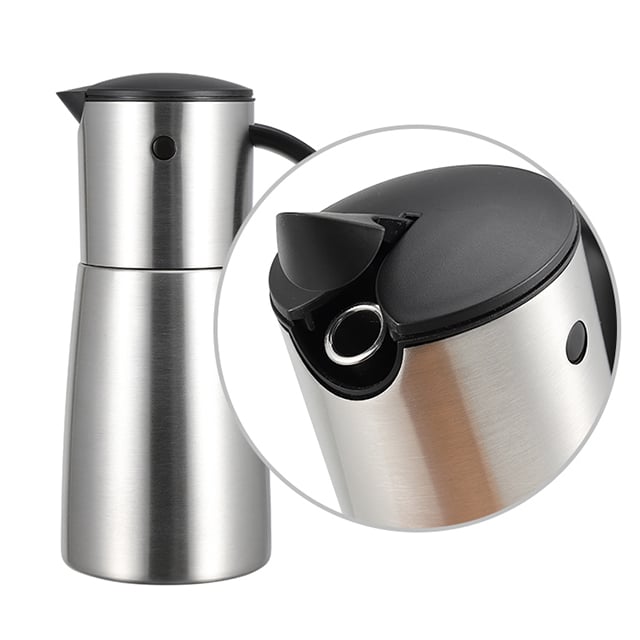
When you look at glass and stainless steel for storing olive oil, you notice some big differences. Stainless steel containers block light completely, helping olive oil stay fresh for a longer time. Glass containers, especially clear ones, let light through. This can make the oil spoil faster. Dark glass protects better than clear glass. But it still does not block as much light as stainless steel.
The table below shows the main benefits of stainless steel containers:
| Advantage | Description |
|---|---|
| Non-Reactive Properties | Stainless steel does not react with olive oil, preserving its quality. |
| Protection Against Light | Shields oil from harmful light, ensuring freshness. |
| Air-Tight Sealing | Prevents air from spoiling the oil, maintaining flavor and aroma. |
Stainless steel containers help keep the oil’s flavor and smell. Glass containers look nice and let you see the oil inside. Many kitchens also prefer using a glass olive oil dispenser because it preserves flavor and prevents chemical reactions. But they do not protect as well from light and air. Studies show that dark glass and coated metal containers are best for stopping olive oil from going bad. These materials help keep the oil safe and keep its nutrients.
Here is a table showing how different materials protect olive oil over time:
| Material | Protection Level | Flavor Retention (12 months) |
|---|---|---|
| Dark Glass | Moderate | 85-90% |
| Coated Metal | High | 80-85% |
| Clear Glass | Low | 50-60% |
| Plastic | Very Low | 40-45% |
Stainless steel containers provide excellent protection from light and heat. This makes them a great choice for storing olive oil for a long time.
Pros and Cons
Both glass and stainless steel have good and bad points for storing olive oil.
Tip: Pick a container that keeps out light and air. This will help olive oil stay fresh longer.
Glass Containers
| Pros | Cons |
|---|---|
| Glass does not react with olive oil, so the taste stays the same. | Glass can break easily because it is fragile. |
| It keeps out oxygen, which helps keep the oil fresh. | It is heavier than plastic, so it is harder to carry. |
| Glass can be recycled and used again, so it is good for the environment. | Glass containers usually cost more than other types. |
| Glass also provides a strong barrier against oxygen, helping slow down oxidation. | Clear glass lets light in, which can make the oil spoil faster. |
Stainless Steel Containers
| Pros | Cons |
|---|---|
| Food-grade stainless steel keeps the oil pure and safe. | The first cost may be higher than plastic. |
| It is clean and easy to wash, so you spend less time cleaning. | It is heavier than plastic, so it is harder to move. |
| Stainless steel lasts a long time and can be used again. | There are fewer designs than glass or plastic. |
| The surface does not react, so oil stays tasty. | It can cost more at first than other materials. |
Stainless steel containers are strong and protect olive oil from light and air. They are simple to clean and do not change the oil. But they can be heavy and cost more than other choices.
Key Olive Oil Storage Factors
Light Protection
Light can make olive oil go bad fast. Both stainless steel and dark glass containers help protect olive oil from light exposure. Clear glass lets light in, which is not good. Studies say dark glass and stainless steel keep oil fresh longer.
| Container Type | Light Blocking | Acidity Increase (after 9 months) | Cost Effectiveness |
|---|---|---|---|
| Dark Glass | Excellent | 0.38% | Affordable |
| Stainless Steel | Strong | N/A | More Expensive |
| Plastic | Poor | 0.44% | N/A |
Note: The container must block light to keep olive oil good. Dark glass and stainless steel work better than plastic.
Air Exposure
Air can make olive oil taste bad. Glass and stainless steel containers can keep air out if they close tight.
| Storage Factor | Recommended Practice |
|---|---|
| Container Material | Use dark glass or stainless steel |
| Air Contact | Ensure airtight seals |
Tip: Pick containers with tight lids so air cannot get in.
Temperature Stability
Olive oil stays good in cool places. Stainless steel containers also help reduce temperature fluctuations during storage. Glass bottles also work if you keep them away from heat.
| Storage Type | Recommended Temperature Range | Benefits of Container Type |
|---|---|---|
| Olive Oil | 13–25°C (57–77°F) | Keeps oil fresh; stops it from going bad or hard |
| Extra Virgin Olive Oil | 12–18°C (54–64°F) | Keeps taste, smell, and nutrients |
| Stainless Steel | N/A | Stops temperature changes and keeps oil safe |
Chemical Safety
Glass does not change olive oil. Stainless steel with a coating also keeps oil safe. Uncoated metal can change the oil’s taste.
- Glass is safe and does not react with olive oil.
- Coated stainless steel blocks light and air.
Flavor Preservation
Flavor matters when storing olive oil. Glass containers, like borosilicate glass, keep more flavor than stainless steel.
| Property | Borosilicate Glass | Food-Grade Stainless Steel (18/8) |
|---|---|---|
| Aromatic compound retention (72h, 36°F) | 92–96% retention | 74–81% retention |
- Borosilicate glass keeps more flavor in the oil.
- Stainless steel can lose some flavor if not coated.
Picking the right container helps olive oil stay fresh, safe, and tasty.
Factors to consider when storing olive oil
Ease of Use
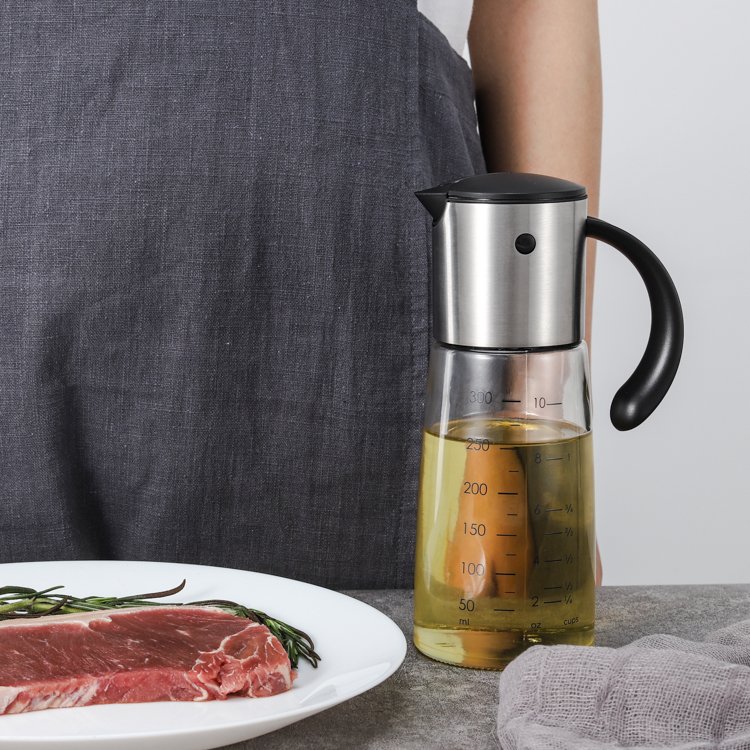
People like containers that are easy to use. Glass and stainless steel have different features for storing olive oil. Many glass bottles have marks to help you pour the right amount. Stainless steel dispensers often have big openings, so refilling is simple. Some containers have sprayers or special tops. These are good for grilling or spraying salads.
The table below shows how easy each type is to use:
| Feature | Glass Containers | Stainless Steel Containers |
|---|---|---|
| Protection | Keeps oil safe from light, air, and water | Gives great protection from light, water, and air |
| Reactivity | Does not react, keeps flavors safe | Strong and safe, does not react with oil |
| Durability | Breaks easily if dropped | Does not rust or break easily |
| Eco-friendliness | Can be used again and recycled | Can be used again, good for the environment |
| Visibility | You can see the oil inside | You cannot see inside, but it stores oil well |
| Size Variety | Comes in many sizes, small to large | Good for big amounts, helps cut down on waste |
Some people like glass because they can see how much oil is left. Others like stainless steel because it is strong and easy to clean.
Durability
Durability is important in busy kitchens. Glass looks nice but can break if you drop it. Stainless steel does not dent or rust. It lasts a long time and is good for lots of use. People who want something strong often pick stainless steel. This is true for big families or restaurants.
Tip: Stainless steel is great for outdoor cooking or busy kitchens because it does not break.
Aesthetics and Space
How your kitchen looks can change what container you pick. Glass bottles show the oil’s color and look fancy on the counter. But glass can cost more and break easily. Stainless steel looks modern and matches other kitchen items. It makes the kitchen look neat and comes in shiny or dull styles.
- Stainless steel makes your kitchen look put together.
- Glass looks fancy but needs careful use.
- Both types can fit in small or big spaces.
Think about your kitchen style, how much space you have, and how often you use olive oil. Picking the best container helps keep olive oil safe and makes your kitchen look nice.
Recommendations for Olive Oil Storage
When to Choose Glass
Glass containers are good for many places. They work well in homes where people use olive oil a lot. Restaurants and cafes like glass because you can see the oil inside. This means you do not have to refill it as often. Oil makers use glass to store oil safely and show their brand. Gift shops pick glass for pretty packaging, especially for gifts.
Glass containers allow users to easily monitor the remaining oil level.
The table below lists the best glass containers for olive oil:
| Container Type | Protection Level | Best Use Case |
|---|---|---|
| Dark Glass | Excellent | Daily home use |
| Clear Glass | Poor | Not recommended |
Studies say olive oil in glass has less acid and peroxide than oil in plastic. This means glass helps the oil stay fresh longer.
When to Choose Stainless Steel
Stainless steel keeps olive oil safe from light and heat. It stops air from getting in better than glass or plastic. This helps keep the oil’s taste. Some stainless steel containers have special gas that pushes out air and keeps oil good.
- Stainless steel is best for storing lots of oil.
- It is good for kitchens that want oil to last longer.
- Chefs and big families like stainless steel because it is strong.
Best Practices
To keep olive oil fresh, follow these steps:
- Put olive oil in a cool, dark spot, away from heat.
- Use containers that close tight so air cannot get in.
- For daily use, many people transfer olive oil into a dedicated oil and vinegar dispenser bottle, which makes pouring easier and reduces air exposure.
| Storage Factor | Recommended Practice |
|---|---|
| Temperature | 61°F–64°F (16°C–18°C) |
| Light Exposure | Avoid all exposure to light |
| Container Material | Use dark glass or stainless steel |
| Air Contact | Ensure airtight seals |
If you follow these tips, your olive oil will stay fresh and taste good.
Many experts recommend stainless steel containers for long-term olive oil storage. It keeps out light and heat, so oil stays fresh longer. Dark glass is also good. It does not react with oil and can be recycled. Here are some reasons to use these materials:
- Both stop oxygen and keep nutrients safe.
- Stainless steel is very strong and lasts long.
- Glass lets you see how much oil is left.
How you store olive oil is important. Studies show cool places and tight lids help oil stay fresh for up to 18 months. The right container keeps flavor and quality high.
| Storage Factor | Impact on Quality | Best Solution |
|---|---|---|
| Container Material | Changes how stable oil is | Dark glass or stainless steel |
| Environmental Protection | Stops oil from going bad | Blocks light, keeps air out |
| Temperature Control | Keeps oil fresh | Cool, steady place |
Pick the best container and follow good steps. This makes sure your olive oil tastes great every time.
FAQ
How long does olive oil last in glass or stainless steel containers?
Olive oil stays fresh for 12 to 18 months in both glass and stainless steel containers. Stainless steel often keeps oil fresh longer because it blocks light and air better.
Can you store olive oil in the refrigerator?
Storing olive oil in the refrigerator makes it cloudy and thick. The oil returns to normal at room temperature. Most people keep olive oil in a cool, dark cabinet.
Does the color of the glass bottle matter?
Yes. Dark glass bottles protect olive oil from light. Clear glass lets in more light, which can spoil the oil faster. Dark green or amber glass works best.
What is the best way to pour olive oil without making a mess?
Use a dispenser with a spout or a sprayer. Choose bottles with measurement marks for better control. Wipe the spout after each use to keep it clean.