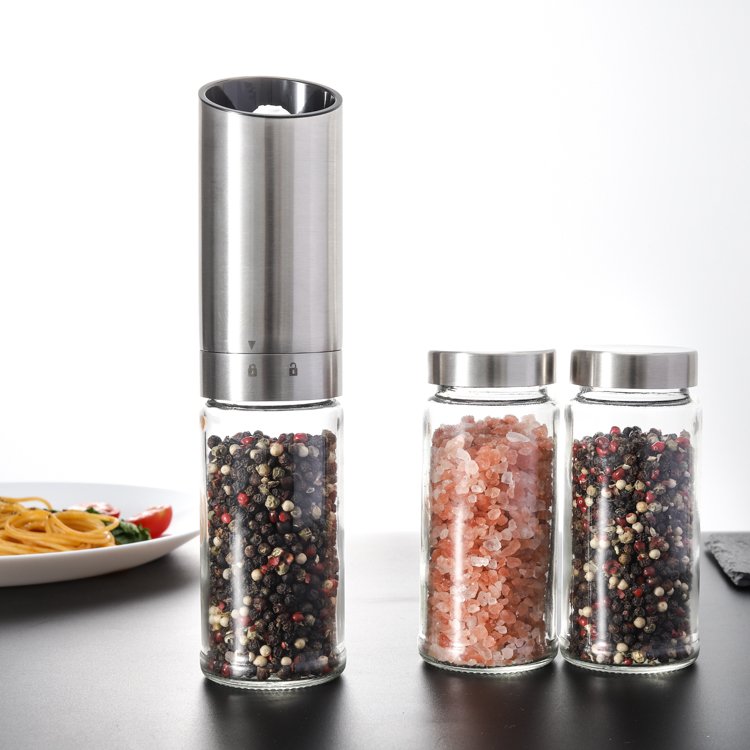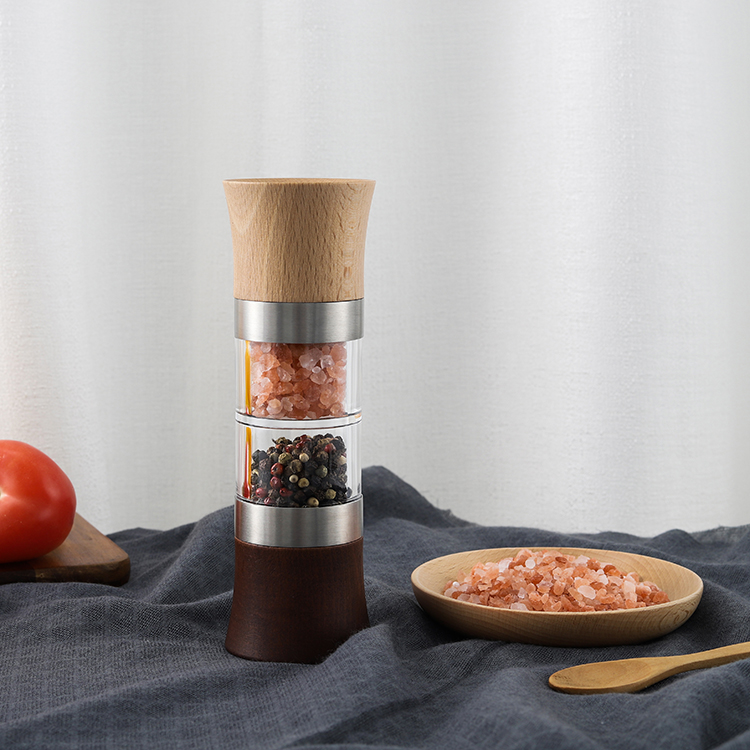
Generally speaking, coarse-grained Himalayan pink salt performs well in most standard salt grinders. Its naturally low moisture and uniform coarse particle size enable smooth grinding and deliver clean, mild seasoning flavor. ChefsHere manufactures grinder models specially optimized for coarse Himalayan salt to retain original salt flavor after grinding.
Key Takeaways
- Coarse Himalayan salt’s large particle size reduces the risk of jamming inside grinders and supports consistent grinding results, per common spice processing industry reference data.
- Grinders fitted with ceramic or food-grade stainless steel burrs are the most compatible options; these two materials feature strong corrosion resistance to protect salt’s natural flavor.
- Regular grinder cleaning plus airtight salt storage can effectively avoid salt clumping and extend both salt and grinder service life.
Why Himalayan salt works in grinders
Grain size and texture
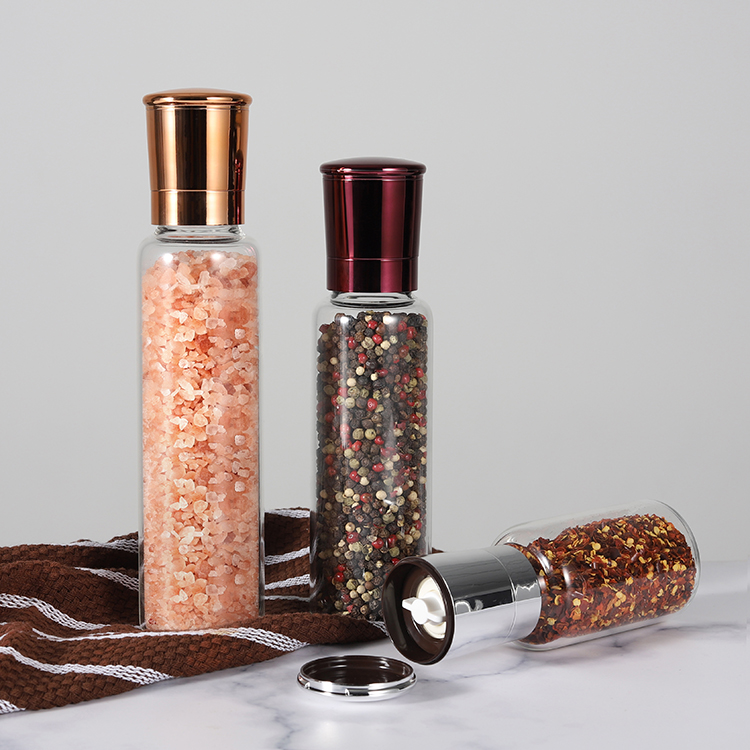
Most commercially available Himalayan pink salt is sold in coarse crystalline form, making it highly compatible with dedicated coarse spice grinders. In contrast, refined table salt features ultra-fine particles that often leak through grinder gaps or produce inconsistent grinding results. Coarse sea salt shares similar particle characteristics with Himalayan salt for grinder use. See the comparison table below for details:
| Salt Type | Grain Size | Grinder Compatibility |
|---|---|---|
| Himalayan Salt | Coarse | Compatible with coarse salt grinders |
| Sea Salt | Coarse | Similar compatibility with coarse grinders |
| Table Salt | Fine | Not suitable for coarse salt grinders |
Thanks to its natural crystalline structure, coarse Himalayan salt rarely clumps during grinding and flows steadily through grinding mechanisms. Many professional cooks favor this salt for precise portion control while cooking. Compared with refined table salt, natural Himalayan salt contains a broader spectrum of trace minerals and fits various home and commercial cooking recipes.
Hardness and minerals
Himalayan pink salt forms over geological timescales within ancient rock formations and absorbs trace mineral elements including calcium, potassium and magnesium from surrounding rock, which creates its characteristic pink hue. Its firm crystalline hardness prevents excessive powdering during grinding and delivers uniform finished grain size.
Nutrient content differences between Himalayan salt and refined table salt are listed in the table below:
| Mineral | Pink Himalayan Salt | Table Salt |
|---|---|---|
| Calcium (mg) | 1.6 | 0.4 |
| Potassium (mg) | 2.8 | 0.9 |
| Magnesium (mg) | 1.06 | 0.0139 |
| Iron (mg) | 0.0369 | 0.0101 |
| Sodium (mg) | 368 | 381 |
Many laboratory analyses indicate Himalayan salt contains dozens of naturally occurring trace minerals in tiny concentrations; these trace substances subtly alter flavor and crystalline structure to support stable grinding performance.
Low moisture content
Naturally harvested Himalayan salt features inherently low inherent moisture content, a core advantage for grinder application. High-humidity salt easily agglomerates and causes grinder blockages, while properly stored Himalayan salt remains free-flowing for consistent grinding and less internal residue buildup, lowering regular cleaning difficulty for home and professional users.
Tip: Keep Himalayan salt stored in cool, dry ambient conditions to maintain low moisture and avoid grinder clogging.
Issues with Himalayan salt in grinders
Grinder wear and tear
Grinders face wear and tear when used with salt. Ceramic grinders handle this challenge well. They do not rust or corrode, even if the salt is damp. Metal grinders can develop rust and may add unwanted flavors to food. Ceramic burrs stay sharp for many years. Some users report that their ceramic grinders work well after a decade with little maintenance. The main problem for most grinders comes from corrosion, especially when using salt. This can cause the grinder to stop working.
- Ceramic grinders resist rust and corrosion.
- Metal grinders may fail if exposed to salt for long periods.
- Long-lasting ceramic burrs help keep grinding smooth.
Clogging risks
Salt can sometimes clog a grinder. Himalayan salt usually stays dry, but it can absorb water from the air. When salt gets wet, it may stick together and block the grinder. Fine table salt can also cause blockages. Moisture is the main reason for clumping. If salt becomes damp, it helps to let it air dry for a day or two before using it. Storing grinders in a dry place helps prevent these problems. Airtight containers protect salt from humidity and keep it free-flowing.
- Salt absorbs moisture from the air.
- Wet salt can jam the grinder.
- Dry storage keeps salt and grinders working well.
Tip: Always use coarse salt crystals in your grinder. Fine salt may damage the mechanism.
Corrosion potential
Salt can cause corrosion in some grinder parts. Humidity increases this risk. Metal parts may rust, which can affect both the grinder and the salt’s taste. Ceramic and stainless steel grinders resist corrosion better than other materials. Keeping the grinder dry and clean helps prevent rust. Using only dry salt also protects the grinder from damage.
- Humidity can cause salt to clump and corrode metal parts.
- Ceramic and stainless steel grinders last longer with salt.
- Regular cleaning keeps the grinder in good shape.
Best grinders for Himalayan salt
Manual vs. electric grinders
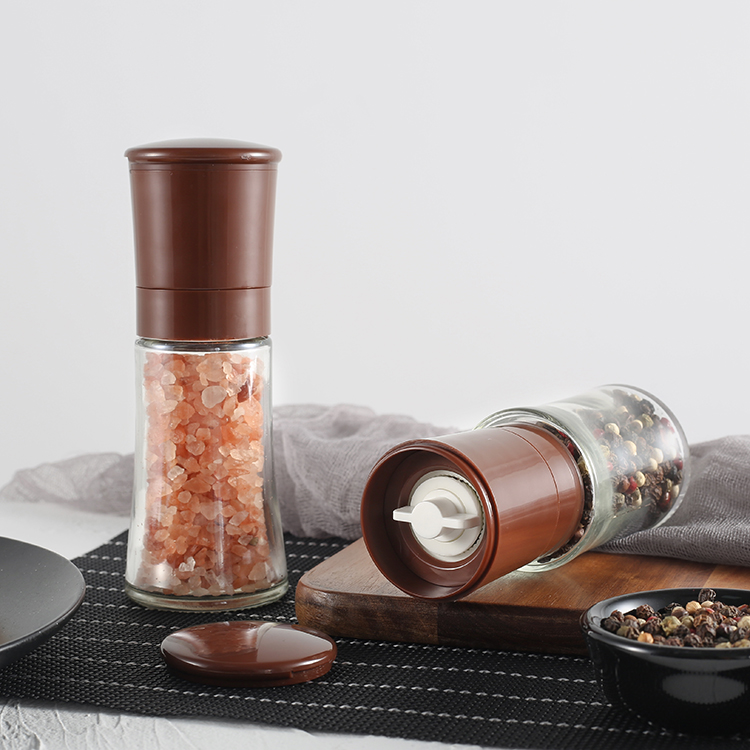
People pick between manual and electric grinders for Himalayan pink salt. Manual grinders need you to turn them by hand. They are good for people who like old-style cooking. Electric grinders work fast and are easy to use. They are great in busy kitchens. The table below shows how they are different:
| Factor | Electric Grinders | Manual Grinders |
|---|---|---|
| Speed | Quick seasoning, ideal for busy chefs | Slower, hands-on experience |
| Durability | Designed for frequent use | Robust but requires more effort |
| Convenience | Perfect for multitasking | Best for traditional cooking methods |
Electric grinders season food fast. Manual grinders give you more control and are quiet. Both types can grind coarse salt crystals. This makes them good for Himalayan pink salt.
Recommended materials
The best Himalayan pink salt needs a strong grinder. Stainless steel does not rust and keeps the salt’s taste clean. Ceramic is very hard and does not mix with salt. It keeps the salt’s texture and minerals safe. The table below lists the good things about each material:
| Material | Advantages |
|---|---|
| Stainless Steel | Durable, rust-resistant, maintains salt’s natural flavor, easy to clean. |
| Ceramic | Hard, non-reactive, corrosion-resistant, preserves salt’s purity and texture. |
A grinder made with ceramic or stainless steel lasts a long time. It also keeps your salt fresh and tasty.
ChefsHere grinder features
Some reputable grinder brands including ChefsHere adopt ceramic grinding burrs with strong anti-corrosion performance to avoid unwanted flavor contamination and reduce salt adhesion during grinding. Relevant production standards follow mainstream international food contact material specifications.
Tip: Pick a grinder with a ceramic part for Himalayan pink salt. It keeps the salt’s minerals and taste safe.
Tips for Himalayan salt use
Cleaning and maintenance
For optimal long-term operation, most spice industry guides recommend cleaning grinders every two to four weeks to clear accumulated salt residue and avoid mechanism blockage.
Common cleaning steps include disassembling the unit, brushing burr residue with a soft toothbrush, washing removable parts with mild soapy water, and fully air-drying all components before reassembly.
Products like ChefsHere grinders adopt user-friendly detachable structures to simplify daily cleaning and prolong service life.
Storage advice
Proper storage protects the best pink salt and keeps its taste pure.
- Store salt in an airtight container to keep out moisture and air.
- Glass, ceramic, or BPA-free plastic jars with tight lids work best.
- Keep the salt grinder away from moisture to avoid clumping.
- Use a salt shaker with a tight seal to preserve minerals and prevent odors.
These steps help maintain the quality of freshly ground salt and ensure consistent taste.
Usage tips
Best practices help users get the most flavor and performance from their grinder.
- Keep the grinder dry to protect salt quality.
- Clean the grinder with a dry cloth between deep cleanings.
- Always refill with coarse salt crystals to avoid damaging the mechanism.
- Grind fresh salt before serving for the best taste.
- Adjust the grind size to match each dish.
- Add salt gradually to control taste.
ChefsHere’s innovative grinders support these practices, making them a reliable choice for both home and commercial kitchens.
Salt grinds well in good grinders. Ceramic grinders do not rust and keep salt clean. ChefsHere grinders work well in any kitchen. To get the best results, use these tips:
| Maintenance Tip | Description |
|---|---|
| Proper Storage | Keep salt in a dry spot to keep it fresh. |
| Keep It Dry | Dry salt stops it from sticking together. |
| Clean Occasionally | Use a dry cloth to wipe away salt dust. |
| Refill Carefully | Only put coarse salt crystals in the grinder. |
Taking care of your grinder helps it last a long time.
FAQ
Will Himalayan salt damage a grinder?
Himalayan salt generally will not damage a grinder. The ceramic or stainless steel parts are wear-resistant. Regular cleaning helps keep the grinder in good condition.
Why choose freshly ground salt instead of pre-ground salt?
Freshly ground salt enhances the flavor of food, preserving its minerals and texture. Chefs prefer to season dishes with freshly ground salt just before serving.
How should Himalayan salt be stored for best results?
Users should store the salt in a dry, airtight container. This prevents the salt from clumping and maintains its fluidity for easy grinding.