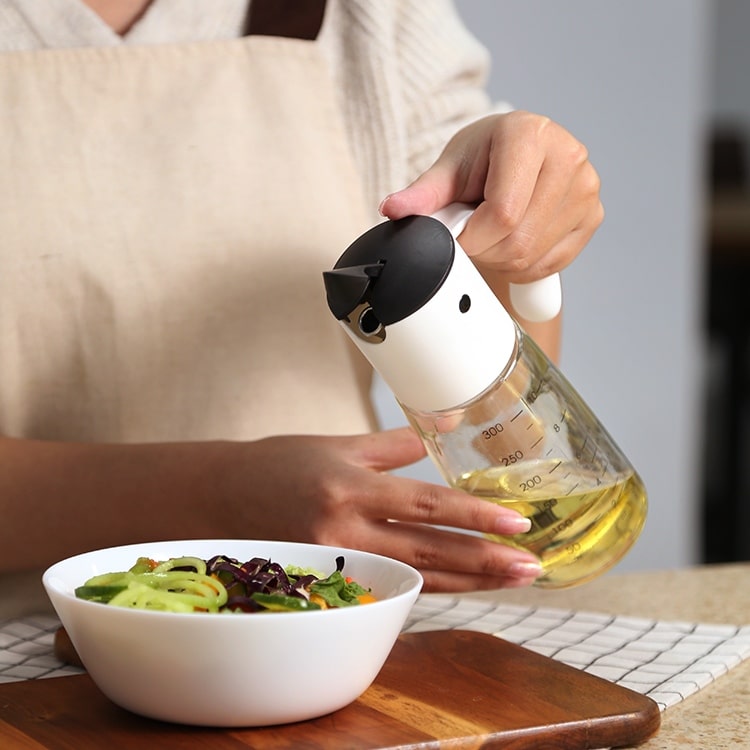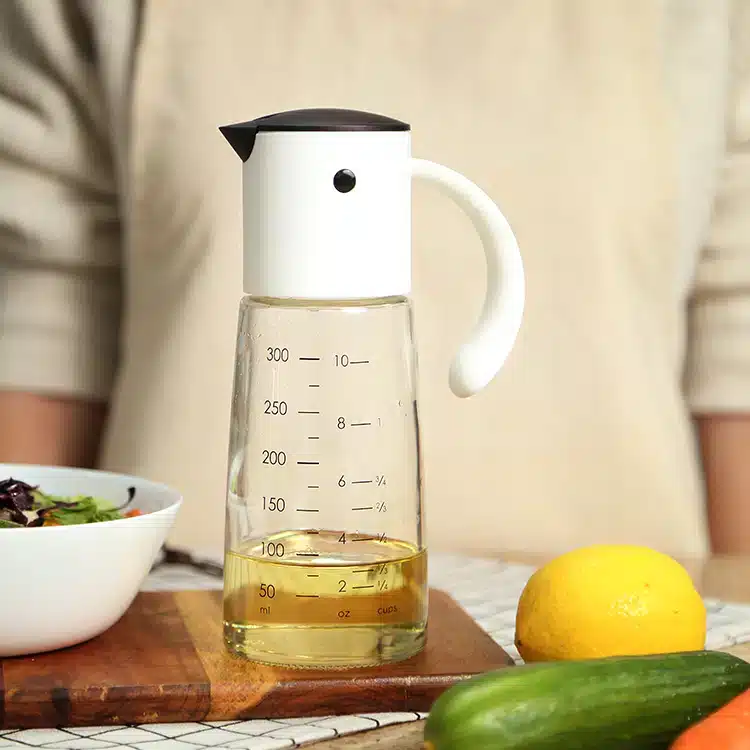
Using vinegar to clean oil bottles is a quick and easy solution. Oil stains tend to build up inside these bottles over time, making them unhygienic and hard to reuse. This simple method only requires vinegar and water, so anyone can do it effortlessly. It effectively removes grease while helping keep your kitchen clean and safe.
Key Takeaways
- Clean your oil dispenser with vinegar and warm water to remove grease and unpleasant odors.
- Prepare your supplies first: white vinegar, warm water, baking soda, and a bottle brush. These simple tools will make cleaning much more effective.
- Soak the dispenser in a vinegar solution for about 30 minutes to break down stubborn oil stains.
- For best results, clean your oil dispenser once a week. This prevents oil buildup and keeps your oil fresh.
- Always make sure the dispenser is completely dry before refilling it with oil. Any remaining moisture can cause the oil to spoil and develop a bad smell.
What You Need for Vinegar Cleaning
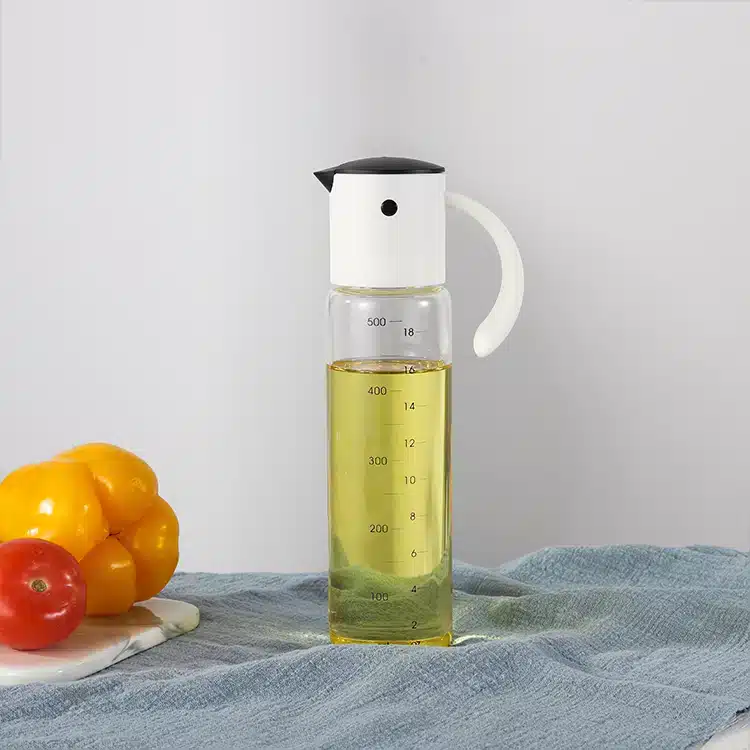
Essential Supplies
Cleaning an oil bottle with vinegar requires only a few basic supplies. Kitchen cleaning experts recommend the following for maximum effectiveness:
- White vinegar
- Warm water
- Baking soda
- Bottle brush
- Dish soap
- Tools for narrow bottles (like a chopstick or pipe cleaner)
- Drying towel
White vinegar breaks down grease and eliminates odors. Warm water softens stubborn residue for easier removal. Baking soda removes stubborn stains. A bottle brush thoroughly cleans the inside of the oil bottle. Dish soap removes heavy grease. For oil bottles with small openings, chopsticks or a drain cleaner can clean narrow crevices. Drying the oil bottle with a towel ensures it is completely dry before use.
Kitchen experts often recommend rinsing with lemon water or a vinegar solution to kill bacteria and remove odors. Adding a small amount of distilled vinegar to dish soap can enhance its degreasing power. Soaking the oil bottle in a vinegar solution also helps remove odors. For best cleaning results, mix equal parts white vinegar and warm water, let it sit for a few moments, shake gently, and then rinse thoroughly.
Tip: Preparing all cleaning supplies in advance can make the cleaning process faster and more efficient.
Why Use Vinegar?
Vinegar is a highly effective cleaner for oil bottles. Its natural acidity breaks down thick grease and sticky residue. Most regular household cleaners lack sufficient acidity to tackle tough, baked‑on oil. Cleaning vinegar, however, is specially formulated to remove stubborn grime, making it perfect for eliminating heavy grease and unwanted odors.
Vinegar also sanitizes and deodorizes naturally. Free of harsh chemicals, it is safe to use on most kitchen items. It is a popular choice because it is affordable, easy to find, and gentle on both hands and surfaces.
How to Clean an Oil Dispenser with Vinegar
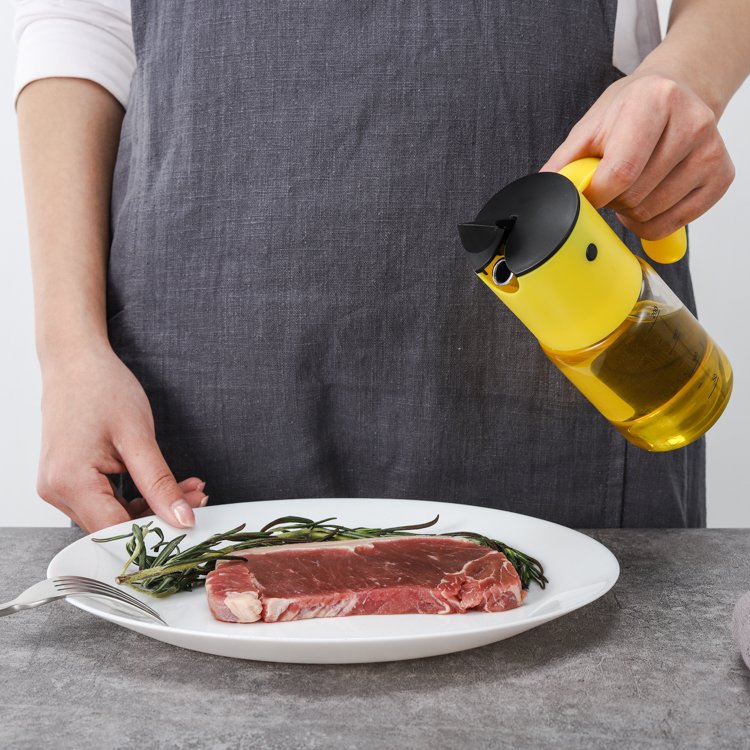
Empty and Rinse
First, pour out any leftover oil from the bottle to avoid mixing old and fresh oil. Remove the pouring spout—most can be pulled off gently. Once removed, you can clean each part thoroughly.
Add warm water and a little dish soap to the bottle, then shake gently. Let it sit for a few minutes to soften any remaining oil residue. Scrub the inside with a bottle brush. For bottles with a narrow neck, use a long-bristled brush or pipe cleaner.
Soak the pouring spout in warm, soapy water, then clean the inside of the nozzle with a small brush or pipe cleaner. Rinse the bottle and spout well with warm water until no soapy residue remains. Hang them upside down to air-dry.
Vinegar Soak and Scrub
Next, mix equal parts white vinegar and warm water. Fill the bottle about halfway with the solution, then gently shake to coat all inner surfaces. Let the bottle soak for at least 30 minutes to allow the vinegar to break down leftover oil stains.
For stubborn grime, add baking soda before pouring in the vinegar solution. The fizzing action helps lift tough grease. After soaking, scrub the inside again with a bottle brush. Soak the nozzle in the vinegar solution and clean its interior with a pipe cleaner.
This method works well for glass, stainless steel, and plastic oil dispensers.
Vinegar Rinse and Dry
Once finished soaking and scrubbing, pour out the vinegar solution. Rinse the dispenser and nozzle thoroughly with warm water to remove any remaining vinegar or oil. If you still smell vinegar or see stains, repeat rinsing.
Before refilling with oil, make sure the dispenser and nozzle are completely dry. Hang them upside down on a drying rack or pat dry with a towel. Any leftover moisture can cause fresh oil to spoil. Following these steps will keep your dispenser clean and ready for use.
| Cleaning Method | Average Time Required |
|---|---|
| Vinegar Method | 18 minutes |
| Castile Soap, Baking Soda, Vinegar | 3 minutes |
Tips for Best Results When You Clean Olive Oil Dispenser
Cleaning Frequency
To maintain a clean kitchen, olive oil bottles should be cleaned regularly. Experts recommend rinsing them weekly to prevent oil from hardening inside the nozzle. Regular cleaning also stops olive oil from developing stale odors.
A quick rinse with warm water and a small amount of degreasing dish soap helps remove leftover oil and stops it from turning into stubborn grease. Wipe the nozzle after each use to keep the outside clean and avoid oil drips on countertops. Also, check the seal regularly to make sure there are no leaks.
Drying and Storage
Proper drying and storage help keep olive oil bottles hygienic and long-lasting. After washing, always place the bottle upside down on a towel or drying rack to air-dry completely. Any leftover moisture can spoil fresh oil.
Store the bottle in a cool, dry area away from direct sunlight. Heat and light can degrade olive oil and speed up spoilage. Always tighten the cap securely after each use to keep air and moisture out. To prevent contamination, store the bottle upright and away from stoves or other heat sources.
Quick Storage Tips:
- Store in a cool, dry place.
- Avoid direct sunlight.
- Seal tightly after each use.
- Keep upright and away from heat sources.
Treatment of Stubborn Oil Stains
Stubborn oil stains may remain inside bottles that have not been cleaned for a long time. For narrow-necked bottles, use a bottle brush or pipe cleaner to reach tight spaces.
Start by adding a small amount of degreaser or dish soap into the bottle, then fill with hot water and swirl. For extra cleaning power, add vinegar and swirl again. Let the mixture sit for several minutes, then rinse with hot water.
If stains still remain, sprinkle baking soda inside the bottle before adding vinegar. The foaming reaction helps lift and remove tough, stuck-on grease. Remember to make sure the bottle is completely dry before refilling with fresh oil.
| Step | Action |
|---|---|
| 1. Add soap | Pour degreaser or dish soap into bottle |
| 2. Add hot water | Stir and let sit |
| 3. Add vinegar | Stir for extra shine |
| 4. Rinse | Use hot water to rinse thoroughly |
| 5. Dry completely | Air dry upside down before refilling |
Common Mistakes in How to Clean Olive Oil
Oil Bottles
Cleaning oil bottles may seem straightforward, but many people unknowingly make mistakes that leave them poorly cleaned. Learning about these common errors will help you keep your kitchen utensils in great condition.
Skipping Steps
Many people skip cleaning steps to save time. They may quickly rinse the bottle and immediately refill it with new oil, leaving old oil and sticky residue behind. Over time, this buildup becomes harder to remove.
The most effective way to eliminate sticky grease is to follow the full cleaning process: empty the bottle, scrub with soap, soak in vinegar, and rinse thoroughly. Each step targets grease buildup and keeps the bottle hygienic. Skipping even one step can make a thorough clean nearly impossible.
Using the Wrong Tools
Others use inappropriate cleaning tools. Regular sponges cannot reach inside narrow spouts, while sharp objects may scratch the bottle and trap more grime.
The right tools — such as bottle brushes or pipe-cleaner brushes — can reach every corner. These tools fully remove grease and prevent leftover residue, making them especially ideal for narrow openings. Using proper tools simplifies cleaning and ensures your dispenser remains safe for storing oil.
| Tool | Usefulness for Cleaning Oil Dispenser |
|---|---|
| Bottle Brush | Excellent for inside walls |
| Pipe Cleaner | Best for narrow spouts |
| Sponge | Only for outside surfaces |
Incomplete Drying
After washing, some people refill the dispenser too quickly without letting it dry fully. Any leftover water will mix with the oil and cause it to spoil. Moisture can also lead to mold and unpleasant odors. To prevent this, always air-dry the dispenser upside down. You can use a towel to speed up the drying process if needed. Allowing the dispenser to dry completely keeps your oil fresh and safe for cooking.
By avoiding these common mistakes, you can keep your oil dispenser clean and ready for use at any time.
Cleaning an oil dispenser with vinegar is simple and safe. As a non-toxic cleaner, vinegar is much more eco-friendly than harsh chemical products. Regular cleaning prevents grease residue from building up, keeping your oil fresh and flavorful. A clean dispenser ensures your oil tastes great and avoids off odors.
Following these cleaning tips helps you avoid common errors and store oil properly. Using vinegar not only keeps your kitchen clean but also supports a healthier environment.
FAQ
How often should oil dispensers be cleaned?
Experts recommend cleaning oil dispensers weekly. Regular cleaning prevents oil buildup inside. Regular cleaning also keeps the oil fresh and ensures safe cooking.
Can vinegar remove all oil stains from oil dispensers?
Vinegar can break down most oil stains. For stubborn stains, use baking soda. Using vinegar and baking soda together can clean the bottle and spout. Vinegar can also remove the odor left by old oil.
Is vinegar safe to use on glass and plastic oil dispensers?
Vinegar is safe to clean glass and plastic oil dispensers without damaging these materials. Rinse the oil dispenser thoroughly after washing to remove the vinegar smell.
What tools can help clean narrow oil dispenser spouts?
Pipe cleaning brushes or fine bottle brushes can reach into the narrow spouts of oil dispensers. These tools can scrub away oil residue, making cleaning easier and more effective.
Why does oil spoil if the dispenser isn’t completely dry?
Residual moisture inside the dispenser can cause essential oils to spoil. Mixing water with essential oils can cause mold or unpleasant odors. Inverting the bottle to air dry can prevent these problems.