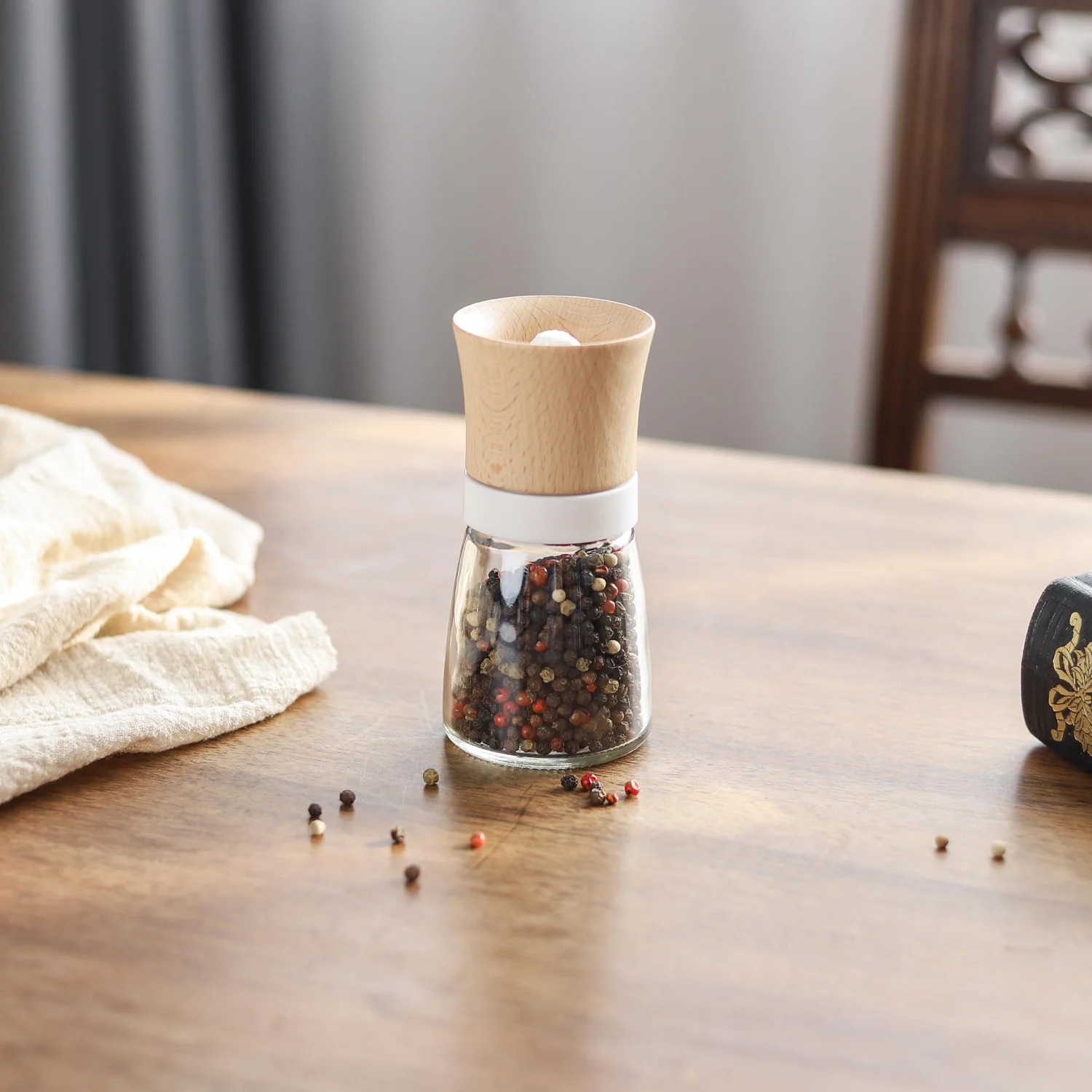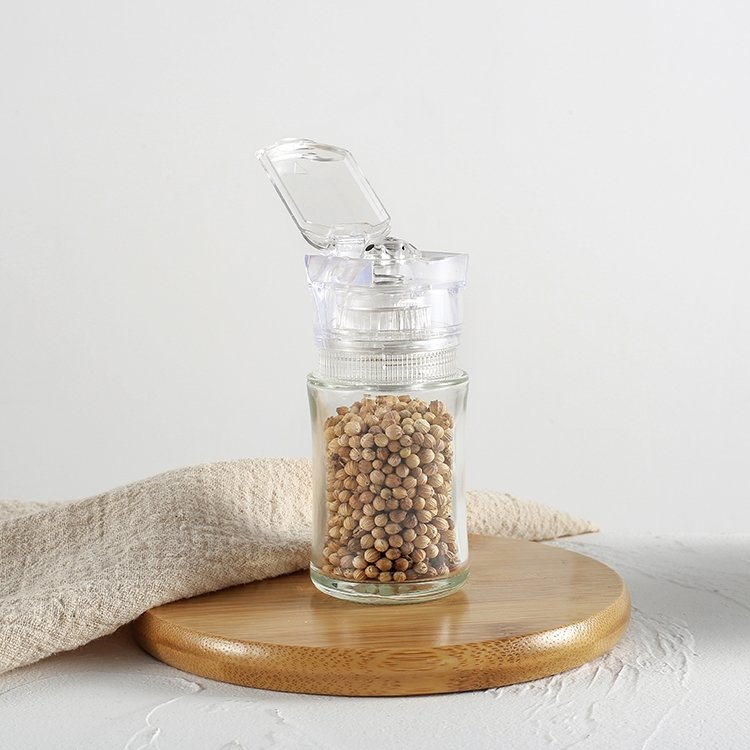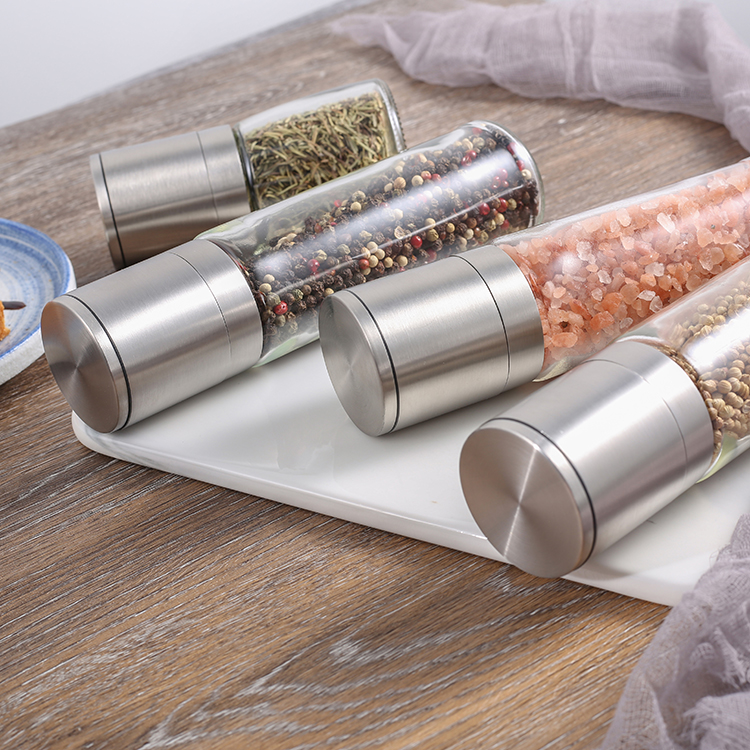
When cleaning a chef’s pepper grinder, people first remove any remaining pepper. They brush off the bits and wipe down all the parts of the grinder. Regular cleaning keeps spices fresh and prevents clogging or poor grinding. ChefsHere, as a supplier of pepper grinders, strictly adheres to safety standards. These products help chefs use fresh spices every day.
Key Takeaways
- Clean your salt and pepper grinder every three to four weeks. This keeps spices fresh and prevents clogging. Use a small brush and dry rice to clean the grinder. Rice absorbs grease and helps remove any remaining pepper. It won’t damage the grinder’s parts. Make sure all parts are dry before reassembling. This prevents rust and mold.
Clean a chef’s pepper grinder: Tools and Prep

Basic Supplies Needed
Chefs need some simple tools to clean their pepper grinders. These tools help remove any remaining pepper and keep the grinder functioning properly. Here is a list of items you’ll need before you begin:
- Small brush or toothbrush
- Raw rice
- Mild soap
- Soft cloth or towel
- Bowl to hold the cleaning parts
Cleaners are available in various materials, including wood, stainless steel, glass, plastic, and ceramic. Each material has its advantages and cleaning methods. Wooden cleaners look beautiful and feel natural, but they absorb water easily. Stainless steel cleaners won’t rust and are durable. Glass cleaners allow you to see inside, but they are fragile. Plastic cleaners are lightweight and inexpensive, but they stain easily. Ceramic cleaners have sharp edges, won’t rust, but are prone to cracking and are more expensive.
| Material | Pros | Cons |
|---|---|---|
| Wood | Classic appearance, natural feel, comfortable grip | Easily absorbs moisture and odors, requires more maintenance |
| Stainless Steel | Durable, rust-resistant, stylish appearance | Relatively heavy, grip may not be as comfortable as wood |
| Glass | Stylish, easy to clean, see contents | Fragile, breaks easily |
| Plastic | Lightweight, affordable, colorful | Less durable, can stain or keep odors |
| Ceramic | Sharp edges, durable, does not rust | Brittle, more expensive than plastic |
Preparing the Grinder
Before cleaning the grinder, disassemble it. Empty all remaining pepper and empty the grinding chamber. Use a brush to remove loose peppercorns. Wipe the exterior of the grinder with a damp cloth. If the grinder is electric, unplug it first. Never pour water into the grinder, especially avoid contact with metal or electronic components.
ChefsHere ensures its salt and pepper grinders are safe and of high quality. The company inspects every product and adheres to several standards:
| Certification Type | Description |
|---|---|
| ISO 9001 Certification | Ensures quality management aligns with international standards. |
| LFGB | Meets European food safety standards. |
| BRC | Ensures compliance with global food safety standards. |
| FDA | Adheres to American food safety regulations. |
| HACCP | Ensures systematic preventive approach to food safety. |
| AQL Inspection Standards | Demonstrates confidence in product quality through rigorous inspection. |
ChefsHere employs a comprehensive quality inspection system. The team tests the grinder’s lifespan and durability. Every grinder must pass these tests before leaving the factory.
How to clean a pepper grinder: Step-by-Step
Disassemble the Grinder
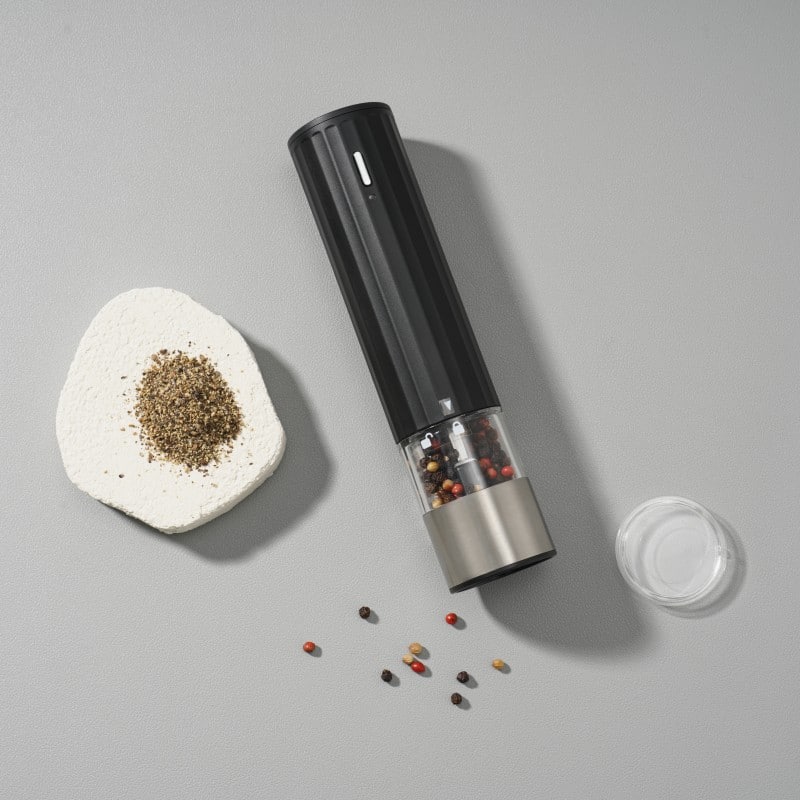
When cleaning a chef’s grinder, the first step is to disassemble it. Place the grinder on a non-slip surface for stability. Hold the bottom and rotate the top counter-clockwise. This is how most models open, but some brands may differ. Remove the top cap and set it aside. Remove the center bar and all other removable parts. Wipe the threads with a dry cloth. Avoid cleaning metal parts with water, as moisture can cause rust, and it will happen faster.
Remove Old Pepper and Debris
Empty all old peppercorns from the grinding chamber. Use a dry, soft-bristled brush or lint-free cloth to sweep away any remaining pepper powder. Moisture and pepper powder can build up inside the grinding chamber, causing blockages. Damp peppercorns or a damp storage environment can cause the granules to stick together. This makes the grinder difficult to use. Cleaning steps like these help keep the grinder in good working order.
Clean with Rice and Brush
Pour about a teaspoon of uncooked rice into an empty grinder. Grind the rice as if grinding pepper. The rice will absorb grease and help remove residue from the grinding mechanism. Grinding uncooked rice also naturally cleans the ceramic grinding disc. After grinding the rice, use a brush again to remove any remaining rice flour. This method is gentle and will not damage the grinder.
Tip: Never use harsh chemicals or soap inside the grinding mechanism. For best results, stick to the dry cleaning method.
Wipe and Dry Thoroughly
Wipe the exterior of the grinder with a damp cloth. If any parts have been cleaned, dry them with a towel first. Lay all parts flat on a clean towel and place in a well-ventilated area. Let them air dry for several hours or overnight. This step is crucial, as moisture can cause steel parts to rust and promote mold growth.
Reassemble and Test
Once all parts are completely dry, reassemble the grinder. Slide the center rod into the body. Reinstall the grinding disc, spring, and washer. Replace the top cap and tighten the top nut. Tighten by hand only; overtightening may damage the threads. Load fresh peppercorns into the grinding chamber. Test the grinder to ensure it operates smoothly. Adjust the grind size if necessary.
By following these cleaning steps, anyone can clean a chef’s grinder and keep it in top condition. Regular maintenance ensures the grinder delivers fresh flavor and smooth performance every time.
Clean your salt and pepper grinder: Maintenance Tips
Regular Cleaning Schedule
Chefs clean their grinders frequently to keep them functioning properly. Experts recommend cleaning every three to four weeks. The cleaning frequency depends on how often you use the grinder. The table below shows the cleaning schedule based on usage:
| Usage Level | Cleaning Frequency |
|---|---|
| Daily or Weekly Use | Once a month |
| Occasional Use | Every three months |
| Salt Mixes/Moisture | Clean more frequently |
If you grind salt, clean the grinder every two to four weeks. This prevents clogging and keeps the salt fresh.
What to Avoid
Incorrect cleaning methods can damage the grinder. The table below lists common mistakes and their consequences:
| Common Mistakes | Consequences |
|---|---|
| Using Wet Peppercorns | Mold, bad smell, ruined flavor |
| Overfilling Your Pepper Mill | Jamming, wear, cracks in wooden mills |
| Ignoring Manufacturer Instructions | Residue buildup, mold, rust |
| Washing a Pepper Mill | Water damage, clogs, ruined internal parts |
Do not immerse the grinder in water or use strong cleaning agents. Always dry all parts before reassembling. Store the grinder in a cool, dry place to prevent moisture damage.
Troubleshooting Common Issues
Sometimes the grinder may jam or fail to work after cleaning. The following steps can help resolve the issue:
| Step | Action | Description |
|---|---|---|
| 1 | Disassemble the grinder | Take apart the grinder to reach inside |
| 2 | Clean the parts | Remove pepper residue or impurities |
| 3 | Check for damage | Look for broken or bent parts |
| 4 | Reassemble | Put the grinder back together and test it |
Irregular grinding, clogging, stale flavor, or moisture damage can occur. Keeping the grinder dry and cleaning it regularly helps prevent these problems. If you have any questions, you can contact ChefsHere customer service for assistance.
Regular cleaning of the grinder helps maintain the fresh taste of the pepper and extends the life of the grinder. Using a dry brush can prevent water stains and rust. Most grinders can last 5 to 7 years with proper care. ChefsHere prioritizes quality and is committed to customer satisfaction. They achieve this through the following initiatives:
| Initiative | Description |
|---|---|
| Environmentally Friendly Processes | Energy-saving buildings and smart machines help cut down waste. |
| Waste Recycling Process | Recycling helps protect the environment. |
| Social Responsibility Programs | Giving donations helps people in the community and supports learning. |
| Employee Welfare | Good rules help keep workers healthy and make their jobs better. |
FAQ
How often should I clean my pepper grinder?
For best results, it’s recommended to clean your grinder monthly. Regular cleaning helps maintain the fresh flavor of the peppers and prevents clogging.
Can a quick rinse clean a pepper grinder?
A quick rinse won’t remove all grease or residue. For most grinders, dry cleaning with rice and a brush is more effective.
What should I do if my grinder stops working?
You should disassemble the grinder, check for stuck peppercorns, and clean all parts. If the problem persists, contact ChefsHere customer service.